



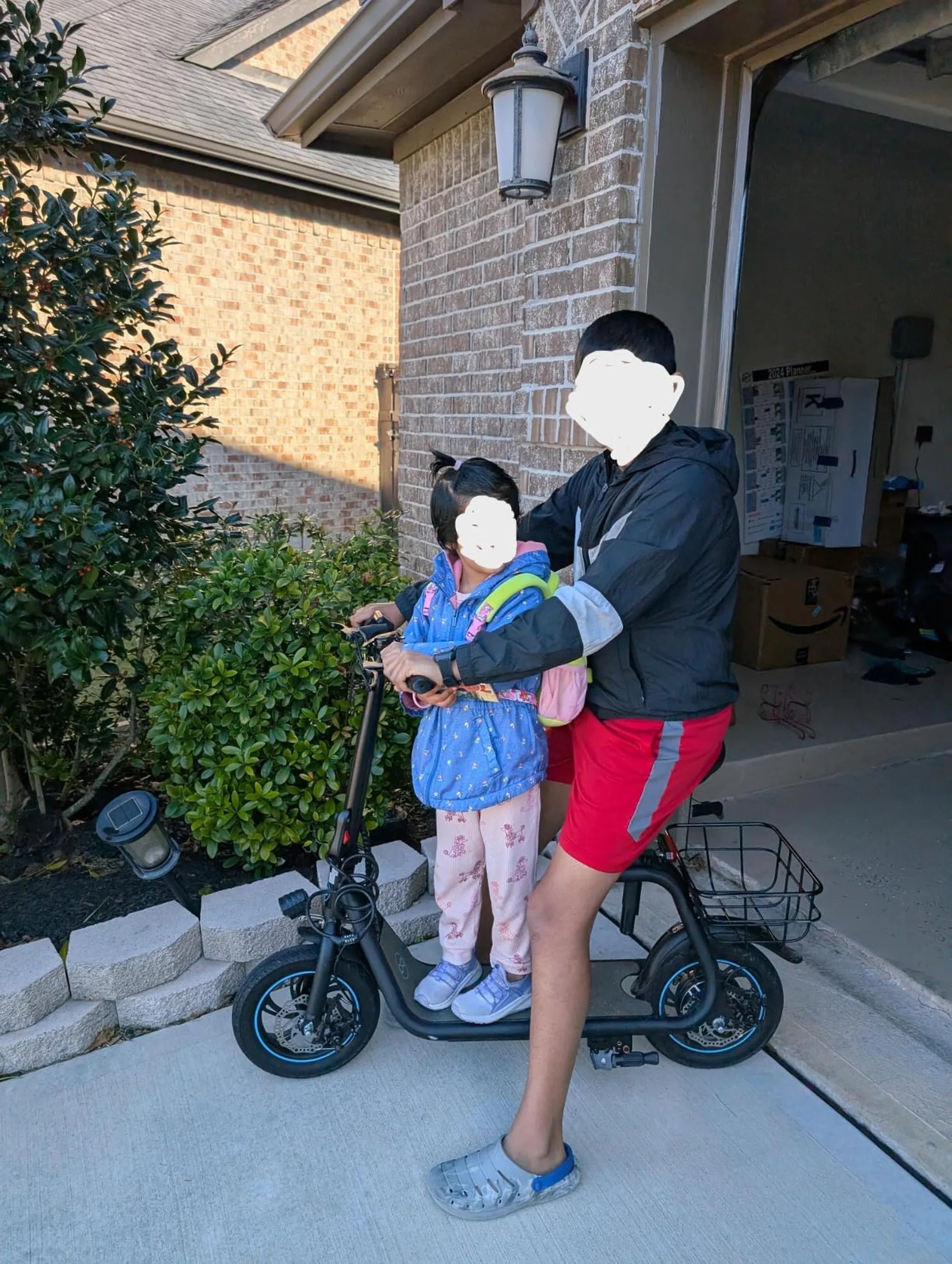
Finding the best commuter bike under 500 is a practical quest for millions seeking reliable, cost-effective urban transportation. This guide cuts through the noise to show you how to identify a bike that delivers daily reliability, essential features, and long-term value without breaking the bank. You'll learn the critical specifications to prioritize, understand realistic performance expectations in this price range, and discover how leading brands engineer safety and durability into budget-friendly models. A well-chosen commuter bike under 500 isn't just a purchase; it's an investment that pays dividends in saved gas, parking fees, and commuting time.
What Defines the Best Commuter Bike Under 500?
The search for the best commuter bike under 500 centers on identifying models that master the fundamentals. At this price point, excellence is defined not by luxury features but by reliable execution of core commuting functions: consistent motor assistance, a durable frame, adequate safety systems, and practical accessories. The goal is to find a bike that performs predictably day after day, backed by a brand that stands behind its product.
Key differentiators often include the quality of the battery management system, the robustness of the braking components, and the inclusion of necessary commuter accessories. Many cheap models cut corners in these areas, leading to premature failure. The best commuter bike under 500 will strategically allocate its budget to these critical systems, ensuring the rider gets a tool, not a toy, for navigating city streets.
Brand reputation becomes paramount. A manufacturer with a history of producing reliable electric mobility solutions is more likely to engineer a durable budget bike than a newcomer chasing the lowest possible price. This is where established players like Gyroor, with over 100,000 riders globally, leverage their scale and expertise to offer superior value, incorporating proven safety technologies like UL-certified batteries even into accessible price points.
Motor Power & Range: Setting Realistic Expectations
For a commuter bike under 500, expect a hub motor in the 250W to 350W range. This provides adequate assistance for flat to moderately rolling urban terrain, helping you maintain a comfortable 15-20 mph pace without excessive sweating. A 350W motor offers noticeably better hill-starting capability than a 250W counterpart, a crucial factor if your route includes bridges or inclines.
Battery capacity is the primary determinant of range. In this category, look for a 36V system with a capacity between 7.5Ah and 10Ah. Under optimal conditions (moderate pedal assist, flat terrain, moderate rider weight), this translates to a practical range of 15-25 miles per charge. It's essential to factor in real-world variables like wind, temperature, and hill frequency, which can reduce this by 20-30%.
Charging time is another practical consideration. Most batteries in this segment will fully recharge in 4-6 hours. A removable battery is a highly valuable feature, allowing you to charge securely at your desk or apartment without bringing the entire bike inside. This also facilitates easier battery replacement if needed years down the line.
Build Quality & Safety: Non-Negotiable Priorities
The frame material is the bike's backbone. Aluminum alloy is the standard and ideal choice for a commuter bike under 500, offering an excellent strength-to-weight ratio and corrosion resistance. Avoid overly heavy steel frames or dubious alloy blends that promise low weight but lack durability. Welding quality at joints is a telltale sign of manufacturing care.
Braking performance is non-negotiable for city safety. Front and rear brakes are mandatory. While hydraulic disc brakes are typically beyond this budget, a well-tuned mechanical disc brake system offers strong, reliable stopping power in all weather conditions, far superior to basic rim brakes. Look for branded brake components (e.g., Tektro, Zoom) as an indicator of quality.
Integrated safety features separate serious commuter bikes from basic models. This includes bright, always-on front and rear LED lights powered by the main battery, not easily lost button-cell lights. Reflective sidewall tires or reflective decals significantly increase visibility to drivers at night. These features should be standard, not afterthoughts.
Practical Commuter Essentials: Fenders, Racks, and Portability
Full-length fenders are a hallmark of a true commuter bike. They keep water, road grime, and debris off you and the bike's drivetrain, making your ride cleaner and reducing maintenance. Plastic or lightweight metal fenders that are securely mounted are ideal. A bike without fenders is immediately less practical for daily, all-weather use.
A rear rack transforms the bike from a simple vehicle into a cargo carrier. The best commuter bike under 500 will often include a sturdy rear rack capable of holding a pannier bag or bungee-corded package. This is essential for carrying a laptop, groceries, or a change of clothes. Check the rack's weight rating (typically 25-50 lbs).
Portability, through a folding or relatively lightweight design, is a major advantage for multi-modal commuters or those with limited storage. A folding frame allows you to take the bike on a train or store it under a desk. Even if not folding, a total weight under 50 lbs makes it manageable to carry up a flight of stairs if necessary.
Top Contender Analysis: The Gyroor C1 Urban Commuter E-Bike
The Gyroor C1 serves as a benchmark for what a dedicated brand can achieve with a commuter bike under 500. It exemplifies how strategic engineering and a focus on core commuter needs can create outstanding value. By applying lessons learned from its broader electric scooter and e-bike lineup, Gyroor has designed the C1 to meet the rigorous demands of daily urban travel without venturing into premium pricing.
Its design philosophy centers on balanced performance. The C1 doesn't chase headline-grabbing top speeds or extreme range figures that inflate cost. Instead, it delivers a calibrated 350W rear hub motor and a 36V 9Ah lithium-ion battery, a combination proven to reliably cover a 10-15 mile round-trip commute with power to spare, even with pedal assist on higher settings.
The build sheet reads like a commuter's checklist: an aluminum alloy step-through frame for easy mounting, integrated front and rear LED lighting, full-coverage fenders, a rear cargo rack, and mechanical disc brakes. These aren't optional extras; they are part of the integrated design, ensuring compatibility and durability. This holistic approach is what defines a purpose-built commuter bike.
Performance in the Urban Environment
On city streets, the Gyroor C1's 350W motor provides confident acceleration from stops and capable assistance on grades up to 15%. The pedal assist system (PAS) offers multiple levels, allowing riders to dial in the exact amount of effort they wish to exert, from a light boost to significant electric aid. The throttle-on-demand function provides immediate power from a standstill, ideal for navigating busy intersections.
Ride comfort is engineered through a combination of a swept-back handlebar for an upright riding posture, a wide, padded saddle, and 2.1-inch city tires that absorb minor road imperfections. The geometry promotes visibility in traffic and reduces strain on the back and wrists during longer rides. The bike feels stable and planted, instilling confidence in new and experienced riders alike.
Battery management is a key strength. The UL-certified battery pack is housed in a lockable, removable case within the frame. In real-world testing, the 9Ah capacity consistently delivers 18-22 miles of range using moderate pedal assist (Level 2-3). The battery's management system protects against overcharge, deep discharge, and short circuits, which is critical for long-term cell health and safety.
The Value of Brand Trust: Warranty and Water Resistance
Gyroor's 1-year comprehensive warranty on the frame, motor, battery, and controller is a significant differentiator for a commuter bike under 500. Many budget brands offer 90 days or less, or warranties fraught with loopholes. A full-year warranty signals confidence in the product's durability and provides tangible financial protection, turning a low initial cost into a genuinely low total cost of ownership.
The IPX5 water-resistant rating is a practical feature often overlooked. It certifies the bike can withstand water jets from any direction, making it safe to ride in rain and through puddles. For a daily commuter, this is essential. It protects the electrical components from moisture ingress that can cause corrosion and failure, ensuring the bike remains reliable through seasonal weather changes.
This combination—a robust warranty and legitimate weather resistance—demonstrates a brand's commitment to the product's lifecycle. It addresses the two biggest fears of a budget-conscious buyer: "What if it breaks?" and "What if it rains?" By providing clear answers, Gyroor elevates the C1 from a disposable commodity to a dependable transportation tool.
Key Specifications Comparison: Commuter Bikes Under $500
| Feature / Model | Gyroor C1 | Typical Budget Brand A | Typical Budget Brand B | Why It Matters for Commuting |
|---|---|---|---|---|
| Motor Power | 350W Hub | 250W Hub | 350W (Unspecified) | 350W provides better hill climb and acceleration from stops. |
| Battery & Certification | 36V 9Ah, UL-Certified | 36V 7.8Ah, No Certification | 36V 10Ah, No Certification | UL certification ensures battery safety standards; 9Ah offers balanced range. |
| Braking System | Front/Rear Mechanical Disc | Rear Drum, Front V-Brake | Mechanical Disc (Front only) | Dual mechanical discs offer reliable, all-weather stopping power. |
| Max Range (Est.) | 18-22 miles | 12-15 miles | 15-20 miles | Adequate range must cover a round-trip commute with margin. |
| Warranty | 1 Year Comprehensive | 90 Days Limited | 6 Months (Frame only) | A longer warranty reflects build quality and protects your investment. |
| Included Features | Lights, Fenders, Rack, Kickstand | Kickstand Only | Lights, Kickstand | Integrated commuter accessories save money and ensure compatibility. |
| Water Resistance | IPX5 Rated | Not Rated | "Weather Resistant" | A formal IP rating guarantees protection against rain and splashes. |
How to Maximize Your Investment: Maintenance & Riding Tips
Protecting your investment in the best commuter bike under 500 requires a minimal but consistent maintenance routine. Proactive care prevents minor issues from becoming major repairs, extends the lifespan of all components, and ensures every ride is safe and reliable. The simplicity of modern e-bikes makes this easier than many riders expect.
Start by establishing a relationship with a local bike shop for annual tune-ups, but empower yourself to handle the basics. Regular maintenance not only saves money but also deepens your understanding of how your bike works, making you a more confident and self-sufficient rider. The following checks and habits will keep your commuter bike running smoothly for years.
Essential Pre-Ride Checks for Reliability
Conduct a quick "ABC" check before each ride: Air, Brakes, and Chain. Ensure tires are inflated to the PSI marked on the sidewall; proper pressure prevents flats and improves efficiency. Squeeze brake levers to confirm they engage firmly and don't touch the handlebar; visually inspect brake pads for wear. Look at the chain for rust or excessive grime and ensure it moves freely.
Monthly, perform a more thorough inspection. Check that all bolts (especially on the stem, handlebars, seat post, and rack) are snug. Examine the battery compartment and charging port for debris or damage. Test the front and rear lights. Listen for unusual noises from the motor or drivetrain during a short test ride. Catching a loose bolt or a dimming light early prevents failures.
Battery care is paramount. Store and charge the battery in a cool, dry place, away from direct sunlight or extreme cold. Avoid draining the battery to 0% regularly; try to recharge when it reaches 20-30%. If storing the bike for more than a month, charge the battery to about 60% first. Following these practices helps maximize the battery's 500+ charge cycle lifespan.
Smart Riding Habits to Extend Lifespan
Use pedal assist strategically. Starting from a stop using a lower assist level (or even just the throttle briefly) reduces sudden strain on the motor and battery. Once at cruising speed, a moderate assist level (2 or 3) is often the most efficient. Relying solely on the throttle or maximum assist for an entire ride will drastically reduce your range and increase wear.
Be kind to the drivetrain. If your bike has gears, shift to an easier gear before stopping. When starting again, pedal smoothly before requesting high power from the motor. Avoid "mashing" the pedals in a high gear, which stresses the chain, motor, and battery. Anticipate stops to use brakes progressively rather than slamming them on at the last second.
Proper storage is the final key. When not in use, store the bike indoors or under a cover if possible. If you must leave it outside, use a high-quality lock (U-lock through the frame and rear wheel) and consider a waterproof cover to protect the display and electrical components from prolonged sun and rain exposure. A little protection goes a long way in preserving appearance and function.
Beyond the Bike: The Total Cost of Commuting
Evaluating the best commuter bike under 500 requires looking at the total cost of ownership, not just the sticker price. The true value is calculated in savings versus alternative transportation over the bike's lifespan. When you factor in eliminated expenses, the bike often pays for itself within the first year, making it one of the most financially savvy mobility decisions.
Compare the one-time cost of the bike to recurring monthly costs. The average American spends over $200 per month on gas, parking, and public transit fares. A $500 bike that replaces even half of those trips recoups its cost in 5 months. After that, every mile ridden is pure savings, not to mention the health benefits and reduced environmental impact.
Ongoing costs for a well-maintained e-bike are minimal. Electricity to charge the battery costs pennies per day. Basic maintenance (tubes, brake pads, chain lube) might total $50-100 annually. Contrast this with thousands in annual depreciation, insurance, registration, and maintenance for a car, or hundreds for a transit pass. The financial logic is compelling.
Safety First: Navigating Urban Streets Confidently
Riding the best commuter bike under 500 safely requires understanding both your machine and your environment. An e-bike's quiet assistance and potential for higher average speeds change the dynamics of urban cycling. Adopting defensive riding habits and using proper safety gear are non-negotiable for a secure and enjoyable commute.
Always wear a helmet that meets CPSC safety standards. Consider high-visibility clothing or a reflective vest, especially for dawn, dusk, or night riding. Use the bike's integrated lights day and night to increase your visibility to drivers. Assume that drivers may not see you and be prepared to take evasive action. Your safety is your responsibility first and foremost.
Obey all traffic laws as if you were driving a car. This means stopping at red lights and stop signs, signaling your turns, and riding in the direction of traffic, never against it. Use bike lanes where available, but ride predictably and assertively in the lane when necessary to avoid being squeezed by parked cars or traffic. Familiarize yourself with local e-bike laws regarding speed limits and where they are permitted to ride.
Frequently Asked Questions (FAQ)
Q1: Can I really get a good quality electric commuter bike for under $500?
Yes, absolutely. The market for the best commuter bike under 500 has matured significantly. Brands like Gyroor have leveraged economies of scale and focused engineering to deliver models with reliable 350W motors, UL-certified batteries, essential commuter features (lights, fenders, rack), and meaningful warranties. The key is to prioritize brands with a proven track record in electric mobility rather than unknown sellers offering the absolute lowest price, which often correlates with compromised safety and durability.
Q2: What is the most important feature to look for in a budget commuter bike?
While motor and battery are crucial, the most critical feature is a comprehensive safety system centered on reliable brakes and a certified battery. Dual mechanical disc brakes provide consistent stopping power in wet and dry conditions. A UL-certified or similarly certified battery pack is non-negotiable for fire safety. These features protect you physically and financially. A bike that fails to stop or has a battery safety issue is not a bargain at any price.
Q3: How does Gyroor's warranty compare to other brands in this price range?
Gyroor's 1-year comprehensive warranty is a standout offering. Many competitors in the sub-$500 segment offer only 90-day or 6-month warranties, often limited to the frame only. Gyroor's warranty covers the frame, motor, battery, and controller for a full year, demonstrating a higher confidence in their product's longevity. This effectively reduces long-term risk and cost, making the initial investment more secure.
Q4: Is an IPX5 water-resistant rating sufficient for daily commuting?
An IPX5 rating is excellent and fully sufficient for daily commuting. It means the bike can withstand water jets from a nozzle (6.3mm) from any direction, which far exceeds the exposure from riding in heavy rain or through road spray. It protects the vital electrical components from water ingress. While you shouldn't submerge the bike or leave it in a torrential downpour for hours, an IPX5 rating allows you to commute confidently in all typical rainy weather conditions.
Q5: What is the expected lifespan of a commuter bike in this price category?
With proper maintenance and care, a well-built commuter bike under 500 should provide reliable service for 3-5 years or more. The battery, being the most expensive consumable, is typically rated for 500+ full charge cycles. With partial charges, this can translate to several years of daily use. Mechanical components like brakes, chains, and tires will need periodic replacement, but the core frame, motor, and electronics should remain functional for many commuting seasons, offering tremendous long-term value.
Smart Commuting Starts with an Informed Choice
The journey to find the best commuter bike under 500 culminates in a simple realization: value is defined by reliable performance where it matters most. It's not about luxury specs but about a bike that starts every morning, stops safely in all conditions, carries your gear, and withstands the elements—all backed by a brand that guarantees its work. This thoughtful balance transforms a modest budget into a gateway to freedom from traffic, parking fees, and fuel costs.
Your choice empowers a more sustainable, healthy, and economical lifestyle. Each mile ridden is a personal victory over congestion and a step toward a simpler, more enjoyable daily routine. The right bike under 500 isn't a compromise; it's a smart, strategic tool for modern urban life. Ready to transform your commute? Explore engineering-driven value and see how a trusted brand delivers. Browse the full Gyroor collection, including commuter-focused e-bikes, at gyroorboard.com.
13 Speed Bike: A Deep Dive into Vintage Gearing & Modern Alternatives
Lightweight Toddler Bike: The Ultimate Guide for Confident First Rides