

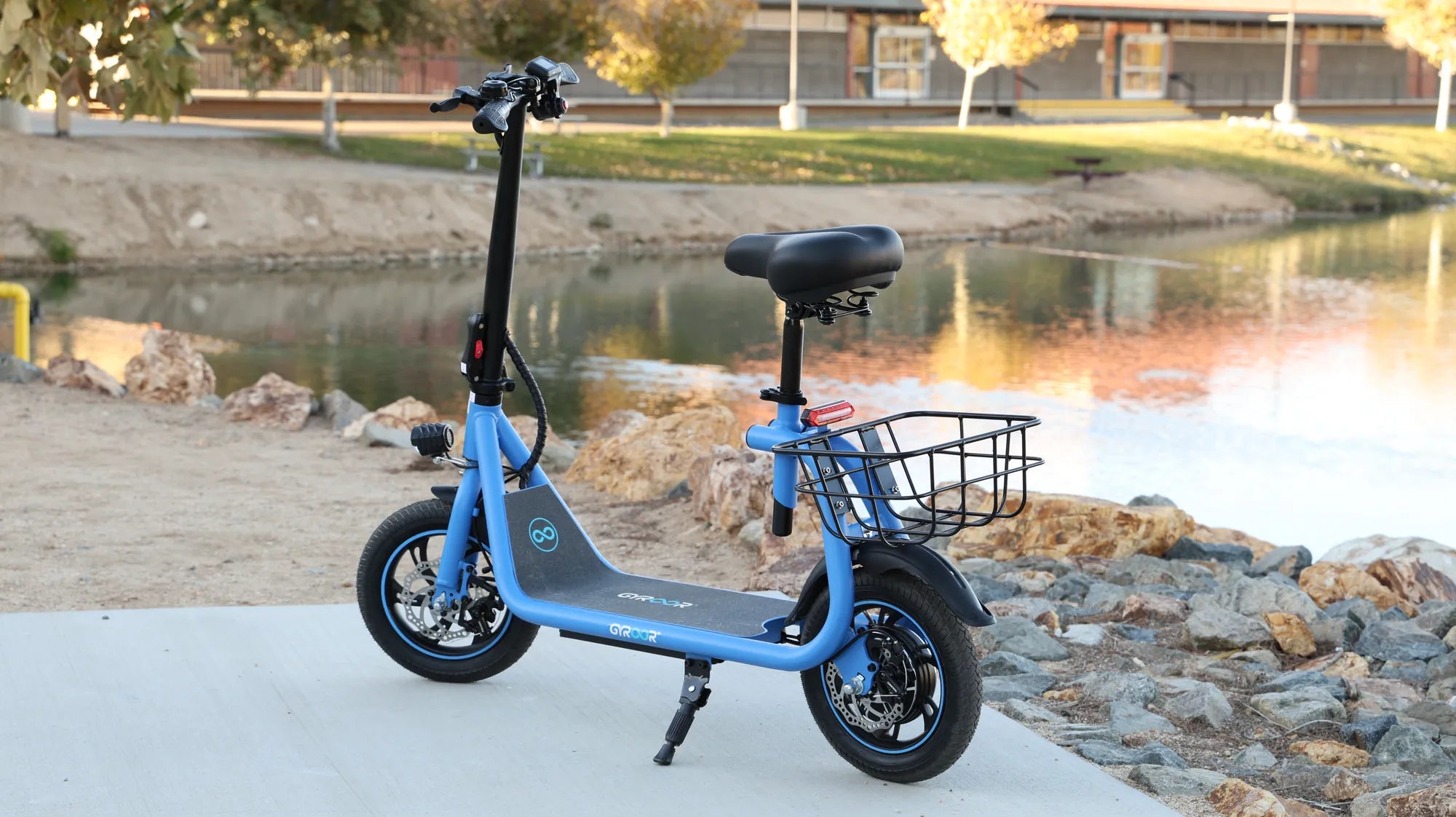
Navigating the 2025 Electric Scooter Market
The electric scooter landscape in 2025 is defined by smarter technology, enhanced safety standards, and a clear stratification of models for every conceivable use case and budget. Choosing the right scooter is no longer just about the lowest price; it's about finding the optimal intersection of performance, durability, and long-term value for your specific commute or recreational needs. This definitive guide provides a clear, data-driven **Best Electric Scooters 2025 Price Comparison: Top Picks for Every Budget**, cutting through marketing claims to show you where your money actually goes.
We will analyze scooters across four distinct price tiers, explaining the tangible benefits you gain at each level. From core specifications like motor wattage and battery capacity to critical safety features and warranty coverage, every factor influencing cost will be examined. Our goal is to empower you to make an informed investment, whether you need a basic last-mile solution or a high-performance machine for demanding urban terrain.
Understanding Value: Key Features That Impact Electric Scooter Price
In 2025, 'value' in an electric scooter is measured by its total cost of ownership, not just its initial purchase price. This includes performance, safety certifications, durability, and the brand's support network. A higher upfront investment often translates to lower long-term costs through superior reliability, better warranty terms, and enhanced resale value. The core specifications are the primary drivers of a scooter's market position and price point.
Discerning these value markers is crucial for an effective **Best Electric Scooters 2025 Price Comparison: Top Picks for Every Budget**. Ignoring them can lead to false economies, where a cheap initial purchase is followed by rapid depreciation, frequent repairs, or even safety concerns. We will now dissect the three most significant cost factors.
Motor Power & Speed: Performance vs. Price
Motor power, measured in watts (W), is a direct correlate to a scooter's capability and price. Entry-level scooters (250W-350W) are sufficient for flat terrain and riders under 180 lbs, offering speeds of 15-18 mph. Mid-range models (500W-800W) provide the sweet spot for most urban commuters, enabling reliable 20-25 mph speeds and the torque needed for moderate inclines.
Premium scooters (1000W and above, often with dual motors) deliver exceptional acceleration, top speeds over 30 mph, and confident hill-climbing. The engineering required for higher power outputs—including robust controllers, enhanced cooling, and stronger frames—significantly increases manufacturing costs. For your **Best Electric Scooters 2025 Price Comparison: Top Picks for Every Budget**, match the motor to your typical route's hill gradient and desired pace.
Battery Range & Charging: The Cost of Going the Distance
The battery is the most expensive single component in an electric scooter. Range is determined by battery capacity (Watt-hours, Wh), but real-world mileage is always less than manufacturer claims due to rider weight, terrain, temperature, and riding style. A scooter advertised for 25 miles may reliably deliver 18-20 miles under normal conditions.
Higher capacity batteries using quality, name-brand cells (like LG or Samsung) command a premium but offer longer lifespans and more consistent performance. Charging time is another consideration; faster charging systems add cost. In our **Best Electric Scooters 2025 Price Comparison: Top Picks for Every Budget**, we emphasize scooters with transparent range testing and batteries from reputable sources, as this is a critical area where cheaper models cut corners.
Build Quality & Safety: An Investment in Peace of Mind
This is where price differences become starkly justified. Build quality encompasses the frame material (aircraft-grade aluminum vs. heavier steel), the type of brakes (regenerative, disc, or drum), suspension systems (spring, rubber, or air), and tire type (pneumatic vs. solid). Each upgrade improves ride comfort, control, and durability.
Most critically, safety certifications are non-negotiable. The UL 2272 certification for the battery pack and electrical system is a baseline for fire safety. IP ratings for water and dust resistance (e.g., IPX5) indicate a scooter's durability in wet conditions. These certifications require rigorous testing and quality components, which increase cost but are essential for reliable, safe operation. Any legitimate **Best Electric Scooters 2025 Price Comparison: Top Picks for Every Budget** must prioritize models with these verifiable safety standards.
Budget Tier Breakdown: Top Picks for Every Price Point
The following tiered analysis provides a clear framework for your purchase decision. Each category represents a significant step up in capability, comfort, and construction. The table below offers a snapshot of what to expect at each level, followed by a detailed examination of standout models and value propositions.
| Price Tier | Typical Motor | Real-World Range | Key Features | Best For |
|---|---|---|---|---|
| Under $500 | 250W - 350W | 10 - 15 miles | Basic brakes, solid tires, simple folding | Short, flat commutes; first-time riders |
| $500 - $1,000 | 500W - 800W | 15 - 25 miles | Better suspension, disc brakes, app connectivity | Daily urban commuters |
| $1,000 - $1,500 | 800W - 1000W+ | 25 - 40+ miles | Dual motors, hydraulic brakes, advanced suspension | Long commutes, hilly areas, performance seekers |
| $1,500+ | Dual 1000W+ | 40+ miles | Max performance, premium materials, extensive tech | Enthusiasts and extreme performance |
Under $500: Best Value for Basic Commutes
This entry-level tier is for riders with short, predictable routes on predominantly flat ground. The focus here is on fundamental reliability and portability. Expect single braking systems (often a rear drum or e-brake), basic LED displays, and minimal suspension. Range will be limited, and hill-climbing ability is modest.
The best models in this category distinguish themselves with a straightforward design, a reputable warranty (at least 90 days on the battery), and a commitment to basic safety standards. While you won't find premium features, a well-chosen sub-$500 scooter can be a perfect cost-effective solution for last-mile travel from transit stations or casual neighborhood rides. It's a practical starting point in any **Best Electric Scooters 2025 Price Comparison: Top Picks for Every Budget**.
$500 - $1,000: The Sweet Spot for Most Urban Riders
This is the most competitive and recommended tier for the average daily commuter. Here, you gain substantial improvements: more powerful motors for consistent 20+ mph speeds, larger batteries for a 15-25 mile range, and often a combination of disc and electronic brakes for confident stopping. Suspension systems (usually front spring or rubber) become common, greatly improving comfort over urban imperfections.
Additional features like integrated lighting, smartphone apps for speed mode adjustment and diagnostics, and more robust folding mechanisms are standard. This price range represents the best balance of performance, practicality, and cost, offering a substantial upgrade in everyday usability and safety over the budget tier. Our **Best Electric Scooters 2025 Price Comparison: Top Picks for Every Budget** finds the highest density of quality options here.
$1,000 - $1,500: Premium Performance for Demanding Riders
Scooters in this bracket are built for performance and extended use. You'll encounter single or dual motors exceeding 1000W total output, enabling rapid acceleration and easy climbing of steep hills. Battery systems are larger and more advanced, often delivering 30-45 miles of range. Hydraulic or semi-hydraulic disc brakes provide superior braking force and modulation.
The build quality takes a significant leap, with stronger frames, wider decks, and full suspension systems (front and rear) for a smooth, controlled ride on varied surfaces. Water resistance ratings are higher (IPX5 or better), and displays are more informative. This tier is for riders with longer commutes, those navigating hilly cities, or anyone who prioritizes a premium, car-replacing experience.
Spotlight: Why Gyroor Offers Unmatched Value in the Mid-Range
As a leading electric mobility brand trusted by over 100,000 riders, Gyroor exemplifies how to deliver premium features at a mid-range price point, creating exceptional value. A key differentiator is Gyroor's unwavering commitment to certified safety. Every model utilizes UL-certified battery packs, tested for over 500 charge cycles, which addresses the foremost concern of potential buyers regarding battery fire risk.
Furthermore, Gyroor scooters are built with IPX5 water-resistant designs, allowing riders to confidently navigate wet streets without worrying about water damage. This durability is backed by a reliable 1-year comprehensive warranty, reducing long-term ownership costs and providing peace of mind. When conducting your **Best Electric Scooters 2025 Price Comparison: Top Picks for Every Budget**, Gyroor models consistently stand out for bundling these critical, cost-saving safety and durability features into competitively priced packages, making them a top recommendation for value-focused commuters.
Beyond the Purchase Price: Calculating Total Cost of Ownership
The scooter's sticker price is only the beginning. A realistic budget must account for necessary accessories, potential maintenance, and the financial safety net of a warranty. Overlooking these can turn a seemingly good deal into an expensive hassle. Planning for these costs upfront is a key part of a smart **Best Electric Scooters 2025 Price Comparison: Top Picks for Every Budget**.
Investing in quality from the start often prevents higher costs down the line. A scooter with a better build, superior tires, and a robust battery will require fewer repairs and retain its functionality—and resale value—far longer than a cut-price alternative. Let's break down the ancillary costs.
Essential Accessories & Safety Gear
This is a non-negotiable expense for responsible riding. A high-quality bicycle or multi-impact helmet is the most important purchase, typically costing $50-$150. Other essential accessories include a sturdy U-lock or heavy-duty chain lock ($40-$100) to prevent theft, and bright front and rear lights if not already sufficiently integrated ($20-$50).
Optional but highly recommended items include a phone mount for navigation ($15-$30), a storage bag or basket ($20-$50), and a tire repair kit with a portable pump for models with pneumatic tires ($25). For commuters, a waterproof backpack or panniers might be necessary. Budget a minimum of $150-$300 for these essential add-ons, regardless of your scooter's price tier.
Maintenance, Repairs, and Warranty Considerations
Regular maintenance includes checking tire pressure, ensuring brake function, and tightening bolts. The major costs come from part replacements: tires (especially pneumatic ones), brake pads, and eventually, the battery. A replacement battery for a mid-tier scooter can cost $200-$500.
This is where a strong warranty provides immense value. A comprehensive 1-year warranty like Gyroor's, which covers the battery, motor, and controller, can save you hundreds of dollars in potential repair costs. Cheaper scooters often have shorter warranties (90 days is common) or exclude the battery, leaving you fully exposed. Factoring in warranty coverage is a critical, often overlooked step in any true **Best Electric Scooters 2025 Price Comparison: Top Picks for Every Budget**.
FAQ: Your 2025 Electric Scooter Price Comparison Questions Answered
Q: Is it worth buying an electric scooter under $300?
A: Generally, no. Scooters in this ultra-budget range frequently lack basic safety certifications (UL 2272), use very low-quality batteries with poor lifespan, and have minimal warranty support. They often represent a false economy and can pose safety risks. It is advisable to start at the under-$500 tier for a baseline of reliability.
Q: How much should I budget for a scooter for a 10-mile daily round-trip commute?
A> For a 10-mile daily commute with some small hills, a scooter in the $600-$900 range is ideal. Look for a model with a 500W-800W motor and a battery rated for at least 15-20 miles of real-world range. This provides a comfortable performance buffer. Don't forget to add $150-$250 for a helmet, lock, and other essential accessories.
Q: Does a higher price always mean better quality and safety?
A> While not an absolute rule, there is a strong correlation. Higher-priced scooters from reputable brands invest in certified battery cells (UL), better water resistance (IP ratings), and more durable mechanical components. These directly enhance safety and longevity. Always verify the presence of these certifications rather than relying on price alone.
Q: What is the single most important feature to not compromise on for budget reasons?
A> The battery certification. Never purchase a scooter without a UL 2272 (or equivalent) certified battery pack. This is the primary guard against battery fire hazards. Compromising here for a lower price jeopardizes safety. Brands like Gyroor build this certification into their core value proposition.
Q: How long can I expect a quality electric scooter to last?
A> With proper maintenance, a scooter from a reputable brand in the mid-range ($500-$1,000) or premium tier can last 3-5 years or more. The battery is typically the first component to degrade, with quality cells retaining usable capacity for 2-4 years of regular use. Build quality and warranty directly impact lifespan.
Finding Your Perfect Match in the 2025 Market
The ideal electric scooter is the one that disappears into the background of your daily routine, providing reliable, safe, and enjoyable transportation without fuss or financial worry. This **Best Electric Scooters 2025 Price Comparison: Top Picks for Every Budget** has provided the framework to make that choice with confidence. Remember to match the scooter's core specifications—motor power, battery range, and build quality—to your specific commute, terrain, and physical needs.
Prioritize verifiable safety certifications and a strong warranty from a reputable brand; these are investments in peace of mind that pay dividends over the life of the scooter. Whether you choose an entry-level model for short trips or a high-performance machine for longer journeys, let your decision be guided by total value, not just initial cost. For those seeking the proven balance of safety, performance, and mid-range value highlighted in this guide, exploring a trusted brand is an excellent next step.
Ready to discover models that combine UL-certified battery safety, IPX5 water resistance, and reliable performance? Browse the full Gyroor collection at gyroorboard.com to find your perfect electric ride.
Electric Scooters Shepparton: The Future of Urban Mobility
Electric Scooters Safe Are Now Legal: What You Need to Know