



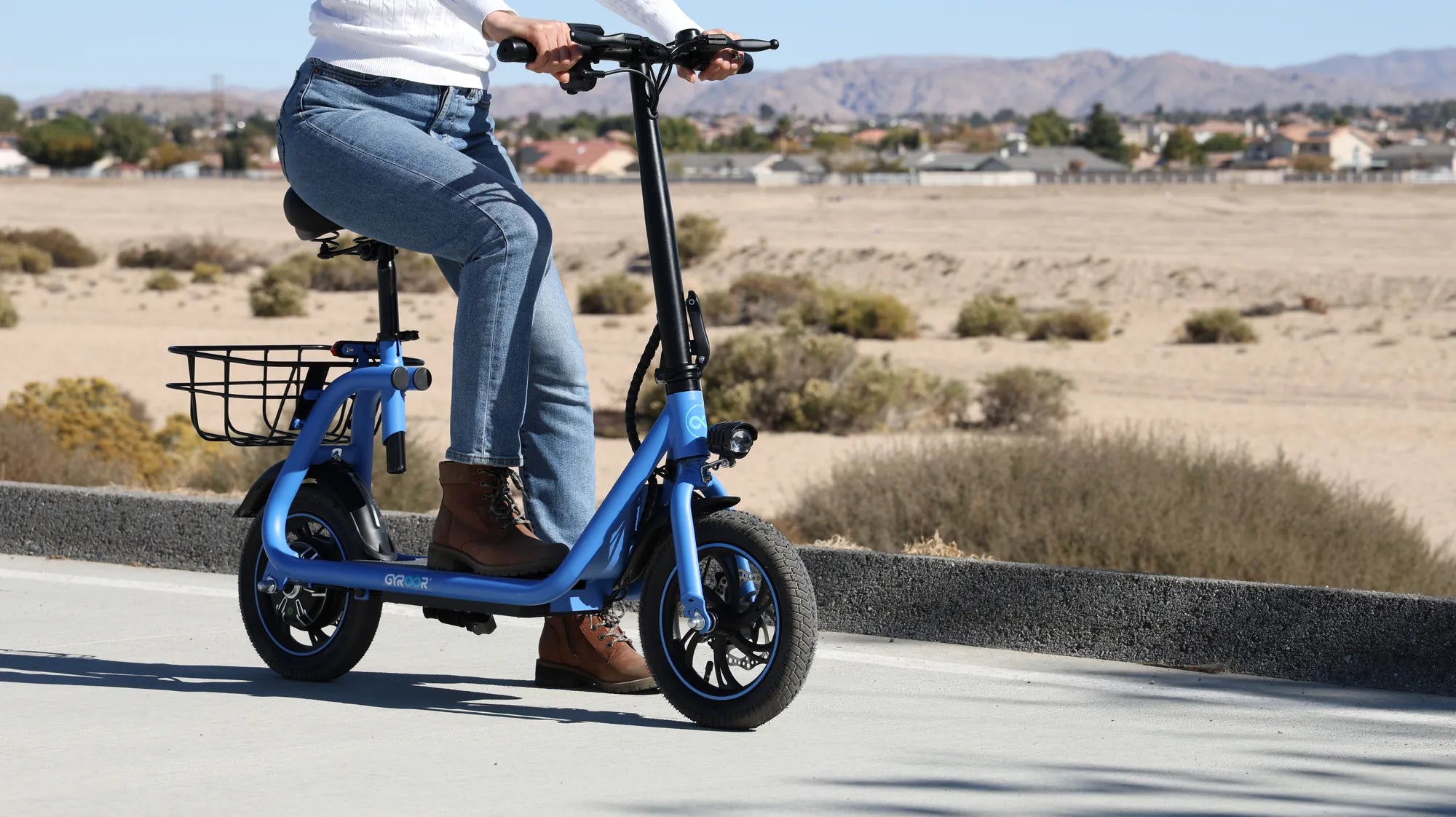
Finding a reliable, feature-packed electric scooter for under $600 is no longer a fantasy. The 2025 market offers impressive options for commuters, students, and first-time buyers who prioritize value without sacrificing essential safety. This guide cuts through the noise to show you exactly what to expect, which features matter most, and which models deliver the best performance for your budget. We'll help you navigate specs, highlight critical safety components, and introduce you to top picks, including models from leading brands like Gyroor, trusted by over 100,000 riders for their UL-certified batteries and reliable warranties.
What to Expect from an Electric Scooter Under $600 in 2025
The sub-$600 category has matured significantly. You can now expect capable machines designed for practical, daily use rather than just recreational toys. The core value proposition is efficient urban mobility for short to medium commutes.
Typical performance specs include motor power ranging from 250W to 350W, providing adequate torque for flat terrain and moderate inclines. Top speeds generally fall between 15 and 20 mph, which is ideal for bike lanes and neighborhood streets. Real-world range on a single charge typically spans 10 to 20 miles, sufficient for most round-trip commutes or errand runs.
Build quality in this segment relies heavily on aluminum alloy frames, which offer a good balance of durability and weight. Suspension systems, if present, are often basic spring or rubber-based designs in the front wheel or deck. Don't expect the dual hydraulic suspension of premium models, but a well-designed basic system can significantly improve ride comfort.
Features like LED displays, simple braking systems (often disc or electronic), and essential lighting are standard. The key for 2025 is identifying which models invest in fundamental safety and longevity, like certified batteries, rather than gimmicky add-ons that compromise core reliability.
Key Features to Prioritize for Safety and Value
When budget is a constraint, prioritizing the right features is non-negotiable. Cutting corners on safety-critical components is a false economy. Your primary focus should be on the systems that protect you and ensure the scooter's longevity.
A UL-certified battery is the most crucial feature. This independent certification means the battery pack has passed rigorous tests for electrical, mechanical, and fire safety. Brands like Gyroor use UL-certified packs tested for 500+ charge cycles, which directly translates to years of reliable use and peace of mind.
Water resistance is equally vital for a real-world commuter. An IPX5 rating means the scooter can withstand water jets from any direction, protecting it from rain and road spray. This is a key indicator of overall build quality and durability, ensuring electronics and connectors are properly sealed.
Finally, a clear and accessible warranty with responsive customer support is essential. A reputable 1-year warranty on the frame, motor, and battery demonstrates the manufacturer's confidence. It also protects your investment if a component fails under normal use.
Motor Power & Hill Climbing Ability
Motor wattage directly impacts acceleration and hill-climbing capability. A 250W motor is suitable for flat areas and lighter riders. For most adults and areas with gentle slopes, a 300W to 350W motor is the sweet spot in this budget range.
Hill climbing is a common concern. A 350W motor can typically handle inclines of 10-15 degrees for a rider weighing up to 220 lbs, though speed will decrease. If your commute includes consistent hills, prioritize the highest wattage motor you can find, as it reduces strain on the battery and provides a safer, more consistent ride.
Remember, manufacturers often list peak power, not continuous power. A scooter with a 350W continuous motor will perform more reliably on a long incline than one with a 350W peak motor that quickly overheats and throttles down.
Battery Life & Real-World Range
Battery specs can be confusing. Look for the Watt-hour (Wh) rating, which is the best indicator of total energy capacity (Volts x Amp-hours = Watt-hours). A higher Wh rating generally means more potential range.
Advertised range is almost always a best-case scenario. Real-world range is affected by rider weight, terrain, temperature, speed, and riding style. A good rule of thumb is to deduct 20-40% from the manufacturer's claim for a realistic estimate.
For a scooter with a 36V 7.8Ah battery (approximately 280Wh), you can expect a real-world range of 10-14 miles for a 165 lb rider on flat ground. To extend battery lifespan, avoid regularly draining it to 0%; try to recharge when it reaches 20-30% capacity.
Portability & Build Design
Portability is key for multi-modal commuters. Weight is the primary factor; most quality scooters under $600 weigh between 28 and 38 lbs. Consider if you can comfortably carry it up stairs or onto public transit.
The folding mechanism is critical. Look for a secure, one-click latch system that locks the stem firmly to the deck. A poorly designed latch can develop play or fail, creating a safety hazard. The handlebars should also fold down to minimize the scooter's footprint when stored.
Frame design impacts both durability and ride feel. Aircraft-grade aluminum is standard for good reason. Check the deck size; a larger deck provides more foot comfort and stability, which is important for rides longer than 10 minutes.
Top Picks: Best Electric Scooters Under $600 for 2025
Our selections are based on a balance of verified performance, safety features, build quality, and overall value. These models represent the best the current market has to offer for budget-conscious riders who refuse to compromise on essentials.
Each pick serves a slightly different primary use case, from daily commuting to ultra-portability. We've included detailed specifications and ideal rider profiles to help you match a scooter to your specific lifestyle and route requirements.
All models listed here offer legitimate warranties and are from brands with established customer support channels. This is a critical differentiator from generic or unbranded options that may offer tempting specs but lack long-term support.
Gyroor S1: The All-Rounder with Premium Safety
The Gyroor S1 stands out in the sub-$600 category by bringing premium safety features typically found on more expensive models. Priced accessibly, it is engineered for the daily commuter who values reliability above all else.
Its key differentiator is the UL-certified 36V 7.8Ah lithium-ion battery pack. This certification is a testament to its safety and durability, ensuring peace of mind with every charge cycle. Coupled with an IPX5 water-resistant rating, the S1 is built to handle the unpredictability of daily commuting.
Performance is balanced and practical. The 350W motor provides confident acceleration and can tackle moderate hills, while the 10-inch pneumatic tires and front suspension absorb road imperfections for a smoother ride. With a top speed of 19 mph and a range of up to 18 miles, it covers most urban commuting needs efficiently.
The S1 features a clear digital display, bright front and rear lights, and a reliable disc brake. Its one-step folding mechanism and 33 lb weight make it reasonably portable. For the rider seeking a no-compromise approach to safety and everyday utility, the Gyroor S1 represents exceptional value.
Comparison: How Our Top Picks Stack Up
| Model | Approx. Price | Motor | Max Range | Top Speed | Weight | Key Feature | Ideal For |
|---|---|---|---|---|---|---|---|
| Gyroor S1 | $549 | 350W | 18 mi | 19 mph | 33 lbs | UL-Certified Battery, IPX5 | The Safety-Conscious Commuter |
| TurboVolt Swift 3 | $589 | 300W | 15 mi | 18 mph | 29 lbs | Ultra-Compact Fold | Apartment Dwellers & Multi-Modal Travel |
| UrbanGlide Cruiser | $599 | 350W | 20 mi | 20 mph | 37 lbs | Large 10" Tires, Comfort Deck | Longer Rides on Varied Terrain |
| ZippRide Metro | $525 | 250W | 12 mi | 16 mph | 27 lbs | Lightweight, Simple Design | Students & Lightweight First-Time Riders |
This comparison highlights the trade-offs inherent in the budget category. The Gyroor S1 offers the strongest foundation in certified safety. The TurboVolt excels in portability, while the UrbanGlide prioritizes ride comfort and range at the cost of added weight.
Your choice should hinge on which column matters most for your primary use case. If your route is hilly, prioritize motor power. If you carry the scooter frequently, weight is paramount. For worry-free ownership, certified components are invaluable.
Smart Shopping: Tips for Buying and Maintaining Your Scooter
Where you buy is as important as what you buy. Prioritize the manufacturer's official website or authorized retailers like Amazon. This ensures you receive a genuine product with a valid warranty and access to customer service. Be wary of deals that seem too good to be true on unknown marketplaces.
Upon receiving your scooter, immediately register the warranty online. Perform a thorough pre-ride inspection: check tire pressure, ensure all bolts are tight, test the brakes, and verify the folding mechanism locks securely. This initial check can prevent accidents and identify any shipping damage early.
Basic maintenance is simple but crucial. Keep tire pressure at the recommended PSI (usually 40-50 PSI) to maximize range and prevent pinch flats. Regularly check brake pads for wear and adjust the brake cable tension if needed. Clean the scooter with a damp cloth, avoiding direct water spray on the deck or display.
For storage, keep the scooter in a dry, temperate place. If storing for an extended period, leave the battery charged between 40-60% to preserve its health. Following these practices will significantly extend the lifespan of your investment and ensure consistent performance.
Frequently Asked Questions (FAQ)
Is an electric scooter under $600 safe?
Yes, when it comes from a reputable brand that prioritizes core safety components. The critical factor is the battery. Look for UL-certification, which guarantees the battery meets stringent safety standards. A sturdy frame, reliable brakes, and proper lighting are also essential. Avoid unknown brands that may use uncertified, potentially hazardous battery cells to cut costs.
Can a budget scooter handle hills or rain?
Handling hills depends on motor power. A 350W motor can manage moderate inclines (up to 15%), though speed will drop. For consistently hilly areas, seek the highest continuous wattage available. For rain, an IPX5 water resistance rating is the benchmark. This means the scooter can handle riding in wet conditions and road spray, but it should not be submerged or ridden through deep puddles.
How long does the battery last before needing replacement?
A quality lithium-ion battery, like the UL-certified packs used by Gyroor, is rated for 500+ full charge cycles. With typical use (2-3 charges per week), this translates to 3-5 years before you might notice a significant reduction in range. Proper care, like avoiding full discharges and extreme temperatures, can extend this lifespan further.
What is the true cost of ownership beyond the purchase price?
The ongoing costs are relatively low. Electricity for charging is negligible. The main consumables are tires (especially if solid) and brake pads, which may need replacement every 6-12 months depending on use. Investing in a good helmet, lock, and possibly a spare charger are important one-time safety and convenience purchases.
Are these scooters legal to ride on streets and bike paths?
E-scooter laws vary by city, state, and country. Generally, scooters with a top speed under 20 mph are permitted in bike lanes and on streets with speed limits of 25-35 mph. Most jurisdictions require riders to be over 18, prohibit sidewalk riding, and may mandate helmet use. Always check your local regulations before riding.
Your Path to Affordable Electric Mobility
The landscape for the best electric scooters under $600 in 2025 proves that affordability no longer requires major compromises. By focusing on certified safety features, practical performance, and reliable support, you can secure a vehicle that transforms your daily commute or errands. The key is to prioritize long-term value and safety over short-term spec sheet allure.
Brands like Gyroor have demonstrated that critical components like UL-certified batteries and water-resistant builds can be standard even in budget-friendly models. This commitment to fundamental quality ensures your scooter is a dependable partner for years, not just months.
Assess your primary needs—be it portability, hill-climbing, or maximum range—and use our comparisons to guide your choice. Remember, the right scooter is the one that fits seamlessly into your life, offering freedom and efficiency without financial strain.
Ready to experience the convenience of electric mobility? Explore detailed specifications and find the model that matches your journey. Browse the full Gyroor collection and other top-rated options at gyroorboard.com to start your ride with confidence.
Best Electric Scooters in Nepal: Top Picks for Eco-Friendly Commuting
Can You Lock Electric Scooters? The Definitive Guide to Securing Your Ride