


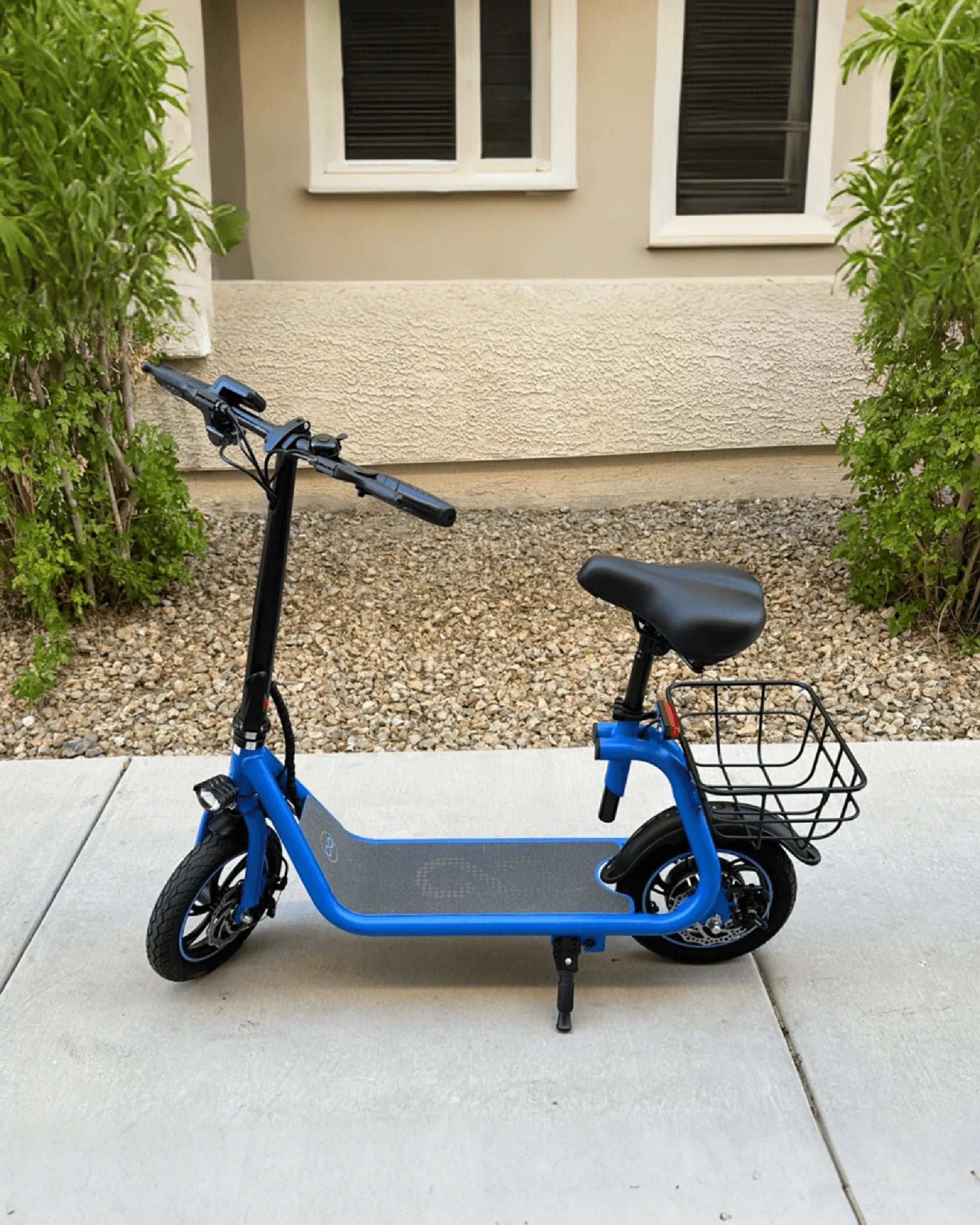
Introduction to Mid-Drive E-Bikes: The Heart of Modern Cycling
Choosing the best mid drive e bike means selecting a machine engineered for harmony between rider and motor. Unlike hub-drive systems, a mid-drive motor is centrally mounted at the bike's crankset, directly powering the chainring. This core placement is the key to its exceptional performance. It leverages the bicycle's existing gears to multiply torque and deliver power with remarkable efficiency.
This article will dissect the advantages of mid-drive technology, from its natural riding feel to its unparalleled hill-climbing prowess. You'll learn the critical specifications to evaluate, how to match a bike to your primary use case, and the safety features that are non-negotiable. For brands like Gyroor, a leader trusted by over 100,000 riders, integrating this advanced drive system with foundational safety creates a truly superior ride.
Why Choose a Mid-Drive Motor? The Core Advantages Explained
The mid-drive system is often considered the premium choice for electric bikes, and for good reason. Its design philosophy centers on integration rather than addition. By placing the motor at the bike's center of gravity, it works with the bicycle's mechanics, not around them. This fundamental difference from hub motors unlocks a suite of performance benefits that define the riding experience.
When searching for the best mid drive e bike, understanding these core advantages is essential. They translate directly to how the bike feels, performs, and endures over thousands of miles. The benefits are most apparent in three key areas: ride quality, efficiency, and mechanical longevity.
Natural Riding Feel and Improved Handling
A mid-drive motor powers the cranks, which is how you naturally propel a bicycle. This creates an intuitive, pedal-assisted sensation that closely mimics traditional cycling. The weight is centralized and low, between the wheels, which dramatically improves the bike's handling and stability, especially when cornering or navigating technical terrain.
This balanced weight distribution prevents the "pendulum" effect sometimes felt with heavy rear hub motors. The bike feels more agile and planted, giving the rider greater confidence and control. For urban commuting or trail riding, this refined handling is a significant safety and enjoyment factor.
Superior Efficiency and Hill-Climbing Power
This is the hallmark of the best mid drive e bike. Because the motor drives through the chain and cassette, it can use the bike's gears. This allows the motor to keep spinning in its optimal, efficient RPM range regardless of riding speed or incline. The result is extended battery range and less wasted energy.
More importantly, gearing multiplies the motor's torque. A motor producing 80 Nm of torque can effectively deliver far more force to the rear wheel when in a low gear. This makes mid-drive e-bikes the undisputed champions of hill climbing, providing smooth, sustained power where hub motors often strain and drain the battery rapidly.
Balanced Weight Distribution and Durability
The central mounting position creates a harmonious weight balance between the front and rear wheels. This improves traction on both wheels and makes the bike easier to lift or maneuver when not riding. It also reduces unsprung weight on the rear wheel, leading to a potentially smoother ride.
While the drivetrain (chain, cassette) may experience slightly faster wear due to the high torque, the motor itself is not subjected to the direct impacts and weight burden that a hub motor endures. The wheel hubs and spokes are also under less stress, which can lead to fewer mechanical issues related to the wheel itself over the long term.
Key Features to Look for in the Best Mid-Drive E-Bikes
Identifying the best mid drive e bike for your needs requires looking beyond the motor type. The motor is the heart, but the complete system determines the bike's capability, safety, and longevity. A high-quality mid-drive motor paired with subpar components is a compromised experience. Focus on these key features to make an informed decision.
A comprehensive evaluation includes performance specs, energy systems, build quality, and the supporting gear technology. Prioritizing these elements ensures your investment delivers peak performance and reliability, ride after ride. Brands that commit to high standards across all these features, like Gyroor with its UL-certified batteries and robust warranties, offer true peace of mind.
Motor Torque and Performance Specifications
Torque, measured in Newton-meters (Nm), is the rotational force the motor applies to the cranks. It's the best indicator of a motor's strength, especially for acceleration and climbing.
- 50-70 Nm: Ideal for urban commuting and casual riding on moderate hills.
- 70-90 Nm: Excellent for serious hill climbing, loaded touring, and aggressive trail riding.
- 90+ Nm: Found on high-performance e-MTBs designed for the steepest, most technical terrain.
Also, consider the motor's power output (often 250W to 750W, varying by region) and the sophistication of its sensor system. A responsive torque sensor (which measures your pedaling force) provides a more natural feel than a basic cadence sensor (which only detects pedaling motion).
Battery Integration and Range Considerations
The battery is the fuel tank. Look for a sleek, integrated design, typically housed within the downtube, which protects the battery and improves aesthetics and aerodynamics. Capacity, measured in Watt-hours (Wh), determines potential range. A 500Wh battery will generally offer more range than a 400Wh battery, all else being equal.
Real-world range is affected by rider weight, terrain, assist level, and wind. Most critically, insist on a UL-certified lithium-ion battery pack. This independent safety certification is a paramount benchmark, indicating rigorous testing for stability and reduced fire risk, a non-negotiable for safe operation. Gyroor utilizes these certified packs in its models for maximum rider safety.
Frame Design, Build Quality, and Warranty
The frame is the foundation. Aluminum alloy is the standard for its strength, lightness, and value. Check for quality welding, internal cable routing for a clean look, and mounting points for racks and fenders if needed. Component quality from brands like Shimano or SRAM for drivetrain and Tektro or Shimano for brakes indicates a well-specced bike.
For all-weather reliability, an IPX5 water-resistant rating is crucial. This means the bike can withstand water jets from any direction, making it safe to ride in the rain. Finally, a strong warranty reflects manufacturer confidence. A 1-year comprehensive warranty on the frame, motor, and battery, backed by accessible customer support, protects your investment.
Drivetrain Compatibility and Gear Systems
The mid-drive motor's performance is inextricably linked to the drivetrain. A wide-range cassette (e.g., 11-46 teeth) provides both easy climbing gears and fast cruising gears. The motor's control system must communicate seamlessly with the gear shifts to momentarily reduce power and prevent harsh, damaging shifts.
High-quality chains and cassettes are essential, as they handle the combined force of your legs and the motor. A well-matched drivetrain from a reputable brand ensures smooth, reliable power delivery and contributes to the overall durability of the drive system.
Comparing Your Options: Mid-Drive E-Bike Use Cases
The versatility of the mid-drive system allows it to excel in nearly every cycling discipline. The best mid drive e bike for you is the one optimized for your primary riding environment. By aligning the bike's specifications with your intended use, you maximize enjoyment, performance, and value. Below is a breakdown of key use cases and their ideal configurations.
This segmentation helps clarify the market. Whether your goal is a sweat-free commute, backcountry exploration, or long-distance fitness, there is a mid-drive e-bike designed for that purpose. The following table provides a clear, at-a-glance comparison of these primary categories.
| Use Case | Ideal Motor Torque | Key Features | Frame & Suspension | Primary Terrain |
|---|---|---|---|---|
| Urban Commuter | 50-70 Nm | Integrated lights, fenders, rear rack, chain guard, comfortable saddle. | Step-through or hybrid frame; front suspension or rigid fork. | Paved roads, bike paths, light gravel. |
| Off-Road Adventurer (e-MTB) | 70-90+ Nm | Full suspension or capable hardtail, knobby tubeless tires, dropper post, powerful hydraulic disc brakes. | Aggressive geometry, robust aluminum or carbon frame. | Singletrack, mountain trails, rocky paths. |
| Fitness & Touring | 60-80 Nm | High-capacity battery (600Wh+), multiple mounting points, comfortable but efficient riding position, reliable touring tires. | Endurance or touring geometry; front suspension often optional. | Long-distance paved/gravel roads, mixed surfaces. |
The Urban Commuter & City Explorer
For daily travel, practicality reigns supreme. The best mid drive e bike for commuting offers reliable assist for hills and headwinds, integrated accessories for convenience, and durable construction for daily use. A torque sensor provides a natural boost that makes stop-and-go traffic less taxing.
Features like built-in LED lights, full-length fenders, and a rear rack are essential for utility. A moderate torque rating (50-70 Nm) is sufficient for urban inclines while optimizing battery range for a round-trip commute. The IPX5 rating ensures you arrive at work dry and the bike remains protected.
The Trail Conqueror & Off-Road Adventurer
Here, performance is critical. An e-MTB with a mid-drive motor delivers precise power control and phenomenal traction on loose or steep trails. High torque (70 Nm and above) is necessary to crawl over obstacles and climb relentlessly. The central motor placement keeps the bike nimble for technical maneuvers.
Full suspension absorbs impacts, while wide, knobby tires provide grip. A dropper seatpost is a valuable addition for dynamic riding. Durability of every component—from the motor casing to the wheels—is paramount, as is the protection offered by a robust frame and quality suspension.
The Fitness & Long-Distance Touring Partner
For riders seeking to go far or use assist primarily for overcoming challenging sections, efficiency is the goal. These bikes often feature more subtle motor tuning that prioritizes range extension. A large, integrated battery (e.g., 625Wh or more) is a top priority to minimize range anxiety on long days.
The geometry balances comfort for hours in the saddle with a relatively efficient pedaling position. Numerous mounts for water bottles, racks, and bags are essential for carrying supplies. The mid-drive's efficiency directly translates to more miles per charge, unlocking epic touring possibilities.
Making the Smart Choice: Your Final Checklist Before Buying
Armed with knowledge, your final decision should be methodical. Use this actionable checklist to evaluate potential models and ensure no critical detail is overlooked. This process moves you from theoretical understanding to confident purchase.
It synthesizes the technical features with practical considerations like fit, local regulations, and after-sales support. Prioritizing safety and verified quality from the outset prevents future disappointment and ensures many years of reliable service from your new e-bike.
- Test Ride (If Possible): Feel the motor's response, the bike's balance, and overall comfort. There's no substitute for firsthand experience.
- Review Full Specifications: Confirm motor torque (Nm), battery capacity (Wh), component brands, and frame material. Don't rely on marketing terms alone.
- Verify Safety Certifications: Ensure the battery is UL-certified and the bike has a clear IPX5 water-resistant rating for all-weather capability.
- Understand the Warranty: Read the fine print. A comprehensive 1-year warranty on the motor, battery, and frame from a brand with established support is ideal.
- Check Local E-Bike Laws: Understand class definitions (Class 1, 2, 3), speed limits, and where you are permitted to ride.
- Consider Future Service: Ensure you have access to a local dealer or that the brand offers clear support channels for parts and troubleshooting.
Frequently Asked Questions (FAQs) About Mid-Drive E-Bikes
Prospective buyers often have specific, practical questions. Here are detailed answers to some of the most common queries, designed to address concerns and clarify the value proposition of mid-drive technology.
Are mid-drive e-bikes better for hills?
Yes, conclusively. Mid-drive e-bikes are the most efficient and powerful option for climbing hills. By using the bicycle's gears, the motor's torque is multiplied. This allows the motor to operate at an optimal RPM, providing sustained power on steep inclines where a hub motor would struggle, overheat, or rapidly deplete the battery. For hilly cities or mountain trails, a mid-drive is the superior choice.
Is a mid-drive e-bike harder to maintain?
Not significantly. The mid-drive motor itself is a sealed unit requiring little maintenance. The drivetrain (chain, cassette, chainring) does experience the combined force of your pedaling and the motor, so these components may wear slightly faster than on a non-assisted bike or a hub-drive bike. However, these are standard bicycle parts any local bike mechanic can service and replace. The maintenance is familiar and the performance benefits far outweigh this minor consideration.
What is the typical price range for a quality mid-drive e-bike?
Quality mid-drive e-bikes represent a significant investment in advanced engineering. Entry-level models with reputable motors start around $2,000. Mainstream high-performance models from established brands typically range from $3,000 to $6,000. Premium e-MTBs or touring bikes can exceed $8,000. The cost reflects the sophisticated motor system, higher-quality components, integrated battery design, and rigorous testing that defines the best mid drive e bike experience.
Do mid-drive e-bikes have better range than hub-drive?
Generally, yes, when ridden in varied terrain. The mid-drive's superior efficiency, achieved by keeping the motor in its optimal RPM band via the gears, conserves battery energy. This is most noticeable on hilly routes. On completely flat terrain at a constant speed, the range difference may be less pronounced. However, for real-world riding with stops, starts, and elevation changes, a mid-drive system will typically deliver more miles per charge than an equivalent hub-drive system.
Why are features like UL certification and IP ratings important?
These are foundational safety and durability benchmarks, not just marketing specs. UL certification for the battery pack means it has passed independent, rigorous tests for electrical and fire safety, drastically reducing risk—a critical factor given the energy density of lithium-ion batteries. An IPX5 water-resistant rating certifies that the bike's electrical components can withstand water jets from any direction, making it reliable for commuting in the rain or washing it down. Together, they protect both the rider and the investment.
Power Your Journey with the Right Technology
Selecting the best mid drive e bike is a decision that prioritizes performance, natural ride quality, and long-term satisfaction. The mid-drive system's intelligent integration with the bicycle's mechanics offers an unrivaled combination of efficient power, balanced handling, and climbing prowess. It transforms cycling, making longer distances, steeper hills, and heavier loads not just manageable, but enjoyable.
Your choice should pair this sophisticated drive technology with uncompromising safety and build quality. Look for the hallmarks of a trustworthy brand: UL-certified batteries for peace of mind, IPX5 water resistance for all-weather capability, and a robust warranty backed by reliable support. This ensures your e-bike is a dependable partner for adventure, commute, or fitness for years to come.
Ready to experience the pinnacle of e-bike performance? Explore a range of electric mobility solutions engineered with these principles in mind. Browse the full Gyroor collection at gyroorboard.com to discover models built with advanced technology, rider-focused design, and a steadfast commitment to safety and reliability.
How Much Is a 150cc Dirt Bike? 2024 Price Guide & Total Cost
Best Looking E Bike: A Guide to Aesthetic Excellence and Performance