



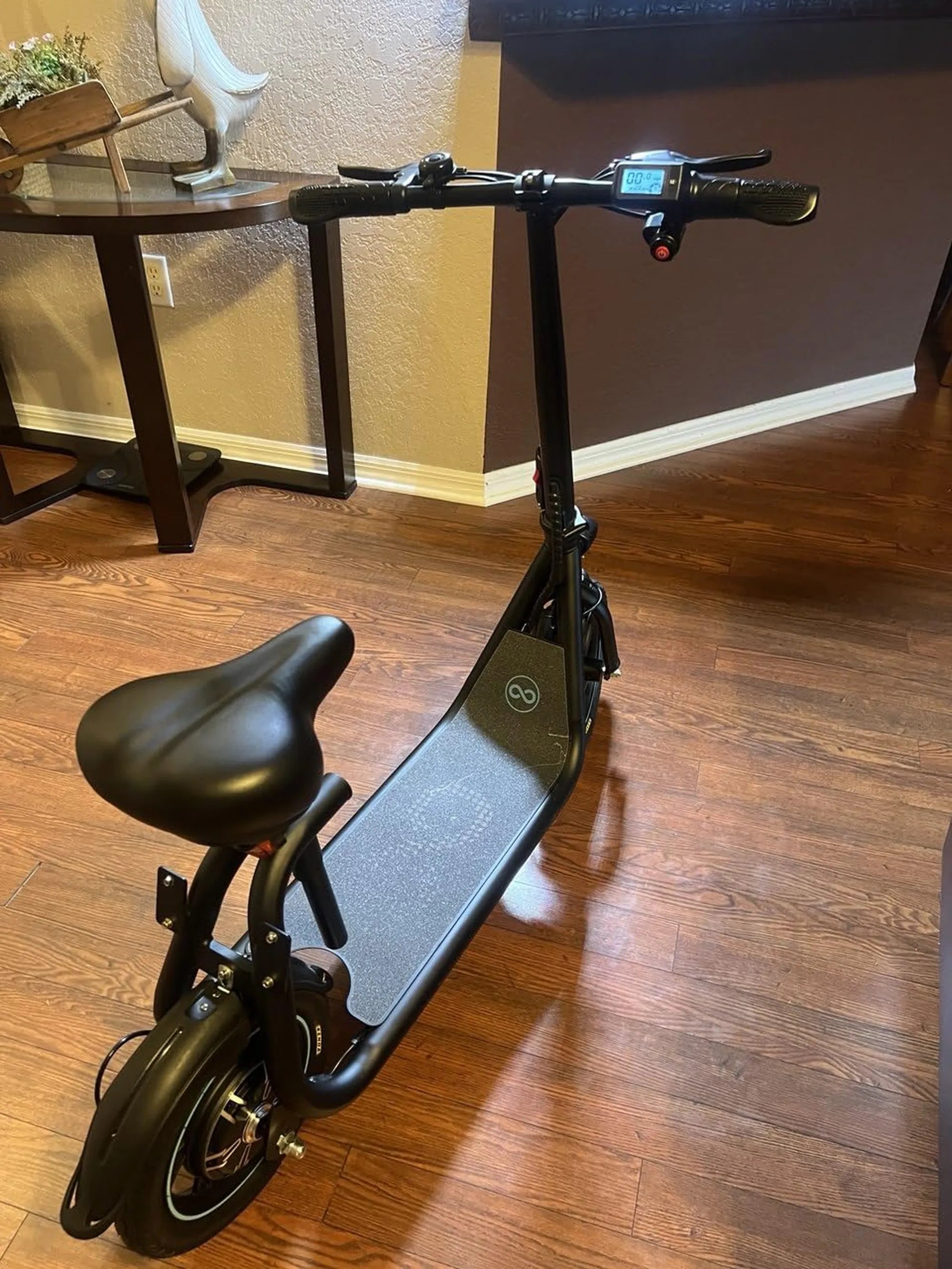
Introduction: Conquering the Unpaved Path
An off-road electric scooter is engineered to conquer terrain where pavement ends. It transforms dirt trails, gravel paths, grassy fields, and gentle slopes from obstacles into invitations for adventure, exploration, and practical utility. For adults seeking to expand their mobility beyond city blocks, the right rugged scooter offers unmatched freedom.
This guide cuts through the marketing to explain the critical features that define true off-road capability. You will learn how to decode specifications, compare models based on hard data, and select a scooter that matches your specific terrain and riding ambitions. We'll reference the engineering principles behind durable brands like Gyroor, a leader in personal electric transport trusted by over 100,000 riders for its focus on safety and reliability.
What Makes an Electric Scooter Truly "Off-Road"?
Not all scooters labeled "off-road" are built equally. Transitioning from smooth asphalt to unpredictable terrain demands specific engineering. True off-road electric scooters for adults integrate a suite of features designed for durability, traction, and control under demanding conditions.
The core difference lies in managing impact and maintaining grip. Pavement scooters prioritize compact size and weight, while off-road models are built to absorb shocks, deliver high torque, and resist the elements. Let's dissect the essential components.
Tire Technology: Air vs. Solid, Size, and Tread
Tires are your primary contact with the ground and the first line of defense against rough terrain. Off-road models feature large-diameter tires, typically 10 inches or more. This larger size rolls over obstacles more easily and provides greater ground clearance.
The debate often centers on pneumatic (air-filled) versus solid (airless) tires. Pneumatic tires offer superior shock absorption and traction, conforming to uneven surfaces for a smoother ride. However, they risk punctures. Solid tires eliminate flats but provide a harsher ride and can offer less grip on loose surfaces like deep gravel or mud. Aggressive, deep tread patterns are non-negotiable for digging into soft or loose terrain.
Motor Power and Torque: The Heart of the Hill
Wattage tells only part of the story. While a 250W motor might suffice for flat city streets, true off-roading requires substantial power and, more importantly, torque. Torque is the rotational force that gets you moving from a stop and powers up inclines.
For moderate trails, a single 500W to 800W motor is a good starting point. For steep hills, sandy paths, or muddy conditions, look for motors rated at 1000W or higher. The ultimate configuration for the toughest terrain is a dual-motor system, effectively providing all-wheel drive. This delivers immense torque and superior traction, allowing you to climb grades of 30 degrees or more.
Suspension Systems: Smoothing Out the Bumps
A robust suspension system is critical for rider comfort and scooter longevity. It absorbs the impact from roots, rocks, and potholes that would otherwise be transmitted directly to the frame and the rider. Effective suspension improves control and reduces fatigue.
Systems range from basic spring or rubber suspensions to advanced hydraulic or oil-spring combinations. Dual suspension—having both a front and rear shock absorber—is the gold standard for off-road riding, managing impacts at both wheels for a balanced, stable ride over consecutive bumps.
Build Quality and Water Resistance
The frame must withstand constant vibration and impact. High-grade aluminum alloy is common for its strength-to-weight ratio. Look for reinforced welding at stress points and a wide, textured deck for secure footing.
Water and dust resistance is quantified by an IP (Ingress Protection) rating. A rating of IPX5, like those found on Gyroor scooters, means the unit can withstand water jets from any direction, making it safe to ride through puddles and in light rain. Braking systems must also be robust; hydraulic or dual disc brakes provide the consistent, powerful stopping force needed on loose or downhill terrain.
Top Contenders: Key Models and Capabilities Compared
To make an informed choice, you must compare specifications against intended use. The following breakdown categorizes scooters by their performance profile, helping you identify which class aligns with your adventure goals.
Comparison Table: Power, Range, and Terrain Suitability
| Model Type | Motor Power | Max Range* | Top Speed | Tire Size/Type | Suspension | Ideal Terrain |
|---|---|---|---|---|---|---|
| Entry-Level Trail | Single 500W | 18-22 mi | 19 mph | 10" Pneumatic | Front Spring | Packed dirt, gravel paths, grass |
| Balanced Trailblazer (e.g., Gyroor Z8) | Single 800W | 25-30 mi | 24 mph | 10" Air-Filled | Dual Spring | Forest trails, moderate hills, uneven pavement |
| High-Power Off-Road | Dual 1000W (2000W total) | 28-35 mi | 34 mph | 11" Off-Road Pneumatic | Hydraulic + Spring | Steep inclines, rocky paths, sand |
| Mountain Conqueror (e.g., Gyroor X8 Pro) | Dual 1200W (2400W peak) | 35-40 mi | 38 mph | 11" Off-Road Tires | Full Hydraulic | Mountain trails, deep gravel, challenging technical terrain |
*Range varies based on rider weight, terrain, temperature, and speed.
The Balanced Trailblazer (Mid-Range Power)
This category represents the sweet spot for most adult recreational riders. Scooters like the Gyroor Z8 offer a robust 800W motor, providing ample torque for hills and acceleration off the line. With a range of 25-30 miles and a top speed around 24 mph, they balance performance with practicality.
Dual spring suspension and 10-inch air-filled tires effectively smooth out trail chatter and smaller obstacles. This build is ideal for riders exploring park trails, unpaved bike paths, and rural commutes. It delivers authentic off-road capability without the extreme weight or price of dual-motor beasts, and includes peace-of-mind features like a UL-certified battery and a comprehensive 1-year warranty.
The Mountain Conqueror (High-Power & Dual Motor)
For riders who seek the summit, this category is defined by extreme power and uncompromising construction. Models like the Gyroor X8 Pro feature dual 1200W motors, generating a peak output of 2400W for conquering grades over 35 degrees. The all-wheel-drive traction is invaluable in mud, sand, or on loose scree.
Full hydraulic suspension and large 11-inch off-road tires work in concert to tame the rockiest terrain. With a top speed nearing 40 mph and a range extending to 40 miles, these scooters are for serious adventurers. The build quality is paramount, featuring aircraft-grade aluminum frames and advanced battery management systems for sustained high-power output and safety.
Choosing Your Rugged Ride: A Buyer's Checklist
Armed with technical knowledge, the next step is a personal assessment. This checklist will help you translate features into a decision that fits your life.
Assess Your Primary Terrain and Use Case
Be specific about where you'll ride most often. Is it hard-packed forest service roads, or technical single-track with roots and rocks? Will you navigate sandy beach access paths? Your primary terrain dictates priorities: sandy and loose conditions demand maximum torque and wide tires, while rocky trails require superior suspension and ground clearance.
Also, consider use case: pure weekend adventure, or a mixed-use commute that includes off-road shortcuts? A mixed-use rider might prioritize a slightly more portable design or a smoother ride mode for pavement segments.
Prioritizing Performance vs. Portability
Off-road capability comes with mass. High-power motors, large batteries, and sturdy frames result in scooters weighing from 45 to over 70 pounds. Consider how you will transport and store it.
Does it need to fit in a car trunk? Most quality off-road models have a folding stem, but the weight is a factor when lifting. If you have stairs at home or plan to use public transit as part of a journey, a lighter model (even with slightly less power) may be the wiser long-term choice for daily use.
Safety and Compliance Considerations
Off-roading inherently carries more risk. Investing in a full-face mountain biking helmet, knee pads, and elbow pads is strongly recommended. Gloves are also a good idea.
Check local regulations regarding electric scooter use on public trails, as rules vary widely by municipality, state, and park system. Purchasing from a brand that adheres to strict safety standards is a critical compliance step. Gyroor's use of UL-certified battery packs, for example, ensures the energy source meets rigorous independent testing standards for fire and electrical safety—a non-negotiable for any vehicle.
Beyond the Purchase: Maintenance and Riding Tips for Longevity
A quality off-road scooter is an investment. Proper care and technique will ensure it delivers years of reliable service, fulfilling the promise of its rugged design.
Post-Ride Cleaning and Inspection Routine
After a muddy or dusty ride, a basic clean-up is essential. Use a damp cloth to wipe down the deck, stem, and undercarriage, removing debris that could trap moisture or interfere with moving parts. Check tire pressure regularly, as proper inflation is key for pneumatic tire performance and preventing pinch flats.
Periodically inspect brake pads for wear, ensure all bolts (especially on the stem and folding mechanism) are tight, and verify that no water has entered the charging port or deck seams. A quick five-minute inspection can prevent major issues.
Battery Care for Maximum Lifespan
Lithium-ion batteries perform best with partial, rather than full, discharge cycles. Avoid routinely draining the battery to 0%; try to recharge when it reaches 20-30%. Similarly, don't leave it plugged in at 100% for days on end.
Store the scooter in a cool, dry place, avoiding extreme heat or freezing temperatures for extended periods. If storing for more than a month, leave the battery charge at around 60%. Gyroor's UL-certified packs include built-in battery management systems (BMS) that protect against overcharge, deep discharge, and short circuits, but user care extends the pack's life well beyond its 500+ cycle rating.
Mastering Off-Road Riding Techniques
On rough terrain, stand with knees slightly bent, using your legs as additional suspension. Keep your weight centered or slightly back when descending. Apply throttle and brakes smoothly and progressively; sudden inputs can cause loss of traction on loose surfaces.
When approaching an obstacle like a root or rock, a slight lift of the front wheel (by shifting weight back and a gentle tug on the handlebars) can help roll over it smoothly. Always scan the path ahead to pick the best line and avoid the largest hazards.
Frequently Asked Questions (FAQ)
Q: Can I use an off-road electric scooter on pavement?
A: Absolutely. Off-road scooters perform perfectly on pavement, often offering a more comfortable ride due to their superior suspension and tires. You can switch to a lower speed mode for efficient pavement cruising.
Q: How often do off-road scooter tires need to be replaced?
A> It depends on mileage and terrain. Aggressive riding on abrasive surfaces will wear tread faster. Inspect tires monthly for significant tread wear or sidewall damage. Pneumatic tires may need replacement every 500-1000 miles under normal use, while solid tires last much longer but should be checked for cracking.
Q: What does the IPX5 water resistance rating mean?
A: An IPX5 rating means the scooter is protected against water jets from any direction. It can handle heavy rain, puddles, and being rinsed off. However, it is not submersible. Avoid deep standing water that could submerge the deck.
Q: Is the 1-year warranty from Gyroor valid for off-road use?
A: Yes. Gyroor's warranty covers defects in materials and workmanship under normal use, which includes the intended off-road operation of their rugged models. It's a testament to their confidence in the build quality of products designed for adventure.
Q: Are off-road electric scooters difficult to assemble?
A> Most arrive 90-95% assembled. Typically, you only need to attach the handlebar to the stem and secure it with a few bolts, a process taking 10-15 minutes with the included tools. Always double-check that all fasteners are tight before your first ride.
Conclusion: Your Adventure Awaits
Selecting the best off-road electric scooter for adults is an exercise in matching formidable engineering to your personal vision of adventure. The right rugged ride extends your world, turning unexplored paths into destinations. Prioritize the core pillars of capability: ample power and torque, a suspension system that can absorb impacts, tires that provide real traction, and a build quality that inspires confidence mile after mile.
Brands that stand behind their products with rigorous safety certifications and strong warranties, like Gyroor with its UL-certified batteries and IPX5 water-resistant designs, offer more than a vehicle—they offer a reliable partner for exploration. Your journey beyond the pavement starts with an informed choice.
Ready to define your own path? Browse the full collection of high-performance, durable off-road electric scooters and e-bikes at gyroorboard.com.
Top Electric Scooters for Adults 2025: The Ultimate Guide
Top 5 Best Electric Scooters for Urban Commuters in 2024: The Ultimate Guide