


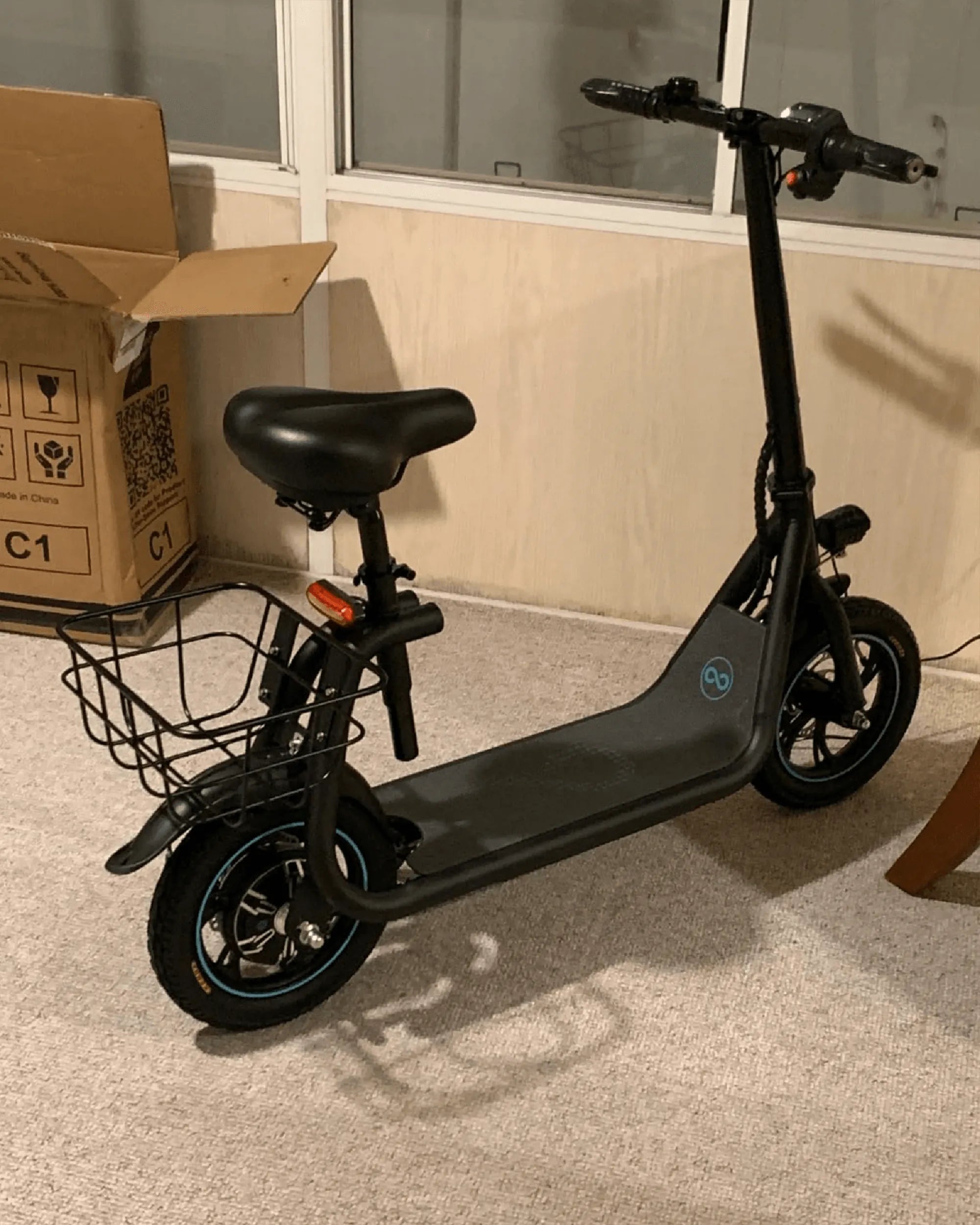
Finding the best place to buy a mobility scooter is a critical decision that directly impacts your independence, safety, and long-term satisfaction. This purchase is not merely a transaction; it's an investment in personal freedom. The right retailer provides more than a product—they offer expert fitting, reliable after-sales support, and assurance that your scooter is a safe, durable companion. This guide cuts through the noise, providing a detailed, evidence-based analysis of every major purchasing channel. You will learn to evaluate retailers on service, total cost, product certifications, and warranty strength, empowering you to make a confident choice that balances convenience with comprehensive support.
Understanding Your Retailer Landscape: A Data-Driven Breakdown
The mobility scooter market is served by distinct retail models, each with unique advantages and trade-offs. Your ideal channel depends heavily on your priorities: hands-on service versus maximum selection, immediate support versus lowest upfront cost. The following sections provide a granular comparison to clarify these options.
Local Medical Supply Stores & Specialty Dealers
Local brick-and-mortar dealers represent the traditional, service-intensive model for acquiring mobility equipment. These establishments specialize in assistive devices and employ certified ATPs (Assistive Technology Professionals) who conduct professional fittings. The primary advantage is personalized, in-person service. You can test-ride multiple models on different surfaces, receive expert adjustment for seat height and tiller angle, and have the scooter assembled and delivered by professionals.
However, this high-touch service model carries costs. Inventory is often limited to a few major brands, and prices typically include a significant margin to cover showroom overhead and staff expertise. A 2023 industry analysis suggested prices at local specialty dealers can be 15-25% higher than direct online prices for equivalent models. The value proposition lies in the bundled service and immediate local support for repairs and adjustments.
Online Marketplaces (Amazon, Walmart.com)
Major online marketplaces offer vast selection and highly competitive pricing, making them a compelling option for cost-conscious buyers. The sheer scale allows for price comparison across dozens of sellers for the same model. Convenience is paramount; purchase and delivery are handled with a few clicks, often with fast shipping options. These platforms also provide aggregated customer reviews, which can offer valuable peer insights.
The critical downsides revolve around service fragmentation. Sellers range from authorized distributors to third-party liquidators, creating variability in warranty honorability and support quality. Professional assembly and fitting are absent, placing the burden on the user or a local handyman. Returns for large, heavy items like mobility scooters can be logistically challenging and costly. For complex products requiring technical support, navigating through marketplace seller help desks can be a frustrating experience compared to dealing directly with a brand or specialized dealer.
Direct from Manufacturer Websites
Purchasing directly from a manufacturer's website, such as Gyroor, Pride Mobility, or Drive Medical, offers a balanced middle ground. This channel ensures you receive a genuine product with full manufacturer warranty support, cutting out intermediary markups. Brands often showcase their latest models and full accessory lineups here first. Customer service teams are typically brand-trained, providing more knowledgeable support than general marketplace sellers.
A key consideration is the need for user assembly, which usually involves attaching the battery, connecting the tiller, and mounting the seat. Reputable brands provide clear instructions and tools. The other factor is service; while warranty claims are handled directly, physical repairs may require finding a local authorized service center. Brands like Gyroor mitigate this by maintaining networks of service partners and offering comprehensive support documentation, making direct purchase a strong option for those comfortable with minor setup.
Big-Box Retailers & Warehouse Clubs
Warehouse clubs like Costco and Sam's Club, along with some large general retailers, have entered the mobility market, often with attractive value bundles. Their model leverages bulk purchasing to offer competitive package deals that may include the scooter, a battery charger, and a weather cover. The most significant advantage is typically a generous, no-questions-asked return policy, providing exceptional purchase peace of mind.
The trade-off is a lack of specialized expertise. Staff are generally not trained as mobility specialists, so professional fitting advice is minimal or nonexistent. Product selection is narrow, focusing on a few high-volume models. After-sales service for repairs is usually outsourced to a third-party network, which can add layers to the support process. This channel suits buyers who prioritize a strong return safety net and bundle value over specialized pre-sale consultation.
Critical Evaluation Criteria: Your Retailer Checklist
Beyond the type of retailer, specific evaluative factors determine whether a seller is truly the best place to buy a mobility scooter for your situation. Apply this checklist to any retailer you consider.
Service & Support Infrastructure
Post-purchase support is the most significant differentiator between a good and bad retail experience. Investigate the warranty in detail: Does it cover both parts and labor? What is the duration for the frame, electronics, and battery? Reputable retailers and manufacturers offer clear, comprehensive warranties. For example, Gyroor provides a 1-year comprehensive warranty on the entire scooter, with support handled by their US-based team.
Equally important is repair logistics. Does the retailer have in-house service technicians or a network of authorized local repair centers? Ask about loaner scooter policies for lengthy repairs. Test customer service responsiveness before buying by calling or emailing with a pre-sales question. A retailer's commitment to support is a direct indicator of their confidence in product quality and customer commitment.
The Non-Negotiable: Trial and Professional Fitting
A mobility scooter is a deeply personal device; proper fit is essential for comfort, control, and safety. Local dealers offer the gold standard: in-person test rides and adjustments by a professional. If buying online, scrutinize the trial and return policy. Some direct manufacturers and reputable online sellers offer a 14-30 day "at-home trial" period, allowing you to test the scooter in your actual environment, though you are often responsible for return shipping costs, which can be substantial.
Key fitting aspects a professional assesses include seat dimensions (width and depth), armrest height, tiller angle adjustment for arm comfort, and legroom. An improper fit can lead to poor posture, discomfort, and even reduced stability. Whether through an in-store visit or a robust home trial policy, ensuring the scooter fits your body and living space is a step you cannot afford to skip.
Total Cost of Ownership Analysis
The sticker price is only the beginning. An honest comparison requires calculating the Total Cost of Ownership (TCO). Create a simple spreadsheet to compare final out-the-door costs. Include the base price, any sales tax, shipping or delivery fees (which can exceed $200 for freight shipping), and assembly charges (often $50-$150 if not included).
Then, project potential future costs. Will you need to purchase accessories like a weather canopy, rear basket, or upgraded comfort seat separately? What are the expected costs for routine maintenance or potential out-of-warranty repairs? A retailer with a slightly higher upfront cost but inclusive delivery, assembly, and a strong local service network may offer a lower TCO over three to five years than a bare-bones online seller.
Why Product Safety and Brand Integrity Are Paramount
The retailer you choose dictates the quality and safety standards of the product you receive. Reputable sellers partner with brands that adhere to rigorous manufacturing and component certifications, which are non-negotiable for a device responsible for your mobility.
The Essential Role of UL Certification and Durability Ratings
The lithium-ion battery pack is the heart and most safety-critical component of any electric mobility scooter. Insist on products featuring batteries with UL (Underwriters Laboratories) certification, such as those used across the Gyroor lineup. UL 2271 certification specifically tests for electrical, mechanical, and environmental safety, drastically reducing risks of thermal runaway or fire. This is a fundamental benchmark that separates responsible manufacturers from cut-rate producers.
Durability is equally crucial. Look for IP (Ingress Protection) ratings that indicate resistance to dust and water. An IPX5 rating, common on quality scooters like those from Gyroor, means the scooter can withstand water jets from any direction, allowing for safe use in light rain and ensuring longevity. A retailer that highlights these certifications is signaling a commitment to selling safe, reliable products.
Decoding Warranty Strength and Support Origin
A warranty is a promise. The strength of that promise depends on who backs it. A robust warranty from the manufacturer itself (like Gyroor's 1-year warranty) means support comes directly from the engineers who built the product. In contrast, some marketplace sellers offer third-party warranties administered by separate insurance companies, which can involve more claims friction and less product-specific expertise.
Examine the warranty's scope. Does it cover wear items like tires? What is the process for a claim? Is there a dedicated support hotline or email? Brands that stand behind their products make support accessible and straightforward. This direct accountability between manufacturer and consumer, often facilitated by buying direct or through an authorized dealer, is a hallmark of a quality purchase channel.
Retailer Comparison Table: Key Factors at a Glance
| Retailer Type | Avg. Price Point | Key Advantage | Primary Drawback | Best For |
|---|---|---|---|---|
| Local Medical Dealer | Highest | Professional fitting & in-person service | Limited selection, highest markup | Those prioritizing hands-on support & fitting |
| Online Marketplace | Lowest | Maximum selection & competitive pricing | Fragmented support, self-assembly | Tech-savvy buyers seeking the lowest upfront cost |
| Direct from Manufacturer | Medium | Brand authenticity & direct warranty | Requires self-assembly | Buyers valuing brand relationship & clear support |
| Big-Box/Warehouse Club | Medium-Low | Strong return policy & bundle value | Lacks specialized expertise | Value-focused shoppers who want purchase security |
A Step-by-Step Decision Framework
Follow this actionable sequence to narrow down the best place to buy a mobility scooter for your specific needs.
Step 1: Self-Assessment. Define your non-negotiable needs: Budget range, required scooter type (travel, mid-size, full-size), must-have features (range, weight capacity, portability). Be honest about your technical comfort level for assembly and troubleshooting.
Step 2: Research & Shortlist. Identify 2-3 specific scooter models that meet your specs. Then, for each model, identify all available retailers using the channels discussed. Note their prices, warranty terms, and shipping/delivery details.
Step 3: Vet the Retailers. For each retailer on your shortlist, conduct due diligence. Check their Better Business Bureau rating and read third-party reviews on sites like Trustpilot. Contact their customer service with a specific question to gauge responsiveness. Verify authorized dealer status if buying from a third party.
Step 4: Calculate TCO & Value. Build your Total Cost of Ownership comparison. Factor in all costs from Step 2. Assign value to intangible benefits: What is professional fitting worth to you? What is the value of having a local repair shop versus mailing components for service?
Step 5: Execute with Confidence. Make your purchase from the retailer that offers the optimal balance of cost, service, and security for your profile. Ensure you understand the return policy and warranty registration process before completing the transaction.
Frequently Asked Questions (FAQ)
Is it truly cheaper to buy a mobility scooter online?
The upfront purchase price is often lowest on major online marketplaces due to intense competition. However, "cheaper" must account for the Total Cost of Ownership. Add shipping fees, potential assembly costs, and the future expense and hassle of sourcing repairs without local support. For some, the lower sticker price justifies these trade-offs. For others, the bundled services of a local dealer provide better long-term value and lower lifetime cost.
What should I do if my online-purchased scooter needs repair?
First, contact the seller's customer service and reference your warranty. If the seller is unresponsive or unable to help, contact the manufacturer directly with your proof of purchase; many will honor the warranty regardless of the authorized seller. For out-of-warranty repairs or if the manufacturer is overseas, search for a local independent mobility repair shop. Before buying online, researching local repair options is a prudent step.
Are extended warranties from retailers worth the investment?
It depends on the source. An extended warranty sold and administered by the manufacturer or a highly reputable dealer can be valuable for peace of mind, especially on complex electronics. However, third-party extended warranties sold at checkout on marketplaces are often profit centers with many exclusions and claims hurdles. Carefully read the terms, and consider setting aside the warranty cost in a savings fund for potential future repairs instead.
How can I verify an online seller's reputation before purchasing?
Go beyond the platform's built-in reviews. Search for the seller's business name plus terms like "complaint," "review," or "BBB." Check their rating on the Better Business Bureau website. Look for patterns in reviews: Are complaints about unresponsive service or denied warranties common? A seller with a long history, a physical address, and a direct phone number is generally more reliable than a storefront with no identifiable business details.
Can I get a mobility scooter through insurance or Medicare?
Medicare Part B may cover a portion of the cost for a power-operated vehicle (POV) or scooter if you meet strict eligibility criteria: a medical need for mobility within the home, inability to perform Activities of Daily Living (ADLs), and a face-to-face examination and written prescription from a doctor. The process is lengthy and requires using a Medicare-enrolled supplier. Private insurance may have similar but varying requirements. Most personal purchases for primarily outdoor use do not qualify.
Securing Freedom with Confidence
Identifying the best place to buy a mobility scooter is a strategic process that balances immediate needs with long-term security. The ideal retailer aligns with your personal priorities—whether that's the expert guidance of a local specialist, the cost efficiency of a direct brand purchase, or the convenience of a major online platform. The core tenets remain unchanged: prioritize retailers that offer clear support pathways, sell products with verifiable safety certifications like UL-approved batteries, and provide transparent warranty terms. Your mobility scooter is a key to independence; purchasing it from a reputable source ensures that key turns smoothly for years to come. For those valuing a direct relationship with a manufacturer known for rigorous safety standards and comprehensive customer support, exploring a trusted brand's offerings is a logical step.
Discover engineering-built for reliability and backed by dedicated US-based support. Browse the full Gyroor collection at gyroorboard.com to explore mobility solutions designed with safety, durability, and rider freedom as the foremost priorities.
50cc Scooter Battery Price: A Complete Cost & Buying Guide
90 90-12 Scooter Tire: The Complete Guide to Performance & Safety