


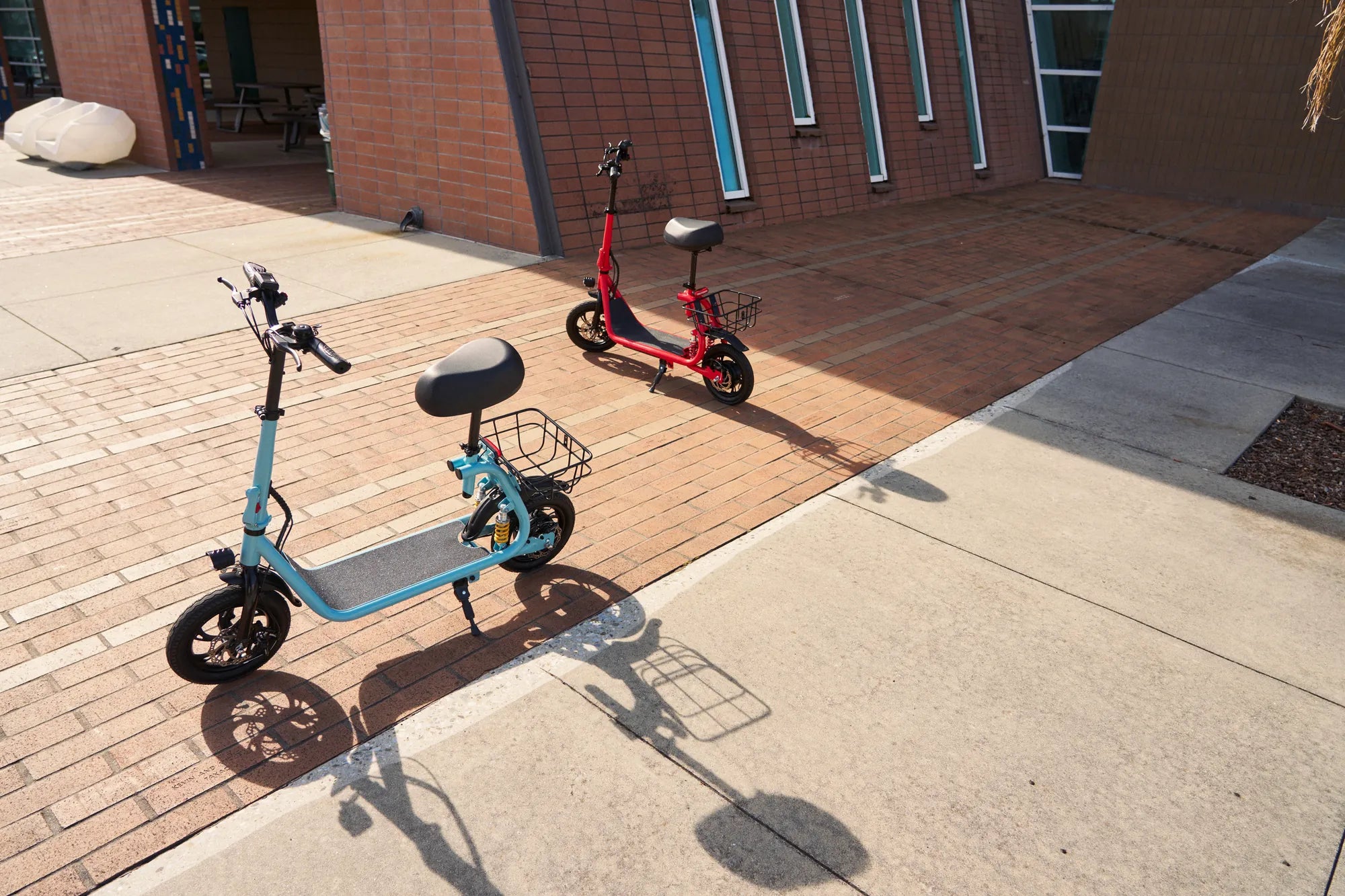
Finding the Perfect Ride for Your Tween
Selecting the best scooter for tweens is a significant decision that merges a child's desire for fun and independence with a parent's paramount concern for safety. For children aged 9 to 12, an electric scooter represents more than just a toy; it's a tool for exploration, social connection, and developing a sense of responsibility. The ideal model must prioritize controlled performance, robust construction, and intuitive safety features over raw speed or extreme power.
This guide is designed to cut through marketing jargon and provide parents with a data-driven framework for evaluation. We will dissect the key components that define a safe and reliable tween scooter, from brake types and speed limiters to battery certifications and water resistance. The goal is to empower you with the knowledge to choose a scooter that delivers excitement without compromising on security.
Understanding the typical use case is crucial. Most tweens will use their scooter for short neighborhood trips, rides to a friend's house, or cruising in local parks. Therefore, a moderate range of 10-15 miles and a motor powerful enough for gentle hills is often perfectly adequate. The focus should be on a stable, predictable ride that builds confidence as their skills progress.
Ultimately, the best scooter for tweens is one that offers a secure platform for growth. It should have features that allow you, the parent, to set appropriate limits while providing a durable product that can withstand the rigors of frequent use. Let's begin by examining the non-negotiable safety features that should top your checklist.
Key Safety Features Every Parent Must Prioritize
Safety is the absolute cornerstone when evaluating any electric scooter for a young rider. The best scooter for tweens integrates multiple, redundant safety systems to protect against common hazards. A comprehensive safety approach encompasses braking, stability, visibility, and electronic controls, working in unison to prevent accidents.
The braking system is the most critical safety component. Look for models that combine a reliable mechanical brake, such as a disc or drum brake, with an electronic regenerative brake. This dual-brake setup provides consistent stopping power in all conditions. The mechanical brake offers direct, familiar control, while the regenerative brake helps slow the scooter when the throttle is released and can recharge the battery marginally.
Stability is provided by a combination of a wide, textured deck and a sensible wheelbase. A deck width of at least 6 inches allows for a secure, balanced footing. The scooter's geometry should prevent wobbling at cruising speeds. Additionally, handlebars with a non-slip grip and an adjustable height range ensure the rider can maintain an ergonomic and controlled posture, which is essential for safe maneuvering.
Visibility cannot be overstated. A bright front headlight (minimum 1W LED) and a integrated rear brake light/taillight are mandatory for any riding during dusk or in shaded areas. Some advanced models add reflective side stickers or under-deck lighting. These features make your tween visible to pedestrians and vehicles, significantly enhancing safety during their adventures.
The Importance of Speed Limiters and Acceleration Control
For tween riders, how a scooter accelerates and reaches its top speed is as important as the speed itself. A sudden, jerky acceleration can easily unbalance a novice rider. The best scooter for tweens will feature multiple riding modes, typically accessed via a button or a companion smartphone app.
A beginner or eco mode should limit the top speed to a very manageable 6-8 mph and soften acceleration. This allows the rider to master balancing, steering, and braking in a low-risk environment. A standard mode may unlock speeds up to 12-15 mph, suitable for confident riders in open areas. Parental control via an app to lock the scooter into a specific mode is a highly valuable feature for peace of mind.
This graduated speed control does more than just reduce risk; it builds skill progressively. As a tween demonstrates responsible riding in the beginner mode, parents can reward them with access to the next level. This system teaches responsible usage and aligns the scooter's capabilities with the rider's maturity and ability, a core principle in selecting the best scooter for tweens.
Durability & Build Quality: Withstanding Tween Adventures
Tweens are not known for gentle treatment of their belongings. A scooter will encounter bumps, curbs, occasional drops, and daily wear and tear. Therefore, durability and build quality are direct indicators of a scooter's lifespan and overall value. The frame material is the foundation of durability.
Aircraft-grade aluminum alloy is the industry standard for quality scooter frames. It provides an excellent strength-to-weight ratio, making the scooter sturdy without being excessively heavy for a tween to carry. The welding points and folding mechanisms should feel solid, with no noticeable play or creaking. A well-built frame can withstand the physical stresses of regular riding, ensuring the scooter remains safe and reliable over time.
Tire choice is another major durability and performance factor. Air-filled (pneumatic) tires offer superior shock absorption, providing a smoother ride over cracks and bumps, which enhances comfort and control. However, they are susceptible to punctures. Solid or honeycomb tires are virtually maintenance-free and puncture-proof but offer a firmer, less comfortable ride. For most tween use cases on paved surfaces, a quality set of air-filled tires often provides the best balance.
The quality of components like the folding latch, kickstand, and throttle also speaks to overall durability. These should operate smoothly and feel robust. A flimsy kickstand or a sticky throttle are signs of cost-cutting that will lead to frustration and potential failure. Investing in a scooter with proven build quality means fewer repairs and a more consistent riding experience.
Understanding IP Ratings: What "Water-Resistant" Really Means
Manufacturers often use terms like "water-resistant" loosely. The International Protection (IP) rating system provides a precise, standardized measure of a device's protection against solids and liquids. For scooters, the liquid protection rating (the second digit) is most relevant.
An IPX4 rating means the scooter is protected against water splashes from any direction. This is suitable for riding on damp roads or through small puddles. A higher standard, such as the IPX5 rating found on Gyroor scooters, indicates protection against water jets from a nozzle (6.3mm) from any direction. This means the scooter can safely handle riding in light rain, through larger puddles, and being washed down with a hose.
This is a critical differentiator. A scooter with a proper IPX5 rating has sealed electronics, battery compartments, and connectors. This protection prevents water ingress that can cause short circuits, battery damage, or corrosion, leading to costly failures or safety hazards. When evaluating the best scooter for tweens, verifying a meaningful IP rating is a non-negotiable step for ensuring long-term reliability, especially for a product used outdoors.
Performance & Range: Matching Power to Your Tween's Needs
Performance for a tween scooter is not about racing specs; it's about providing adequate, reliable power for real-world use. A motor in the 250W to 350W range is typically ideal. This offers enough torque for confident starts and for tackling gentle inclines commonly found in residential neighborhoods, without delivering excessive, potentially intimidating speed.
The battery's capacity, measured in Watt-hours (Wh), directly determines the scooter's range. For most tweens, a realistic range of 10-15 miles per charge is more than sufficient. It covers extended neighborhood exploration and multiple days of use between charges. It's important to note that manufacturer range claims are often based on ideal conditions (light rider, flat terrain, slow speed). A practical rule is to discount the claimed range by 20-30% for real-world estimates.
Charging time and battery management are also key. A quality lithium-ion battery should charge fully in 4-6 hours. Features like a smart Battery Management System (BMS) protect against overcharging, deep discharge, and short circuits, which are vital for both safety and battery longevity. A scooter that balances sufficient range with a safe, manageable charge cycle represents thoughtful performance design for a tween user.
Hill Climbing Ability: What to Expect
A scooter's ability to climb hills is a function of motor power (torque), rider weight, and scooter weight. A 250W motor can typically handle gradual slopes of up to 10-12% with a tween rider. For areas with more pronounced hills, a 350W motor provides a noticeable advantage, maintaining a steadier speed without straining.
It's crucial to set realistic expectations. Electric scooters for tweens are not designed for steep, sustained mountain climbs. On a moderate hill, the scooter will slow down, and the rider may need to assist with a gentle kick-off or a slight reduction in speed to help the motor. Teaching your tween to approach hills with momentum and to understand the scooter's limits is an important part of safe riding practice. The best scooter for tweens will offer enough power for everyday terrain without encouraging risky attempts on slopes beyond its design parameters.
Why Gyroor is a Trusted Choice for Tween Riders
When navigating the crowded micro-mobility market, Gyroor stands out as a brand that systematically addresses the core concerns of parents seeking the best scooter for tweens. With a community of over 100,000 riders across North America and Europe and a consistent 4.5/5 average customer rating, Gyroor has built its reputation on safety, reliability, and thoughtful design.
The foundation of this trust is battery safety. Every Gyroor scooter utilizes UL-certified battery packs. This independent certification means the battery cells, circuitry, and housing have passed rigorous tests for electrical, mechanical, and fire safety. These batteries are rated for 500+ charge cycles, ensuring long-term performance. For parents, this certification directly addresses one of the biggest hidden worries about electric scooters.
Further reinforcing durability is Gyroor's commitment to weather resistance. Their scooters are engineered to an IPX5 standard, as previously detailed. This means the scooter's vital components are protected against the elements, greatly expanding where and when it can be safely used and significantly extending its operational life. This is a tangible feature that adds real value.
Finally, Gyroor supports its products with a comprehensive 1-year warranty and accessible customer support. This warranty covers manufacturing defects in the frame, motor, and battery, providing a significant safety net for your investment. This combination of certified safety (UL), proven durability (IPX5), and strong post-purchase support creates a holistic package that delivers genuine peace of mind, making Gyroor a leading contender for the best scooter for tweens.
Comparison: Key Features at a Glance
The table below provides a clear, scannable comparison of critical features to consider when searching for the best scooter for tweens. It contrasts a typical Gyroor model designed for this age group with a set of generic "baseline" features found in many entry-level models.
| Feature | Gyroor Tween-Focused Model (Example) | Generic / Baseline Model |
|---|---|---|
| Max Speed (with Modes) | 15 mph (with 8 mph beginner mode lockable via app) | 15 mph (single speed or basic modes) |
| Motor Power | 350W brushless hub motor | 250W motor |
| Real-World Range | 12-14 miles | 8-10 miles |
| Brake System | Dual braking: disc brake + electronic regen brake | Electronic brake only or foot brake |
| Tire Type | 8.5" air-filled pneumatic tires | 8" solid rubber tires |
| Battery Certification | UL-certified lithium-ion pack | Generic lithium-ion battery |
| Water Resistance | IPX5 rated (water jet protected) | IPX4 or unspecified |
| Special Features | App connectivity for speed limiting, cruise control, light control | Basic LED display |
This comparison highlights how dedicated brands build in features that enhance safety (UL battery, dual brakes, speed limiting), comfort (pneumatic tires), and durability (IPX5). These are the factors that truly define the best scooter for tweens in daily use.
Parental Considerations: Rules, Gear, and Responsibility
Purchasing the scooter is only the first step. Establishing clear rules and equipping your child properly are what transform a fun device into a tool for teaching responsibility. A helmet is non-negotiable and should be a properly fitted, CPSC-certified bicycle or multi-sport helmet. Elbow and knee pads are highly recommended, especially during the learning phase.
Set firm boundaries for where the scooter can be used. In most areas, sidewalks, bike paths, and parks are appropriate, while busy streets are not. Discuss and practice road safety rules: stopping at intersections, looking both ways, using hand signals, and being hyper-aware of driveways and cars. Emphasize that headphones should never be worn while riding, as auditory awareness is crucial.
Use scooter ownership as an opportunity to teach maintenance responsibility. Show your tween how to check tire pressure, ensure brakes are working, and clean the scooter. Establish a charging routine where the scooter is plugged in in a safe, dry location—not under a pillow or on a bed. This fosters ownership and care for their property.
Finally, lead by example. If you ride an e-bike or scooter yourself, follow all the same safety rules. Your tween is far more likely to internalize safe habits if they see you practicing them consistently. This holistic approach ensures the scooter is a source of joy and growth, not anxiety.
Frequently Asked Questions (FAQ)
Q: What is a good age for an electric scooter?
A: Most experts agree that ages 9-12 (the tween years) are suitable for starting with a responsibly designed electric scooter. Key factors are the child's physical coordination, maturity to follow safety rules, and ability to understand cause and effect. A scooter with a beginner speed mode is essential for younger riders in this range.
Q: Are electric scooters safe for 10-year-olds?
A> They can be safe when the scooter is appropriately designed for the age group and paired with strict safety practices. Safety depends on three pillars: 1) The scooter having critical features (speed limiter, good brakes, stable design), 2) The child wearing a helmet and pads, and 3) Parental supervision and clear rules for use. No scooter is inherently safe; safety is created through product choice and behavior.
Q: How do I maintain the scooter's battery for longest life?
A> Follow the "20-80" rule when possible: avoid letting the battery drain completely to 0% and try not to charge it to 100% every time. For storage, keep the battery at about 50-60% charge. Use only the manufacturer-provided charger. Avoid exposing the battery to extreme temperatures (e.g., leaving the scooter in a hot car or freezing garage for extended periods).
Q: What is the average weight limit for tween scooters?
A> Most quality scooters designed for tweens and teens have a weight limit between 220 lbs (100 kg) and 265 lbs (120 kg). This is well above the average weight of a 9-12 year old, providing a significant safety margin and ensuring the scooter's frame and components are not overstressed, which is crucial for durability.
Q: Can my child ride the scooter to school?
A> This depends entirely on your local school district's policies, the safety of the route, and your child's skill level. Always check with the school first. If permitted, the route should primarily use sidewalks or bike lanes, avoid major road crossings, and be practiced together multiple times. The scooter must be securely stored or locked at school.
Empowering Safe, Fun Adventures
Choosing the best scooter for tweens is an investment in their independence and enjoyment of the outdoors. The right model serves as a reliable companion for years of adventure, built on a foundation of safety and durability. By prioritizing certified battery technology, effective braking systems, adjustable speed controls, and robust water-resistant construction, you select a scooter designed for real-world use by young riders.
Remember, the most important features are those that give you, the parent, confidence and control. A scooter from a reputable brand like Gyroor, which integrates UL-certified safety, IPX5 weatherproofing, and app-based parental controls, transforms a simple purchase into a platform for responsible fun. It allows you to set boundaries that grow with your child's skills and maturity.
The journey begins with education—for both you and your tween. Establish clear rules, equip them with proper safety gear, and use the scooter as a tool to teach valuable lessons about responsibility and awareness. When these elements align, an electric scooter becomes more than transportation; it becomes a source of cherished childhood memories built on freedom and safety.
Ready to explore models that put safety and durability first? Browse the full collection of UL-certified, IPX5 water-resistant electric scooters and e-bikes designed for growing riders at Gyroor. Find the perfect match for your tween's next adventure at gyroorboard.com.
Best Scooter for 18 Month Old: Ultimate Safety & Development Guide
Where Is the Speed Limiter on My Mobility Scooter? A Complete Guide