



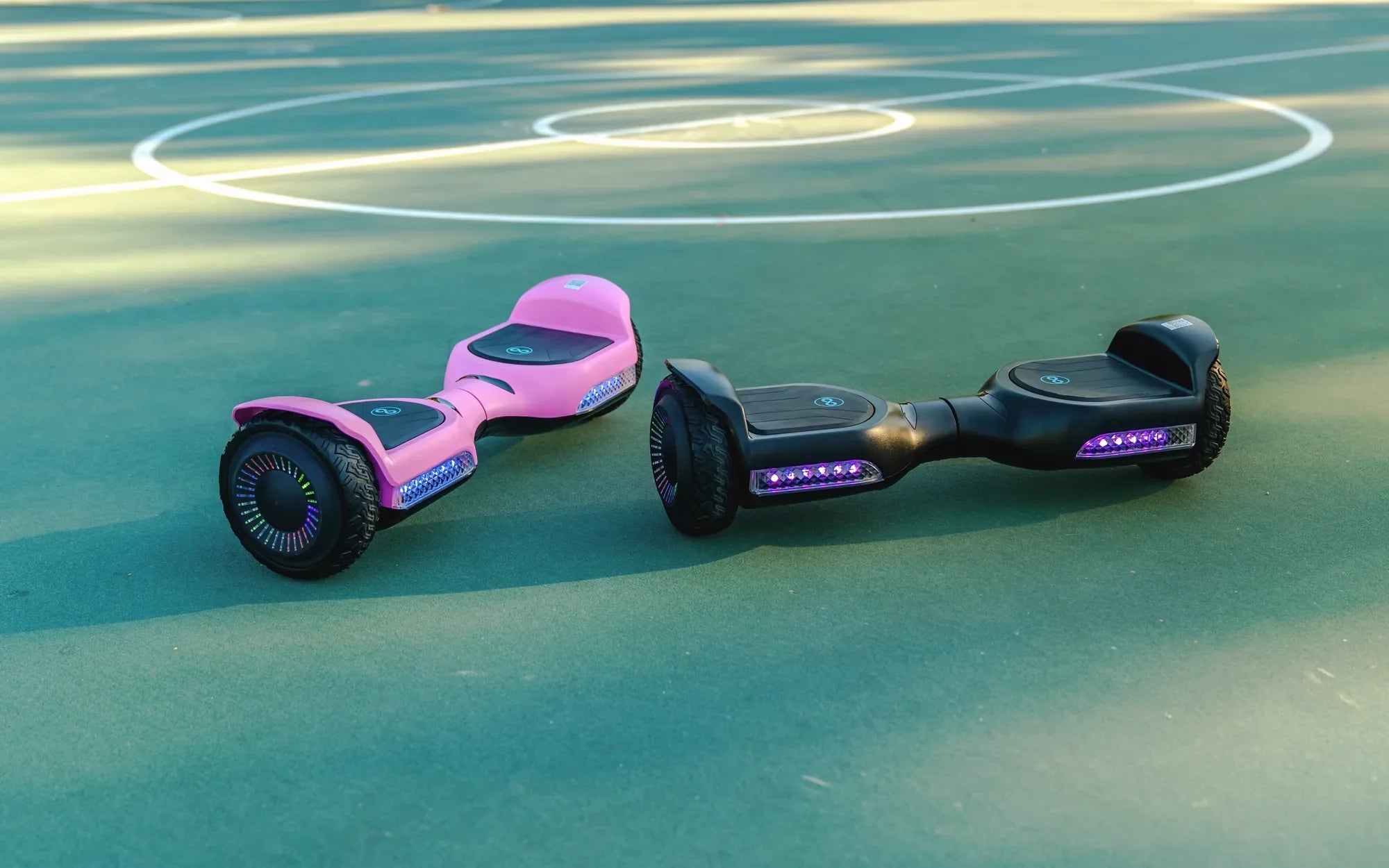
Hoverboards have become a popular mode of personal transportation, offering a fun and futuristic way to get around. However, many beginners struggle with the first step: getting on the hoverboard safely. Mastering this skill is crucial to avoid falls and injuries. Follow this step-by-step guide to learn the best way to mount a hoverboard and start riding like a pro.
Understanding the Basics
Before attempting to step onto a hoverboard, it's essential to understand how it works. Hoverboards are self-balancing devices that respond to subtle shifts in your body weight. They rely on gyroscopic sensors to detect movement and adjust accordingly. Knowing this will help you approach the mounting process with confidence.
Choosing the Right Surface
Always start on a flat, stable surface. Avoid uneven terrain, slopes, or slippery areas when learning. A smooth, level floor provides the best conditions for maintaining balance as you step onto the hoverboard.
Proper Footwear
Wear closed-toe shoes with good grip. Avoid sandals, flip-flops, or any footwear that could slip off easily. Proper shoes will give you better control and stability.
Powering On the Hoverboard
Ensure the hoverboard is fully charged and turned on before attempting to mount it. Most models emit a sound or light indicator when ready. Check the manufacturer's instructions for specific details.
The Correct Stance
Stand behind the hoverboard with your feet shoulder-width apart. Keep your back straight and your knees slightly bent. This posture will help you maintain balance as you step onto the device.
Mounting the Hoverboard
Place one foot on the hoverboard, ensuring it's centered on the footpad. Keep most of your weight on the grounded foot. Once your first foot is securely in place, quickly but smoothly transfer your weight and bring the other foot onto the hoverboard.
Maintaining Balance
Once both feet are on the hoverboard, keep them parallel and aligned with the footpads. Distribute your weight evenly and avoid sudden movements. Focus on a fixed point in front of you to help maintain stability.
Common Mistakes to Avoid
Many beginners make the mistake of leaning too far forward or backward when mounting. Others hesitate too long between steps, causing imbalance. Practice the motion slowly until it becomes natural.
Practicing Dismounting
Learning to get off the hoverboard safely is just as important as mounting it. Shift your weight to one foot and step backward off the device. Always dismount in a controlled manner.
Building Confidence
Start by holding onto a wall or railing for support as you practice mounting and dismounting. Gradually reduce your reliance on support as you gain confidence in your balance.
Safety Precautions
Always wear protective gear, including a helmet, knee pads, and elbow pads. These can prevent serious injuries while you're learning. Avoid busy areas until you're completely comfortable with the hoverboard.
Advanced Techniques
Once you've mastered basic mounting, you can experiment with different styles. Some riders prefer a running start, while others develop techniques for mounting on slight inclines. Always prioritize safety when trying new methods.
With these tips, you'll be gliding effortlessly on your hoverboard in no time. Remember that practice makes perfect—don't get discouraged if it takes a few tries to get it right. Soon, mounting your hoverboard will become second nature, opening up a world of fun and convenient transportation.
How Much Is It for a Hoverboard? A Complete Pricing Guide
How Much Is It for a Hoverboard? A Complete Pricing Guide