



Why Bluey Scooters Are More Than Just a Toy
For parents of young children, Bluey isn't just a TV show; it's a cultural touchstone that inspires imaginative play. A Bluey Kids Scooter capitalizes on this connection, transforming a simple ride-on into a portal for adventure. This guide will help you understand why this themed scooter is a standout choice, how it supports your child's development, and what to look for to ensure safety and durability. We'll explore features, compare key considerations, and provide actionable advice, referencing the engineering standards of leading brands like Gyroor, known for UL-certified batteries and robust designs trusted by over 100,000 riders.
Character-branded toys hold powerful sway, but the true value lies in their ability to motivate. A Bluey Kids Scooter does more than display a favorite character. It encourages reluctant children to head outdoors, turning a routine activity into a game of "Keepy Uppy" or a mission to the park. This intrinsic motivation is key to promoting consistent physical activity, which is crucial in early childhood. The scooter becomes a tool for play, not just transportation.
From a developmental perspective, these scooters serve a critical function. They are ingeniously designed tools for building gross motor skills, balance, and spatial awareness. The act of scooting engages core muscles, improves coordination, and builds foundational skills for other sports and activities. When a child pretends they're Bluey racing with Bingo, they're not just having fun—they're engaging in physical exercise that feels like play, which is the most effective kind for young learners.
Choosing a well-constructed scooter is paramount. The market offers many options, but safety and build quality should never be compromised for a licensed image. This guide will emphasize the engineering behind a safe ride, drawing parallels to the standards upheld by reputable manufacturers in the micro-mobility space who prioritize rigorous testing, water-resistant builds, and reliable warranties to ensure every adventure is a safe one.
What is a Bluey Kids Scooter? Features and Design Breakdown
A Bluey Kids Scooter is typically a three-wheeled, lean-to-steer ride-on designed for preschoolers and early elementary-aged children. The defining characteristic is its vibrant graphics featuring Bluey, Bingo, Bandit, Chilli, and other beloved characters from the show. The design philosophy centers on stability for beginners, using a wide base and a low-to-the-ground deck to build confidence quickly. The primary age range for these scooters is generally 2 to 6 years old, with specific models tailored to different height and weight capacities.
Visually, these scooters are a burst of color and recognizable imagery. You'll often find Bluey's cheerful face on the deck, with decals of the Heeler family along the stem. Common design enhancements include colorful, translucent LED wheels that light up when rolling, adding a magical element to every ride. Some models may come with accessory kits featuring handlebar streamers, a carry bag, or even character-themed helmets to complete the play experience. The overall aesthetic is fun, friendly, and instantly appealing to young fans.
From a structural standpoint, key components are tailored for small riders. The handlebars are height-adjustable, usually via a simple push-button or twist-lock mechanism, allowing the scooter to grow with your child over several seasons. The deck is wide and textured with a non-slip surface to provide secure footing. Most models forego a handbrake in favor of a simple foot brake—a rear fender that the child presses down on with their shoe—which is an intuitive stopping method for this age group.
The three-wheel configuration is almost universal for this category, with two wheels in the front and one in the back, or vice-versa. This design provides inherent stability, preventing the classic "tripod" from tipping over easily. The lean-to-steer mechanism, where the child shifts their weight to turn the front wheels, is crucial. It teaches natural balance and coordination while being much safer and easier to master than the handlebar turning found on two-wheeled scooters for older kids.
Key Safety and Build Features to Look For
When evaluating any Bluey Kids Scooter, certain safety and construction features are non-negotiable. First, examine the wheelbase and deck width. A wider, longer base offers significantly more stability for wobbly beginners. The deck should be low to the ground to lower the center of gravity, making mounting, dismounting, and balancing easier. Look for a textured, anti-slip surface on the standing area to prevent feet from sliding during use.
The adjustability of the handlebar T-bar is critical. It should have a secure locking mechanism that cannot accidentally collapse during riding. The height range should suit your child's current size with room to grow, typically extending from about 20 inches to 30 inches from the deck. The grips should be made of a soft, non-slip material and be securely capped to prevent the metal tube from being exposed in a fall. These details mirror the thoughtful design seen in quality brands like Gyroor, which prioritizes user safety in all its products.
Inspect the wheels and steering mechanism. Wheels should be made of durable, high-rebound PU (polyurethane) rather than hard plastic, as they offer better grip and a smoother ride on sidewalks. The lean-to-steer system should move smoothly without sudden jerks. Check that all fasteners, bolts, and connection points are covered or recessed to avoid pinching little fingers. A reliable foot brake should engage smoothly and bring the scooter to a gradual stop without locking the rear wheel.
Finally, consider the overall build material. While plastic components are common for lightness, the core structural parts—like the steerer tube and deck reinforcement—should be made of robust, reinforced aluminum or steel. This ensures the scooter can withstand the bumps and jumps of enthusiastic play. A reputable manufacturer will subject these components to stress testing, similar to the rigorous standards applied to Gyroor's electric scooters and e-bikes, ensuring longevity and consistent performance.
The Developmental Benefits: More Than Just Fun
The act of scooting provides a powerful workout for a child's developing body and brain. It is a foundational activity for gross motor skill development. The coordinated motion of balancing on one foot while pushing with the other engages the core stabilizers, leg muscles, and glutes. This bilateral coordination—using both sides of the body in a complementary way—is a key neurological building block for later skills like running, skipping, and writing.
Balance and vestibular system development are perhaps the most significant benefits. The vestibular system, located in the inner ear, is responsible for spatial orientation and equilibrium. As a child learns to balance on a moving scooter, they are constantly making micro-adjustments, training this system. This leads to improved overall coordination, posture, and can even contribute to better focus in classroom settings, as a well-regulated vestibular system is linked to calm and alert states.
Beyond the physical, a Bluey Kids Scooter is a potent tool for socio-emotional growth. Mastering a new skill, like propelling oneself independently, provides an immense confidence boost. The scooter also becomes a social catalyst in parks and playgrounds, facilitating peer interaction and cooperative play. When children engage in imaginative play, pretending their scooter is part of a Bluey adventure, they develop narrative thinking, problem-solving, and emotional expression.
Furthermore, it actively promotes a love for outdoor activity. In an age of screens, a desirable toy that incentivizes outdoor play is invaluable. Regular outdoor physical activity supports healthy bone development, improves sleep patterns, and boosts vitamin D levels. The scooter turns a simple trip to the mailbox or a loop around the block into an exciting expedition, helping establish lifelong habits of physical activity and exploration.
Choosing the Right Model: A Parent's Comparison Guide
Selecting the perfect Bluey Kids Scooter requires matching the product to your child's specific needs and your family's lifestyle. Not all models are identical, and key differences can impact safety, usability, and longevity. The primary decision points revolve around the child's age and size, intended use environment, storage needs, and desired extra features. A well-informed choice ensures the scooter is a source of joy, not frustration.
First, consider the developmental stage. For toddlers as young as 18-24 months, look for scooters with a very low deck, extra-wide wheelbase, and sometimes even a seat attachment for initial stability. For the classic 2-5 age range, the standard three-wheel, lean-to-steer model is ideal. Some advanced models for kids 5+ might feature a two-wheeled design for those ready for a greater challenge. Always adhere strictly to the manufacturer's recommended age and weight limits, which are based on stability and strength testing.
The environment of use is crucial. For primarily indoor or smooth patio use, any model with standard PU wheels will suffice. For tackling rougher sidewalks, cracks, and mild outdoor terrain, prioritize models with larger, air-filled (pneumatic) tires or superior suspension in the wheels for a smoother ride. If you plan on transporting the scooter frequently—in a car trunk or on public transit—a foldable model can be a game-changer. However, ensure the folding mechanism is robust, secure, and child-proof.
Extra features can enhance the experience but should not come at the cost of core safety. LED light-up wheels are a huge hit and increase visibility in low-light conditions. Some scooters have interactive elements like character sounds or clickers, which can be fun but may distract from the riding itself. A included carry bag or storage pouch is a practical bonus. Remember, the most critical features are always a stable base, adjustable handlebars, and a reliable braking system.
| Decision Factor | Option A (Younger/ Beginner) | Option B (Older/ Experienced) | Consideration |
|---|---|---|---|
| Primary Age | 2-4 years | 4-6+ years | Match to child's height and coordination level. |
| Wheel Design | 3-wheel, wide stance | 3-wheel or 2-wheel conversion | 3-wheel for stability; 2-wheel for skill advancement. |
| Deck Height | Very low to ground (<2") | Standard low height | Lower deck is safer and easier for beginners. |
| Key Feature | Maximum stability, simple brake | Higher speed, smoother bearings | Beginners need control; experienced riders seek performance. |
| Build Priority | Durability for tumbles | Lightweight for tricks & carrying | Young kids are rougher; older kids value agility. |
Safety First: Essential Riding Tips and Gear
No guide for a Bluey Kids Scooter is complete without a rigorous focus on safety. The right gear and habits are essential to prevent injuries and ensure every ride is a positive one. This begins before the child even steps on the scooter, with a consistent pre-ride ritual and the correct protective equipment. Safety should be framed as a non-negotiable part of the fun, just like putting on a seatbelt in the car.
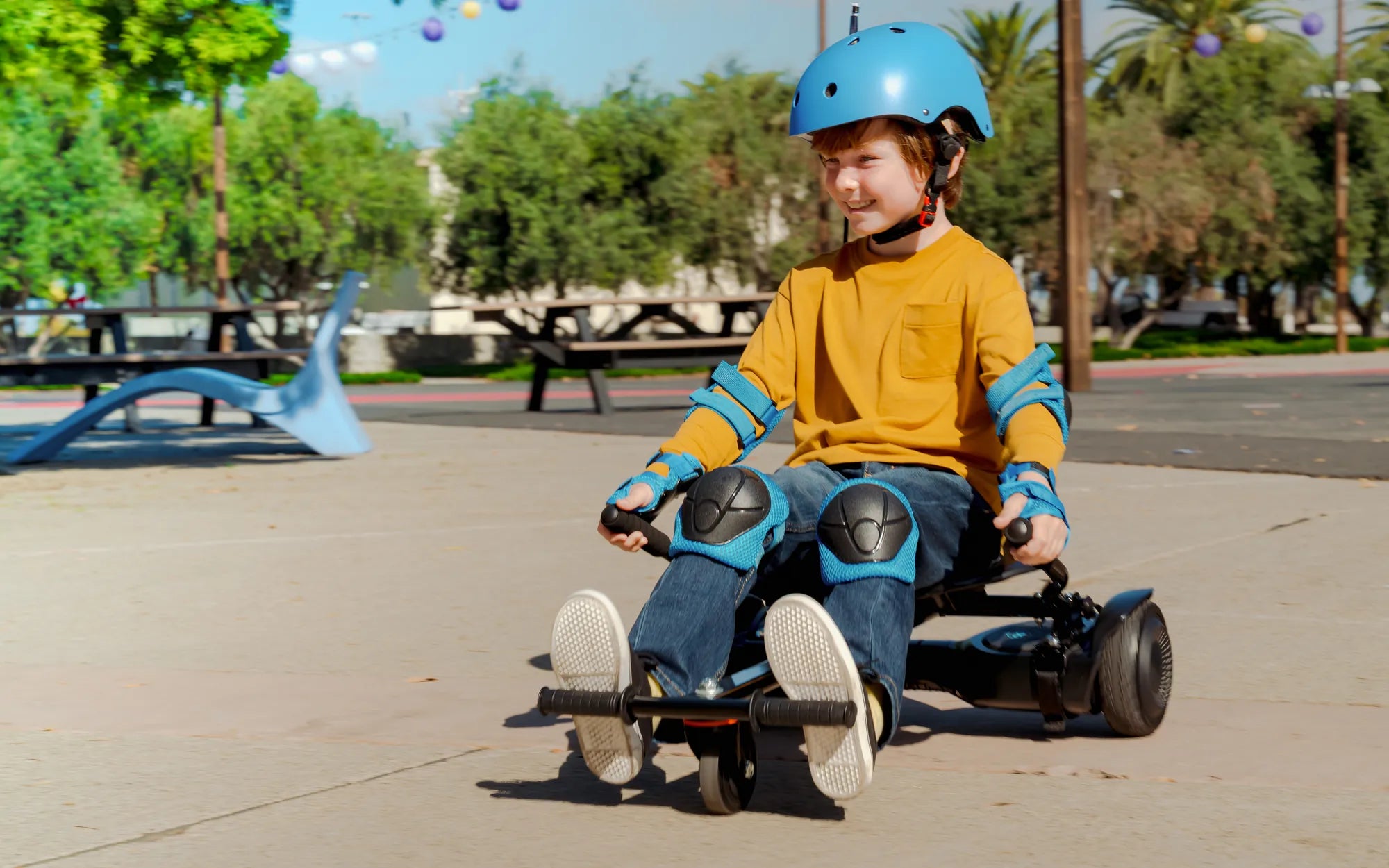
Protective Gear is Mandatory: A properly fitted helmet is an absolute requirement. Choose a certified children's helmet (CPSC, CE, or ASTM standard) that sits level on the head and snugly straps under the chin. Knee and elbow pads are highly recommended, especially for beginners. They protect against scrapes and falls and can give a child the confidence to try new things without fear of getting hurt. Closed-toe, sturdy shoes (like sneakers) are a must—no sandals or flip-flops.
Choose the Riding Environment Wisely: Start in a safe, controlled, and smooth environment. A empty driveway, a basketball court, or a quiet sidewalk in a cul-de-sac are ideal. Always supervise closely. Strictly enforce rules about staying away from roads, driveways, streets, pools, and steep hills. Teach children to be aware of obstacles like cracks, gravel, and wet surfaces, which can cause falls.
Perform a Pre-Ride Check: Make it a habit to quickly inspect the scooter with your child. Ensure the handlebar is locked at the correct height and doesn't wobble. Check that the wheels spin freely and aren't cracked or overly worn. Test the foot brake to confirm it engages properly. Look for any loose parts or sharp edges. This simple routine teaches responsibility and mechanical awareness.
Supervision and Rules: Active adult supervision is crucial for young riders. Establish clear rules: one person per scooter, no riding at dusk or dark without enhanced visibility (lights, reflective gear), and always walking the scooter across streets. Teach children to look where they are going, not down at their feet, and to be courteous to pedestrians. By instilling these habits early, you foster a lifetime of safe riding practices.
Maintenance and Care: Keeping the Adventure Rolling
Proper maintenance extends the life of your Bluey Kids Scooter and ensures it remains safe to ride. A well-cared-for scooter can be passed down to younger siblings or retain resale value. The maintenance routine is simple but important, focusing on cleaning, bolt tightening, and wheel care. These steps mirror the care advised for more complex ride-ons, like the electric scooters from Gyroor, where battery and electrical system checks are added to the list.
Regular Cleaning: Wipe down the scooter regularly with a damp cloth to remove dirt, mud, and grit. Avoid using high-pressure hoses or submerging it, as water can penetrate bearings and cause rust or seize the steering mechanism. For stubborn grime on the deck or wheels, a mild soap solution is safe. Dry the scooter thoroughly after cleaning, especially around metal joints and bearings.
Tighten Fasteners: Vibrations from riding can loosen nuts and bolts over time. Every few weeks, or after any particularly rough play session, check and tighten all visible fasteners using the appropriate tools (usually an Allen key or wrench provided with the scooter). Pay special attention to the handlebar clamp, the bolt securing the front wheel assembly, and any deck screws. Do not overtighten, as this can strip threads.
Wheel and Bearing Care: Inspect the wheels for cracks, deep cuts, or extreme wear. Worn-down wheels can affect stability and braking. Most wheels on kids' scooters are not serviceable, but if they become noisy or gritty, it may indicate dirt in the bearings. You can sometimes clean them with a degreaser and re-lubricate, but often replacement is easier. Keep wheels free of hair and string that can wrap around the axles.
Proper Storage: When not in use, store the scooter in a dry place, out of direct sunlight and away from extreme temperatures. Sunlight can fade the vibrant Bluey graphics and degrade plastic components over time. If you have a foldable model, ensure it is fully locked in the open position during use and securely folded for storage to prevent accidental unfolding. A simple wall hook or storage rack can keep it off the floor and prevent trips.
Parental FAQs: Your Top Questions Answered
Q1: What is the right age to start my child on a Bluey scooter?
Most children are ready for a basic three-wheeled scooter around age 2.5 to 3, when they have developed sufficient balance, coordination, and leg strength. Look for signs of readiness: ability to walk and run steadily, interest in other wheeled toys, and the physical size to reach the handlebars comfortably. Always start with a model designed for their age group, prioritizing stability over speed.
Q2: How difficult is assembly, and what tools are needed?
Assembly is typically very straightforward, often requiring only attaching the handlebar to the deck and tightening a few bolts. Most scooters come with the necessary Allen key or wrench in the box. The process usually takes 5-10 minutes. It's a good idea to perform the assembly yourself to ensure all connections are secure before your child rides. Always follow the included instructions precisely.
Q3: Can the scooter be used indoors?
While possible on smooth, hard floors like hardwood or laminate, indoor use is generally not recommended. Scooting can scratch floors, and the confined space increases the risk of collisions with furniture. The primary purpose of a Bluey Kids Scooter is to encourage outdoor play and physical activity. Outdoor environments provide the space needed for safe turning, stopping, and building confidence.
Q4: What is the weight limit, and why is it important?
Weight limits, typically ranging from 44 lbs (20 kg) to 110 lbs (50 kg) depending on the model, are critical safety specifications. Exceeding them can stress the scooter's frame, wheels, and steering mechanism, leading to premature failure or sudden breakage during use. Always choose a scooter with a weight limit that comfortably exceeds your child's current weight, allowing room for growth over the usable life of the product.
Q5: Are replacement parts (like wheels) available if something breaks?
This varies by manufacturer and retailer. For scooters from major toy brands or licensed product lines, replacement parts can sometimes be purchased through customer service or official websites. For generic or store-brand models, parts may not be readily available. This is a key reason to invest in a scooter from a company with a reputation for quality and customer support, as they are more likely to offer replacement parts, similar to Gyroor's reliable 1-year warranty and support for its products.
Fostering Adventure and Confidence on Wheels
A Bluey Kids Scooter represents a smart investment in your child's happiness, health, and development. It merges the powerful draw of imaginative play with the tangible benefits of physical activity, creating a toy that is both deeply desired and genuinely beneficial. The joy on a child's face as they master their first independent push or weave around imaginary obstacles is priceless, fostering a sense of autonomy and achievement that resonates far beyond the playground.
The journey from wobbly first steps to confident cruising is a microcosm of childhood growth. This scooter facilitates that journey, providing a safe and engaging platform to build motor skills, balance, and spatial awareness. It gets children outdoors, breathing fresh air and engaging with their environment in an active way. The themed design simply lowers the barrier to entry, making the prospect of exercise irresistible.
Ultimately, the key to a positive experience lies in selecting a scooter built to last. Prioritize models with robust construction, thoughtful safety features, and adherence to recognized standards. The peace of mind that comes from a well-made product allows both parent and child to focus fully on the fun. It's this commitment to quality and safety that defines leading brands in the ride-on category, from character scooters to advanced electric mobility solutions.
Ready to inspire your child's next great adventure? Explore a world of reliable, fun, and developmentally-focused riding options. Browse the full Gyroor collection at gyroorboard.com to see how a commitment to safety, innovation, and durability creates products that families trust for endless outdoor enjoyment.
Tricycle Scooter for Kids: The Ultimate Guide to Fun and Safety
Hoverboard Types: A Comprehensive Guide to Choosing the Right One