



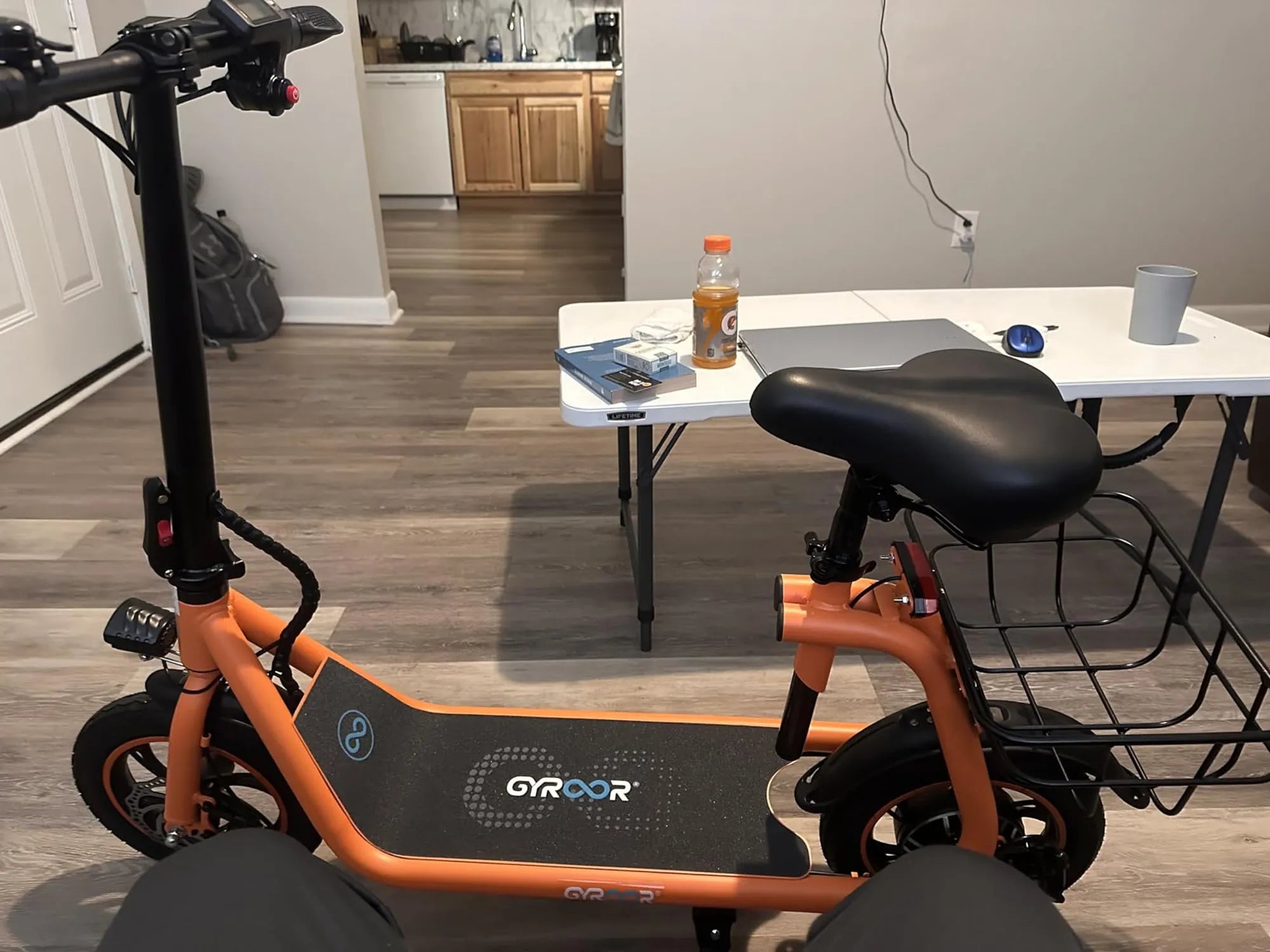
Bristol Electric Scooters are not just a passing trend; they are a practical, efficient, and sustainable answer to the city's most pressing mobility challenges. For residents navigating steep inclines like Park Street, contending with the Clean Air Zone, or seeking a reliable alternative to congested buses and expensive parking, the personal electric scooter represents a fundamental shift. This guide will provide you with a comprehensive, data-driven analysis of why e-scooters are perfect for Bristol, how to choose and use one legally and safely, and the tangible benefits they bring to your daily commute and the city's environmental goals.
Why Bristol's Urban Landscape Demands Electric Scooters
Bristol is a city of vibrant contradictions: historic harbourside walks meet steep, challenging hills, and a strong environmental ethos coexists with persistent traffic congestion. This unique context creates the perfect environment for electric scooters to thrive as a primary mode of transport. The city's commitment to becoming carbon neutral by 2030, coupled with its extensive and growing network of cycling routes, provides the ideal infrastructure and policy backdrop.
The geographical layout of Bristol, with key residential areas like Clifton, Redland, and Southville often situated on hills above the commercial centre, makes traditional cycling a strenuous option for many. Electric scooters level this playing field, providing the necessary assist to conquer gradients without breaking a sweat. This directly addresses one of the biggest physical barriers to active travel in the city.
Furthermore, Bristol's Clean Air Zone (CAZ), operational since 2022, charges non-compliant vehicles to enter the central area. This policy incentivises a shift towards zero-emission transport. A personal electric scooter produces no tailpipe emissions, offering a CAZ-compliant, door-to-door solution that avoids daily charges and contributes to cleaner air—a core civic priority.
Finally, the city's culture of innovation and sustainability, home to initiatives like Bristol's Cycling Strategy, means residents are more likely to adopt new, greener technologies. The electric scooter fits seamlessly into this progressive mindset, offering a personal, efficient, and enjoyable way to navigate urban space.
Navigating Bristol's Terrain: Power and Range Considerations
Bristol's famous hills are the primary technical consideration for any e-scooter rider. Not all scooters are created equal for this task. For consistent performance on inclines like Whiteladies Road or the climb to the Clifton Suspension Bridge, a continuous motor rating of at least 350 watts is recommended. This ensures the scooter maintains speed and doesn't strain the motor, which can lead to overheating and reduced battery life.
Real-world range is dramatically affected by hills, rider weight, and stop-start city traffic. A manufacturer's claimed range of 25 miles (40 km) can easily be reduced by 30-40% in typical Bristol use. Therefore, for a reliable commute from, say, Bishopston to Temple Meads (a round trip of ~5-6 miles), selecting a model with a stated range of 15+ miles is a prudent minimum. This accounts for battery degradation over time and ensures you're not left without power.
Battery quality is paramount. A high-capacity, quality lithium-ion battery from a reputable brand is essential for both range and safety, especially when dealing with the regenerative braking common on downhill sections in Bristol. Investing in a scooter with a robust battery management system (BMS) protects against overcharging, deep discharge, and short circuits, which is critical for home charging safety.
Understanding Local Regulations and Safe Riding Zones
As of now, it remains illegal to ride a privately-owned electric scooter on public roads, cycle lanes, and pavements in the UK. They can only be legally used on private land with the landowner's permission. This legal framework is under review, but riders must be aware of the current law, which applies in Bristol as elsewhere. The city's trial of rental e-scooters operates under specific, insured licensing.
For responsible riding where permitted, Bristol's infrastructure is highly supportive. The Bristol and Bath Railway Path, the Festival Way, and the extensive network of cycle paths along the Harbourside are exemplary shared-use routes. When riding on such permitted paths, etiquette is crucial: always yield to pedestrians, keep your speed low in crowded areas, use a bell or audible signal, and wear appropriate safety gear.
Safety extends beyond legality. Bristol's streets can be narrow and unpredictable. Using bright lights, wearing a helmet (strongly advised), and understanding that you are a vulnerable road user (or path user) are non-negotiable. Defensive riding—anticipating car doors opening, pedestrians stepping out, and vehicles turning—is the key to a safe experience in any urban environment, especially one with Bristol's vibrant street life.
Choosing the Right Bristol E-Scooter: A Buyer's Guide
Selecting an electric scooter for Bristol requires a targeted approach that prioritises specific performance characteristics. The decision should be driven by your primary use case: a short, flat commute from the centre; a hill-heavy journey from the northern suburbs; or leisure rides along mixed-terrain paths. A one-size-fits-all scooter does not exist.
The core decision factors are hill-climbing ability (motor power and torque), real-world range (battery capacity and efficiency), durability (build quality and suspension), weather resistance (IP rating), and portability (weight and folding mechanism). For Bristol, the latter two are particularly critical given the frequent rain and the potential need to carry your scooter onto a bus or train for part of your journey.
Warranty and after-sales support are often overlooked but vital. A comprehensive warranty (at least 1 year on the battery and motor) and accessible customer service provide long-term peace of mind. For a daily commuter tool, this support is as important as the initial specifications.
Key Features for the Bristol Commuter: A Breakdown
Certain features transition from nice-to-have to essential in the Bristol context. An IPX5 water-resistance rating is the minimum standard. This certifies the scooter can withstand water jets from any direction, making it safe to ride in the inevitable Bristol drizzle and through wet streets without risking electrical failure. It is a non-negotiable for all-weather reliability.
UL-certified lithium-ion batteries are a cornerstone of safety. This independent certification tests for fire and electrical hazards, ensuring the battery pack is safe for the demands of hill climbing, regenerative braking, and daily charging. Given that batteries are often charged at home or in offices, this certification mitigates a significant risk factor.
Robust suspension is necessary to handle the varied surfaces, from smooth tarmac to historic cobblestones in areas like Queen Square. A combination of front and rear spring or hydraulic suspension absorbs impacts, improving comfort, control, and reducing wear on the scooter's frame and components. Similarly, a reliable braking system—typically a combination of electronic (regenerative) and disc or drum brakes—is crucial for controlled descents on Bristol's many hills.
Model Comparison: Matching Your Bristol Lifestyle
Different Bristol journeys demand different scooter profiles. The following table categorises key use cases and maps them to the type of scooter required, highlighting how brands like Gyroor engineer models for these specific needs.
| Bristol Use Case Profile | Key Requirements | Ideal Scooter Type & Features | Gyroor Model Example |
|---|---|---|---|
|
Ultra-Portable for Train Combos (e.g., commuting from Keynsham, taking scooter on GWR train) |
Lightweight (<13 kg), compact fold, moderate range (10-15 mi) | Compact frame, quick-folding mechanism, solid tyres for low maintenance. | Gyroor F1: Emphasises portability with a one-step folding system and lightweight design. |
|
All-Terrain for Harbourside Paths & Parks (e.g., leisure rides along River Avon, Ashton Court) |
Pneumatic tyres, enhanced suspension, higher ground clearance, good water resistance. | Larger, air-filled tyres for grip and comfort, dual suspension, IPX5+ rating. | Gyroor H30: Features 10-inch pneumatic tyres and front suspension for mixed-surface stability. |
|
Powerful Commuter for Northern Slopes (e.g., daily commute from Westbury-on-Trym to city centre) |
High-torque motor (500W+), large capacity battery (15+ Ah), strong brakes, durability. | Sustained hill-climbing power, long real-world range, dual braking systems, robust build. | Gyroor ES50: Built with a 500W peak motor and a large battery designed for demanding, daily urban use. |
The Gyroor Advantage for Bristol Riders
For Bristol's specific demands, Gyroor's engineering philosophy aligns perfectly with the need for safety, durability, and reliability. As a brand trusted by over 100,000 riders in Europe and North America, their focus on certified components and robust design directly addresses the challenges of Bristol's urban environment.
The commitment to UL-certified battery packs, tested for over 500 charge cycles, is a critical advantage. It ensures that the battery powering your climb up Gloucester Road is not only potent but also fundamentally safe, reducing risks associated with thermal runaway—a vital consideration for any electrically powered vehicle used intensively.
Similarly, the standard IPX5 water-resistant rating across their models guarantees that a Gyroor scooter is built to handle Bristol's climate. This design integrity prevents water ingress that can lead to corrosion, electrical shorts, and sudden failures, ensuring the scooter remains a dependable asset through autumn and winter.
Finally, the comprehensive 1-year warranty and accessible customer support provide Bristol riders with tangible peace of mind. Knowing that the motor struggling up St Michael's Hill or the battery providing your daily range is backed by a strong warranty makes the investment in a quality e-scooter a rational, long-term decision for urban mobility.
Cost, Convenience, and Sustainability: The Bristol E-Scooter Equation
The adoption of a personal electric scooter in Bristol is justified by a compelling trifecta of cost savings, unmatched convenience, and direct environmental benefit. A simple total cost of ownership (TCO) analysis reveals significant savings compared to other modes of transport.
Compared to a car, the savings are enormous: no fuel, insurance, road tax, Clean Air Zone charges, or parking fees. Even against public transport, a £500-£800 scooter can pay for itself within a year for a regular commuter. For example, a £4 daily bus fare for a 5-day week totals over £1,000 annually. Maintenance costs for e-scooters are minimal, typically involving tyre replacements and occasional brake pad changes.
Convenience is transformative. Electric scooters offer true door-to-door travel, eliminating the 'first/last mile' problem. They can be stored at home or under a desk, removing the risk of bicycle theft from public racks. Journeys become predictable, unaffected by traffic jams or bus delays, and parking is virtually always free and directly at your destination.
Environmentally, the impact is clear: zero direct emissions. In a city actively monitoring and trying to improve air quality, every switch from a fossil-fuel vehicle or even a diesel bus to an e-scooter contributes to cleaner air. The energy consumption is minuscule—costing pennies to charge—and when charged on the UK's increasingly green grid, the carbon footprint of each journey is exceptionally low.
FAQ: Your Bristol E-Scooter Questions Answered
Q: Can I legally ride my private e-scooter on Bristol's cycle paths like the Bristol to Bath path?
A: No. Currently, it is illegal to ride a privately-owned e-scooter on any public land, including dedicated cycle paths, roads, and pavements. Only hired scooters from approved rental schemes are legally permitted in certain areas. Always check the latest government and local council guidance as laws are under review.
Q: What's a realistic range for getting from Clifton Village to Temple Meads and back on a single charge?
A>This ~4-mile round trip involves significant hills. While a scooter with a 15-mile claimed range could theoretically do multiple trips, the hills will consume extra power. Realistically, a quality scooter should handle this round trip easily, but if your scooter's stated range is under 10 miles, you may risk low battery on the return climb. Always factor in a 20-30% buffer for hills.
Q: How should I securely lock my e-scooter in Bristol city centre?
A>Use a high-quality, hardened steel D-lock or heavy-duty chain lock. Always lock the scooter frame (not just the stem) to an immovable, official bike rack. If possible, take the removable battery with you. Consider using two different types of locks (e.g., a D-lock and a cable) to deter thieves requiring multiple tools.
Q: Are Gyroor scooters suitable for Bristol's frequent rain?
A>Yes, models like those from Gyroor with an IPX5 rating are specifically designed to withstand rain and wet conditions. The IPX5 certification means they can handle water jets from any direction. However, it's still advisable to avoid deep puddles and to dry the scooter after a wet ride to maintain its condition.
Q: What is the most important safety gear for riding in Bristol?
A>A helmet is the single most important piece of safety equipment. Additionally, using bright, always-on front and rear lights (even during the day), reflective clothing, and considering gloves and knee pads for added protection is highly recommended. Defensive riding awareness is your primary safety tool.
Embracing a Smarter Way to Move in Bristol
The evidence is clear: for navigating Bristol's hills, adhering to its environmental ambitions, and escaping congestion, the personal electric scooter presents a uniquely effective solution. It is a tool that turns urban challenges into manageable, even enjoyable, daily journeys. The future of urban mobility in Bristol isn't about a single, grand solution, but about empowering individuals with the right, efficient technology for their needs.
Success with an e-scooter hinges on making an informed choice—prioritising safety certifications like UL and IP ratings, selecting adequate power for Bristol's terrain, and understanding the current legal landscape. It is an investment in personal freedom and civic responsibility.
As the city evolves, those who adopt these smart, sustainable modes of transport will find themselves ahead of the curve, saving time and money while contributing to a cleaner, less congested Bristol. The journey towards smarter urban mobility starts with a single, electrified ride.
Ready to transform your Bristol commute? Explore the full range of durable, weather-ready, and safety-certified models engineered for cities like yours. Browse the full Gyroor collection at gyroorboard.com and find the perfect electric scooter for your journey.
2000 Watt Electric Scooters: Power, Performance, and Practicality
Are There Electric Scooters in Vegas? A Complete Guide to the Sin City Scooter Scene