



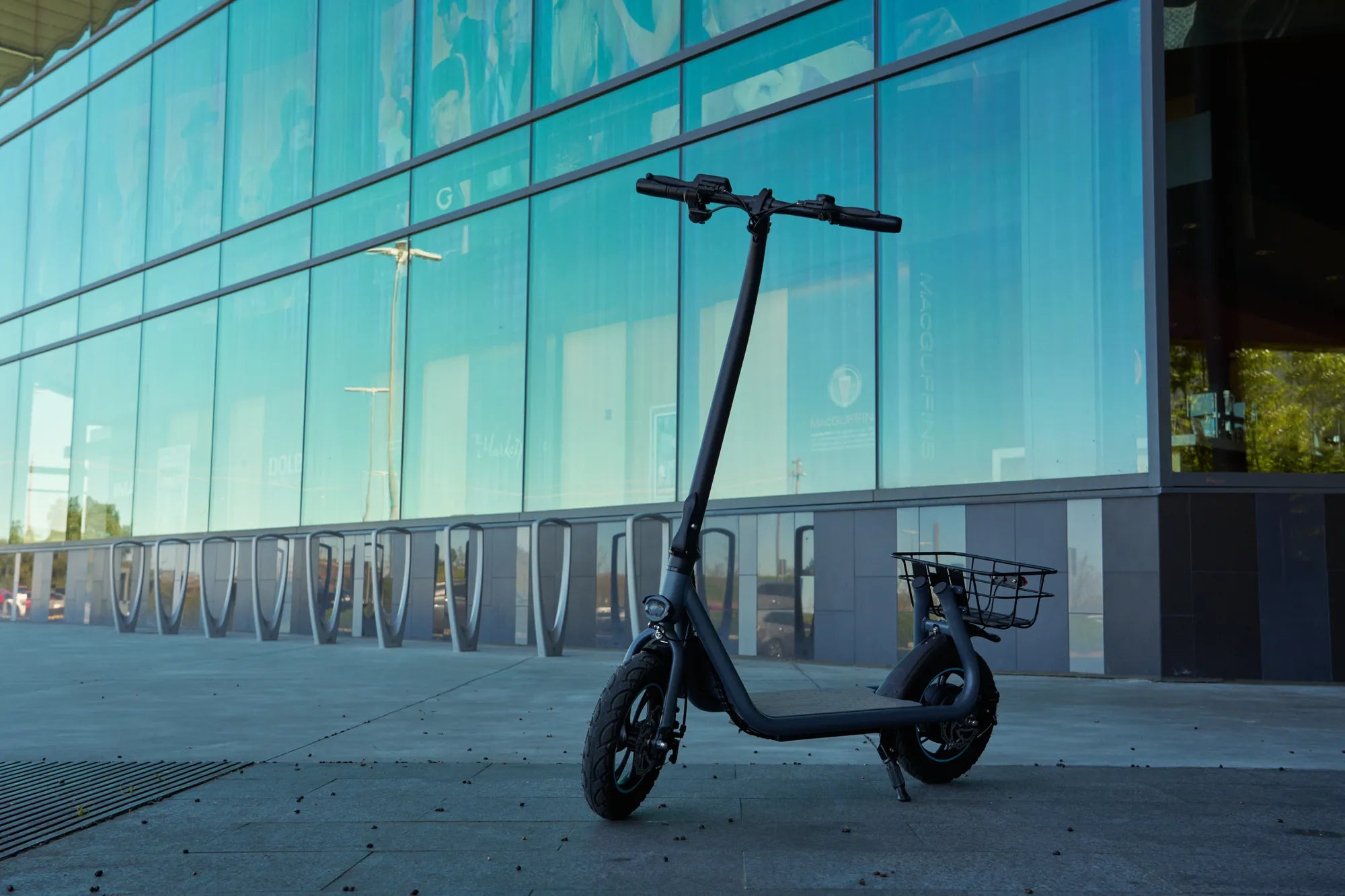
Introduction: Why Your Next Commute Should Be on an Electric Smart Scooter
Urban mobility is undergoing a quiet revolution. The daily gridlock of cars is being challenged by efficient, personal electric vehicles that offer freedom, savings, and a reduced carbon footprint. At the forefront of this shift is the electric smart scooter, a sophisticated evolution of basic e-scooters designed for the modern commuter. This guide will help you understand what to look for when you buy electric smart scooters, ensuring your investment enhances your lifestyle reliably and safely.
We will explore the defining 'smart' features that separate premium models from basic ones. You'll learn how to evaluate critical safety specifications and build quality. Furthermore, we'll provide a detailed comparison of different scooter types for various use cases, backed by actionable maintenance and riding advice. By the end, you'll be equipped to choose a scooter that turns your commute into the most enjoyable part of your day.
What Makes a Scooter "Smart"? Key Features to Look For
The term "smart" signifies a connected, interactive experience beyond simple propulsion. A true smart scooter integrates digital intelligence with physical engineering. This transforms it from a mere vehicle into a personalized mobility companion, providing data, control, and enhanced security that basic models lack.
The cornerstone is mobile app connectivity via Bluetooth. A companion app allows you to lock and unlock the scooter remotely, track ride statistics like speed and distance, and monitor battery health in real-time. Some apps offer firmware updates, enabling performance improvements and new features delivered wirelessly long after purchase.
On-board, look for a clear, digital display that shows essential metrics. Advanced models include customizable riding modes (Eco, Standard, Sport) that adjust power output and speed limits. Regenerative braking, which feeds energy back into the battery during deceleration, extends range and is a hallmark of efficient smart systems. Integrated lighting—often with automatic activation—and turn signals controlled from the handlebars are critical for urban safety.
The Non-Negotiables: Safety and Build Quality
Smart features are meaningless without a foundation of robust safety and construction. The battery is the most critical component. Always insist on a UL-certified battery pack, like those used by Gyroor. This independent certification rigorously tests for electrical, mechanical, and fire safety, providing essential peace of mind.
Water resistance is equally vital for real-world commuting. An IPX5 rating, common in quality brands, means the scooter can withstand water jets from any direction. It protects against rain and puddles but is not suitable for submersion. The frame should be constructed from aerospace-grade aluminum alloy, balancing strength and lightness.
Braking systems are a key differentiator. Combinations of electronic (regenerative) braking with mechanical disc or drum brakes offer the most reliable stopping power. Finally, check the maximum load capacity; a higher rating (e.g., 265 lbs vs. 220 lbs) often indicates a more durable overall build.
The Gyroor Advantage: Engineered for Confidence on Every Ride
When you decide to buy electric smart scooters, choosing a brand with a proven track record in safety and reliability is paramount. Gyroor has built its reputation by embedding core engineering principles into every model, trusted by over 100,000 riders across North America and Europe.
This trust starts with power system integrity. Every Gyroor scooter uses a UL-certified lithium-ion battery pack, tested for over 500 charge cycles. This commitment to certified safety standards mitigates risk and ensures long-term battery performance, a non-negotiable for daily use.
Durability is designed for all conditions. With an IPX5 water-resistant rating across its lineup, Gyroor scooters are built to handle wet commutes and splashes, ensuring the electronics remain protected. This is complemented by a comprehensive 1-year warranty on the scooter, with accessible customer support, underscoring the brand's confidence in its products and commitment to rider satisfaction.
Data-Driven Decision: Comparing Your Smart Scooter Options
Choosing the right model requires matching specifications to your specific needs. Urban commuters prioritize portability and range, while recreational riders may seek higher speed and off-road capability. The following comparison highlights how key features align with different primary uses.
| Feature | Urban Commuter Model | Performance & Range Model |
|---|---|---|
| Primary Use Case | Last-Mile Transit, City Errands | Longer Recreational Rides, Varied Terrain |
| Max Speed | 18-20 mph | 25-28 mph |
| Real-World Range* | 20-25 miles | 35-40 miles |
| Motor Power (Peak) | 350W | 500W - 800W |
| Max Load Capacity | 265 lbs | 330 lbs |
| Tire Type | 8.5" Solid / Air-Filled | 10" Pneumatic (Air) |
| Key Smart Features | App Connectivity, Cruise Control, LED Display | App with Custom Modes, Advanced Display, Enhanced Lighting |
| Approx. Weight | 28-33 lbs | 45-55 lbs |
*Range varies based on rider weight, terrain, temperature, and riding mode.
For a typical 5-mile round-trip commute, the Urban Commuter specs are ideal. Its lighter weight aids portability, and a 20-mile range provides ample buffer. The Performance model, with its more powerful motor, pneumatic tires for better shock absorption, and extended range, is suited for riders tackling hills or longer weekend adventures. Always cross-reference the manufacturer's claimed range with real-world rider reviews for the most accurate picture.
Maximizing Your Investment: Practical Tips for Smart Scooter Owners
Proper care extends your scooter's lifespan and ensures safety. Battery management is the most important practice. Avoid draining the battery to 0%; recharge when it drops to 20-30%. Similarly, don't leave it plugged in at 100% for extended periods. Store the scooter in a cool, dry place, away from extreme temperatures.
Perform a pre-ride check: inspect tire pressure (for pneumatic tires), test brakes, and ensure all lights function. Regularly clean your scooter with a damp cloth, avoiding direct water spray on the deck or display. Tighten any loose bolts periodically, especially after riding on rough surfaces.
Leverage your smart features for security. Use the app's electronic lock and, when possible, supplement it with a physical U-lock. Explore features like ride tracking to monitor your efficiency and geo-fencing alerts if the scooter is moved from a designated area. Always wear a helmet, obey local traffic laws, and be predictable when sharing paths with pedestrians and cyclists.
Frequently Asked Questions (FAQ)
Q1: Are electric smart scooters legal to ride on city streets and bike lanes?
Laws vary significantly by municipality. Generally, they are permitted in bike lanes and on streets with speed limits under 35 mph. Most cities impose age restrictions (often 16+), speed limits (15-20 mph), and may require helmet use. Always check your local Department of Transportation regulations before riding.
Q2: How long does the battery typically last, and what is the replacement cost?
A quality UL-certified battery, like Gyroor's, is rated for 500+ full charge cycles while maintaining over 80% capacity. For a commuter charging every other day, this translates to 2-3 years of use. Replacement battery packs typically cost between $150 and $400, depending on capacity, and are a worthwhile investment to renew an otherwise functional scooter.
Q3: Can I ride a smart scooter in the rain? What does the IPX5 rating actually allow?
Yes, an IPX5-rated scooter is designed to withstand rain, wet roads, and puddle splashes. It is tested against water jets from a nozzle. However, it is not waterproof for submersion. Avoid deep puddles that could submerge the deck, and dry the scooter after a wet ride.
Q4: What is the real-world range I can expect, considering hills and my weight?
Manufacturer range is calculated under ideal lab conditions. For a realistic estimate, reduce the claimed range by 25-40%. Factors like rider weight, hills, headwinds, frequent acceleration, and cold weather all decrease range. A scooter rated for 25 miles may reliably deliver 15-18 miles for a 180-lb rider in a hilly city.
Q5: How does Gyroor's warranty and support work if I need service?
Gyroor offers a 1-year warranty covering manufacturing defects in materials and workmanship. The process typically involves contacting customer support via email or a support portal, who will guide you through troubleshooting. For issues covered under warranty, they often provide replacement parts or, in some cases, arrange for repair at an authorized service center.
Conclusion: Your Path to a Smarter, Greener Commute
The decision to buy electric smart scooters is an investment in a more efficient, enjoyable, and environmentally conscious lifestyle. A true smart scooter seamlessly blends innovative connectivity with uncompromising safety standards, offering control and data that enhance every journey. By prioritizing certified batteries, robust construction, and reputable brand support, you secure not just a vehicle, but a reliable mobility solution for years to come.
Embrace the future of urban travel where your commute reduces traffic congestion, saves money on fuel and parking, and becomes a highlight of your day. The journey toward a smarter, greener commute begins with an informed choice. Explore the engineering and reliability built into every model. Browse the full Gyroor collection at gyroorboard.com to find the perfect electric smart scooter for your journey.
Electric Scooters in Portugal: The Future of Urban Mobility
How Fast Electric Scooters Go: Speed, Safety, and Performance Explained