


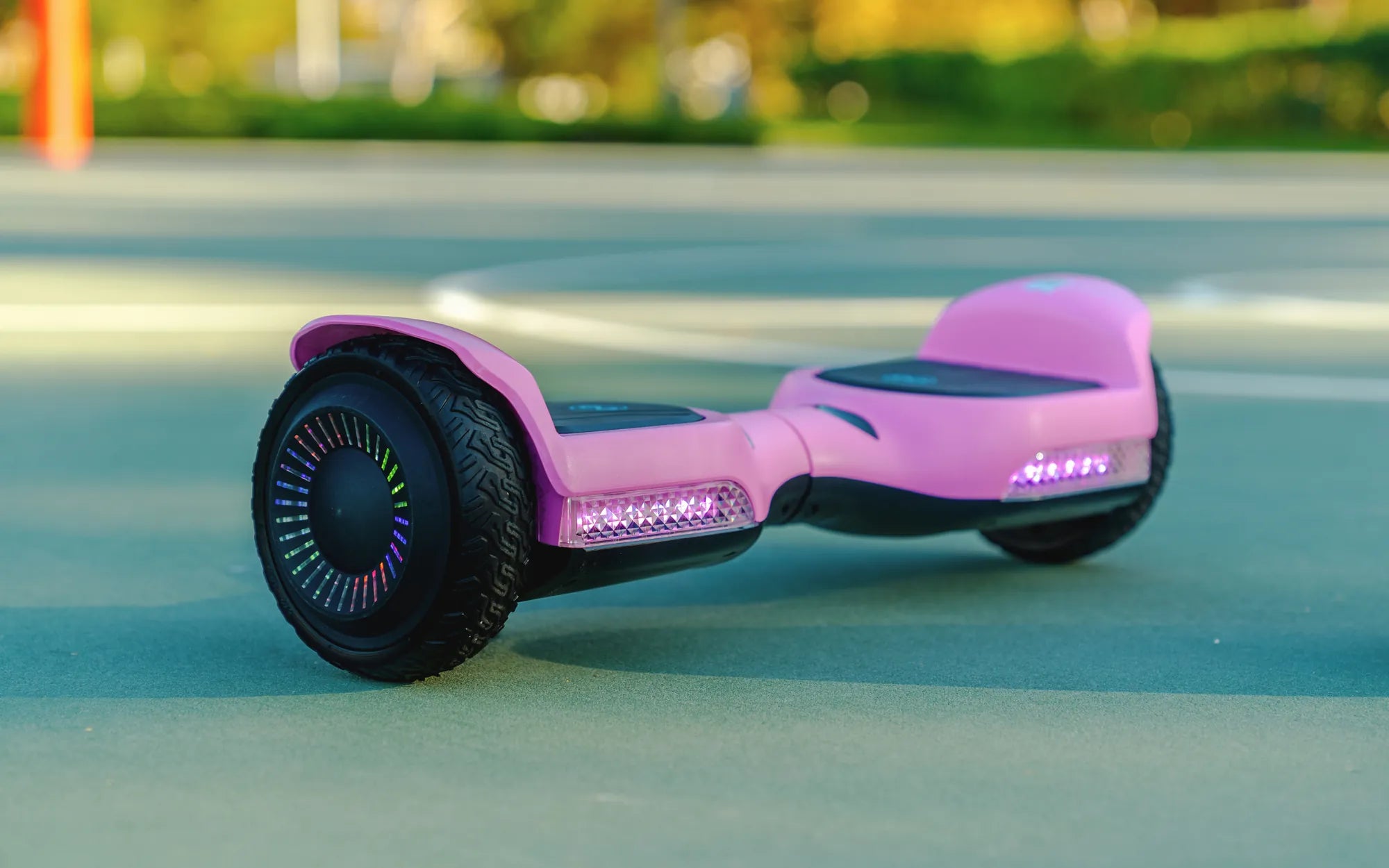
Redefining Urban Mobility with Self-Balancing Technology
Urban transportation is undergoing a quiet revolution, driven by compact, intelligent personal electric vehicles. At the forefront is the self-balancing smart electric scooter, a device that merges advanced gyroscopic stabilization with connected app features to create a uniquely efficient commuting solution. This guide is designed for the pragmatic urbanite seeking to cut commute times, reduce costs, and navigate city streets with agility. We will dissect the technology, validate the benefits with concrete data, and provide a detailed framework for what to prioritize when you buy a self balancing smart electric scooter, ensuring your investment is sound, safe, and perfectly suited to your needs.
Leading brands like Gyroor have moved this technology from novelty to reliable daily transport, trusted by over 100,000 riders. The convergence of UL-certified battery safety, robust IP-rated construction, and intuitive smart controls has created a vehicle that genuinely solves the first-and-last-mile problem plaguing modern cities. Understanding this product category is the first step toward transforming your daily commute from a chore into an efficient, enjoyable experience.
What is a Self-Balancing Smart Electric Scooter? Beyond the Hype
A self-balancing smart electric scooter is a two-wheeled, stand-up personal transporter that uses gyroscopic sensors and control algorithms to automatically maintain its balance forward and backward. This core technology distinguishes it from traditional kick scooters or even simpler electric scooters that require manual kicking for propulsion and lack automated stability. The "smart" component typically refers to Bluetooth connectivity with a dedicated smartphone app, enabling features like speed mode adjustment, battery monitoring, ride statistics, anti-theft locking, and customizable lighting.
The rider controls acceleration and deceleration by leaning forward or backward, while the scooter's internal computer makes thousands of micro-adjustments per second to the wheel motors to keep the platform level. This creates an intuitive, almost thought-controlled riding experience once mastered. The design philosophy centers on minimalism and portability, with most models featuring a foldable stem and deck for easy carrying and storage.
Core Technology: How Gyroscopic Stabilization Works
The magic of self-balancing lies in a combination of hardware and software. An Inertial Measurement Unit (IMU), containing gyroscopes and accelerometers, constantly measures the scooter's tilt angle and angular velocity. This data stream is fed to a central processing unit (CPU) or microcontroller.
The CPU runs a control algorithm, often a form of Proportional-Integral-Derivative (PID) control, which calculates the precise amount of torque needed from the electric motors in each wheel to counteract any detected tilt. If the deck tips forward, the motors spin faster to "catch up" to the rider's center of gravity. This happens in real-time, creating a stable platform. The rider's lean is interpreted as a command to move, not as a loss of balance, making the learning curve surprisingly short for most adults.
Key Smart Features to Look For
When you buy a self balancing smart electric scooter, the integrated smart features significantly enhance utility and security. Key functionalities to prioritize include a robust companion app for ride diagnostics and customization. This should allow you to lock the scooter electronically, rendering the motors inactive—a critical anti-theft measure.
Other valuable features include customizable speed modes (e.g., beginner, eco, sport), cruise control, real-time battery level tracking, trip odometers, and firmware updates that can improve performance over time. Integrated LED displays on the handlebar or deck provide essential ride data at a glance. Advanced models may offer ambient or signal lighting that can be color-customized via the app, increasing visibility and personal expression.
Why Choose a Self-Balancing Scooter for Your Commute? The Data-Driven Benefits
The decision to buy a self balancing smart electric scooter should be grounded in practical advantages over traditional transport modes. For urban commutes under 10 miles, the efficiency gains are substantial. Compared to sitting in traffic, waiting for buses, or searching for parking, a personal electric scooter offers a direct, predictable, and often faster point-to-point journey.
It seamlessly bridges the gap between public transit stops and your final destination, solving the notorious "last-mile" problem. The environmental benefit is clear, but the personal benefits of saved time, reduced stress, and significant cost savings form the most compelling argument for adoption. This mode of transport isn't just about technology; it's about reclaiming time and autonomy during your daily routine.
Time and Cost Efficiency: The Commuter's Math
Time savings are quantifiable. In dense urban cores, average car traffic speeds can drop below 10-15 mph. A self-balancing scooter with a top speed of 15-18 mph can often match or exceed this, especially when utilizing bike lanes and filtering through stalled traffic. A 3-mile commute that takes 20 minutes by car in rush hour can be reduced to 10-12 minutes.
The cost-per-mile analysis is even more striking. The average cost to own and operate a new car in the U.S. exceeds $0.60 per mile, according to AAA. In contrast, charging an electric scooter costs mere pennies. Assuming a 500Wh battery and a $0.15/kWh electricity rate, a full charge costs about $0.075. If that charge provides a 15-mile range, the operational cost is $0.005 per mile—over 100 times cheaper than car ownership, excluding massive savings on parking fees, insurance, and maintenance.
Environmental Impact: Your Carbon Footprint Reduction
Transportation is a leading source of urban greenhouse gas emissions. Replacing car trips, even short ones, with electric scooter travel has a measurable impact. The U.S. EPA states that the average passenger vehicle emits about 404 grams of CO2 per mile. A 5-mile daily commute by scooter instead of car prevents over 2 kg of CO2 emissions each day, or roughly 500 kg annually.
Electric scooters are highly energy-efficient. Their direct-drive hub motors convert over 85-90% of electrical energy into motion, whereas internal combustion engines are typically only 20-30% efficient. By serving as a feeder to public transit, they also help reduce overall urban congestion and the associated idling emissions from gridlocked traffic, creating a cleaner, quieter city for everyone.
Convenience and Portability: The Ultimate First/Last-Mile Solution
Portability is a killer feature. Most quality self-balancing scooters weigh between 25-35 lbs and fold compactly. This allows them to be carried onto a bus or train, rolled through an office building, and stored under a desk or in a closet. This eliminates the security and parking dilemmas associated with bicycles and e-bikes.
This seamless integration with other modes of transport is key. You can ride from home to the subway station, fold and carry it aboard, then unfold and ride from the downtown station to your office—a door-to-door journey without waiting, walking long distances, or relying on ride-shares. The convenience factor dramatically increases the likelihood of consistent use, ensuring you realize the time and cost benefits daily.
Critical Buying Guide: What to Prioritize When You Buy
Navigating the market requires a focus on specifications that translate to real-world performance, safety, and durability. Price alone is a poor indicator of value. A well-informed purchase decision hinges on understanding which features directly impact your commuting experience and long-term satisfaction. This section breaks down the non-negotiable safety elements, performance matching, and build quality indicators you must evaluate before you buy a self balancing smart electric scooter.
Ignoring key specs can lead to a scooter that is unsafe, insufficient for your route, or prone to early failure. The goal is to select a model that feels like a reliable tool, not a fragile toy. We will analyze the critical components, from the battery pack to the braking system, providing a checklist for your evaluation process. This disciplined approach ensures you invest in a solution, not just a product.
Safety and Certification: Non-Negotiables
Safety is paramount and begins with the battery. Insist on a UL-certified battery pack. This independent certification (like UL 2271) verifies the battery has passed rigorous tests for electrical, mechanical, and environmental safety, drastically reducing fire risk. Gyroor, for example, builds all its models with UL-certified batteries tested for 500+ charge cycles, a benchmark for responsible manufacturing.
Next, evaluate the braking system. A dual-brake setup—typically a regenerative electronic brake combined with a mechanical disc or drum brake—provides reliable stopping power in all conditions. Lighting is critical for urban riding: look for bright front and rear LEDs, plus side or deck ambient lights for visibility. Finally, an IP rating for water and dust resistance is essential. An IPX5 rating, common in quality commuter models, means the scooter can withstand water jets from any direction, making it safe to ride on wet roads and through puddles.
Performance Specs: Matching the Scooter to Your Needs
Performance specifications must align with your commute profile. Use this table to compare key metrics and match them to typical use cases:
| Specification | Entry-Level / Short Commute | Mid-Range / Standard Commute | Performance / Long Commute |
|---|---|---|---|
| Motor Power (Watt) | 250W - 350W | 350W - 500W (Dual Motor) | 500W+ (Dual Motor) |
| Max Range (Claimed) | 10 - 15 miles | 15 - 25 miles | 25 - 40+ miles |
| Real-World Range* | 7 - 12 miles | 12 - 20 miles | 20 - 30+ miles |
| Max Speed | 12 - 15 mph | 15 - 19 mph | 19 - 25+ mph |
| Weight Capacity | 220 - 265 lbs | 265 - 300 lbs | 300+ lbs |
| Ideal For | Sub-3 mile trips, flat terrain, light riders. | 3-8 mile commutes, moderate hills, average riders. | 8+ mile commutes, steep hills, heavier riders or cargo. |
*Real-world range is typically 70-80% of claimed, affected by weight, hills, temperature, and speed.
For most urban commuters, a mid-range model with a dual-motor system (e.g., 2x350W) offers the best balance of hill-climbing ability, acceleration, and range. Always derate the claimed range by 20-30% for practical planning.
Build Quality and Warranty: Ensuring Long-Term Value
The scooter's construction determines its lifespan. The frame should be made from high-grade, forged aluminum alloy, not cheap cast metal. Check the folding mechanism for solidity; it should lock securely without wobble. Tire choice matters: pneumatic (air-filled) tires offer a smoother ride and better traction but require maintenance; solid honeycomb tires are puncture-proof but provide a harsher ride.
The warranty is the brand's promise. A comprehensive 1-year warranty covering the battery, motor, and frame (like Gyroor's standard offering) indicates confidence in product durability. Equally important is accessible customer support. A brand with responsive, U.S.-based support can resolve issues quickly, protecting your investment far beyond the point of sale. This combination of robust materials and strong backing is what separates a disposable gadget from a dependable commuting asset.
Gyroor's Approach: Engineering Trust in Smart Mobility
In a market with varying quality, Gyroor has established itself by addressing the core concerns of safety, reliability, and rider support head-on. The brand's philosophy centers on engineering products that riders can trust for daily use, backed by verifiable certifications and direct customer service. This approach transforms the self-balancing scooter from a risky novelty into a viable primary transport solution.
With a portfolio of 20+ models, Gyroor caters to different needs while maintaining consistent safety standards. The trust earned from over 100,000 riders across North America and Europe stems from a transparent focus on the components that matter most: the battery, the build, and post-purchase support. This section examines how their specific implementations directly answer the critical buying criteria outlined above.
The UL-Certified Battery Advantage: Safety as a Standard
Gyroor's commitment to making UL-certified batteries a standard feature, not an upgrade, is a major differentiator. This certification process involves stress testing beyond normal use, including overcharge, short circuit, crush, and drop tests. By designing their battery management systems (BMS) to meet these rigorous standards, they mitigate the primary safety hazard associated with lithium-ion batteries in personal vehicles.
This provides peace of mind that extends to charging at home or in the office. The 500+ cycle test rating also speaks to longevity, ensuring the battery retains a significant portion of its capacity through years of daily use. For the informed buyer, this certification is a filter, immediately separating safety-focused brands from those cutting corners on the most critical component.
Built for the Real World: IPX5 and Reliable Performance
Urban commuting is messy. Wet streets, puddles, and road dust are daily realities. Gyroor's IPX5 water-resistant rating on key models is an engineering specification for this environment. It means the scooter's electrical components are sealed against low-pressure water jets from any angle, making it capable of handling wet commutes and accidental splashes without failure.
This durability is paired with performance tuned for real-world topography. Their dual-motor systems provide ample torque for climbing gradients common in many cities, while the robust aluminum frame handles the vibrations and minor impacts of pavement riding. This combination ensures the scooter is not just a fai r-weather toy but a all-season, reliable tool for getting to work, rain or shine.
Rider-First Support: The Value of a Strong Warranty
A warranty is only as good as the service behind it. Gyroor's 1-year warranty is comprehensive, but its value is amplified by accessible support channels. For a commuting essential, downtime is a major inconvenience. Having a direct path to troubleshooting, advice, or warranty service ensures any issue can be resolved promptly.
This rider-first approach builds long-term trust. It signals that the brand stands by its products and is invested in the rider's experience beyond the initial sale. For a buyer looking to buy a self balancing smart electric scooter as a serious transport solution, this support infrastructure is as important as the scooter's horsepower or range, guaranteeing the investment is protected.
Frequently Asked Questions (FAQs)
Q: How long does it take to learn to ride a self-balancing scooter?
A: Most adults can learn the basic controls—starting, stopping, gentle turning—within 15-30 minutes in a safe, open area. Developing full confidence for navigating urban obstacles and traffic typically takes a few days of practice. The self-balancing technology does most of the work; the rider primarily learns lean control and builds muscle memory.
Q: Are they legal to ride on roads, sidewalks, and bike lanes?
A: Laws vary significantly by city, state, and country. In most U.S. jurisdictions, electric scooters are treated similarly to bicycles and are permitted in bike lanes and on roads with speed limits at or below 25-35 mph. Riding on sidewalks is often prohibited in business districts. It is crucial to check your local Department of Transportation or city ordinances for specific rules regarding maximum speed, helmet requirements, and approved riding areas before you buy.
Q: What is the realistic range I can expect on a single charge?
A: Always plan for 70-80% of the manufacturer's claimed range under ideal conditions. Real-world range is reduced by factors like rider weight, hills, headwinds, frequent acceleration, colder temperatures, and tire pressure. A scooter advertised for a 20-mile range will reliably provide 14-16 miles for an average rider on mixed terrain. For commuting, choose a model whose real-world range comfortably exceeds your round-trip distance.
Q: How do I maintain my self-balancing electric scooter?
A> Regular maintenance is simple but essential: 1) Keep pneumatic tires inflated to the recommended PSI. 2) Periodically check mechanical brake pads for wear and adjust tension. 3) Clean the deck, wheels, and folding mechanisms with a damp cloth to prevent grit buildup. 4) Store in a cool, dry place and avoid leaving the battery fully depleted for extended periods. 5) Listen for unusual noises from motors or bearings.
Q: Can I ride it in the rain?
A: Scooters with a high IP rating (like IPX5) are designed to withstand water jets and can be safely ridden in light rain and on wet roads. However, no consumer electric scooter is fully waterproof or submersible. Avoid deep puddles (which can submerge the deck), heavy downpours, and always dry the scooter off after a wet ride. Riding in adverse conditions may also void warranties if the scooter lacks a sufficient IP rating.
Your Next Step Towards Smarter Commuting
The data is clear: a self-balancing smart electric scooter offers a compelling solution to the inefficiencies of urban commuting. The combination of time savings, dramatic cost reduction, environmental benefit, and sheer convenience is unmatched for short-to-medium distance travel. The key to unlocking these benefits lies in making an informed purchase that prioritizes safety certifications, real-world performance specs, and durable build quality backed by strong warranty support.
By using the criteria outlined in this guide, you can confidently navigate the market and select a scooter that will serve as a reliable daily partner. Brands like Gyroor demonstrate that with a focus on UL-certified safety, weather-resistant engineering, and rider-centric support, this technology is ready for prime time. Transform your commute from a time-consuming expense into an efficient, enjoyable part of your day. Assess your needs, apply the buying guide, and take the first step toward a smarter way to move through the city.
Ready to explore models that match these critical criteria? Browse the full Gyroor collection at gyroorboard.com to find your ultimate urban commuting solution.
Wheeled Scooter Kids Built Adjustable: The Ultimate Guide for Parents
Cheap 2 Wheel Self Balancing Scooter: Your Guide to Smart, Safe Value