

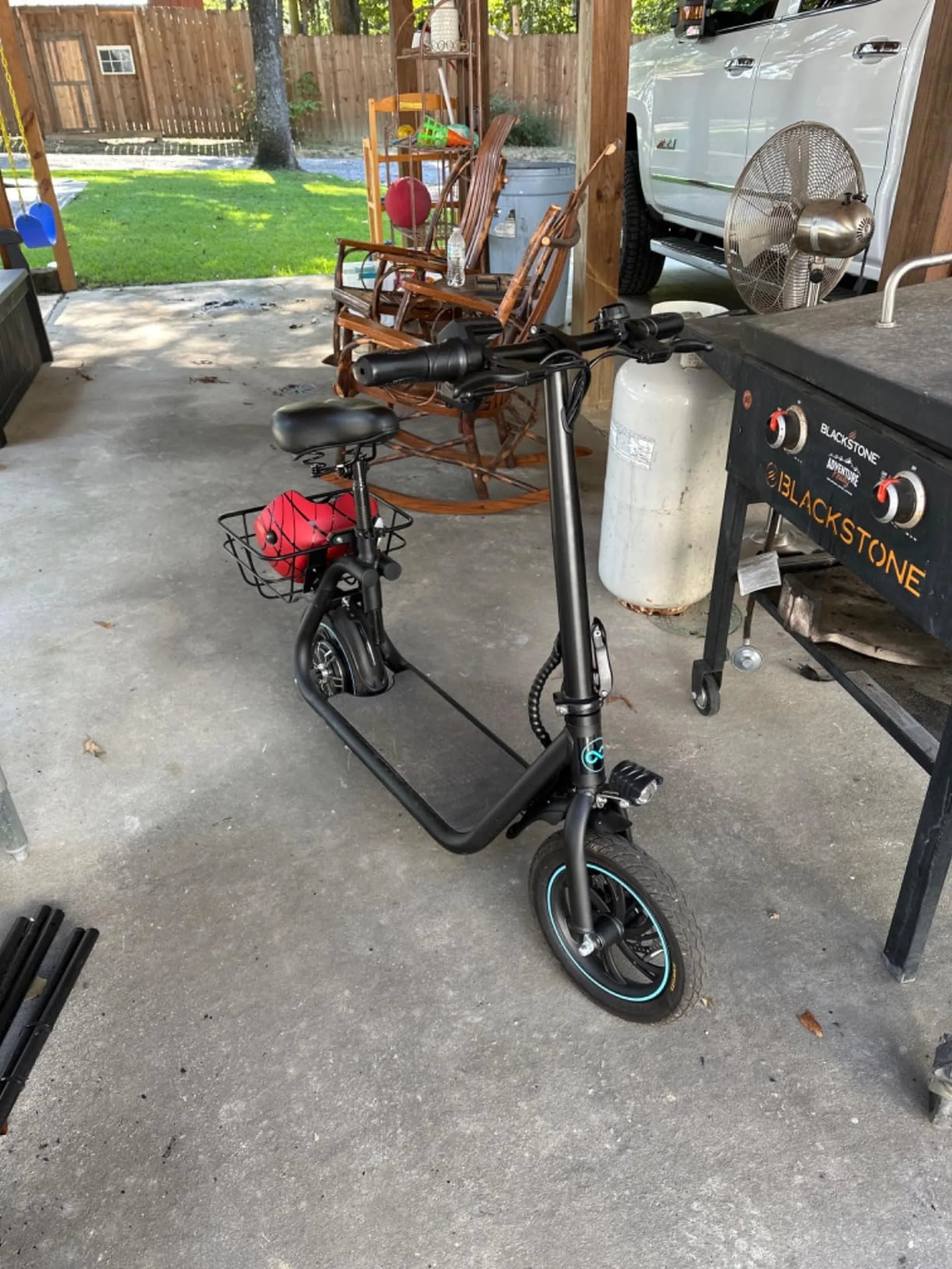
Are you ready to revolutionize your commute, explore new trails, or simply enjoy a more effortless ride? Buying an e-bike could be the game-changer you've been waiting for. With the rising popularity of electric bikes, there's never been a better time to dive into the world of pedal-assisted cycling. But before you hit the buy button, let's break down everything you need to know to make an informed decision.
Why Consider Buying an E-Bike?
E-bikes offer a unique blend of convenience, sustainability, and fun. Whether you're looking to reduce your carbon footprint, avoid traffic jams, or tackle hilly terrains with ease, an electric bike can be a fantastic investment. Unlike traditional bicycles, e-bikes provide motorized assistance, making them accessible to riders of all fitness levels. Plus, they're a cost-effective alternative to cars for short-distance travel.
Types of E-Bikes to Choose From
Not all e-bikes are created equal. Here are the most common types you'll encounter:
- City/Commuter E-Bikes: Designed for urban environments, these bikes prioritize comfort and practicality with features like fenders, lights, and racks.
- Mountain E-Bikes: Built for off-road adventures, these models come with robust frames, suspension systems, and knobby tires.
- Folding E-Bikes: Perfect for those with limited storage space or who need a portable option for multi-modal commuting.
- Cargo E-Bikes: Ideal for hauling groceries, kids, or other heavy loads, these bikes offer extra stability and carrying capacity.
Key Features to Look For
When buying an e-bike, pay close attention to these critical components:
- Motor Power: Measured in watts, motor power determines how much assistance you'll get. Most e-bikes range between 250W and 750W.
- Battery Life: Check the battery capacity (measured in watt-hours) to estimate how far you can ride on a single charge.
- Frame Material: Aluminum is lightweight and affordable, while carbon fiber offers premium performance at a higher cost.
- Braking System: Hydraulic disc brakes provide superior stopping power, especially important for heavier e-bikes.
Setting Your Budget
E-bikes come in a wide price range, from budget-friendly options to high-end models. While it's tempting to go for the cheapest alternative, remember that quality components often come with a higher price tag. Consider your intended use and how frequently you'll ride when determining how much to spend. Don't forget to factor in additional costs like accessories, maintenance, and potential insurance.
Test Riding Before Buying
Never purchase an e-bike without taking it for a spin first. A test ride will help you assess:
- Comfort and ergonomics
- Motor responsiveness
- Handling characteristics
- Ease of use for your specific needs
Pay special attention to how the bike feels when the motor assistance kicks in and how it handles when the battery is depleted.
Understanding Local Regulations
E-bike laws vary by location, so it's crucial to research your area's specific regulations before buying. Some jurisdictions classify e-bikes based on their maximum assisted speed and motor power, which can affect where you're allowed to ride. Always wear a helmet and follow traffic laws to ensure your safety and avoid fines.
Maintenance Considerations
While e-bikes require similar maintenance to traditional bicycles, their electrical components need special attention. Regular checks should include:
- Battery care and proper charging habits
- Motor and wiring inspections
- Software updates if applicable
Establishing a relationship with a local bike shop experienced with e-bikes can save you headaches down the road.
Ready to join the e-bike revolution? With this knowledge in hand, you're well-equipped to find the perfect electric bike that matches your lifestyle, budget, and riding preferences. The open road (or trail) awaits - where will your new e-bike take you first?
Whats the Best E Bike: A Comprehensive Guide to Choosing the Perfect Ride
Whats the Best E Bike: A Comprehensive Guide to Choosing the Perfect Ride