


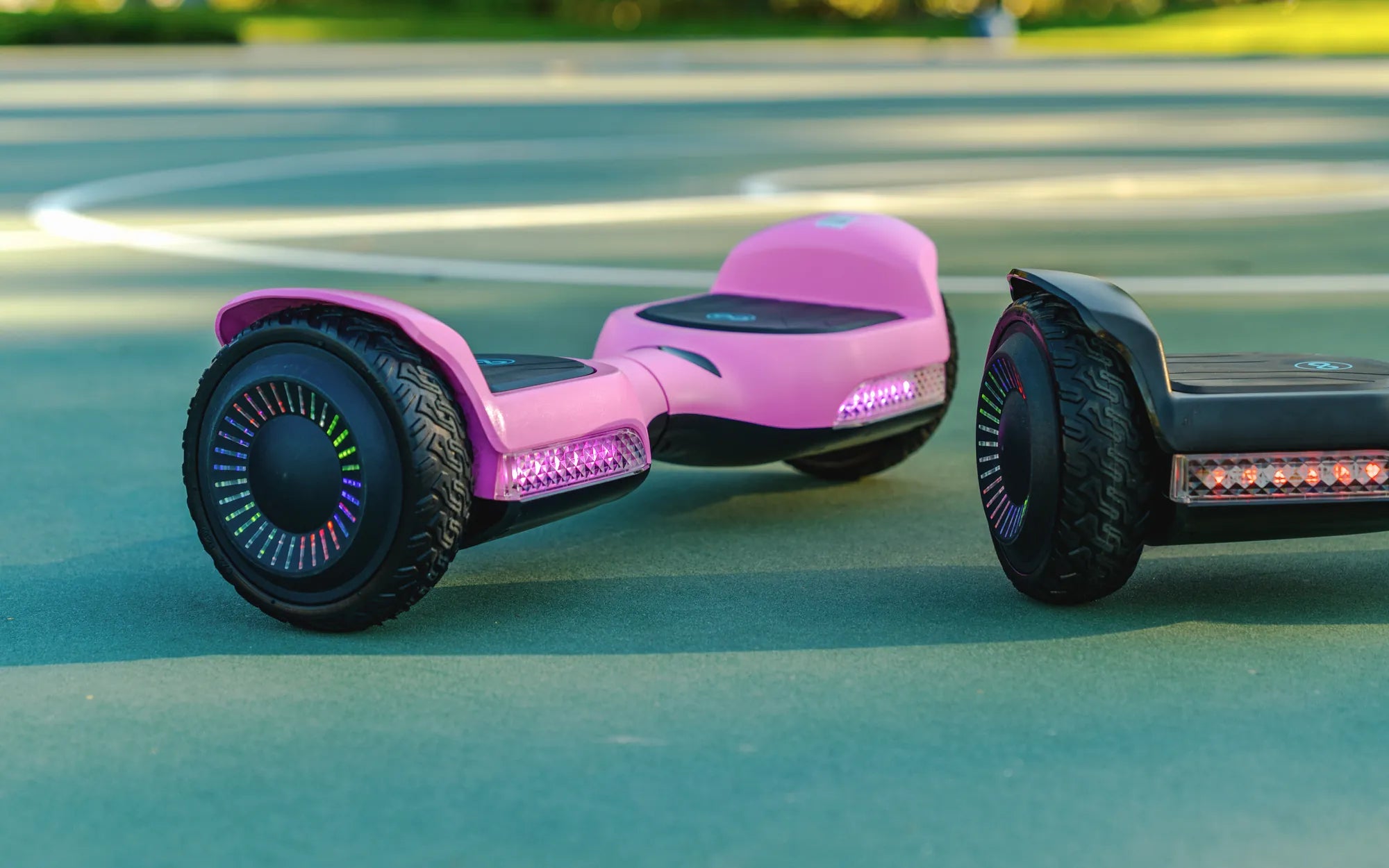
Hoverboards are sleek, futuristic, and undeniably fun—but can they handle the great outdoors? If you've ever wondered whether your hoverboard can glide effortlessly over grass or if it's strictly a pavement-only device, you're not alone. Many riders are eager to take their hoverboards beyond smooth sidewalks and into parks, backyards, or even light trails. Let's dive into the details to find out if hoverboards can truly conquer grass and what you need to know before taking yours off-road.
Understanding Hoverboard Mechanics
Before tackling grass, it's essential to understand how hoverboards work. These self-balancing scooters rely on gyroscopic sensors and electric motors to maintain stability. The wheels, typically ranging from 6.5 to 10 inches in diameter, are designed for smooth surfaces like concrete or hardwood floors. However, not all hoverboards are created equal—some are built with sturdier frames and more powerful motors, making them better suited for rougher terrain.
Can Hoverboards Handle Grass?
The short answer is: it depends. While most standard hoverboards struggle on grass due to their small wheels and lack of traction, some models with larger, all-terrain wheels can manage short grass or slightly uneven ground. Grass creates resistance, forcing the motors to work harder, which can drain the battery faster and even overheat the device if pushed too far. Thick or wet grass is particularly challenging and may cause the hoverboard to stall or become unstable.
Factors That Affect Grass Performance
Several factors determine whether your hoverboard can handle grass:
- Wheel Size: Larger wheels (8.5 inches or more) provide better clearance and traction.
- Motor Power: A stronger motor (350W or higher per wheel) helps overcome grass resistance.
- Tire Type: Inflatable or treaded tires improve grip compared to solid rubber wheels.
- Battery Life: Riding on grass consumes more power, so a long-lasting battery is crucial.
- Ground Conditions: Dry, short grass is easier to navigate than tall, damp, or uneven terrain.
Tips for Riding a Hoverboard on Grass
If you're determined to take your hoverboard off-road, follow these tips to minimize risks:
- Choose a hoverboard specifically designed for all-terrain use.
- Start on short, well-maintained grass before attempting rougher areas.
- Keep your speed moderate—going too fast can lead to loss of control.
- Avoid wet or muddy grass, as it reduces traction and increases slipping hazards.
- Monitor battery levels closely, as grass riding drains power faster.
- Wear protective gear, including a helmet and knee pads, in case of falls.
Potential Risks of Riding on Grass
While it's possible to ride a hoverboard on grass under the right conditions, there are risks to consider. The uneven surface can cause sudden jerks or instability, increasing the chance of falls. Overworking the motors may lead to overheating or premature wear. Additionally, grass can hide obstacles like rocks or holes, which could damage the hoverboard or cause accidents. Always assess the terrain carefully before riding.
Alternatives for Off-Road Hoverboarding
If your hoverboard isn't cut out for grass but you still crave off-road adventures, consider alternatives like all-terrain electric scooters or rugged electric skateboards. These devices often feature larger wheels, suspension systems, and more robust builds to handle rough surfaces. While they may not offer the same compact design as a hoverboard, they provide a safer and more reliable way to explore outdoor terrain.
So, can a hoverboard go on grass? The answer isn't a simple yes or no—it hinges on your hoverboard's specs and the conditions you're riding in. With the right model and precautions, you might enjoy a smooth glide across your lawn. But if your hoverboard isn't built for it, sticking to pavement is the smarter choice. Either way, knowing your device's limits ensures a safer, more enjoyable ride every time.
Hoverboard for Kids 8 Years Old: The Ultimate Guide to Safe and Fun Riding
Where to Buy a Hoverboard Online: The Ultimate Shopping Guide