

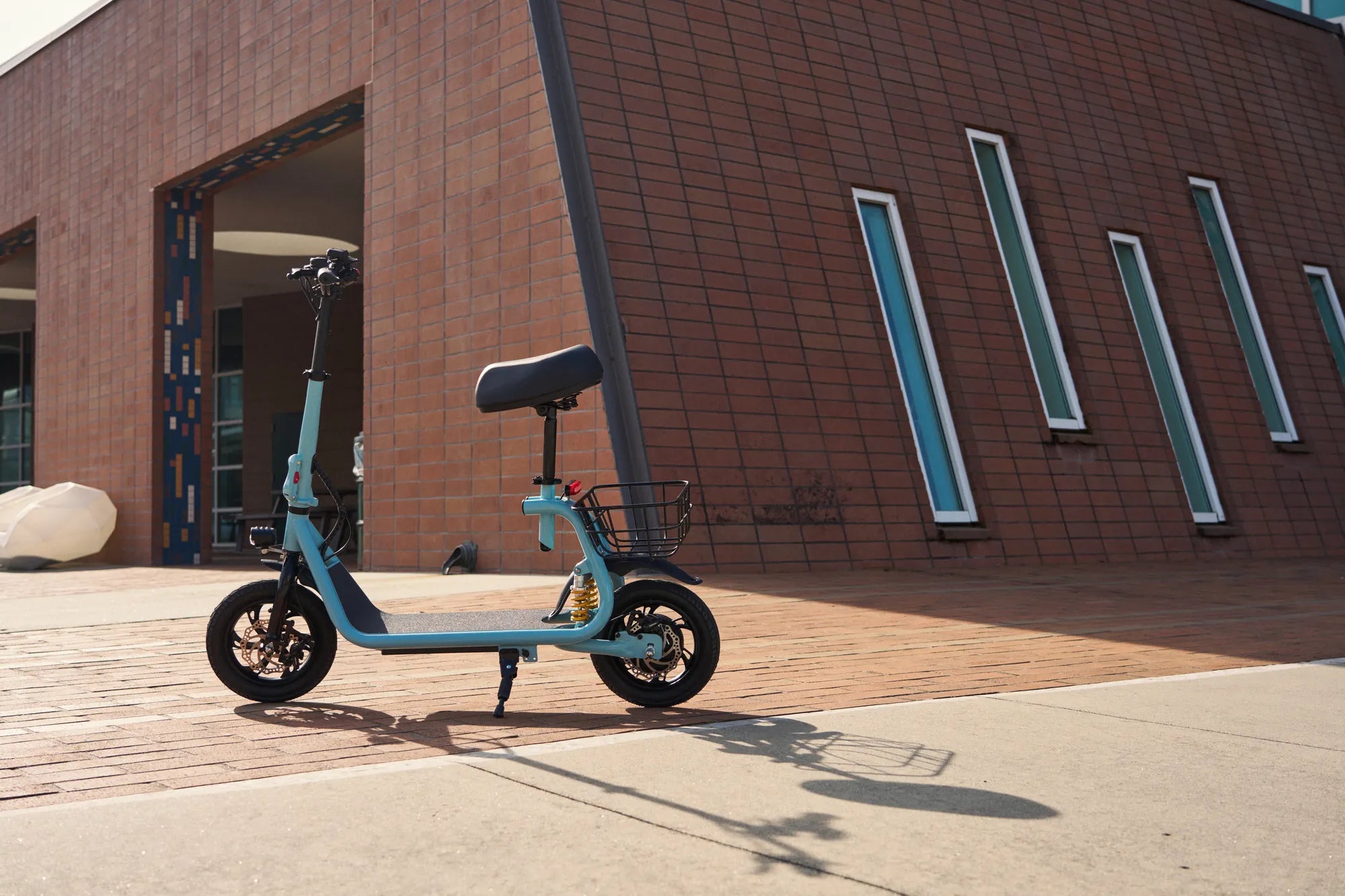
Electric bikes have surged in popularity, offering a fun and eco-friendly way to get around. But when it comes to kids, many parents wonder: can a kid ride an electric bike? The answer isn’t as simple as yes or no—it depends on factors like age, local laws, and safety precautions. Let’s dive into the details to help you make an informed decision.
Understanding Electric Bikes and Their Appeal to Kids
Electric bikes, or e-bikes, are bicycles equipped with an electric motor that assists with pedaling. They come in various styles, from mountain bikes to commuter models, and their speed capabilities can vary. For kids, e-bikes can be an exciting way to explore their neighborhood or enjoy outdoor adventures. However, the thrill of riding an e-bike also comes with risks, especially for younger children who may lack the experience or judgment to handle higher speeds.
Legal Age Restrictions for Riding an Electric Bike
One of the first questions parents ask is whether there are legal age limits for e-bike riders. The answer varies by location:
- United States: Federal law classifies e-bikes into three categories (Class 1, 2, and 3), and some states impose age restrictions. For example, in California, riders under 16 are prohibited from operating Class 3 e-bikes.
- Europe: Many European countries require riders to be at least 14 or 16 years old, depending on the e-bike’s power and speed.
- Other Regions: Always check local regulations, as laws can differ significantly even within the same country.
Ignoring these rules can result in fines or confiscation of the e-bike, so it’s crucial to research your area’s specific requirements.
Safety Considerations for Kids Riding E-Bikes
Even if local laws permit kids to ride e-bikes, safety should always be the top priority. Here are key factors to consider:
1. Physical Ability and Maturity
Not all kids are ready to handle an e-bike. Consider whether your child has the strength to control the bike, the coordination to brake safely, and the maturity to follow traffic rules. Younger children may struggle with the added weight and speed of an e-bike compared to a traditional bicycle.
2. Helmet and Protective Gear
A helmet is non-negotiable, but additional gear like knee pads, elbow pads, and gloves can provide extra protection. Ensure the helmet meets safety standards and fits properly.
3. Supervision and Training
Before allowing your child to ride unsupervised, spend time teaching them how to operate the e-bike safely. Practice in a controlled environment, such as an empty parking lot, and gradually introduce more challenging terrain.
4. Speed and Power Settings
Many e-bikes allow riders to adjust the level of motor assistance. For kids, it’s wise to limit the speed and power to reduce the risk of accidents. Some models even come with parental controls for added peace of mind.
Potential Risks of Kids Riding E-Bikes
While e-bikes can be a blast, they’re not without risks. Common concerns include:
- Higher Speeds: E-bikes can reach speeds of 20 mph or more, increasing the severity of crashes.
- Heavier Weight: If the bike tips over, it can be harder for a child to maneuver or lift.
- Traffic Hazards: Kids may not yet have the skills to navigate busy streets or intersections safely.
Parents should weigh these risks carefully and decide whether their child is prepared to handle them.
Alternatives to Full-Powered E-Bikes for Kids
If a traditional e-bike seems too advanced for your child, consider these alternatives:
- Low-Power E-Bikes: Some models are specifically designed for kids, with lower speeds and lighter frames.
- Balance Bikes: For younger children, balance bikes can help build confidence and coordination before transitioning to an e-bike.
- Traditional Bikes: There’s no rush—kids can still have plenty of fun on a pedal-powered bike until they’re ready for an e-bike.
Final Thoughts: Making the Right Decision for Your Child
Deciding whether a kid can ride an electric bike involves balancing excitement with safety. By understanding the legal requirements, assessing your child’s readiness, and prioritizing protective measures, you can make an informed choice. Whether your child is zipping around the block or sticking to sidewalks, the goal is to ensure they have fun while staying safe. Ready to explore the world of e-bikes for kids? Start by checking your local laws and gearing up for adventure!
Electric Bike for Kids 12-14: The Ultimate Guide to Safe and Fun Riding
Electric Bike Info: Everything You Need to Know Before You Ride