



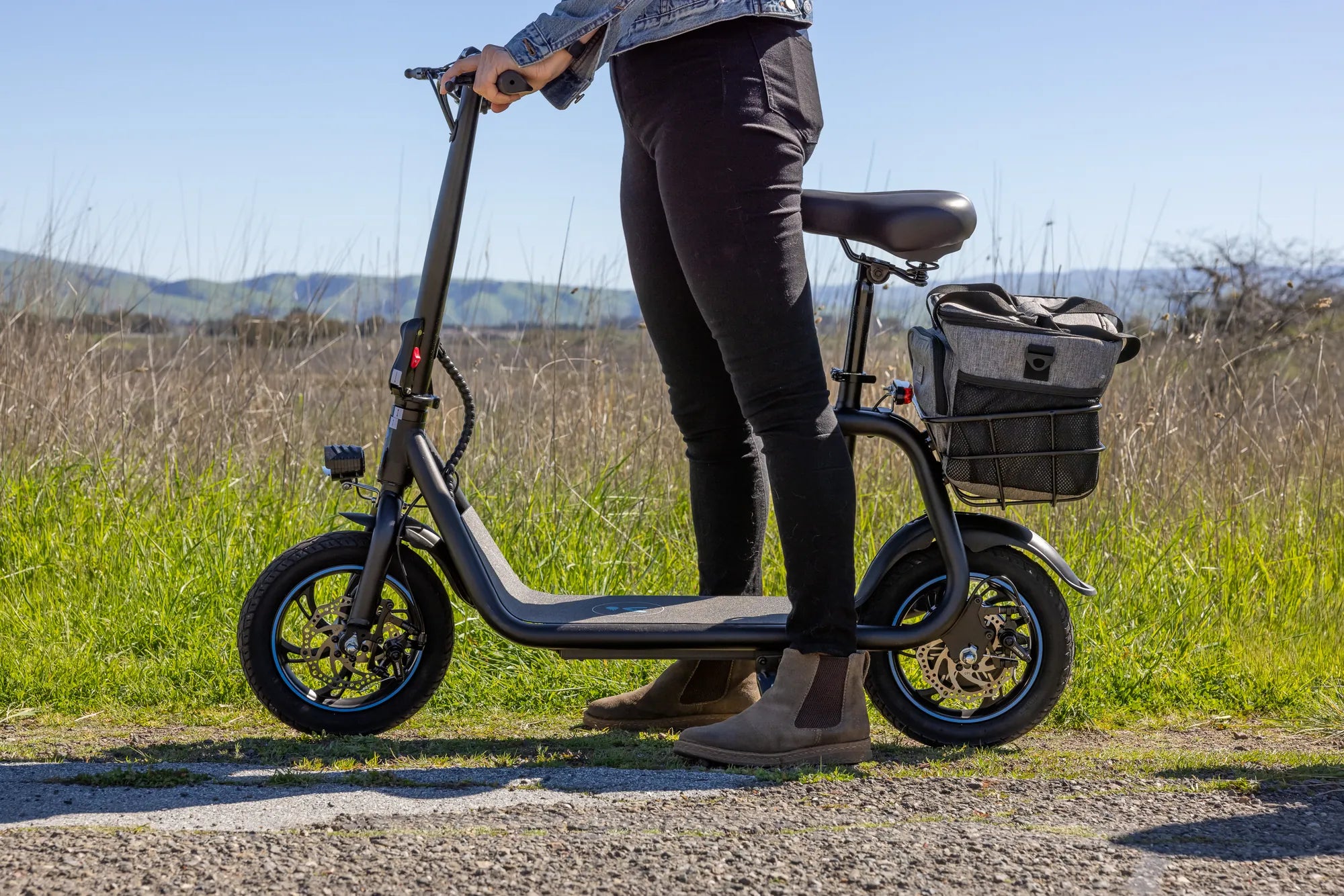
Planning to take your electric scooter on your next flight? You're not alone. As electric scooters become increasingly popular for urban commuting, many travelers wonder whether they can bring them along on planes. The answer isn't straightforward—it depends on airline policies, battery specifications, and safety regulations. Let's dive into everything you need to know before heading to the airport.
Understanding Airline Policies on Electric Scooters
Most airlines have strict rules regarding lithium-ion batteries, which power most electric scooters. These batteries are classified as hazardous materials due to their flammability, so airlines impose specific restrictions to ensure passenger safety.
Generally, electric scooters with batteries under a certain watt-hour (Wh) rating may be allowed in carry-on or checked baggage, while those exceeding the limit are often prohibited. For example, many airlines permit batteries up to 160Wh in carry-on luggage but ban larger ones entirely.
Battery Size and Watt-Hour Limits
The key factor determining whether your electric scooter can fly is its battery capacity. Here's a quick breakdown of common regulations:
- Under 100Wh: Usually allowed in both carry-on and checked baggage (with airline approval).
- 100Wh–160Wh: Often permitted in carry-on only, with a limit of two spare batteries.
- Over 160Wh: Typically prohibited on passenger aircraft.
To calculate your scooter's watt-hour rating, multiply the battery voltage (V) by its ampere-hour (Ah) capacity. If your scooter's battery exceeds airline limits, you may need to ship it separately as dangerous goods.
Checked Baggage vs. Carry-On: Which Is Better?
If your scooter's battery falls within acceptable limits, you'll need to decide whether to check it or carry it on. Here are the pros and cons of each option:
Checked Baggage
Pros:
- No need to lug it through security or the cabin.
- More space for other carry-on items.
Cons:
- Risk of damage from rough handling.
- May require special packaging to protect the battery.
Carry-On
Pros:
- Reduced risk of damage since you keep it with you.
- Easier to ensure compliance with battery rules.
Cons:
- Takes up valuable cabin space.
- May face additional scrutiny at security checkpoints.
Tips for Traveling with an Electric Scooter
To avoid last-minute surprises, follow these tips when flying with your electric scooter:
- Check Airline Policies in Advance: Rules vary by carrier, so review their website or call customer service.
- Pack the Battery Properly: Use insulated packaging to prevent short circuits.
- Bring Documentation: Have your scooter's battery specifications handy in case of questions.
- Arrive Early: Security checks for batteries can take extra time.
- Consider Renting at Your Destination: If flying with your scooter is too complicated, renting one locally might be easier.
What Happens If Your Scooter Is Denied?
Despite careful planning, some travelers still face issues at the airport. If your scooter is denied at check-in, you have a few options:
- Ship It Separately: Use a freight service that handles lithium batteries.
- Store It Temporarily: Some airports offer storage facilities for prohibited items.
- Make Alternate Plans: Explore public transportation or rideshare options at your destination.
Flying with an electric scooter doesn't have to be a headache—if you know the rules. By understanding airline policies, packing smartly, and preparing for potential hurdles, you can enjoy the convenience of your scooter wherever your travels take you. Ready to hit the road (and the skies)? Start planning your trip today!
Do I Need a Licence to Ride an Electric Scooter? The Ultimate Guide
Are Electric Scooters the Future of Urban Transport? Exploring the Potential