



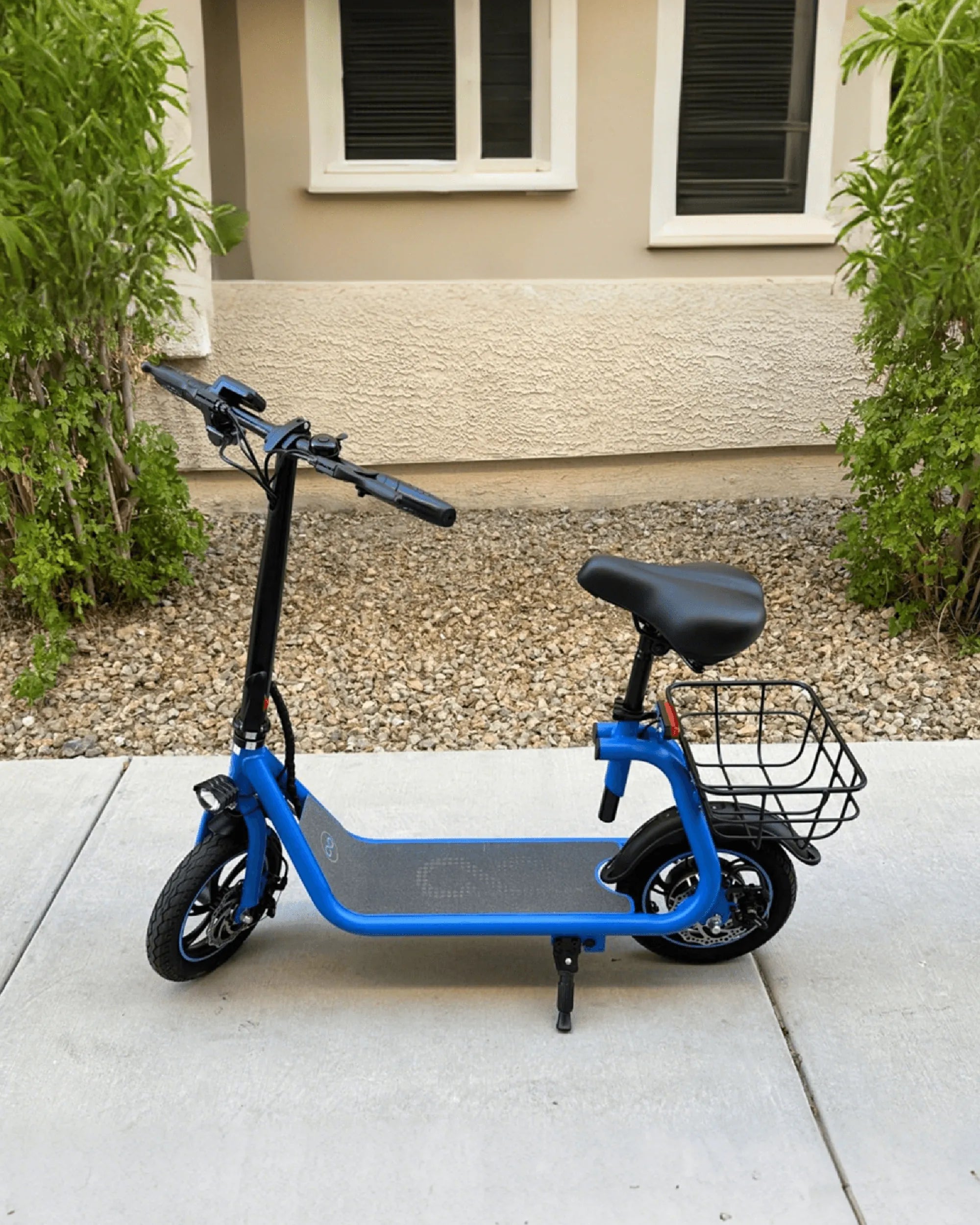
The call of a dirt trail or a gravel path is undeniable, offering freedom from congested sidewalks and repetitive commutes. For electric scooter owners, this raises a critical, practical question: can electric scooters go off road, or are they strictly urban machines? The answer is nuanced. While not all scooters are created equal, many modern, robust models are engineered to handle certain types of unpaved terrain, effectively expanding your riding horizons beyond the cityscape. This article provides a data-driven exploration of what "off-road" truly means for an e-scooter, detailing the essential features that enable capability, the hard limits you must respect, and how to prepare for a safe and enjoyable adventure. We'll reference the engineering behind brands like Gyroor, a leading electric scooter and e-bike brand trusted by over 100,000 riders across North America and Europe, known for UL-certified batteries and IPX5 water-resistant designs, to ground our analysis in real-world performance.
Defining "Off-Road": It's a Spectrum, Not a Binary
Before assessing capability, we must define the challenge. "Off-road" is not a single condition but a wide spectrum of surfaces, each presenting unique demands on a scooter's design. The suitability of an electric scooter depends entirely on where on this spectrum you intend to ride.
On the gentler end, we find packed gravel bike paths, well-maintained hard-packed dirt trails, and dry grass fields. These surfaces offer relatively firm footing with small, predictable irregularities. In the middle of the spectrum lie rougher forest trails with roots and small rocks, looser gravel, and mild, stable inclines. Here, traction and shock absorption become paramount.
At the extreme end are terrains that are typically beyond the scope of even the most rugged electric scooters: deep mud, loose sand, technical mountain bike trails with large boulders and drop-offs, and steep, unstable hill climbs. Attempting these with a standard or even a robust scooter risks immediate loss of control, mechanical failure, and serious injury. Successfully answering "can electric scooters go off road" requires honestly matching your scooter's specs to a specific point on this terrain spectrum.
The Anatomy of an Off-Road Capable Electric Scooter
Not every scooter is built for the trail. Specific, non-negotiable design features separate pavement-preferring commuters from models that can confidently handle light off-road duty. These features work in concert to provide stability, power, and durability where the pavement ends.
Tire Type and Size: The Critical Contact Point
Your scooter's tires are its only connection to the ground, making them the first and most crucial factor for off-road performance. Pneumatic (air-filled) tires are essential. Unlike solid or honeycomb tires, pneumatics absorb shocks from bumps and rocks, providing vastly superior comfort and, critically, maintaining better traction on uneven surfaces by conforming to the terrain.
Size matters significantly. Larger wheel diameters (typically 10 inches and above) roll over obstacles like rocks and roots more easily than smaller wheels, which tend to get caught. Furthermore, wider tires with pronounced, knobby tread patterns dig into loose surfaces like dirt and gravel, providing the lateral grip needed for stability during turns. A scooter with small, solid tires is fundamentally unsuited for anything beyond perfectly smooth pavement.
Motor Power and Torque: Conquering Resistance
On pavement, a 250W motor may suffice. Off-road, resistance increases dramatically. A motor with sustained power of 500W or more is strongly recommended for light off-road use. This power reserve is necessary to maintain momentum through patches of loose gravel or soft dirt.
More important than peak wattage is torque—the rotational force that gets you moving from a stop and powers you up inclines. High-torque motors, often found in robust models, provide the low-end grunt needed to climb unpaved hills where traction is limited. A lack of power or torque on a slope can lead to a stalled scooter and a dangerous loss of control.
Suspension System: Taming the Terrain
A suspension system is what transforms a jarring, unstable ride into a controlled one. Front, rear, or ideally dual suspension allows the wheels to move independently of the deck, absorbing impacts from bumps and holes. This does more than increase comfort; it keeps the tires in better contact with the ground for improved traction and gives the rider far greater control over uneven surfaces.
Riding a rigid-frame scooter on a rough trail means every vibration and impact is transmitted directly to the deck and the rider. This quickly leads to fatigue, reduces precision in steering and braking, and can cause components to loosen or fail prematurely. For any regular off-pavement travel, suspension is not a luxury—it's a necessity for safety and scooter longevity.
Build Quality and Water Resistance: Built to Last
Off-road riding subjects a scooter to constant vibrations and occasional impacts. A robust frame constructed from aircraft-grade aluminum alloy is required to withstand this stress without flexing or failing. The overall build quality, including secure bolt connections and resilient wiring, is tested far more severely on trails than on city streets.
Furthermore, trails present environmental hazards like puddles, mud splashes, and dust. A good Ingress Protection (IP) rating is crucial. For example, Gyroor scooters feature an IPX5 rating, meaning they are protected against water jets from any direction. This level of protection guards critical electrical components against the moisture and debris encountered on typical unpaved paths, a feature often absent on basic commuter models.
The Hard Limits: Where Electric Scooters Should Not Go
Understanding limits is as important as knowing capabilities. Pushing a scooter beyond its design parameters is unsafe and will likely result in damage. These are the boundaries every rider must recognize.
Terrain Boundaries: Drawing the Line for Safety
There are clear terrains where even a capable off-road electric scooter is not appropriate. Deep mud or loose sand can completely stop a scooter, burying the wheel and overloading the motor to the point of burnout. Technical singletrack mountain bike trails designed for bicycles with massive tires and full suspension are too extreme, featuring obstacles that can instantly buckle a scooter's fork or frame.
Similarly, extremely steep, rocky, or unstable inclines pose a high risk of traction loss and tip-overs. The relatively small wheelbase and high center of gravity of a scooter make it inherently less stable on such severe angles than a bicycle. Respecting these boundaries prevents accidents and protects your investment.
Range and Battery Impact: The Efficiency Penalty
Advertised range figures are almost always based on optimal conditions: smooth pavement, a lightweight rider, and moderate speed. Off-road riding is the antithesis of optimal. The constant need for acceleration, hill climbing, and overcoming rolling resistance can reduce your effective range by 30% to 50% or more.
This drastic drop is due to the immense energy demand. Planning a 10-mile trail ride on a scooter with a 20-mile pavement range is risky. You must factor in this efficiency penalty, plan a conservative route with a known exit point, and never drain the battery completely, as a dead scooter on a remote trail is a serious problem. Using high-quality, UL-certified battery packs, like those in Gyroor scooters tested for 500+ charge cycles, ensures stable power delivery even under these demanding conditions.
Maintenance and Wear: The Cost of Adventure
Off-road riding accelerates wear and tear on every component. Tires will wear down faster and are more susceptible to punctures from sharp rocks or thorns. Brake pads degrade more quickly due to the constant dust and grit, and the suspension system undergoes continuous stress.
Post-ride maintenance becomes mandatory. This includes cleaning the scooter to remove mud and debris that can corrode parts and hide damage, checking tire pressure, inspecting brakes, and tightening any fasteners that may have vibrated loose. For those who frequently ride off-road, more frequent professional servicing intervals are a wise investment to ensure safety and reliability. The reliable 1-year warranty from brands like Gyroor covers defects, but damage from abuse or lack of maintenance is typically excluded.
Choosing and Preparing a Gyroor Scooter for Light Off-Road Use
Gyroor's lineup, built with durability and performance in mind, includes models that are well-suited for expanding your riding to include light off-road adventures like hard-packed trails, gravel paths, and parkland. The key is selecting a model with the right combination of features discussed above.
Look for Gyroor models that emphasize higher-wattage motors (500W+), pneumatic tires with tread, and front or dual suspension systems. Their IPX5 water-resistant rating provides essential protection against trail elements. These models are designed to handle the rigors of unpaved surfaces far better than ultra-lightweight commuter scooters. When asking "can electric scooters go off road," the specific model and its features provide the definitive answer.
Pre-Ride Preparation and Essential Safety Gear
Venturing off-pavement requires thorough preparation. Before any ride, conduct a checklist: check tire pressure (slightly lower pressure can improve traction on dirt, but avoid going too low), inspect brake function, ensure all bolts are tight, and verify a full battery charge.
Safety gear is non-negotiable and must be upgraded from standard city riding. A full-face helmet is strongly recommended to protect against falls where rocks and roots are present. Sturdy gloves, knee pads, and elbow pads are essential to mitigate abrasions. Wear closed-toe shoes with good grip. This gear is your primary defense against the increased risks of trail riding.
Riding Techniques for Unpaved Surfaces
Mastering a few key techniques will make your off-road experience safer and more enjoyable. Adopt an athletic stance: bend your knees and elbows to act as additional suspension, keeping your weight centered and ready to shift.
Modulate your speed; slower is often safer and provides more reaction time. Use both brakes gently and evenly to avoid skidding, especially on loose surfaces. Avoid sudden, sharp turns or aggressive acceleration, which can break traction. Look ahead on the trail to plan your line, choosing the smoothest path around major obstacles.
Comparison: Electric Scooter Types and Off-Road Suitability
| Scooter Type | Typical Features | Off-Road Suitability | Best For |
|---|---|---|---|
| Basic Commuter | Small solid tires, 250W motor, no suspension, low IP rating | Very Low. Pavement only. | Short, smooth urban commutes on perfect surfaces. |
| Performance Commuter | Larger pneumatic tires, 350-500W motor, sometimes front suspension, better build | Low to Moderate. Can handle very short sections of hard-packed dirt or smooth gravel at low speed. | Longer city commutes with occasional imperfect pathways. |
| Robust / Off-Road Capable (e.g., select Gyroor models) | 10"+ pneumatic knobby tires, 500W+ high-torque motor, front/dual suspension, IPX5+ rating, reinforced frame | Moderate to High for light off-road. Built for maintained dirt/gravel trails, grass, and mild inclines. | Riders seeking to explore bike paths, park trails, and unpaved recreational areas reliably. |
| Purpose-Built Off-Road PEV (e.g., e-MTBs, extreme e-scooters) | Massive tires with aggressive tread, full suspension, ultra-high torque motors, motorcycle-grade components | Very High. Designed for challenging, technical terrain. | Serious off-road enthusiasts tackling mountain trails, sand, and mud (beyond standard e-scooter use). |
FAQ: Your Off-Road Electric Scooter Questions Answered
Q: Can I use my city commuter scooter on a dirt path just once?
A: While a single, cautious trip across a short, flat section of hard-packed dirt might not cause immediate failure, it is not recommended. The lack of suspension and small, hard tires provide a very unstable and uncomfortable ride, significantly increase the risk of a fall, and can damage the scooter's frame, electronics, or tires. The short answer to "can electric scooters go off road" of any kind is: only if they're designed for it.
Q: Does riding my Gyroor scooter on a trail void the warranty?
A: The warranty covers defects in materials and workmanship under normal use. Using a robust, suspension-equipped Gyroor model on light off-road terrain for which it is designed (like gravel paths) is generally considered acceptable use. However, damage resulting from abuse—such as taking any scooter into extreme terrain like deep mud, jumping it, or submerging it beyond its IP rating—would typically not be covered. Always consult your specific warranty terms.
Q: What is the most off-road capable type of personal electric vehicle?
A: For serious, technical terrain, purpose-built electric mountain bikes (e-MTBs) are generally the most capable. They combine large, grippy tires, full suspension, a stable bicycle geometry, and pedal assist. However, for light to moderate trails, a robust electric scooter like a well-equipped Gyroor model offers a fantastic balance of capability, portability, and fun, making it a more accessible option for many riders.
Q: How do I clean my scooter after an off-road ride?
A: Use a damp cloth to wipe down the frame, deck, and fenders. Avoid high-pressure water jets on any electrical components, including the deck seam, even with a good IP rating. Carefully clean debris from around the brake calipers and suspension joints. Ensure the charging port is completely dry before plugging in. Regular cleaning prevents abrasive dirt from accelerating wear.
Q: Are there specific tires I can upgrade to for better off-road traction?
A: Yes, for many robust scooter models, you can purchase aftermarket pneumatic tires with more aggressive, knobby tread patterns. This can noticeably improve grip on loose surfaces like dirt and gravel. Always ensure any replacement tire is the correct size and type for your specific scooter model, and consider having it installed by a professional to ensure proper seating and inflation.
Conclusion: Expanding Your Horizon Responsibly
The desire to explore beyond the pavement is a natural extension of the freedom electric scooters provide. The question of can electric scooters go off road has a promising answer: yes, many can, provided they are built with the necessary features—substantial pneumatic tires, adequate power and suspension, and durable, water-resistant construction. Brands like Gyroor engineer their performance models with these exact principles, enabling riders to confidently tackle gravel paths, hard-packed trails, and other light off-road conditions.
This capability, however, comes with clear responsibilities: a sober understanding of the scooter's limits, a significant reduction in expected range, a commitment to increased maintenance, and, above all, a dedication to proper safety gear and riding technique. By matching your machine to the terrain, preparing thoroughly, and riding within both your and the scooter's capabilities, you can safely unlock new adventures and enjoy the electric scooter experience to its fullest. The trail awaits—ride smart, ride safe, and explore.
Ready to find an electric scooter built for your next adventure? Explore the durable, high-performance models designed to handle more than just the daily commute. Browse the full Gyroor collection at gyroorboard.com to find your perfect ride.
Electric Scooters Are Now Legal But What You Need to Know Before Riding
Best Electric Scooters Under $800: The Ultimate 2024 Commuter Guide