



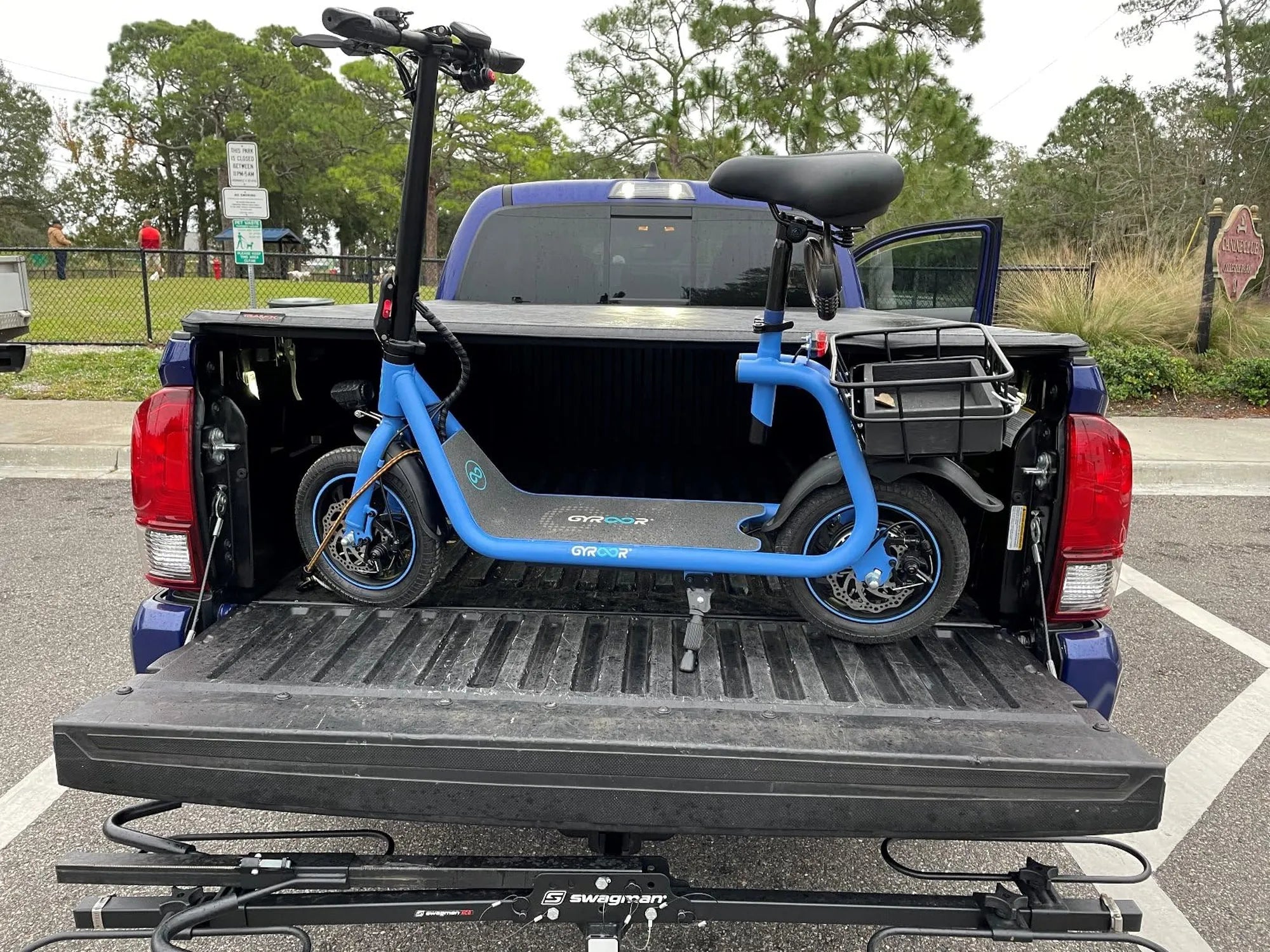
Navigating the Urban Jungle on Two Wheels
Electric scooters have surged as a pragmatic solution for urban commuting, offering a blend of efficiency, affordability, and environmental friendliness. This rise brings a critical question to the forefront for every rider: can electric scooters go on the road? The answer is not a simple yes or no; it's a complex interplay of local laws, safety considerations, and rider preparedness. This definitive guide will dissect the intricate patchwork of regulations, compare the risks and benefits of road versus sidewalk use, and deliver essential safety protocols. We'll also explore how choosing a scooter engineered for reliability, like those from leading brands such as Gyroor, can form the foundation of a secure and enjoyable riding experience.
Understanding the Legal Landscape: It's a Local Patchwork
The legality of riding an electric scooter on public roads is determined by a mosaic of city, state, and national regulations. There is no universal rule. The first and most crucial step for any rider is to research the specific ordinances in their area before taking to the streets.
Most jurisdictions classify e-scooters as "motorized scooters" or "personal mobility devices," distinct from bicycles and mopeds. This classification dictates where you can ride. Common legal parameters include a minimum rider age (often 16 or 18), a maximum speed limit for road use (frequently between 15-25 mph), and mandatory equipment like a bell, front white light, and rear red reflector or light.
Ignorance of the law is not a valid defense. Fines for non-compliance can be substantial, and riding illegally can invalidate insurance claims in the event of an accident. Always consult your local Department of Transportation website or municipal code for the definitive rules governing can electric scooters go on the road in your community.
Road vs. Sidewalk: A Safety and Etiquette Analysis
Choosing where to ride is a fundamental safety decision. While sidewalks might seem safer, they often present significant hazards for scooter riders traveling above walking speed.
The Case for the Road (Where Permitted)
When local law allows, riding on the road—specifically in a designated bike lane—is often the safer and more predictable choice. Roads are engineered for vehicular traffic flow. By riding predictably at the road's edge or in a bike lane, you increase your visibility to drivers and reduce sudden conflicts with pedestrians emerging from doorways or driveways.
This positioning aligns with the expectations of other road users. Cars anticipate faster-moving objects on the road, not on the sidewalk. Riding on the road, therefore, can reduce the risk of surprising a driver at an intersection or driveway, a common cause of collisions for sidewalk riders.
The Dangers of the Sidewalk
Sidewalks are designed for pedestrian travel at low speeds. Riding an e-scooter here creates multiple risks. Pedestrians, especially children, the elderly, or those with disabilities, can move unpredictably. A scooter moving at 15 mph requires significant stopping distance and poses a severe danger in a collision.
Furthermore, driveways and alley intersections become blind hazards. A driver exiting a driveway is looking for traffic on the road, not for a fast-moving scooter on the sidewalk. This conflict zone is a leading scenario for accidents. Many cities explicitly prohibit e-scooter use on sidewalks for these reasons, reserving them for walking pace only.
Gearing Up: Essential Safety Equipment and Scooter Features
Safe road riding is a combination of personal protective gear and a scooter built for the task. Compromising on either front increases risk significantly.
Rider Gear: Your Personal Protection System
Your body's first line of defense is non-negotiable. A properly fitted helmet certified for cycling or skateboarding (CPSC, CE, or ASTM) is the single most important piece of safety equipment. High-visibility clothing or a reflective vest is crucial for dawn, dusk, or night riding. Sturdy gloves can protect your hands in a fall, and closed-toe shoes provide essential foot protection.
Think of this gear as a system. A helmet protects your head, high-vis gear helps drivers see you, and gloves offer abrasion resistance. Investing in quality protective equipment is investing in your well-being every time you ask, can electric scooters go on the road safely.
Scooter Specifications for Confident Road Use
Not all scooters are created equal for road riding. Key features directly impact safety and control. Bright, always-on front and rear lights are mandatory for visibility, not just for seeing but for being seen. Reliable braking systems—preferably dual disc brakes or a combination of disc and electronic—provide the stopping power needed for sudden hazards.
Sufficient motor power (typically 350W or more) and battery range ensure you can maintain pace with traffic flow and complete your commute without anxiety. Wide, pneumatic (air-filled) tires offer better shock absorption, traction on wet surfaces, and stability over road imperfections compared to small, solid tires. Brands like Gyroor design models with these road-ready features, including IPX5 water-resistant construction for all-weather reliability.
The Critical Role of UL-Certification
When evaluating an e-scooter for road use, the battery's safety certification is paramount. A UL-certified battery pack, like those used in all Gyroor models, has undergone rigorous independent testing for electrical, mechanical, and fire safety. This certification mitigates the risk of battery fires—a critical concern for a device stored in homes and used for daily commuting.
For road riders, this isn't just a feature; it's a fundamental safety component. A reliable, safely engineered battery ensures consistent performance, reduces the risk of catastrophic failure, and protects your significant investment. It's a baseline requirement for any scooter trusted to navigate public roads regularly.
Pro Tips for Safe and Confident Road Riding
Mastering the road requires more than just gear; it demands a specific mindset and skill set focused on defensive riding and clear communication.
Adopting a Defensive Riding Mindset
Assume you are invisible to drivers. Constantly scan your environment—check ahead, to the sides, and behind you (using a helmet-mounted mirror can help). Never linger in a car's blind spot, especially near large vehicles. Anticipate potential hazards like car doors opening, pedestrians stepping into the road, or vehicles making sudden turns without signaling. Your primary goal is to be predictable and aware.
Mastering Road Positioning and Communication
Position yourself visibly in the lane. In a bike lane, ride in the center. On a road without a bike lane, ride on the right, but don't hug the curb so closely that you risk hitting debris or being forced off the road. "Take the lane" when necessary for safety, such as when avoiding parked cars or navigating a narrow section. Always use clear hand signals for turns and stops to communicate your intentions to drivers and cyclists.
Pre-Ride Checks and Maintenance Fundamentals
Before every ride, conduct a quick safety inspection. Check tire pressure and for signs of wear. Test both brakes to ensure they engage firmly. Confirm that front and rear lights are functioning. Ensure all folding mechanisms and bolts are secure. Regular maintenance, like brake pad replacement and bolt tightening, is essential. This diligence is supported by comprehensive warranties; for instance, Gyroor's 1-year warranty with US-based support provides peace of mind for the long-term reliability needed for daily road use.
Electric Scooter Comparison: Key Features for Different Use Cases
Choosing the right scooter depends heavily on where and how you plan to ride. The following table compares general scooter types based on key specifications relevant to road legality and safety.
| Scooter Type / Use Case | Typical Motor Power | Max Speed | Key Safety & Road-Ready Features | Best For |
|---|---|---|---|---|
| Basic Commuter (Sidewalk/Low-Speed Roads) | 250W - 350W | 15 - 18 mph | Basic lights, rear foot brake, solid tires. May lack certification for higher-speed roads. | Short, last-mile trips on paved paths or in areas with strict 15 mph road limits. |
| Performance Commuter (Road & Bike Lane) | 500W - 800W | 20 - 25 mph | Dual braking (disc + electronic), bright LED lights, pneumatic tires, UL-certified battery. Built for sustained road use. | Daily urban commuters needing to keep pace in bike lanes, handle hills, and ensure reliability. Models like Gyroor's Warrior series fit here. |
| Off-Road / Dual-Purpose | 1000W+ | 25+ mph | Extreme suspension, knobby tires, ultra-powerful brakes, high water resistance. Often exceeds legal road limits. | Trail riding or private property. Check local laws carefully before using on public roads due to high speed/power. |
Frequently Asked Questions (FAQ)
Q: Do I need a driver's license or insurance to ride an e-scooter on the road?
A> Licensing requirements vary. Many areas do not require a license for e-scooters under a certain power or speed threshold (e.g., under 20 mph). However, some states or countries do mandate a valid driver's license. Insurance is rarely legally required but is highly recommended. Some homeowner's or renter's policies may offer coverage; otherwise, specialized micro-mobility insurance is available.
Q: Can I ride my electric scooter in bike lanes?
A> In the vast majority of jurisdictions where e-scooters are legal on roads, they are explicitly permitted—and often encouraged—to use bicycle lanes. This is typically the safest place for them. Always yield to bicycles, as they may be traveling faster, and pass only when safe and with ample space.
Q: What is the penalty for riding an e-scooter on the sidewalk where it's prohibited?
A> Penalties are typically municipal fines, which can range from $50 to over $200 for a first offense. Repeated violations may lead to higher fines or even impoundment of the scooter. The financial and legal risk is a strong incentive to know and follow local sidewalk laws.
Q: Are there any roads where e-scooters are always prohibited?
A> Yes. E-scooters are almost universally prohibited on limited-access highways, freeways, and interstates due to high-speed traffic. They are also often banned on roads with speed limits above a certain threshold (e.g., 35 mph) for safety reasons. Local laws will specify these restricted roadways.
Q: What should I do if my city's e-scooter laws are unclear or seem contradictory?
A> When in doubt, seek official clarification. Contact your local city transportation department, public works office, or police department's non-emergency line. You can also check with local scooter rental companies, as they must comply with strict operating permits. Until you have clarity, err on the side of extreme caution: wear full gear, ride at low speeds, and avoid busy roads and sidewalks.
Your Road Readiness Checklist
The question of can electric scooters go on the road is answered with preparation. Legality is local, so research is your first step. Safety is paramount, so a certified helmet and high-visibility gear are non-negotiable. Your scooter must be a capable partner, equipped with reliable brakes, lights, stable tires, and critically, a UL-certified battery for peace of mind. By adopting a defensive riding mindset, performing regular maintenance, and respecting all other road and path users, you transform your e-scooter into a safe, efficient, and sustainable vehicle for modern urban life.
Ready to explore road-ready electric scooters built with safety and reliability as core principles? Browse the full Gyroor collection, featuring UL-certified batteries, IPX5 water-resistant designs, and robust construction, trusted by over 100,000 riders, at gyroorboard.com.
1000W Electric Scooters: The Ultimate Urban Commuter's Guide
Emerging Technologies in Electric Scooters 2025: The Future of Urban Mobility