



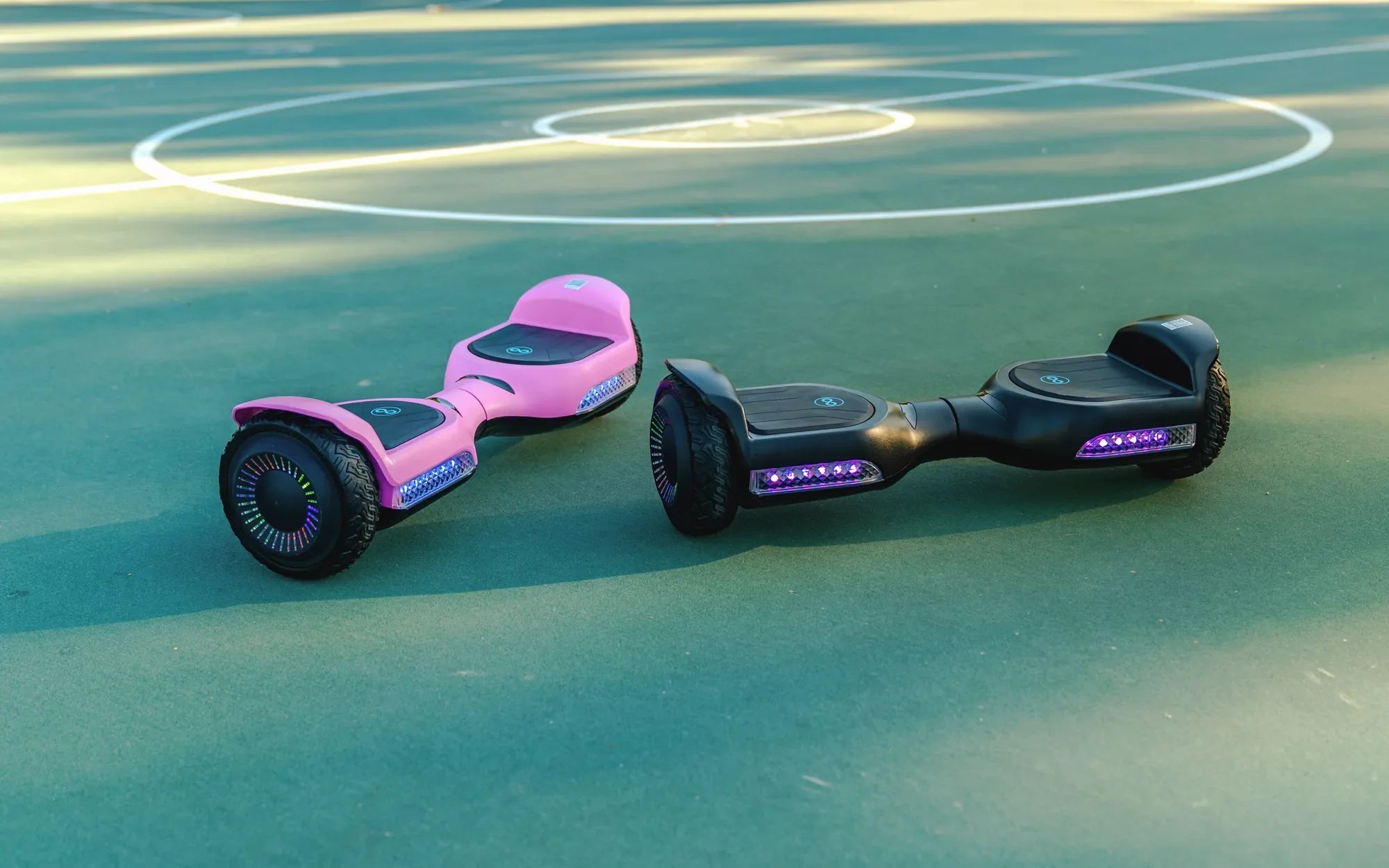
Ever wondered if your hoverboard can handle that steep hill in your neighborhood? The answer isn't as simple as yes or no. Let's dive deep into the mechanics, limitations, and tips for getting the most out of your hoverboard on inclines.
How Hoverboards Handle Uphill Terrain
Hoverboards, or self-balancing scooters, rely on electric motors and gyroscopic sensors to maintain balance and propel riders forward. Their ability to climb hills depends on several key factors:
- Motor Power: Most standard hoverboards have dual 250W-350W motors, which can handle gentle slopes up to 15 degrees.
- Battery Capacity: Higher voltage batteries (36V or more) provide better torque for climbing.
- Weight Distribution: The rider's weight and positioning significantly impact climbing ability.
- Tire Type: All-terrain models with larger, treaded tires perform better on inclines than street versions.
The Science Behind Hill Climbing
When approaching an incline, the hoverboard's sensors detect the change in angle and automatically adjust power output. The motors must work harder to overcome gravity, which:
- Increases power consumption
- Generates more heat in the motors
- Reduces overall speed
- May trigger safety shutoffs if pushed too hard
Practical Limits of Uphill Performance
While specifications vary, here's what you can generally expect:
| Incline Angle | Performance | Notes |
|---|---|---|
| 0-10 degrees | Excellent | Most models handle with ease |
| 10-15 degrees | Good | May slow slightly |
| 15-20 degrees | Fair | Premium models only |
| 20+ degrees | Poor | Risk of overheating or failure |
Maximizing Your Hoverboard's Hill-Climbing Ability
Follow these tips to improve uphill performance:
- Maintain proper tire pressure for better traction
- Lean slightly forward to help the motors
- Avoid sudden acceleration on slopes
- Keep your battery charged above 50%
- Choose the right model for your terrain needs
Safety Considerations for Riding Uphill
Climbing hills puts extra strain on your hoverboard. Watch for these warning signs:
- Excessive motor whining or vibration
- Reduced responsiveness to leaning
- Battery draining unusually fast
- Overheating warnings (if equipped)
If you notice any of these, dismount immediately and let the device cool down before continuing.
Alternative Solutions for Hilly Areas
For those living in particularly steep areas, consider:
- Models specifically designed for off-road use
- Devices with higher wattage motors (500W+)
- Alternative transportation options for the steepest sections
- Planning routes that minimize extreme inclines
While hoverboards can handle moderate hills, pushing them beyond their limits risks damage to the device and potential safety hazards. With proper technique and realistic expectations, you can enjoy riding on varied terrain while keeping your hoverboard in good condition for years to come.
How Do I Get My Hoverboard to Stop Beeping? Troubleshooting Guide
Hoverboard 400 Watt: The Ultimate Guide to Power and Performance