



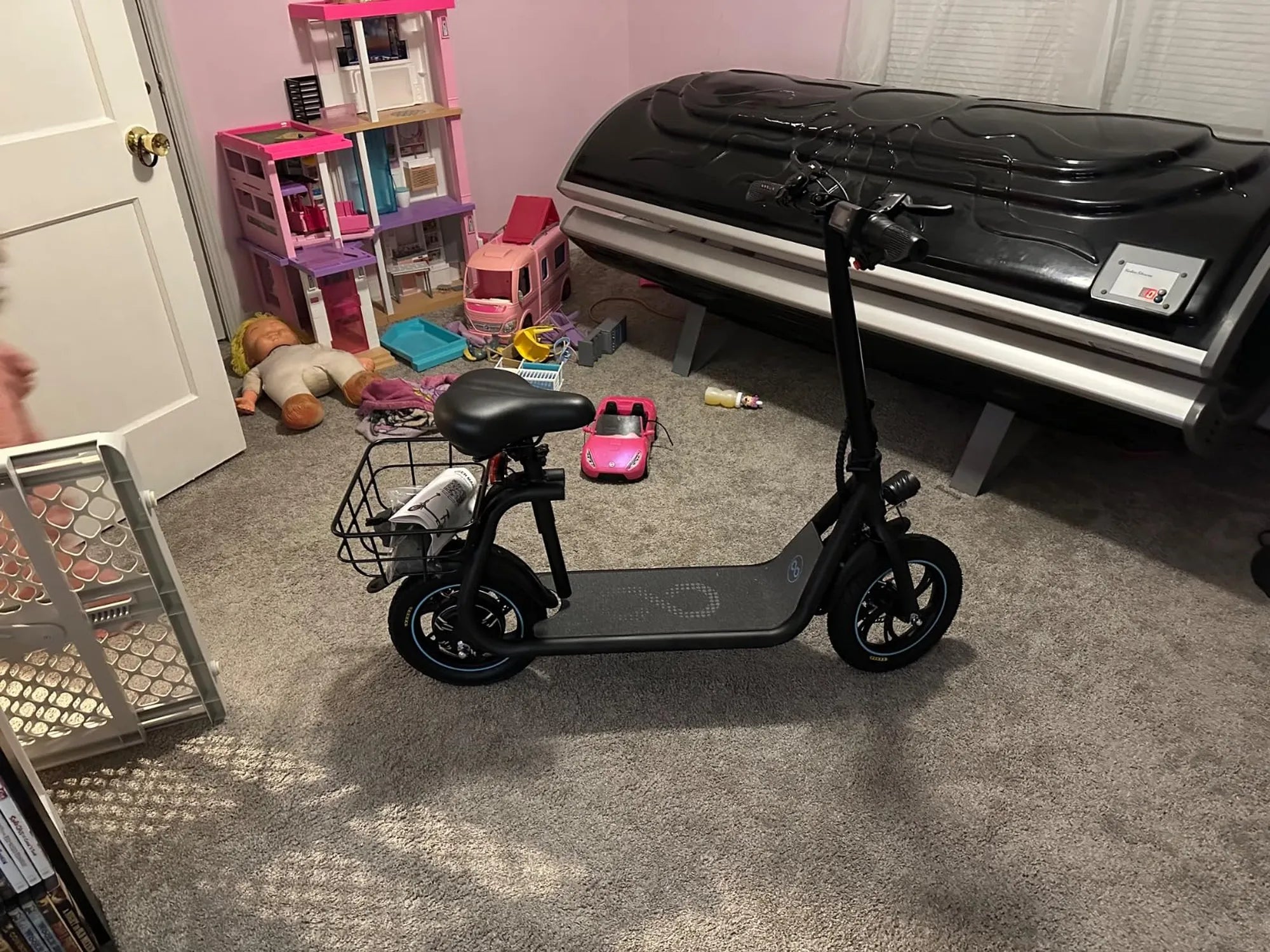
Can I Bring an Electric Scooter on a Plane? A 2024 Traveler's Guide
You can bring a scooter on a plane, but the answer is a firm "it depends." The decisive factor is almost always the scooter's lithium-ion battery, not the scooter frame itself. Aviation authorities worldwide strictly regulate these batteries due to fire risk. This guide will provide the clarity you need, detailing the critical rules from the FAA and IATA, how to interpret your scooter's battery specs, and the precise steps to take for a hassle-free journey. You will learn the universal 160-watt-hour limit, how airline policies vary, and practical packing strategies.
Understanding the Core Restriction: Lithium-Ion Batteries
The primary hurdle for air travel with an electric scooter is the lithium-ion battery. These power cells are classified as dangerous goods because they can pose a fire hazard if damaged, defective, or improperly handled. The Federal Aviation Administration (FAA) in the United States and the International Air Transport Association (IATA) set the global standards. Their regulations focus exclusively on the battery's energy capacity, measured in watt-hours (Wh).
The universal rule is clear: lithium-ion batteries with a rating of 100 watt-hours (Wh) or less face the fewest restrictions. Batteries between 101Wh and 160Wh require airline approval and must be carried in the cabin. Crucially, spare or loose batteries over 160Wh are prohibited on passenger aircraft. Even more critical is the rule for checked baggage: devices containing lithium-ion batteries over 100Wh are generally forbidden. This makes knowing your scooter's battery rating the first and most essential step.
How to Find Your Gyroor Scooter's Battery Wh Rating
Locating your battery's watt-hour rating is straightforward. First, check the battery pack itself, the charger, or the user manual. For Gyroor models, this information is clearly printed on the battery label. If you only see voltage (V) and amp-hour (Ah) ratings, you can easily calculate the Wh using the formula: Voltage (V) x Amp-hours (Ah) = Watt-hours (Wh).
For example, a common Gyroor commuter scooter battery is 36V and 10Ah. The calculation is 36 x 10 = 360Wh. This immediately indicates this scooter cannot fly with its battery, as it exceeds the 160Wh carry-on limit. In contrast, a compact model with a 24V 5Ah battery scores 120Wh (24 x 5), which is within the allowable range for carry-on with airline approval. Always have this documented figure ready when contacting your airline.
Airline Policies: A Comparative Breakdown
While the FAA provides the regulatory framework, individual airlines enforce their own specific policies. These policies are largely consistent on the core battery rules but can differ on fees, advance notification, and how the scooter frame must be packed. The table below compares key policies from major U.S. carriers.
| Airline | Battery Policy (Carry-On) | Scooter Frame | Fees/Notes |
|---|---|---|---|
| Delta Air Lines | Allowed, ≤160Wh. Must be protected from short circuit. | Can be checked as baggage; may incur oversize fees. | Advance notification recommended. Battery must be removed. |
| American Airlines | Allowed, ≤160Wh. Max 2 spare batteries. | Checked as special item; standard baggage fees apply. | Battery terminals must be insulated (e.g., tape). |
| United Airlines | Allowed, ≤160Wh. Must be for personal use. | Accepted as checked baggage; size/weight fees apply. | Device must be completely powered off. |
| Southwest Airlines | Allowed, ≤160Wh. Must be carried in cabin. | Counts as one of two free checked bags if under 50 lbs. | No additional fees for standard-sized scooters. |
Always confirm directly with your airline 72 hours before your flight, as policies can change. European and Asian carriers typically follow IATA guidelines closely but may have additional paperwork requirements.
The TSA Security Checkpoint Process
At the TSA checkpoint, you must remove the lithium-ion battery from the scooter frame. Place the battery in a bin for X-ray screening separately. TSA officers have the final authority on whether any item is allowed through security. To ensure a smooth process, arrive early and be prepared to explain and show the battery's Wh rating on the label.
Keep your scooter's user manual or a printed screenshot of the battery specifications accessible. The scooter frame itself, if carried on, will also need to go through the X-ray machine. Be cooperative and patient, as officers may need to perform additional screening. The key is demonstrating that you are informed and have prepared according to regulations.
Practical Steps for Traveling with Your Scooter
Successful travel requires meticulous preparation. Start at least one week before your trip. First, verify your scooter battery's Wh rating. If it is 160Wh or less, contact your airline to confirm their policy and inquire about any required forms or advance notifications. For the scooter frame, consider a sturdy travel case or padded bag to prevent damage during handling.
Protect the battery terminals by covering them with non-conductive tape. Ensure the battery is charged between 30% and 50% for optimal safety during transport. Pack the battery in your carry-on luggage, surrounded by clothing for cushioning. Never place lithium batteries in checked baggage. Attach a clear label with your contact information and the battery specifications to both the battery and the scooter case.
Scenario 1: Traveling with a Gyroor Commuter Scooter (e.g., <160Wh Battery)
For a compliant scooter like a model with a 120Wh battery, you have an approved path. Remove the battery and secure the terminals. Pack the battery in your carry-on backpack or personal item. The folded scooter frame can be checked as luggage, preferably in a protective case. Alternatively, if the folded dimensions meet airline carry-on size limits, you may be able to bring the entire unit as carry-on, with the battery still separated for security screening.
This is where Gyroor's design for portability shines. Many of their compact models feature quick-release batteries and one-step folding mechanisms, making this disassembly and packing process efficient. Always double-check the folded dimensions against your airline's carry-on size chart before attempting to bring the frame into the cabin.
Scenario 2: When Your Scooter Battery Exceeds 160Wh
If your scooter, such as a high-performance model with a 360Wh battery, exceeds the limit, your options are severely limited. You cannot bring the battery on a passenger aircraft in carry-on or checked baggage. The only legal option is to ship the battery separately via a ground freight service that accepts hazardous materials. This is often complex and expensive.
Practical alternatives become necessary. Consider renting an electric scooter at your destination. Many cities offer rental services through apps. Alternatively, research if your accommodation or a local shop offers scooter rentals. For regular travelers needing a scooter at their destination, purchasing a compliant, lower-Wh model specifically for travel may be the most reliable long-term solution.
Why Gyroor Designs with Travel in Mind
Gyroor integrates travel-friendly features directly into its engineering philosophy. A cornerstone is the use of UL-certified battery packs. This certification is not just about safety; it provides clear, standardized documentation of the battery's specifications, which is invaluable when presenting information to airline staff or security personnel.
Furthermore, features like IPX5 water-resistant designs ensure the scooter can handle varied climates at travel destinations. The reliable 1-year warranty and US-based customer support offer peace of mind; travelers can contact support for assistance in identifying their battery specs or for advice on pre-travel preparation. As a brand trusted by over 100,000 riders, Gyroor focuses on creating products that fit into modern, mobile lifestyles, whether for a daily commute or an exploratory city trip.
FAQ: Your Electric Scooter Air Travel Questions Answered
Q: Can I bring my scooter's charger in my carry-on?
A: Yes, battery chargers are generally permitted in both carry-on and checked baggage. It's advisable to keep it in your carry-on.
Q: Are folding scooters treated differently by airlines?
A: No, the battery rules are the same. However, a folding scooter frame is easier to check or carry on, making the overall process more convenient.
Q: Are hoverboards and e-bikes subject to the same rules?
A: Yes, all personal electric vehicles with lithium-ion batteries fall under the same dangerous goods regulations. Most hoverboards and e-bikes have batteries exceeding 160Wh and typically cannot fly.
Q: What happens if I accidentally check a lithium battery?
A: This is a serious safety violation. If discovered, baggage handlers may remove the bag from the aircraft, causing delays. You could face fines or penalties from the airline.
Q: Can I bring multiple spare batteries?
A: Airlines usually allow a maximum of two spare batteries in carry-on, each within the 101-160Wh range, and with airline approval. Batteries under 100Wh have fewer restrictions, but always check first.
Final Verdict and Smart Travel Alternatives
The ability to bring a scooter on a plane is dictated by a simple number: your battery's watt-hour rating. With diligent preparation, most standard commuter scooters under 160Wh can accompany you. The process requires confirming airline policy, preparing your battery for carry-on, and protecting the frame as checked luggage. For powerful, high-capacity models, air travel is not a viable option.
Smart travelers always have a backup plan. Explore local transportation options like ride-share e-scooters, public transit, or bike rentals at your destination. If frequent travel is part of your routine, investing in a travel-specific, compliant electric scooter is a wise choice. For those ready to find a scooter that complements their mobile lifestyle, explore models designed with portability and certified safety in mind. Browse the full Gyroor collection, featuring UL-certified batteries and travel-ready designs, at gyroorboard.com.
How to Tie Down a Dirt Bike: A Complete Secure Transport Guide
Micro Scooter Parts: The Complete Guide to Maintenance, Safety & Performance