


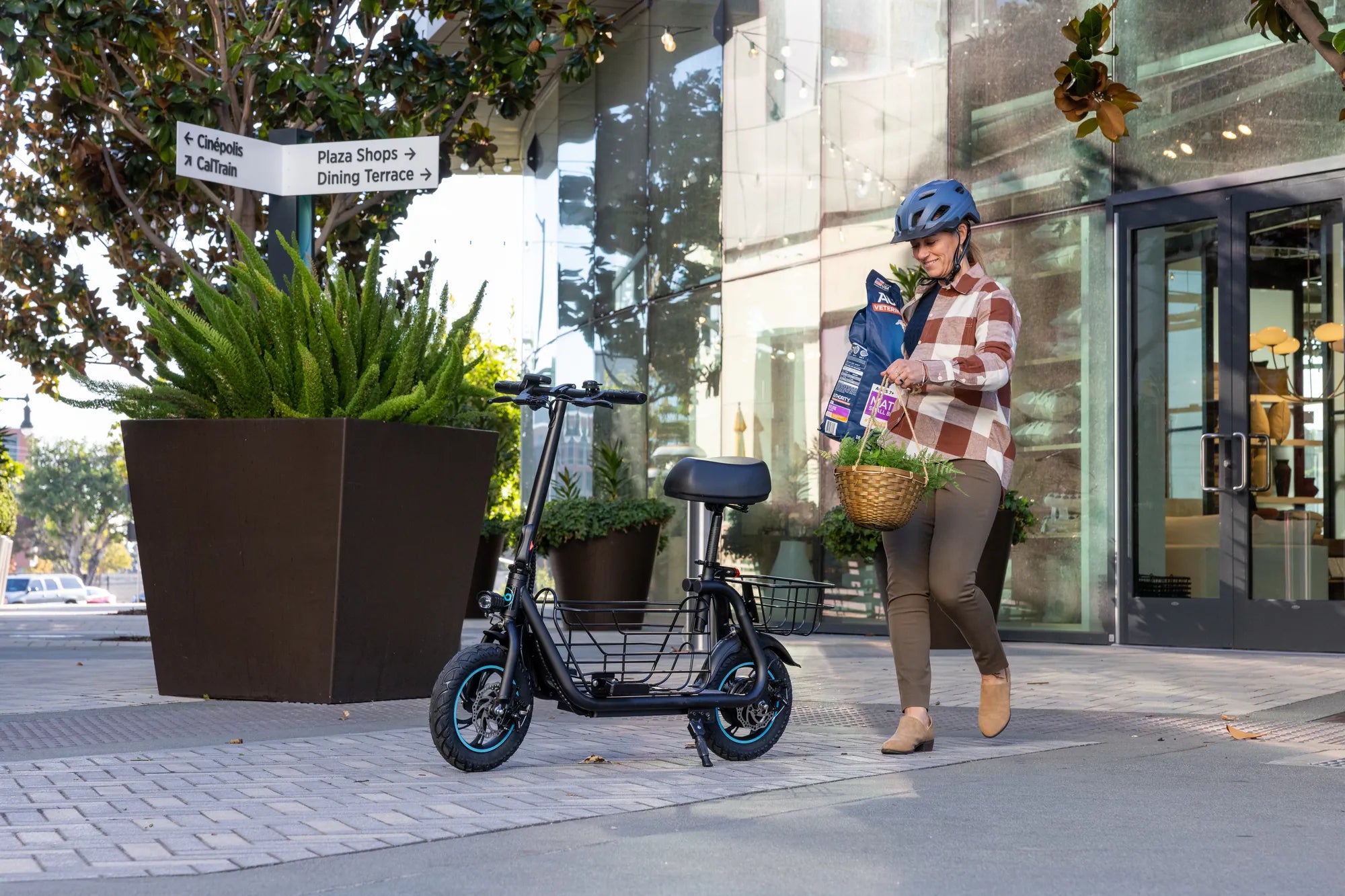
Introduction: Demystifying Mobility Scooter Weather Capability
For individuals relying on personal mobility aids, a simple question carries significant weight for independence and safety: can i use a mobility scooter in all weather conditions? The short answer is nuanced; while modern scooters are engineered for resilience, 'all weather' is a spectrum, not a guarantee. Understanding the limits of your scooter's design is paramount to preventing accidents, ensuring longevity, and maintaining your freedom of movement. This guide moves beyond marketing claims to deliver a data-driven, practical analysis of operating in rain, cold, heat, and wind.
Drawing parallels from the advanced engineering in electric scooters and e-bikes, brands like Gyroor apply rigorous standards for water resistance, battery safety, and structural durability. This knowledge empowers you to make informed decisions, whether you're considering a new purchase or maximizing the use of your current model. We'll dissect IP ratings, battery chemistry, and real-world scenarios to provide a clear roadmap for safe, year-round mobility.
The Engineering Blueprint: IP Ratings and Weather Resistance Decoded
The cornerstone of any weather-related discussion is the Ingress Protection (IP) rating. This international standard (IEC 60529) defines the levels of sealing effectiveness of electrical enclosures against foreign bodies like dust and moisture. For mobility scooter users, the second digit, indicating liquid protection, is most critical.
Common ratings you'll encounter include IPX4 and IPX5. IPX4 signifies protection against water splashes from any direction, suitable for light rain. IPX5, a more robust standard, indicates protection against water jets (6.3mm nozzle) from any direction, making it suitable for riding in steady rain. The 'X' denotes that the dust protection rating is unspecified, not zero. It's vital to check your scooter's manual for its specific IP classification.
What "Water-Resistant" Truly Means for Your Ride
Manufacturers often use the term "water-resistant," which consumers can mistakenly equate with "waterproof." No consumer mobility scooter is fully waterproof for submersion. Water-resistant means the scooter can handle incidental exposure to moisture but is not designed for prolonged, heavy downpours, driving through deep puddles, or being left out in a storm.
The electrical components—the controller, motor, battery connections, and dashboard—are the most vulnerable. While sealed, forceful or prolonged water ingress can lead to corrosion, short circuits, and costly repairs. Therefore, understanding your scooter's IP rating sets a realistic baseline for its capabilities in wet conditions.
Navigating Rain and Wet Conditions: A Tactical Approach
Rain is the most common weather challenge. Safe operation hinges on preparation, adjusted riding technique, and post-ride care. The primary risks are reduced traction, longer braking distances, and potential water damage to electronics.
First, assess the intensity. Light drizzle is generally manageable for an IPX4-rated scooter. For moderate to heavy rain, an IPX5 rating is recommended. Always avoid standing water deeper than the bottom of the deck or chassis, as submerging the motor or controller can cause immediate failure. Reduce your speed significantly, anticipate turns and stops much earlier, and avoid sharp maneuvers that could cause skidding on wet pavement or leaves.
Post-Ride Protocol for Wet Weather
Your actions after a wet ride are as important as those during. Never store a wet scooter without drying it. Use a soft, dry cloth to wipe down the entire frame, handlebars, seat, and floorboard. Pay special attention to crevices where water can pool. If possible, let the scooter air-dry in a covered, ventilated area before charging. This simple routine prevents corrosion and electrical issues over time.
The Impact of Extreme Temperatures on Performance and Battery
Temperature extremes are the silent adversaries of electric mobility. Lithium-ion batteries, which power virtually all modern mobility scooters, are chemically sensitive to heat and cold, directly impacting range, power, and lifespan.
Conquering the Cold: Range Reduction and Battery Care
Cold weather (below 50°F/10°C) drastically reduces battery efficiency. Chemical reactions within the battery slow down, decreasing its ability to deliver current. You can expect a 20-40% reduction in per-charge range in freezing temperatures. The battery gauge may also show inaccurate readings. To mitigate this, store the scooter and battery in a temperate environment (ideally between 50°F-77°F). Allow the battery to warm to room temperature before charging. Consider planning shorter trips and keeping a charger accessible.
Managing Heat: Avoiding Battery Stress and Damage
Extreme heat (above 104°F/40°C) is equally damaging. High temperatures can accelerate the degradation of battery cells, permanently reducing their capacity and, in rare cases, leading to thermal runaway. Never leave your scooter or its battery in direct sunlight, inside a hot car, or near a heat source. Charge in a cool, dry place and avoid charging immediately after a long, hot ride; let the battery cool first.
This is where battery safety certifications become critical. Brands like Gyroor utilize UL-certified battery packs in their products, which have undergone stringent testing for stability, durability, and safety across a range of conditions, offering an additional layer of reliability.
Ancillary Weather Hazards: Wind, Slopes, and Visibility
Beyond precipitation and temperature, other factors demand attention. High winds can affect stability, especially for taller, lighter scooters or those with canopy attachments. Reduce speed, keep both hands on the controls, and be prepared for gusts when moving between sheltered and open areas.
Wet inclines present a compounded risk. The reduced traction can cause wheel slip when ascending or loss of control when descending. Always approach hills with caution, use the lowest stable speed setting for climbing, and engage brakes gently and early when going downhill. Ensure your tire tread is in good condition for maximum grip.
Poor visibility is a major safety issue in rain, fog, or dusk. Your scooter's built-in lights are essential but often insufficient. Enhance your visibility with high-visibility clothing, reflective strips on your scooter and clothing, and consider adding aftermarket LED lights. Making yourself seen is a primary defense against accidents.
Gyroor's Engineering Philosophy: Building Confidence for Real-World Use
While Gyroor is renowned for its electric scooters and e-bikes, the engineering principles that ensure reliability for over 100,000 riders directly inform the durability expected in a robust mobility scooter. The focus is on core components that withstand daily challenges.
UL-Certified Batteries: The Foundation of Safe Power
As mentioned, UL certification is a non-negotiable standard for battery safety. It involves rigorous testing for overcharge, short circuit, impact, and extreme temperature exposure. This certification provides peace of mind that the power source of your mobility aid is built to high safety benchmarks, a crucial consideration for operation in variable weather.
IPX5 Water Resistance and Structural Integrity
An IPX5 rating, featured on many Gyroor personal transport models, represents a deliberate design choice for all-weather readiness. It ensures protection against sustained, low-pressure water jets, translating to reliable operation in rainy conditions. Coupled with robust frame construction and sealed connectors, this design ethos prioritizes long-term durability and reduces weather-related anxiety for the rider.
Comprehensive Warranty and Support as Your Safety Net
Technical specifications are backed by a tangible commitment: a 1-year comprehensive warranty and accessible customer support. This acts as a safety net, ensuring that if a component is affected by legitimate weather exposure within its rated limits, you have a clear path to resolution. It reflects a brand's confidence in its product's durability.
Essential Gear and Pre-Ride Checklist for Inclement Weather
Proactive preparation is the key to safe all-weather mobility. Equip yourself and your scooter with the right accessories and follow a consistent pre-ride routine.
Recommended Accessories:
- Weather Canopy/Rain Cover: Provides direct protection for the rider from rain and sun.
- Waterproof Storage Bag: Keeps personal items like phones, medications, and documents dry.
- Enhanced Lighting: Additional LED headlights or strip lights for poor visibility.
- Anti-Slip Grip Tape: Applied to the floorboard for secure footing when it's wet.
- Tire Pressure Gauge: Properly inflated tires are crucial for traction and battery efficiency.
Pre-Ride Weather Checklist:
- Check the local weather forecast for rain, wind, and temperature.
- Verify tire pressure and tread condition.
- Test all lights (headlight, taillight, indicators) and brakes.
- Ensure the battery is fully charged, accounting for potential range loss in cold weather.
- Dress appropriately in water-resistant, high-visibility layers.
- Plan your route to avoid known steep hills, deep puddles, or unpaved paths that may be muddy.
Mobility Scooter Weather Capability Comparison
| Weather Condition | Primary Risk | Safe Operation Guidelines | Ideal Scooter Feature (e.g., Gyroor Standard) |
|---|---|---|---|
| Light Rain / Drizzle | Water ingress, slippery surfaces | Reduce speed, avoid puddles, dry scooter after use. | IPX4 Rating or higher |
| Heavy Rain / Storm | Electronics short-circuit, hydroplaning | AVOID riding if possible. If caught, seek shelter. Do not submerge any part. | IPX5 Rating, sealed connectors |
| Freezing Cold (<32°F/0°C) | Battery range loss (20-40%), plastic brittleness | Store battery indoors, allow warm-up, plan for reduced range. | UL-Certified Battery, cold-tolerant components |
| Extreme Heat (>95°F/35°C) | Battery degradation, overheating | Never charge a hot battery, park in shade, avoid midday rides. | Thermal management systems, UL-certified battery |
| High Winds | Reduced stability, tip-over risk | Reduce speed, secure loose items (canopies), be cautious on bridges/open areas. | Low-center-of-gravity design, sturdy frame |
| Snow & Ice | Zero traction, motor strain, extreme cold damage | NOT RECOMMENDED. Use is highly dangerous and likely voids warranty. | N/A - Not designed for these conditions |
Frequently Asked Questions (FAQ)
Can I ride my mobility scooter in the snow?
It is strongly discouraged and often explicitly warned against in manufacturer manuals. Standard tires have no traction on snow or ice, creating an extreme tipping hazard. The cold will severely damage the battery and electronics. Snow can also pack into the motor and drivetrain, causing mechanical failure. For winter mobility, explore specialized all-terrain models with pneumatic, knobby tires, but even these have significant limits on ice.
What should I do immediately after riding in heavy rain?
First, do not charge the scooter while it is wet. Thoroughly dry the entire unit with absorbent towels, focusing on the deck, undercarriage, and control panel. If possible, remove the battery compartment cover (if user-accessible per manual) and wipe any moisture. Let the scooter air-dry in a covered, ventilated space for several hours before charging or storing.
How does cold weather affect my scooter's range?
Cold temperatures increase the internal resistance of lithium-ion batteries. This reduces their capacity and ability to deliver power, typically resulting in a 20-40% decrease in per-charge range. The effect is most pronounced below freezing. The range will return to normal when the battery is operated in warmer temperatures again.
Is it safe to store my scooter in an unheated garage during winter?
Storing the scooter frame in a cold garage is generally fine, but it will accelerate wear on plastics and tires. The critical component is the battery. For long-term winter storage, the battery should be removed and stored indoors at room temperature (ideally at a 50-70% charge state). Storing a lithium battery in freezing conditions for extended periods can cause permanent capacity loss.
Can I install a canopy or cover for rain protection?
Yes, many third-party canopies are available. However, ensure any attachment is secure and does not interfere with your visibility or the scooter's stability, especially in wind. A poorly attached canopy can act as a sail in gusty conditions. Always follow the canopy manufacturer's installation instructions carefully.
Empowerment Through Knowledge and Preparedness
Ultimately, the question of can i use a mobility scooter in all weather conditions is answered by a blend of product capability and user wisdom. No scooter is invincible, but a well-built model with clear IPX5 water resistance, UL-certified battery safety, and robust construction—principles championed by brands like Gyroor—provides a formidable foundation for daily life. Your preparedness—checking the forecast, performing maintenance, and adapting your riding style—completes the equation. By respecting environmental limits and leveraging durable engineering, you can maintain your independence and confidence through most seasons and showers. Prioritize safety, consult your manual, and invest in quality that stands up to the elements.
Ready to explore personal transport options designed with real-world durability in mind? Browse the full Gyroor collection at gyroorboard.com to discover electric scooters, e-bikes, and hoverboards built to rigorous standards for performance and reliability.
Big Girl Scooter: The Ultimate Guide to Full-Sized Adult Electric Scooters
Best Chain Lock for Ebike: The Ultimate 2024 Security Buyer's Guide