



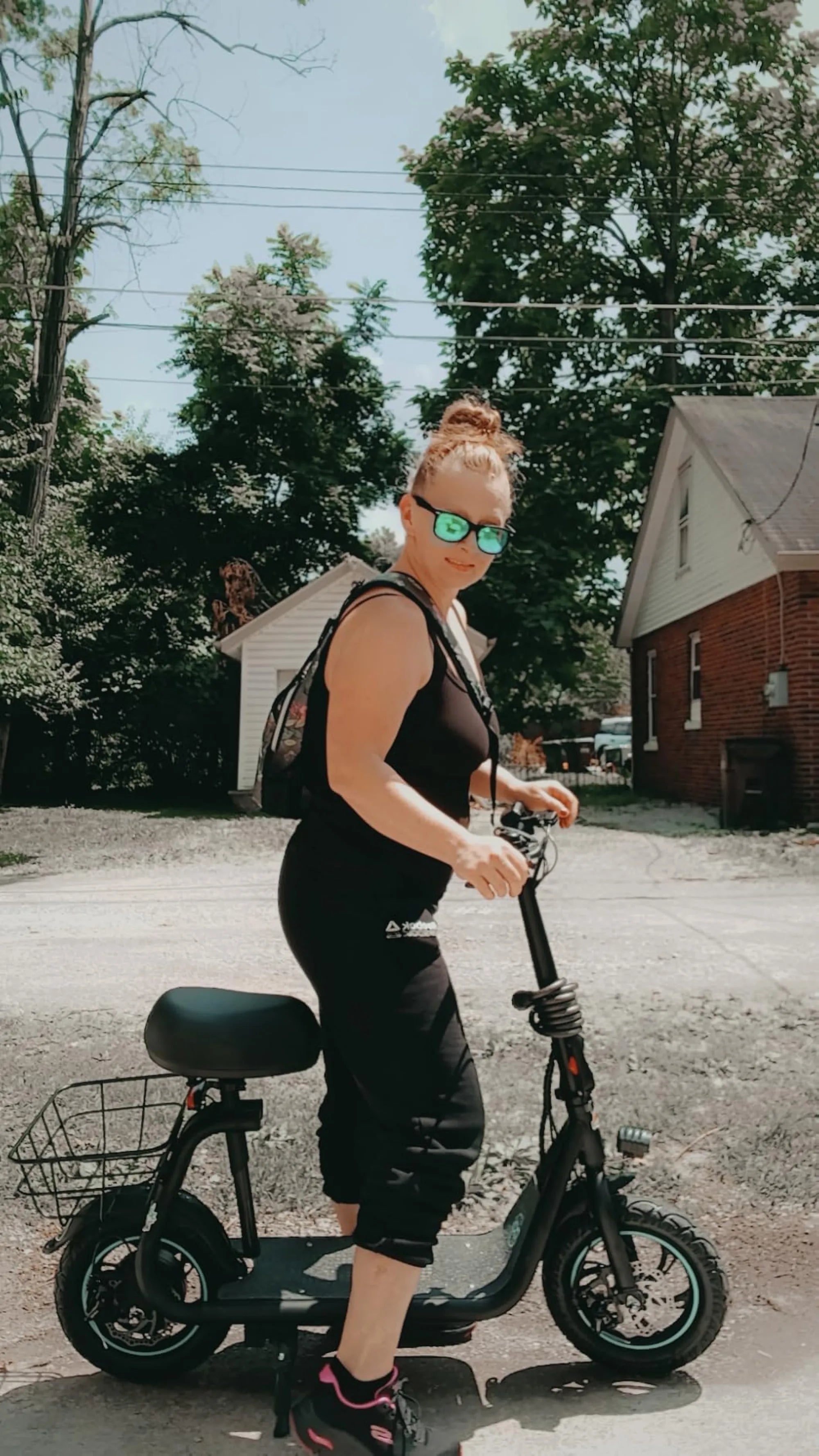
Rainy weather can turn a fun electric scooter ride into a slippery, dangerous adventure. But is it safe to use your electric scooter in the rain? The answer isn't a simple yes or no—it depends on several factors, including your scooter's waterproof rating, road conditions, and your riding skills. Let's dive into the details to help you make an informed decision.
Understanding Waterproof Ratings for Electric Scooters
Not all electric scooters are built the same when it comes to water resistance. Manufacturers use the Ingress Protection (IP) rating system to indicate how well a device can withstand dust and water. The rating consists of two numbers:
- The first digit (0-6) represents protection against solid particles like dust.
- The second digit (0-9) indicates protection against liquids, including rain.
For example, an IP54-rated scooter can handle light rain, while an IP67-rated model can withstand heavy downpours and even brief submersion. Always check your scooter's manual to understand its limitations.
Potential Risks of Riding in the Rain
Even if your scooter has a high waterproof rating, riding in wet conditions comes with hazards:
- Reduced traction: Wet roads are slippery, increasing the risk of skidding or losing control.
- Decreased visibility: Rain can impair your vision, and drivers may have a harder time seeing you.
- Electrical damage: Prolonged exposure to water can corrode battery terminals and wiring.
- Braking issues: Wet brakes may take longer to stop your scooter effectively.
Safety Tips for Wet Weather Riding
If you must ride in the rain, follow these precautions:
- Slow down: Reduce your speed to maintain better control.
- Avoid puddles: Deep water can damage electronics and cause sudden stops.
- Wear reflective gear: Enhance visibility with bright or reflective clothing.
- Use both brakes: Apply gentle pressure to both brakes for smoother stops.
- Check tire pressure: Properly inflated tires improve traction on wet surfaces.
Post-Ride Maintenance
After riding in wet conditions, take these steps to prolong your scooter's lifespan:
- Dry the scooter thoroughly with a clean cloth.
- Inspect the battery compartment for moisture.
- Check brakes and tires for wear or water damage.
- Store your scooter in a dry place to prevent rust.
While some electric scooters can handle light rain, heavy storms or flooded streets should always be avoided. By understanding your scooter's limits and taking proper precautions, you can minimize risks and keep rolling safely—even when the weather doesn't cooperate.
What Is a Good Electric Scooter to Buy: A Comprehensive Guide
Gift Guide for 6 Year Old Boy: Top Picks to Spark Joy and Creativity