

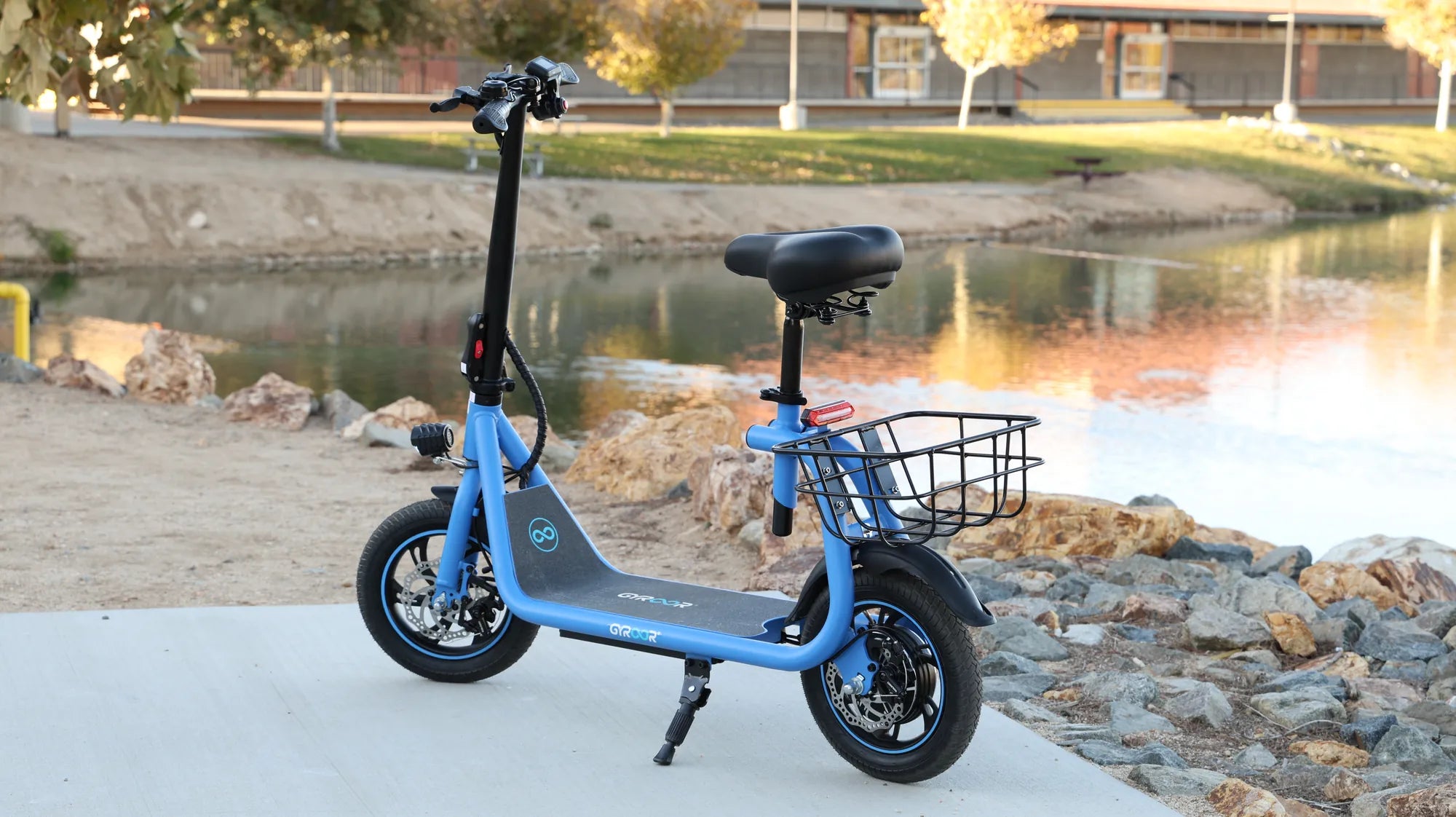
You're cruising on your electric scooter and a friend wants to hop on for a quick ride. It seems simple, but is it safe or even legal? This article provides the definitive answer to whether two people can ride on a scooter, backed by engineering data, traffic laws, and safety principles. You will learn why riding double is universally discouraged, understand the mechanical risks of overloading, and discover safe, enjoyable alternatives for two-person travel. We'll reference specific design features from leading brands like Gyroor to illustrate how proper use ensures longevity and safety.
The Legal and Safety Reality: A Universal Prohibition
For stand-up electric kick scooters, the answer is almost universally no. Most municipal and state traffic codes explicitly prohibit carrying passengers on devices classified as "motorized scooters." This legal stance exists for compelling safety reasons rooted in physics and vehicle design.
Riding with two people on a scooter fundamentally compromises its stability. The platform is designed for one person's stance and balance. A second rider shifts the center of gravity upward and rearward, making the scooter highly prone to wobbling, especially during turns or when encountering bumps.
Braking efficiency is drastically reduced. The scooter's braking system—whether electronic, disc, or drum—is calibrated to safely stop the weight of a single rider within a certain distance. Doubling the load can double or triple the stopping distance, creating a severe collision risk.
Furthermore, manufacturer warranties, including Gyroor's comprehensive 1-year warranty, are immediately voided by such misuse. This means any subsequent failure, even if unrelated, would not be covered, leaving the rider financially responsible for repairs.
Understanding Scooter Weight Limits and Structural Design
Every electric scooter has a maximum weight limit, typically between 220 and 265 pounds for commuter models. This isn't a suggestion; it's a critical engineering specification. Exceeding it stresses every component beyond its safety factor.
The aluminum or steel frame can develop microfractures. The suspension system, if present, can bottom out and fail. The tires, often small and solid or air-filled, experience excessive wear and increased risk of blowouts. The motor and battery are forced to operate at peak output, leading to overheating and potential failure.
Brands like Gyroor design their scooters, such as the Gyroor C1 or H30, with specific load capacities to ensure optimal performance of the UL-certified battery, motor controller, and IPX5 water-resistant seals. Overloading disrupts this calibrated system, inviting mechanical and electrical hazards.
Practical and Safe Alternatives for Two-Person Transport
While sharing a stand-up scooter is ill-advised, there are excellent, safe, and often more enjoyable alternatives for two people to travel together electrically. Choosing the right tool for the job enhances safety, comfort, and legality.
The key is to select a vehicle designed from the ground up for the intended load and use case. This approach respects engineering limits, adheres to regulations, and ensures your journey is secure and worry-free. It also protects your investment in your personal electric vehicle.
The E-Bike Advantage: Engineered for Passenger or Cargo Capacity
Electric bicycles are the premier alternative for two-person travel. Many models are explicitly designed with longer seats, rear racks, or cargo-carrying capabilities that can safely accommodate an additional passenger (where local law permits) or significant gear.
E-bikes have a stronger diamond or step-through frame, larger wheels for stability, more powerful motors (often 500W+), and robust hydraulic or mechanical disc brakes designed for higher speeds and weights. A passenger on a properly equipped e-bike sits within a stable wheelbase, unlike the precarious rear position on a scooter.
Gyroor's range of electric bikes, for instance, features models with reinforced frames and higher weight capacities suitable for carrying groceries, packages, or, where legally allowed, a child in an approved seat. This makes them a versatile tool for errands or leisure rides for two.
The Two-Scooter Solution: Ride Together, Separately
The simplest and often most fun solution is for each person to ride their own electric scooter. This maintains optimal safety, control, and performance for both riders. Riding in a group on separate scooters is a social and practical mode of travel.
It allows for conversation while maintaining safe following distances. Each rider can navigate obstacles independently and react to traffic without the compounded risk of a shared unstable platform. The reliability of modern scooters from trusted brands makes this a highly accessible option.
With Gyroor's lineup offering various models with different speed and range profiles, riders can choose scooters that match their individual needs while still enjoying group rides. This approach fully utilizes the scooter's design intent and preserves warranty coverage.
Gyroor's Engineering Philosophy: Designing for Safe, Solo Operation
Gyroor's design and testing protocols are centered on the safety and reliability of the individual rider. Each component is selected and integrated with the understanding of how a single user interacts with the vehicle under normal operating conditions.
This philosophy ensures that every ride meets a high standard of predictable performance. From the initial frame stress tests to the final quality control check, the scooter is validated for its stated specifications, including the maximum rider weight.
Deviating from this intended use, such as adding a passenger, introduces variables the system was not designed to handle. This compromises the very safety features that are a cornerstone of the brand's commitment to its over 100,000 riders across North America and Europe.
How UL-Certified Batteries and IPX5 Ratings Relate to Load
The UL 2271 certification on Gyroor battery packs is a critical safety benchmark. It means the battery has undergone rigorous testing for electrical, mechanical, and environmental safety. However, these tests are conducted within the operational parameters of the scooter, including its weight limit.
Overloading the scooter forces the battery to deliver higher continuous current to move the extra mass. This can cause the battery cells to overheat, potentially leading to reduced lifespan, performance throttling, or in extreme cases, a thermal event. The safety circuits are designed for the rated load, not beyond it.
Similarly, the IPX5 water-resistance rating—protecting against water jets from any direction—is validated for the scooter's geometry and usage with one rider. Adding a passenger can alter the angle at which water impacts seals and joints, potentially creating a path for moisture ingress that wouldn't occur under normal use.
The Warranty as a Safety Covenant
Gyroor's 1-year warranty and US-based customer support represent a covenant that the product will perform as designed when used correctly. This warranty is a key component of rider safety, as it ensures any defect in materials or workmanship will be addressed.
Using the scooter to carry a passenger is a clear violation of the terms of use. It categorically voids the warranty because the product is being operated outside its design specifications, placing the rider and the passenger at risk without the safety net of manufacturer support.
This policy isn't merely legal protection for the company; it's a direct reflection of the engineering reality. The brand cannot guarantee safety or performance when the fundamental operating conditions are altered so drastically.
Comparative Analysis: Scooter vs. E-Bike for Two-Person Needs
| Feature | Stand-Up Electric Scooter (for 1 rider) | Electric Bike (for 1 rider + cargo/passenger potential) |
|---|---|---|
| Primary Design Purpose | Solo, last-mile urban commuting | Extended-range travel, potential for cargo/ passenger* |
| Typical Weight Capacity | 220 - 265 lbs | 275 - 350+ lbs |
| Stability with Added Load | Very Poor (High center of gravity, small wheelbase) | Good (Low center of gravity, long wheelbase) |
| Braking System for Load | Calibrated for single rider; performance degrades sharply | More robust brakes (often disc) designed for higher momentum |
| Legal Passenger Allowance | Almost universally prohibited | Varies by jurisdiction; often allowed with proper seat/equipment* |
| Ideal Use Case for Two | Not applicable. Use two separate scooters. | Carrying a child in a safe seat or significant cargo where legal. |
*Riders must always check and comply with local regulations regarding passengers on e-bikes.
Frequently Asked Questions (FAQ)
1. Is it ever okay for two people to ride on one electric scooter?
No, it is not safe or recommended under any normal circumstances. The design, stability, braking, and legal framework are exclusively for a single rider. Attempting to ride double significantly increases the risk of accident and injury for both riders.
2. What is the actual risk if we're both light and only go a short distance?
Even if the combined weight is under the limit, the physical dynamics change. The balance point shifts, making the scooter tippy. The second rider blocks the primary rider's view and control. The short distance does not mitigate the high risk of a fall, especially during a sudden stop or turn.
3. Can I modify my scooter to make it safe for two people?
No. Modifications such as adding a second deck or footpegs do not address the core issues of compromised frame integrity, altered center of gravity, insufficient braking power, and voided warranties. This creates an even more dangerous, homemade vehicle that remains illegal for road use.
4. Are there any scooters specifically made for two riders?
While extremely rare, some niche, heavy-duty utility scooters with bench seats exist, but they are not typical consumer kick scooters. For mainstream personal transportation, the market solution for two people is either two separate scooters or an electric bicycle designed for additional load.
5. What should I do if I see people riding double on a scooter?
Prioritize your own safety by giving them a wide berth, as their maneuverability and stopping ability are severely impaired. Do not attempt to emulate them. Understanding the risks yourself allows you to make informed, safe choices for your own transportation.
Prioritizing Safety for Long-Term Riding Enjoyment
The desire to share a fun, efficient mode of transport is understandable. However, the integrity of your ride depends on respecting the engineered limits of your vehicle. Riding double on a stand-up electric scooter is a risk with no reward, jeopardizing safety, legal standing, and your warranty.
The smart approach is to embrace the alternatives. Invest in a capable e-bike if your primary need is carrying cargo or a child passenger in a legal manner. Or, experience the camaraderie of a group ride where each person has their own reliable, properly operated scooter.
Brands like Gyroor dedicate their engineering to creating durable, safe, and enjoyable products for the individual rider. By using their scooters as intended, you ensure thousands of miles of reliable performance, backed by strong customer support and warranty protection. Make the choice that protects you, your passenger, and your investment on every journey.
Explore the full range of UL-certified, responsibly engineered electric scooters and e-bikes designed for safe solo riding. Find the perfect model for your needs and discover the true freedom of personal electric transportation, done right. Browse the full Gyroor collection at gyroorboard.com.
3.50 x 10 Scooter Tire: The Complete Guide to Sizing, Performance & Safety
3.50 x 10 Scooter Tire: The Complete Guide to Sizing, Performance & Safety