



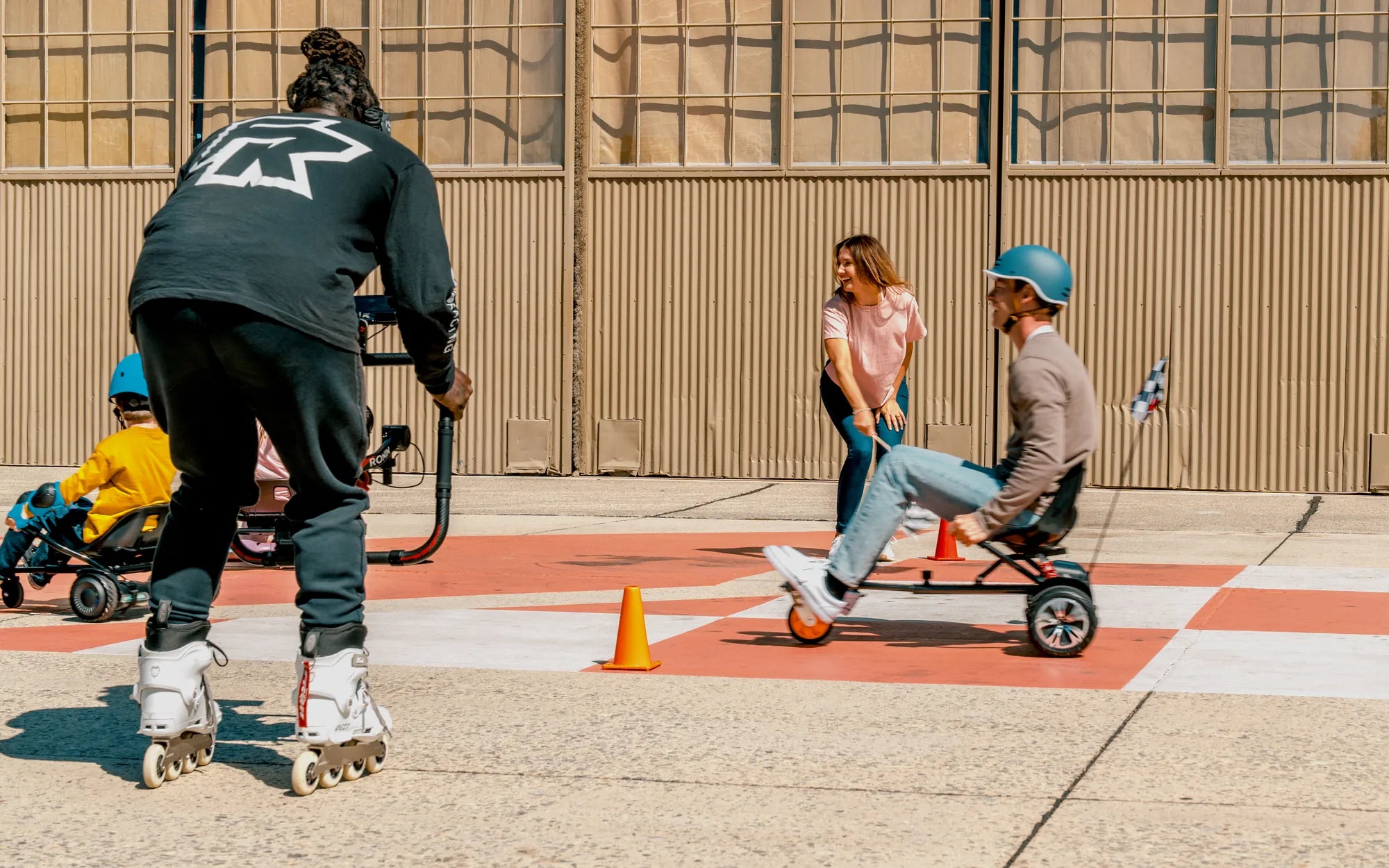
Ever wondered if your scooter or hoverboard can handle the lush green grass in your backyard or local park? The idea of gliding effortlessly across a lawn sounds thrilling, but the reality might not be as smooth as you imagine. Let’s dive into the mechanics, challenges, and potential solutions for riding these personal electric vehicles on grass.
Understanding Scooters and Hoverboards
Scooters and hoverboards are designed primarily for smooth, flat surfaces like pavement or indoor floors. Their small wheels, compact motors, and lightweight frames make them ideal for urban commuting. However, grass presents a unique set of challenges due to its uneven texture, resistance, and potential obstacles like rocks or dips.
Challenges of Riding on Grass
Grass surfaces are far from ideal for scooters and hoverboards. Here’s why:
- Uneven Terrain: Grass often hides bumps, holes, or rocks that can destabilize your ride.
- Increased Resistance: The thick blades of grass create drag, forcing the motor to work harder.
- Reduced Traction: Wet or dewy grass can be slippery, increasing the risk of losing control.
- Battery Drain: The extra effort required to move on grass can drain the battery faster.
Can Hoverboards Handle Grass?
Standard hoverboards struggle on grass due to their small wheels and lack of suspension. However, some models with all-terrain wheels or higher torque motors may perform better. Even then, riding on grass will still be slower and less efficient than on pavement.
Are Scooters Better Suited for Grass?
Scooters with larger, air-filled tires and robust motors have a better chance of handling grass. Off-road or hybrid scooters with enhanced suspension systems can navigate uneven terrain more effectively. Still, prolonged use on grass may wear down components faster.
Tips for Riding on Grass
If you’re determined to take your scooter or hoverboard off-road, follow these tips:
- Choose the Right Model: Opt for devices with larger wheels, higher ground clearance, and stronger motors.
- Check Tire Pressure: For scooters, slightly lower tire pressure can improve grip on grass.
- Avoid Wet Grass: Moisture reduces traction and increases slipping hazards.
- Go Slow: Higher speeds increase the risk of losing balance on uneven surfaces.
- Monitor Battery Life: Grass riding consumes more power, so keep an eye on remaining charge.
Safety Considerations
Riding on grass isn’t just about performance—it’s also about safety. Uneven terrain increases the risk of falls, so always wear protective gear like helmets, knee pads, and wrist guards. Be extra cautious when transitioning between grass and pavement, as the change in surface can be jarring.
Alternative Options for Off-Road Fun
If grass riding proves too challenging, consider alternatives like:
- All-Terrain Electric Skateboards: Built for rough surfaces with larger wheels and sturdy decks.
- Electric Bikes: More stable and powerful for off-road adventures.
- Traditional Off-Road Vehicles: For serious outdoor enthusiasts, dirt bikes or ATVs may be a better fit.
While scooters and hoverboards can technically move on grass, they’re not optimized for it. If you’re craving an off-road experience, investing in a purpose-built vehicle will save you frustration and potential damage. But if you’re up for a challenge, tweak your riding style and gear up for a bumpy—but fun—adventure!
Best Small Hoverboard: Compact and Powerful Rides for Every Age
Black and Red Hoverboard with Bluetooth and Remote: The Ultimate Guide to Stylish and Smart Riding