



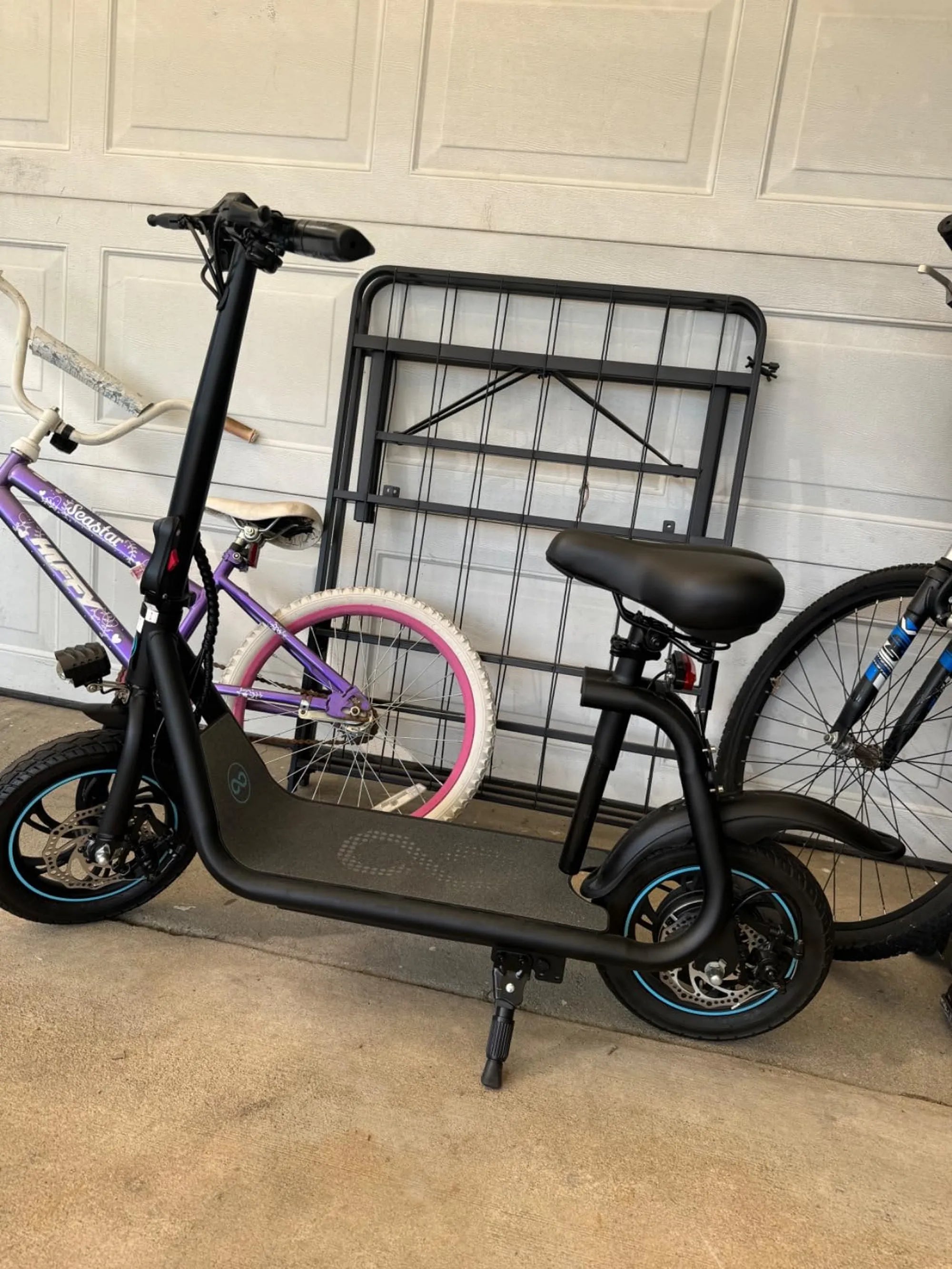
Winter can be a challenging time for electric bike owners, especially when it comes to storage. Leaving your e-bike outside in freezing temperatures, snow, and ice can lead to serious damage if not properly managed. But is it possible to leave an electric bike outside in winter without ruining it? Let’s dive into the risks, precautions, and best practices to keep your e-bike in top shape during the coldest months.
The Risks of Leaving an Electric Bike Outside in Winter
Exposing your electric bike to winter conditions can cause several issues. The battery, motor, and electronic components are particularly vulnerable to extreme cold. Lithium-ion batteries, commonly used in e-bikes, can lose efficiency and even suffer permanent damage when exposed to freezing temperatures for extended periods. Additionally, moisture from snow and rain can lead to rust and corrosion on metal parts, while ice can cause mechanical components to seize up.
How Cold Weather Affects Your E-Bike
Cold temperatures slow down chemical reactions in the battery, reducing its capacity and range. Riding in sub-zero conditions can also strain the motor, as cold lubricants thicken and increase friction. Furthermore, rapid temperature changes—such as bringing a cold bike into a warm room—can cause condensation inside electrical components, leading to short circuits or corrosion over time.
Best Practices for Winter Storage
If you must leave your electric bike outside in winter, follow these steps to minimize damage:
- Remove the Battery: Store it indoors in a dry, temperature-controlled environment.
- Use a Waterproof Cover: Protect the frame and components from snow, rain, and ice.
- Elevate the Bike: Keep it off the ground to prevent contact with standing water or ice.
- Lubricate Moving Parts: Apply bike-specific lubricant to the chain, gears, and cables to prevent freezing.
- Check Tire Pressure: Cold weather can cause tires to lose pressure, so inflate them regularly.
Alternative Storage Solutions
If possible, avoid leaving your e-bike outside altogether. Consider these alternatives:
- Indoor Storage: A garage, shed, or even a hallway can provide better protection.
- Bike Storage Lockers: Many cities offer secure, weatherproof storage options for cyclists.
- Portable Shelters: Pop-up bike tents or insulated covers can offer extra protection.
Pre-Ride Checks for Winter Cycling
Before riding your e-bike in winter, perform these quick checks:
- Inspect the battery charge level and ensure it’s fully charged.
- Test the brakes, as cold weather can affect their responsiveness.
- Clear any snow or ice from the frame, wheels, and drivetrain.
- Wear appropriate gear to stay warm and maintain visibility in low-light conditions.
Winter doesn’t have to mean putting your electric bike away until spring. With the right precautions, you can keep riding—or at least ensure your e-bike survives the season unscathed. Whether you’re braving the cold or stashing your bike for a few months, these tips will help you avoid costly repairs and extend the life of your electric bike.
Best Electric Mountain Bike Under £2000: Top Picks for Off-Road Adventures
Going 30 mph on an E Scooter: Speed, Safety, and Thrills