

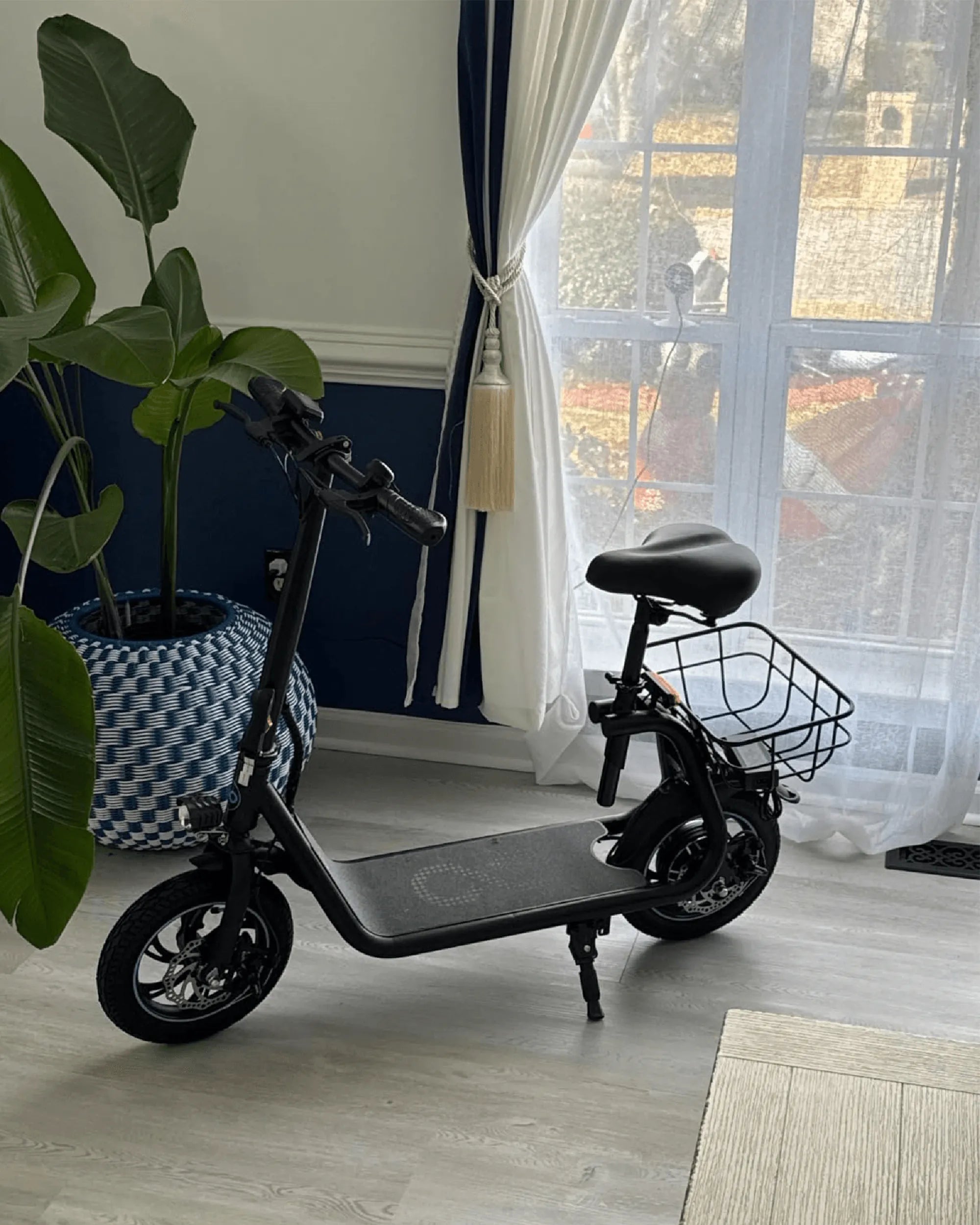
Imagine cruising up steep hills with ease, gliding through traffic without breaking a sweat, and extending your rides farther than ever before—all on your trusty bicycle. The question isn’t whether you can make any bike electric, but how. With the right tools and know-how, nearly any bicycle can be converted into an electric ride. Let’s dive into the world of e-bike conversions and uncover the possibilities.
Understanding Electric Bike Conversion Kits
Electric bike conversion kits are the key to transforming your standard bicycle into an electric one. These kits typically include a motor, battery, controller, and other necessary components. The beauty of these kits is their versatility—they can be adapted to fit a wide range of bike types, from mountain bikes to road bikes and even vintage cruisers.
Types of Conversion Kits
There are three main types of conversion kits:
- Front Hub Motor Kits: These are easy to install and ideal for lighter bikes.
- Rear Hub Motor Kits: These provide better traction and are great for heavier bikes or off-road use.
- Mid-Drive Motor Kits: These offer the most natural riding experience by integrating with the bike’s gears.
Steps to Convert Your Bike to Electric
Converting your bike to electric is a straightforward process if you follow these steps:
1. Choose the Right Kit
Select a kit that matches your bike’s specifications and your riding needs. Consider factors like motor power, battery range, and compatibility with your bike’s frame.
2. Gather Tools and Safety Gear
You’ll need basic tools like wrenches, screwdrivers, and a torque wrench. Safety gear, such as gloves and goggles, is also recommended.
3. Install the Motor
Depending on the kit, you’ll either replace the front or rear wheel with the motorized one or install the mid-drive motor near the bike’s bottom bracket.
4. Mount the Battery
The battery is usually mounted on the frame or rear rack. Ensure it’s secure and balanced to avoid affecting the bike’s handling.
5. Connect the Controller and Wiring
The controller acts as the brain of your e-bike. Connect it to the motor, battery, and throttle or pedal-assist sensor.
6. Test and Adjust
Before hitting the road, test the system at low speeds. Check for any loose connections or unusual noises, and make adjustments as needed.
Benefits of Converting Your Bike to Electric
Converting your bike to electric offers numerous advantages:
- Cost-Effective: It’s often cheaper than buying a new e-bike.
- Eco-Friendly: Reduce your carbon footprint by opting for electric power.
- Extended Range: Ride farther with less effort, perfect for commuting or long-distance trips.
- Customization: Tailor the conversion to your specific needs and preferences.
Challenges and Considerations
While converting your bike to electric is rewarding, there are some challenges to keep in mind:
- Weight: The added components can make the bike heavier.
- Maintenance: E-bikes require regular checks on the battery, motor, and wiring.
- Legal Restrictions: Some areas have regulations on e-bike speed and power limits.
Is Your Bike Suitable for Conversion?
Most bikes can be converted, but some are better suited than others. Here’s what to look for:
- Frame Strength: Ensure your bike’s frame can handle the extra weight and torque.
- Wheel Size: Conversion kits are often designed for common wheel sizes (26”, 27.5”, 29”).
- Brake Type: Disc brakes are preferable for e-bikes due to their stopping power.
Ready to revolutionize your ride? Converting your bike to electric opens up a world of possibilities, from effortless commutes to thrilling adventures. Whether you’re a DIY enthusiast or a casual rider, electrifying your bike is easier than you think—and the results are nothing short of transformative.
Ask My Electric Bike: The Ultimate Guide to Choosing, Riding, and Maintaining Your E-Bike
Electric Scooter Bike Battery: The Future of Eco-Friendly Commuting