



Hoverboards have taken the world by storm, offering a sleek and futuristic way to zip around town. But what happens when the pavement ends and the dirt begins? Can you ride a hoverboard on dirt, or are you stuck to smooth surfaces? Let's explore the possibilities and limitations of taking your hoverboard off-road.
Understanding Hoverboard Mechanics
Hoverboards operate using a combination of gyroscopic sensors and electric motors. These devices rely on smooth, flat surfaces to maintain balance and provide a stable ride. The wheels, though durable, are typically designed for urban environments like sidewalks and paved roads. When you venture onto uneven or loose terrain like dirt, the hoverboard's sensors and motors may struggle to keep up.
Challenges of Riding on Dirt
Dirt surfaces present several challenges for hoverboards. First, the uneven terrain can disrupt the gyroscopic balance, making it harder to control the device. Second, loose dirt or gravel can cause the wheels to slip, reducing traction and increasing the risk of falls. Finally, dirt and debris can clog the wheels or motors, potentially damaging the hoverboard over time.
Tire Type Matters
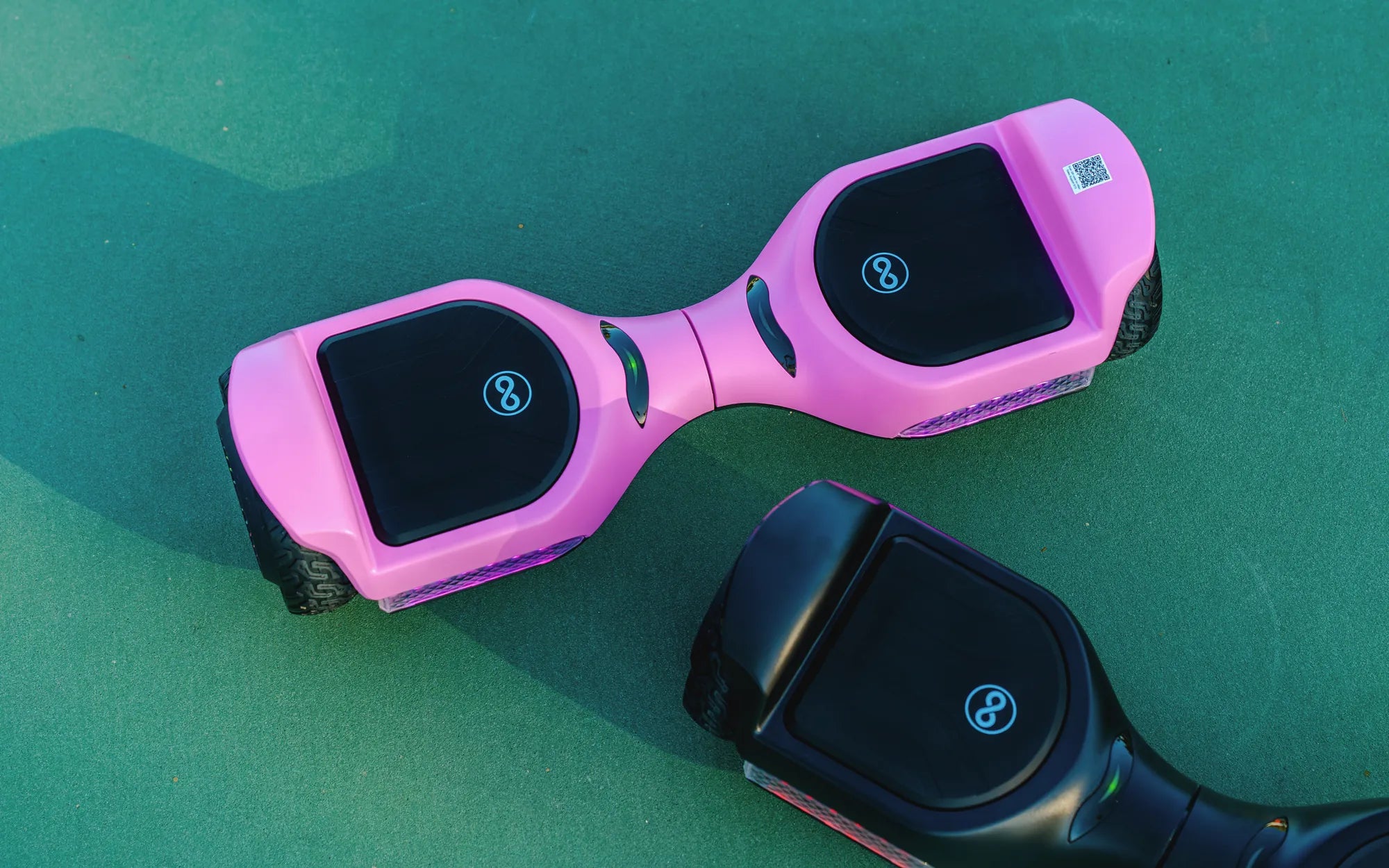
Not all hoverboards are created equal. Some models come with larger, more rugged tires designed for off-road use. These tires often have deeper treads to grip loose surfaces better. If you're serious about riding on dirt, look for a hoverboard with these features—though even then, performance may be limited.
Safety Considerations
Riding a hoverboard on dirt isn't just about whether it's possible—it's also about safety. Uneven terrain increases the risk of falls, which can lead to injuries. Always wear protective gear like helmets, knee pads, and wrist guards when attempting off-road hoverboarding. Additionally, avoid steep inclines or rocky paths, as these can be particularly hazardous.
Battery Life and Performance
Rough terrain demands more power from the hoverboard's motors, which can drain the battery faster. If you plan to ride on dirt, be prepared for shorter ride times and consider carrying a backup battery if possible.
Alternatives for Off-Road Fun
If you're determined to take your hoverboard adventures off-road, consider hybrid models or accessories designed for rough terrain. Some hoverboards come with all-terrain wheels or suspension systems to handle dirt paths better. However, these modifications may come at a higher cost.
Maintenance Tips for Dirt Riders
If you do ride your hoverboard on dirt, regular maintenance is crucial. Clean the wheels and undercarriage after each ride to prevent dirt buildup. Check the motors and sensors for debris, and keep the device stored in a dry, clean environment to prolong its lifespan.
Final Thoughts
While hoverboards are primarily designed for smooth surfaces, adventurous riders can still take them on dirt paths—with caution. The key is understanding the limitations and taking steps to ensure safety and device longevity. So, if you're itching to explore off-road, gear up, choose the right hoverboard, and hit the trails responsibly!
Funny Hoverboard GIFs That Will Make You Laugh Out Loud
How Much Is a Hoverboard Under $150? Affordable Options Explained