



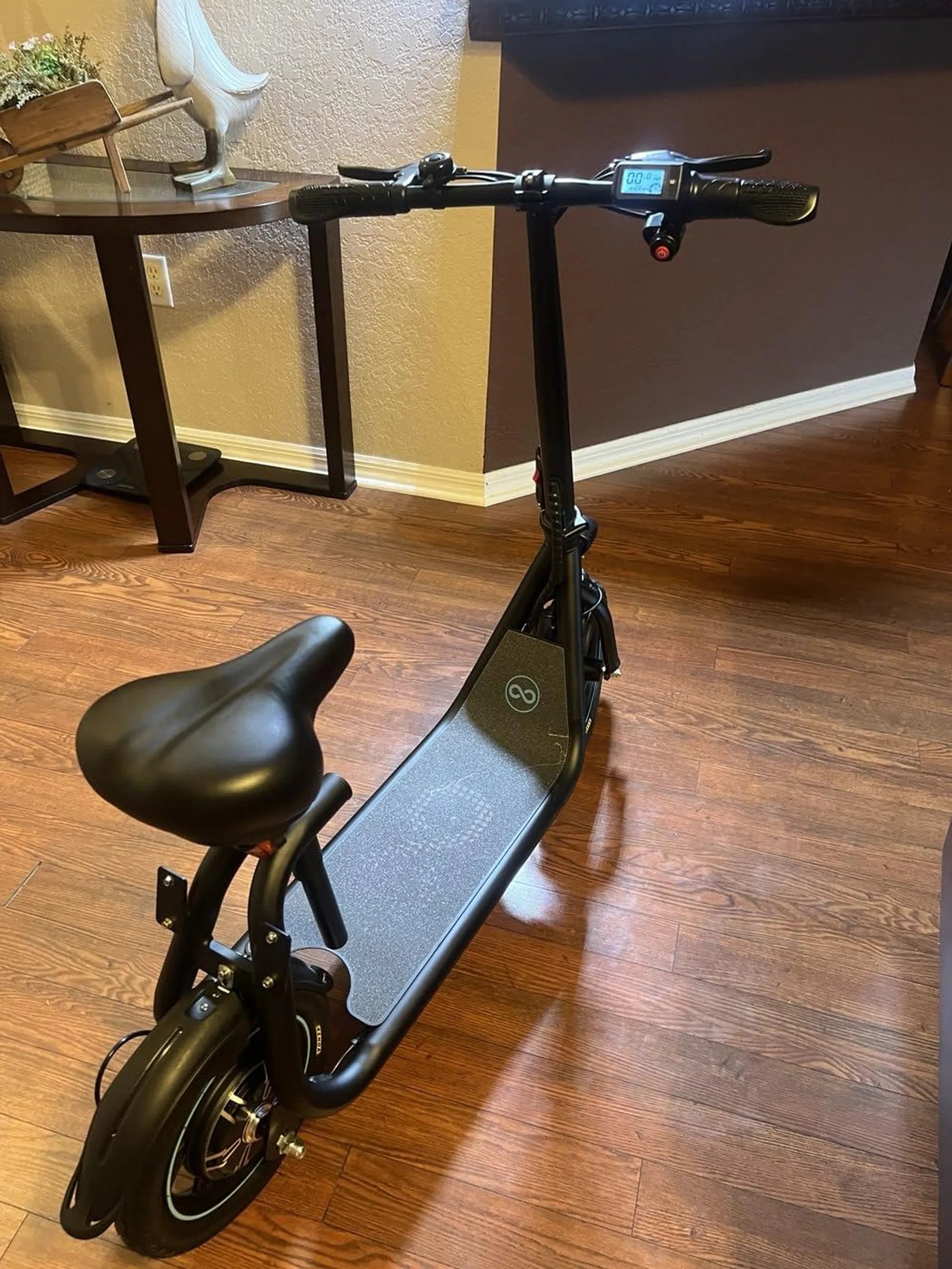
Riding a scooter in the rain might seem like a fun adventure, but it comes with its own set of challenges and risks. Whether you're a daily commuter or an occasional rider, understanding how to handle your scooter in wet conditions is crucial for your safety. Let's dive into the dos and don'ts of rainy-day scooter rides.
Is It Safe to Ride a Scooter in the Rain?
While it is technically possible to ride a scooter in the rain, safety should always be your top priority. Wet roads reduce traction, increasing the risk of skidding or losing control. Visibility is also compromised, making it harder for other drivers to see you. If you must ride in the rain, take extra precautions to minimize risks.
Essential Safety Gear for Wet Weather Riding
Wearing the right gear can make a significant difference when riding in the rain. Here are some must-haves:
- Waterproof Jacket and Pants: These will keep you dry and reduce wind chill.
- Non-Slip Gloves: Wet handlebars can be slippery, so grip-enhancing gloves are essential.
- Helmet with Anti-Fog Visor: A clear visor ensures visibility, while anti-fog coatings prevent condensation.
- High-Visibility Clothing: Reflective strips or bright colors help other drivers spot you in low-light conditions.
Pre-Ride Scooter Check
Before heading out in the rain, inspect your scooter to ensure it's in optimal condition:
- Tire Tread: Worn-out tires have poor grip on wet surfaces. Replace them if necessary.
- Brakes: Wet brakes may take longer to respond. Test them before riding.
- Lights: Ensure all lights are functional to improve visibility.
- Electronics: Cover exposed wiring to prevent short circuits.
Riding Techniques for Wet Conditions
Adjusting your riding style can help you stay safe on wet roads:
- Reduce Speed: Slower speeds give you more time to react to hazards.
- Avoid Sudden Movements: Smooth acceleration and braking prevent skidding.
- Steer Clear of Puddles: They may hide potholes or debris.
- Increase Following Distance: Leave extra space between you and other vehicles.
Potential Hazards to Watch Out For
Rainy weather introduces several hazards that aren't present in dry conditions:
- Hydroplaning: When tires lose contact with the road due to water buildup.
- Slippery Surfaces: Metal grates, painted lines, and leaves become extremely slick when wet.
- Reduced Visibility: Rain and fog can obscure your view and make it harder for others to see you.
Post-Ride Maintenance
After riding in the rain, take these steps to keep your scooter in good condition:
- Dry the Scooter: Wipe down surfaces to prevent rust.
- Lubricate the Chain: Water can wash away lubricants, so reapply as needed.
- Check for Water Damage: Inspect electrical components for moisture.
Riding a scooter in the rain doesn't have to be a nerve-wracking experience if you're prepared. By equipping yourself with the right gear, adjusting your riding style, and maintaining your scooter, you can navigate wet roads safely. So, the next time the skies open up, you'll know exactly what to do to stay safe and dry.
What Is the Fastest Dirt Bike Ever? Top Speed Machines Revealed
17 Inch Dirt Bike Tire: The Ultimate Guide for Off-Road Performance