

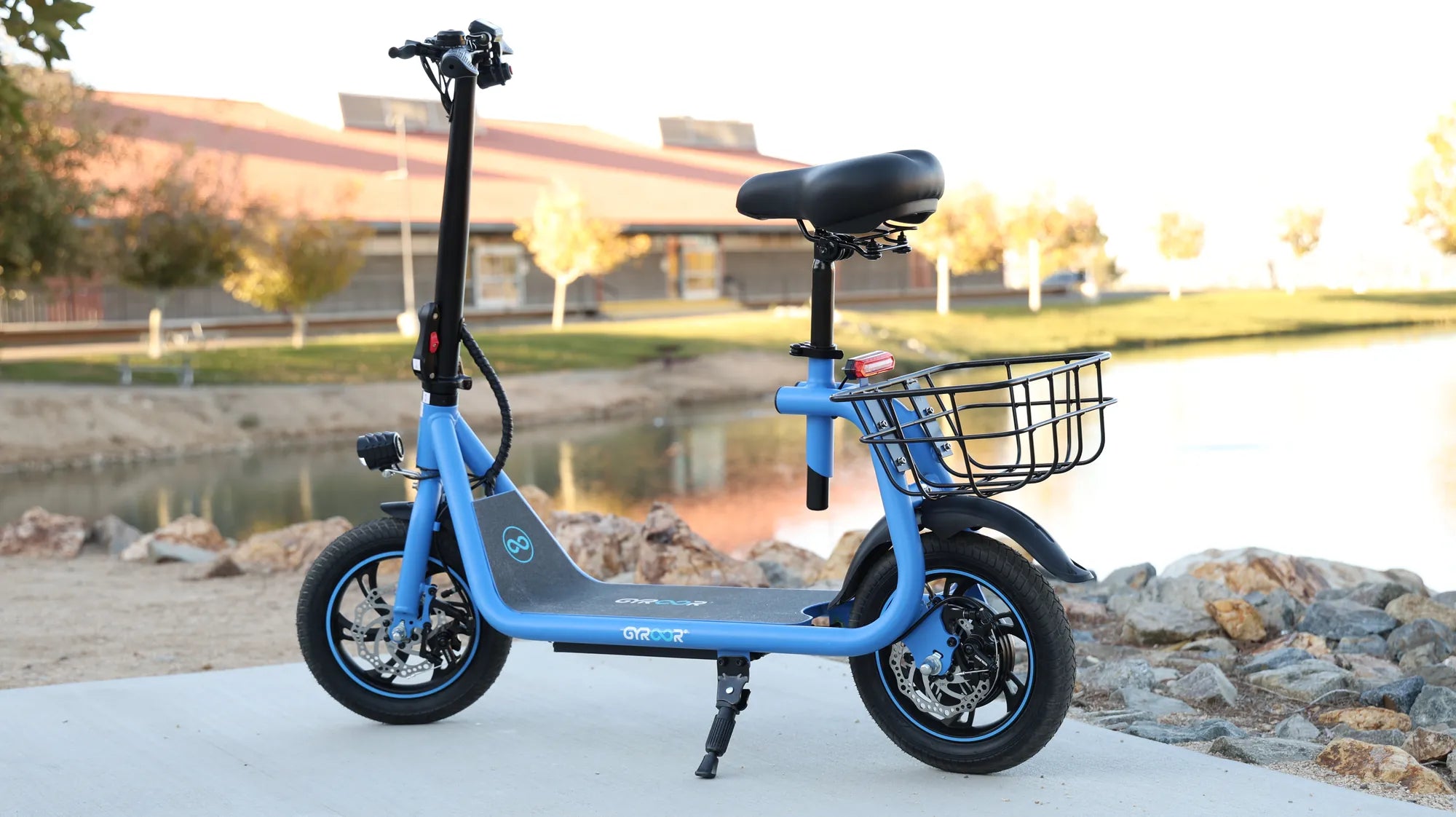
Winter transforms the world into a snowy wonderland, but for electric scooter enthusiasts, it also raises a critical question: Can you ride an electric scooter in snow? The short answer is yes, but with caution. Snow, ice, and freezing temperatures present unique challenges that demand careful preparation and adjusted riding habits. Whether you're a daily commuter or a recreational rider, understanding how to navigate these conditions safely is essential.
Understanding the Challenges of Riding an E-Scooter in Snow
Snowy and icy conditions introduce several obstacles for electric scooter riders. The most immediate concern is traction. Standard e-scooter tires are not designed for snow, making slips and slides a real danger. Additionally, cold temperatures can affect battery performance, reducing range and power output. Snow buildup on the scooter's deck or brakes can also impair functionality, while wet conditions increase the risk of water damage to electrical components.
Preparing Your Electric Scooter for Winter Riding
If you're determined to ride your e-scooter in the snow, proper preparation is key. Start by checking your scooter's water resistance rating—models with higher IP ratings are better suited for wet conditions. Consider upgrading to winter tires with deeper treads or even studded tires for icy surfaces. Lowering your tire pressure slightly can improve grip, but avoid going too soft, as it may increase the risk of punctures.
Battery care is another critical factor. Cold temperatures sap battery life, so store your scooter indoors when not in use and allow the battery to warm up before riding. Keep rides shorter than usual and plan routes with charging stations in mind. Applying a waterproof silicone spray to exposed electrical connections can help prevent moisture damage.
Safe Riding Techniques for Snowy Conditions
Even with a well-prepared scooter, your riding style must adapt to winter conditions. Reduce your speed significantly—snow and ice demand slower acceleration and gentler braking to maintain control. Avoid sudden movements, and distribute your weight evenly to prevent skidding. Stick to cleared paths when possible, and be extra cautious on inclines or uneven terrain.
Visibility is another concern in winter. Shorter days and snowfall can make it harder for others to see you. Wear reflective gear and ensure your scooter's lights are fully functional. Consider adding additional lights or reflective tape for increased visibility.
Weighing the Risks: When to Avoid Riding
While it's possible to ride an electric scooter in light snow, certain conditions warrant avoiding it altogether. Heavy snowfall, black ice, or temperatures far below freezing create hazards that even experienced riders should avoid. If the snow is deep enough to drag against the scooter's underside, it's best to find alternative transportation. Similarly, if roads are treated with excessive salt, the corrosive effects can damage your scooter over time.
Maintenance After Winter Rides
Post-ride care becomes even more important during winter months. After each snowy ride, wipe down your scooter to remove moisture, salt, and debris. Pay special attention to the brakes, tires, and any moving parts. Store the scooter in a dry place and allow it to reach room temperature before charging. Regular inspections for signs of wear or corrosion will help extend your scooter's lifespan through the winter season.
Riding an electric scooter in snow isn't impossible, but it requires extra preparation, caution, and maintenance. For those willing to take on the challenge, winter rides can be exhilarating—just remember that safety should always come first. With the right approach, you can extend your e-scooter adventures into the colder months while minimizing risks to yourself and your vehicle.
East Burke Mountain Biking Trails: A Rider's Paradise for Adventure and Scenery
Ballyhoura Mountain Biking: A Thrilling Adventure in Ireland's Hidden Gem