



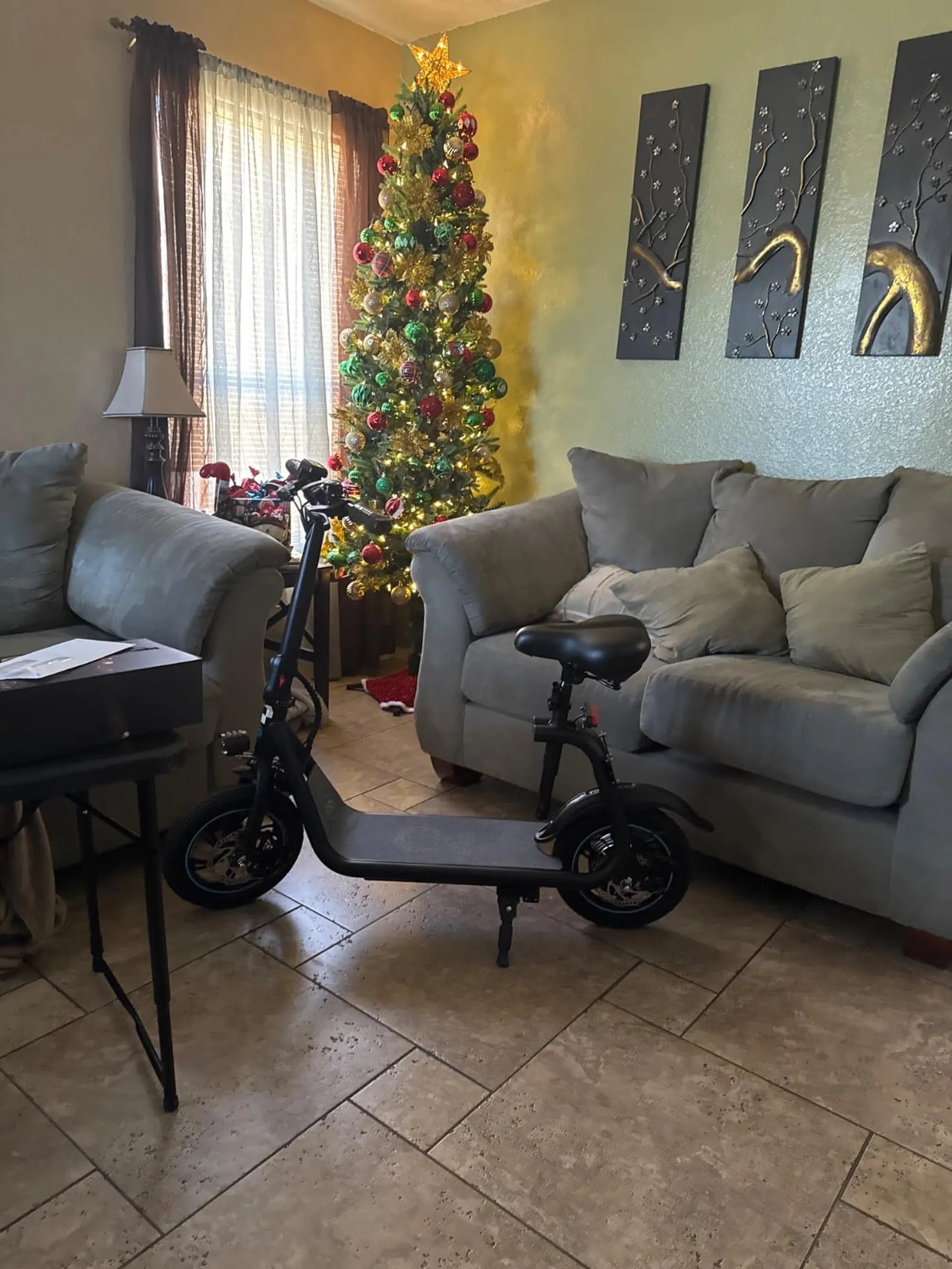
Navigating Melbourne's E-Scooter Landscape
Can you ride electric scooters in Melbourne? The direct answer is yes, but the legal pathway you take dramatically changes the experience. Melbourne is a city actively engaging with micromobility, yet it operates under a dual regulatory framework that often confuses residents and visitors alike. This guide provides a comprehensive, factual breakdown of the rules, risks, and best practices.
You will learn the critical distinction between government-sanctioned rental trials and the restrictions on private e-scooters. We detail safe riding zones, essential gear, and how to choose a reliable vehicle for legal use on private property. Understanding these nuances is key to enjoying this convenient transport mode while avoiding substantial fines.
The Current Legal Status: Private vs. Rental E-Scooters
Melbourne's e-scooter ecosystem is split into two distinct legal categories. Rented e-scooters from approved operators are permitted in designated trial areas under specific conditions. Privately owned e-scooters, however, face significant restrictions on public land, a point of frequent misunderstanding for riders.
The Victorian road rules currently classify privately owned e-scooters capable of exceeding 10km/h as unregistered motor vehicles. This classification makes them illegal to operate on public roads, footpaths, shared paths, and bicycle lanes. Their legal use is confined to private property with the owner's explicit permission.
Understanding the Rental E-Scooter Trial
The commercial e-scooter trial, extended by the Victorian government, allows approved operators like Neuron and Lime to deploy their fleets in participating council areas. Key trial zones include the City of Melbourne, Yarra, and Port Phillip. These schemes are tightly controlled through geofencing technology.
Riders must use the operator's app to locate, unlock, and pay for scooters. The scooters are restricted to 20km/h, with lower speed limits in high-pedestrian areas. Designated parking zones are enforced to prevent footpath clutter. This trial represents the only legal way to ride an e-scooter on public infrastructure in these councils.
The Rules for Privately Owned E-Scooters
For personal e-scooters, the law is clear and restrictive. Riding a privately owned e-scooter on any public road-related area can result in police enforcement. Penalties are severe, designed to deter illegal use due to safety concerns from unregulated vehicle standards.
You can face an on-the-spot fine of $925 for riding an unregistered vehicle. Further fines apply for riding without a license ($462) and for not wearing an approved helmet ($346). These rules underscore that until legislation changes, private scooters are for private land only.
Where and How to Ride Safely in Melbourne
Safety is paramount, whether you're using a rental trial scooter or a personal one on permitted land. Responsible riding protects you, pedestrians, and the future of micromobility in Melbourne. Adherence to speed limits, situational awareness, and proper gear are non-negotiable.
Always assume that drivers may not see you. Make your intentions clear, avoid sudden movements, and never ride under the influence of alcohol or drugs. Your safety and legal standing depend on proactive, defensive riding practices within the established rules.
Recommended Routes and Bike Lanes
Within rental trial zones, Melbourne's extensive network of bicycle paths and quieter streets offers ideal routes. Always prioritize designated bike lanes where available. These provide a safer, separated space from both vehicle traffic and footpaths.
Scenic and practical routes include the Capital City Trail, which loops around the city's inner suburbs. Riding along the Yarra River paths in Southbank or through the Carlton Gardens provides a pleasant experience. Using the app for your rental scooter often shows preferred riding zones and no-parking areas.
Safety Gear and Best Practices
A helmet is legally mandatory for all e-scooter riders in Victoria and is your most critical piece of safety equipment. For optimal protection, consider a bicycle or multi-sport helmet that fits securely. Visibility is your second defense; use the scooter's built-in lights at all times, and consider high-visibility clothing at night.
Best practices include: keeping both hands on the handlebars, using bells or voice to alert pedestrians when necessary, and dismounting in crowded areas. Regularly check the scooter's brakes and tire pressure before starting your ride. Never carry a passenger, as it destabilizes the vehicle.
Choosing the Right E-Scooter: Rental vs. Private Ownership
Your choice between using rental scooters and purchasing a private model depends entirely on your use case and location. The table below provides a clear, data-driven comparison to inform your decision.
| Feature | Rental E-Scooter (Trial) | Privately Owned E-Scooter (e.g., Gyroor) |
|---|---|---|
| Legal Use Area | Public roads/paths in specific trial council zones only. | Strictly on private property only (e.g., home driveway, private estate). |
| Upfront Cost | Low (pay-per-ride + unlock fee). | Higher initial investment. |
| Long-term Cost | Expensive for daily commuting. | Cost-effective over 12+ months of regular use. |
| Performance & Range | Capped at 20km/h, limited battery range per ride. | Higher speeds (on private land), longer ranges (e.g., 25-45km per charge). |
| Safety Standards | Maintained by operator; quality varies. | Controlled by buyer; brands like Gyroor offer UL-certified batteries & IPX5 rating. |
| Convenience | Spontaneous, one-way trips; reliant on app and scooter availability. | Always available, personalized settings, no search time. |
Why Choose a Gyroor E-Scooter for Private Land & Future-Proofing
For riders with access to private property—such as university campuses, large residential estates, or rural land—or for those preparing for potential regulatory changes, investing in a quality private e-scooter is strategic. Gyroor, a leading brand trusted by over 100,000 riders across North America and Europe, is engineered for this purpose, prioritizing the safety and durability that regulators scrutinize.
Choosing a reputable brand is not just about performance; it's about investing in verified safety technology and reliable support. This is crucial for a product used for daily transport or recreation, ensuring peace of mind and long-term value from your purchase.
The Importance of UL-Certified Batteries and IPX5 Rating
Battery safety is the foremost concern for e-scooters globally. Gyroor models use UL-certified lithium-ion battery packs, tested for over 500 charge cycles. This certification means the batteries meet rigorous, independent safety standards for electrical, fire, and mechanical hazards, significantly reducing risk—a key factor for both personal safety and future regulatory approval.
Melbourne's weather is famously unpredictable. Gyroor's IPX5 water-resistant rating across its lineup means the scooter's electrical components are protected against water jets from any direction. This engineering provides resilience against sudden rain showers, ensuring reliability and longevity where lesser models might fail.
Investing in Quality: The 1-Year Warranty & Support
Beyond the initial purchase, long-term reliability is paramount. Gyroor backs its electric scooters with a comprehensive 1-year warranty, covering manufacturing defects in the motor, battery, and frame. This warranty reflects confidence in product durability and provides tangible protection for your investment.
With a 4.5/5 average customer rating, the brand's commitment to support is proven. For riders in Australia, this reliable, US-supported warranty network ensures that your e-scooter is a viable long-term asset for use on private land, ready for any future evolution in local mobility laws.
Frequently Asked Questions (FAQ)
Can I ride my own e-scooter to work in Melbourne?
No. Unless your entire commute is on private property, riding a privately owned e-scooter on public roads, footpaths, or bike lanes is illegal. You risk fines totaling over $1,700. The only legal commute option using an e-scooter is via a rented scooter within an active trial council area.
What are the fines for illegal riding?
Fines are substantial. The primary fine is $925 for riding an unregistered vehicle. You can also be fined $462 for riding without a license and $346 for not wearing an approved helmet. Police can also impound the scooter.
Are there plans to legalize private e-scooters?
The Victorian government is reviewing the trial outcomes. Any move to legalize private devices would likely involve strict safety standards (like mandatory UL certification or maximum power limits), helmet laws, and defined riding areas. No official timeline has been announced.
Do I need a license to ride a rental e-scooter?
Yes. Riders must hold a current car driver's license (learner, provisional, or full) or a motorcycle license. You must verify your license through the rental operator's app before your first ride.
How does Gyroor's warranty work in Australia?
Gyroor's 1-year warranty is valid for products purchased through authorized channels, including their official online store. The warranty covers defects in materials and workmanship. Customers contact Gyroor's support team directly to initiate a claim, with parts and service facilitated through their international network.
Riding Responsibly into Melbourne's Future
The landscape for electric scooters in Melbourne is defined by clear, if divergent, rules. You can confidently utilize rental scooters within the designated trial zones, enjoying a convenient and fun mode of transport. For private use, the only legal and responsible choice is to ride on private property, where investing in a safe, durable brand like Gyroor ensures performance and peace of mind.
Prioritize safety above all—wear a helmet, respect speed limits, and stay aware of your surroundings. As regulations evolve, choosing a scooter with certified safety features positions you well for the future. Melbourne's transport mix is changing, and informed, responsible riders will help shape a positive outcome for micromobility in the city.
Ready for a reliable ride on your own terms? Explore Gyroor's range of UL-certified, IPX5 water-resistant electric scooters and e-bikes, engineered for safety and durability. Browse the full Gyroor collection at gyroorboard.com.
Use of Electric Scooters in UK: Trends, Benefits, and Challenges
Best Electric Scooters 2025 Buying Guide: Top Picks and Expert Tips