



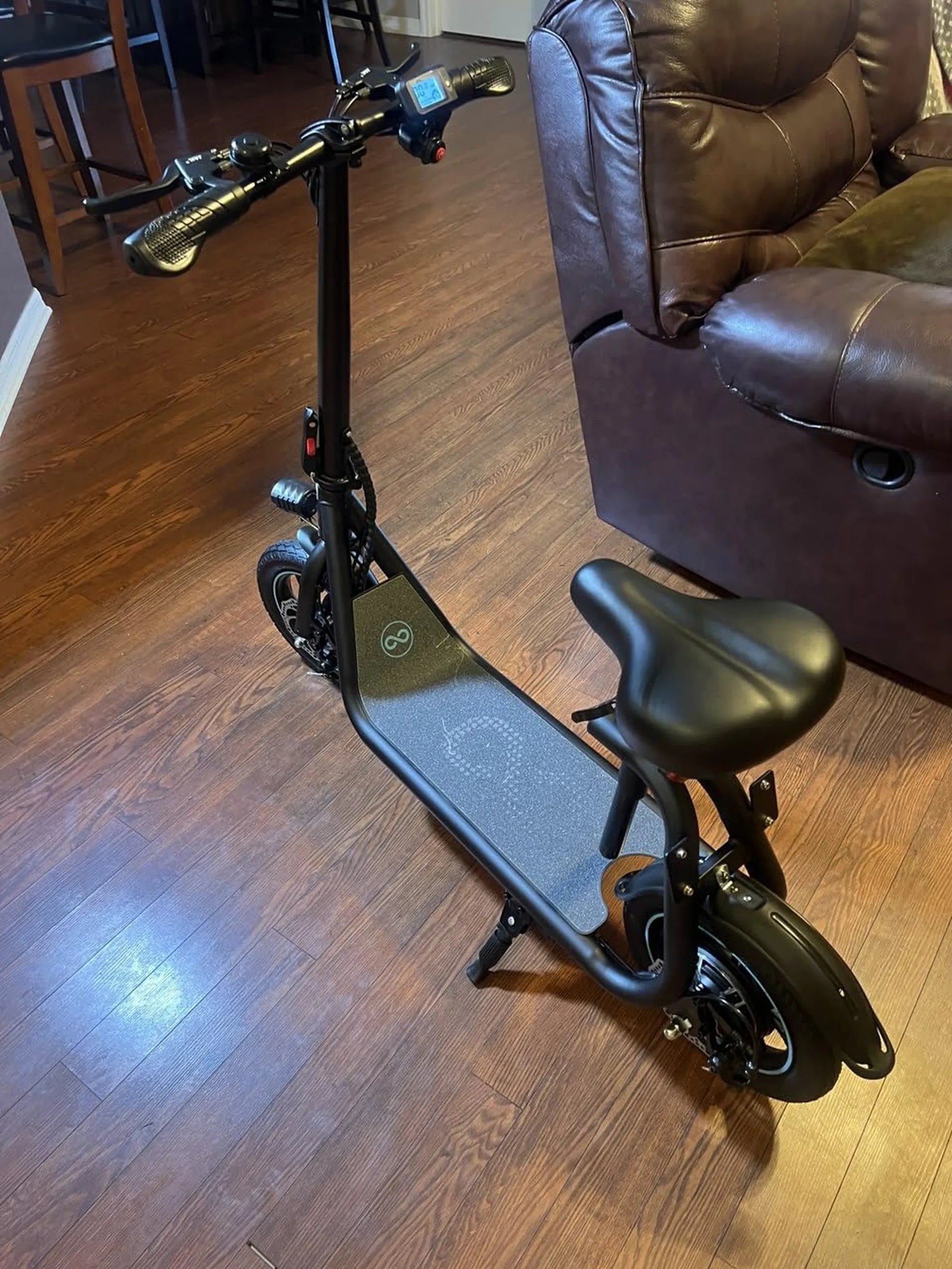
The simple question, Can you ride electric scooters on the path?, unlocks a complex web of local laws, safety considerations, and rider etiquette. The answer is rarely a simple yes or no; it's a conditional 'it depends' that requires every rider to become an informed citizen of their shared urban landscape. Ignorance of the rules can lead to fines, confiscation, or worse, accidents. This guide will provide the definitive framework for understanding the legalities, mastering path safety, and selecting equipment that keeps you riding confidently and compliantly.
Understanding the Rules: Where Can You Legally Ride an Electric Scooter?
The legality of riding an electric scooter on a path is not governed by a single, universal law. It is a fragmented patchwork of regulations that differ by country, state, city, and even the specific park or trail management authority. The first step for any rider is to move beyond assumption and actively research local ordinances.
Key definitions matter. A 'path' can refer to several distinct types of infrastructure: a sidewalk (primarily for pedestrians), a dedicated bike lane (on the roadway), or a shared-use/multi-use path (a separated paved trail for cyclists, pedestrians, and often other non-motorized users). The rules for each are typically different. Most urban centers strictly prohibit e-scooters on sidewalks but permit or even encourage them in bike lanes and on certain multi-use paths, often with speed restrictions.
Jurisdiction is critical. City bylaws often override less specific state or provincial guidelines. For instance, a state may allow e-scooter access to bike paths, but a city within it may ban them from specific historic districts or crowded waterfront trails. Park systems frequently have their own rules, which can be more restrictive. The onus is entirely on the rider to know the rules applicable to their intended route before starting their journey.
Failure to comply can have real consequences. Penalties range from warnings and fines (often between $100 and $500) to the impoundment of your scooter. More importantly, riding illegally, especially on sidewalks, significantly increases the risk of collision with pedestrians, potentially leading to serious injury and liability. Responsible riding begins with legal riding.
Navigating the Legal Landscape: City, State, and Park-Specific Regulations
In North America and Europe, regulatory models are converging around a core set of principles, though local implementation varies widely. Common frameworks include mandatory helmet laws for certain age groups (typically minors), speed limits capped at 15-20 mph (24-32 km/h), and a minimum riding age, often 16 or 18. A growing trend is the prohibition of sidewalk riding in dense urban business districts.
Major cities like New York, San Francisco, and London have detailed, publicly accessible micro-mobility frameworks. These often designate 'geo-fenced' slow zones or no-ride zones using app-based scooter rentals. Private scooter owners must adhere to the same traffic laws as these rental fleets. State-level laws, such as those in California or Texas, often provide a baseline legal status for e-scooters, classifying them similarly to bicycles and granting them access to bicycle infrastructure, which cities can then further regulate.
Park and trail regulations are a category of their own. Many national and state parks in the U.S. prohibit all electric transportation devices on natural surface hiking trails. However, some paved park paths, especially in urban parks, may allow them. The rule of thumb is to assume they are prohibited unless explicitly posted otherwise. Always check the official website of the park or trail authority before planning a ride.
Regulations are dynamic. As e-scooter adoption grows, laws are frequently updated. A rule that was valid six months ago may have changed. Riders should bookmark their local Department of Transportation or city council website for official updates, rather than relying on anecdotal information from other riders or outdated blog posts.
The Sidewalk Dilemma: Safety vs. Legality
Riding an electric scooter on the sidewalk is one of the most contentious issues in micro-mobility. From a safety perspective, it is widely discouraged by safety advocates and city planners. Scooters traveling at 15-20 mph pose a severe danger to pedestrians, especially the elderly, children, and those with disabilities. The speed differential and silent operation can lead to catastrophic collisions.
Legally, most metropolitan areas with moderate to high pedestrian traffic have enacted outright bans on sidewalk riding for any device with a motor. The primary rationale is pedestrian safety and the preservation of sidewalk as a safe, predictable space for walking. Enforcement of these bans is increasing, particularly in downtown cores and commercial districts where foot traffic is heaviest.
There are nuanced exceptions. In some suburban neighborhoods with wide, empty sidewalks and no immediate bike lane infrastructure, local ordinances may be more permissive or silent on the issue. However, 'permissive' does not mean 'safe.' Even where legal, the ethical rider should dismount or proceed at walking speed (typically under 6 mph) when pedestrians are present, effectively using the scooter as a faster walking aid rather than a vehicle.
The liability risk is substantial. If a rider on a sidewalk strikes a pedestrian, the rider is almost always found at fault, potentially facing civil lawsuits for medical expenses and other damages. Insurance for private e-scooters is still an emerging product, leaving many riders personally exposed. The safest and most legally defensible choice is to avoid sidewalks whenever an alternative route exists.
Shared-Use Paths and Bike Lanes: The Preferred Corridors
For electric scooter riders, dedicated bicycle lanes on streets and paved, shared-use paths are the legal and practical gold standard. These infrastructures are designed to handle wheeled traffic moving faster than walking speed, creating a more predictable and safer environment for all users.
Bike lanes, marked on roadways, integrate e-scooters into the flow of vehicular traffic in a protected space. When using a bike lane, riders must obey all standard traffic signals and signs, ride in the direction of traffic, and signal their turns. This integration promotes predictability for drivers and reduces dangerous conflicts at intersections compared to sidewalk riding.
Shared-use paths (also called multi-use trails) are often the most enjoyable places to ride, offering scenic, car-free routes. The key to harmony on these paths is etiquette and clear communication. Paths are shared with cyclists (often moving faster), pedestrians, joggers, and sometimes dogs on leashes. Successful sharing requires hyper-awareness, reduced speed in congested areas, and audible signals when passing.
Best practices for path riding include keeping to the right except when passing, passing on the left only when safe and with ample clearance (announcing 'on your left' verbally or with a bell), and slowing down to near-walking speed when passing children or animals. Yielding to pedestrians is not just polite; it's often a written rule. Treating the path as a shared community resource ensures its continued accessibility for e-scooters.
Prioritizing Safety: Essential Tips for Path and Road Riding
Legal compliance provides the framework for where you can ride, but proactive safety measures determine how you survive the ride. Adopting a defensive riding mindset is non-negotiable. Assume that drivers may not see you, pedestrians may step out unpredictably, and road surfaces may hide hazards.
Constant vigilance is your primary tool. Scan the path or road 50-100 feet ahead for obstacles like potholes, debris, wet leaves, or sewer grates. Be especially cautious at intersections, driveways, and parking lot exits—these are high-conflict zones where most collisions occur. Make eye contact with drivers whenever possible to ensure they acknowledge your presence.
Your speed should always be appropriate to conditions. On a crowded multi-use path, this may mean 10 mph or less. In a clear bike lane, you can safely use your scooter's higher performance modes. Weather dramatically affects safety; wet paths drastically reduce tire traction and braking efficiency, requiring slower speeds and greater following distances. Reliable scooters from trusted brands like Gyroor, with IPX5 water-resistant ratings, provide the all-weather confidence needed to handle damp conditions without electrical failure.
Finally, never ride under the influence of alcohol or drugs. Reaction times, balance, and judgment are all impaired, turning a scooter into a dangerous projectile. The same legal and safety standards that apply to driving a car apply to operating an electric scooter.
Gear Up: The Non-Negotiable Safety Equipment
A helmet is the single most important piece of safety equipment. Head injuries are the leading cause of severe trauma and death in scooter accidents. Use a properly fitted bicycle or multi-sport helmet certified by safety standards organizations (like CPSC in the U.S.). For high-speed commuters or those in heavy traffic, a full-face mountain bike helmet can offer additional protection.
Visibility is your second layer of defense. This means active lighting and passive reflectivity. Front (white) and rear (red) lights are legally required for night riding in most jurisdictions and are a critical safety addition for daytime riding in poor weather or shady areas. Choose bright, flashing LED lights. Reflective vests, ankle bands, or strips on your clothing and backpack dramatically increase your visibility to drivers from the side, a critical angle at intersections.
An audible signal, such as a bell or electronic horn, is essential for safe passing on shared paths. A polite ding or beep from a safe distance (not right behind someone) alerts pedestrians and cyclists to your presence. For road riding, consider a louder, electronic horn to be heard over traffic noise.
While not always mandatory, protective gloves and knee/elbow pads are wise investments, especially for new riders or those using their scooter for high-speed commuting. They can prevent painful abrasions (road rash) in the event of a fall.
Defensive Riding Techniques for Shared Spaces
Defensive riding is the practice of anticipating hazards and positioning yourself to avoid them. On roads with bike lanes, ride in the center of the lane to discourage cars from attempting to squeeze past you in an unsafe manner. Be wary of the 'door zone'—maintain at least 3 feet of distance from parked cars to avoid being hit by an opening door.
On shared-use paths, manage your speed relative to traffic density. In crowded areas, adopt a 'follow distance' behind cyclists or other scooters. Avoid sudden movements or swerving. When approaching blind corners, slow down and move to the far right, as someone could be approaching from the opposite direction.
Communication is proactive defense. Use hand signals for turning and stopping. Make your intentions obvious. When passing, give a clear, friendly vocal alert ('Passing on your left!') well in advance. Do not assume the person ahead has heard you; be prepared to slow down or stop if they move unpredictably.
Always have an 'escape route' in mind. If a car pulls out suddenly or a pedestrian steps into your path, knowing whether you can safely swerve left, right, or brake hard is a decision that must be made in a split second. Scanning your environment constantly keeps these options available.
Pre-Ride Checklist: Ensuring Your Scooter is Path-Ready
A mechanical failure at speed can be disastrous. A simple 60-second pre-ride check can prevent most issues. Start with tire pressure and condition. Under-inflated air-filled tires increase rolling resistance and risk pinch flats, while over-inflation makes for a harsh ride and less traction. Check for embedded debris or excessive wear.
Test both brakes—the electronic (regenerative) brake and the physical disc or drum brake. Ensure they engage smoothly and bring the scooter to a controlled stop without pulling to one side. Squeeze brake levers to check for firmness; a spongy feel may indicate air in hydraulic lines or cable stretch needing adjustment.
Verify that all lights—headlight, taillight, and any side or deck lights—are functioning. Check the charge level of your battery; never start a trip with a battery under 20% if you can avoid it, as voltage sag can reduce power and braking performance. Ensure the folding mechanism (if present) is fully locked and the handlebars are tight and aligned.
Investing in a scooter with a reputation for reliability and robust construction, like those from Gyroor with their UL-certified battery packs and rigorous quality control, minimizes the risk of unexpected failures. A 1-year warranty provides peace of mind that any manufacturing defects will be addressed, keeping your primary vehicle safe and operational.
Choosing the Right Scooter for Path Commuting: A Data-Driven Look
Not all electric scooters are equally suited for the mixed demands of path and urban commuting. The right tool enhances safety, compliance, and enjoyment. Key specifications directly impact your ability to ride legally on infrastructure like multi-use paths, which often have unspoken requirements for stability, control, and predictability.
The ideal path commuter scooter balances sufficient power for moderate hills, a top speed that can be responsibly managed (often limited to 15-20 mph for compliance), and a suspension system that absorbs vibrations from imperfect pavement. Wheel size is crucial: larger wheels (9-10 inches or more) roll over cracks and bumps more safely and smoothly than smaller, solid wheels, which can get caught and lead to a crash.
Battery range should comfortably exceed your daily round-trip commute by at least 30% to account for variables like wind, hills, and cold weather, which reduce efficiency. A scooter with multiple speed modes is invaluable, allowing you to restrict yourself to a 'Path Mode' (e.g., 12 mph) when on crowded trails and switch to a higher mode for open road sections.
Integrated safety features are a mark of thoughtful design. This includes bright, always-on running lights, effective reflectors, a loud bell or horn, and reliable braking systems. Water resistance (an IP rating) is not just for riding in the rain; it protects the scooter's vital electronics from road spray and puddles, ensuring long-term reliability. Gyroor models, for example, are built with IPX5 water resistance, making them dependable companions in varied conditions.
Key Features for Compliance and Control
Motor Power (350W-500W): This range provides adequate torque for starting from a stop on a path incline and maintaining a steady 15-20 mph without straining the motor. Overpowered scooters tempt riders to exceed safe path speeds, while underpowered ones can be a hazard when trying to merge or keep up with bike lane traffic.
Speed Modes & Limiters: The ability to electronically limit your top speed is a direct compliance tool. If your local path has a 15 mph speed limit, setting your scooter to its middle mode can help you stay within the law effortlessly. This feature is especially useful for loaning your scooter to less experienced riders.
Suspension & Wheel Size: A front or dual suspension system, paired with 8.5-inch or larger air-filled (pneumatic) tires, transforms the riding experience on uneven paths. It provides better traction, improves braking performance, and reduces fatigue by absorbing shocks that would otherwise travel to your hands and feet, helping you maintain control.
Integrated Lighting & Reflectivity: Built-in lights powered by the main battery are more reliable and less hassle than clip-on lights. Look for scooters with a powerful headlight, a brake light that activates upon braking, and deck or stem lighting for side visibility. These features make you seen, which is 80% of avoiding a collision.
Comparison: How Path-Friendly Scooters Stack Up
The following table provides a data-driven comparison of key metrics for scooters designed with path and urban commuting in mind. It highlights how specific engineering choices align with the needs of legal, safe riding on shared infrastructure.
| Model | Max Speed | Weight | Wheel Type & Size | Brake System | IP Rating | Key Path Feature |
|---|---|---|---|---|---|---|
| Gyroor C1 Pro | 18.6 mph / 30 kmh | 33 lbs / 15 kg | Air-Filled, 9.0" | Front Disc + Rear E-ABS | IPX5 | Dual suspension & large pneumatic tires for superior path comfort and control. |
| Gyroor F1 | 19 mph / 30.5 kmh | 38.5 lbs / 17.5 kg | Solid, 8.5" | Dual Mechanical Drum | IPX5 | Robust frame and dual drum brakes for reliable all-weather stopping power on paved paths. |
| Competitor A (Typical Commuter) | 22 mph / 35 kmh | 31 lbs / 14 kg | Solid, 8.0" | Rear Foot + E-ABS | IPX4 | Lightweight but lacks suspension and air tires, leading to a rougher ride on uneven paths. |
| Competitor B (Performance) | 28 mph / 45 kmh | 52 lbs / 23.6 kg | Air-Filled, 10.0" | Hydraulic Front & Rear | IPX5 | Over-powered for most path limits; excellent suspension but heavy for portability. |
This comparison illustrates that the ideal path scooter, like the Gyroor C1 Pro, prioritizes a compliant speed, a balance of weight and durability, shock-absorbing components, and high water resistance for dependable daily use.
Frequently Asked Questions (FAQ) on E-Scooter Path Use
Can I ride my electric scooter in national or state parks?
Generally, no. Most national parks and many state parks in the U.S. have regulations that prohibit electric motors on trails to preserve natural quiet and protect wildlife. Electric scooters are typically banned on natural surface hiking trails. Some urban or recreational state parks with extensive paved path systems may allow them, but this is the exception. Always check the specific park's official website or contact park rangers before your visit. Assume it is prohibited unless explicitly stated otherwise.
Do I need a license or insurance to ride on a bike path?
For privately owned electric scooters meeting typical specifications (under 750W motor, max speed under 20 mph), a driver's license is rarely required in most U.S. states and European countries, as they are classified similarly to bicycles. Insurance is not legally mandated in most places but is highly recommended. Personal liability insurance (often available through a renter's or homeowner's policy add-on) can protect you financially if you are found at fault in a collision causing injury or property damage. Vehicle insurance for the scooter itself is also becoming available.
What should I do if I'm stopped by law enforcement?
Remain calm and polite. Have your ID ready if requested. Know the local laws; if you believe you were riding legally (e.g., in a permitted bike lane), you can calmly explain your understanding. However, do not argue. Officers are enforcing local ordinances that you are responsible for knowing. Accept a warning or ticket if issued. Asking for clarification on the specific violation can be helpful for future rides. Being respectful and compliant is the best way to resolve the situation.
Are there age restrictions for riding on public paths?
Yes, age restrictions are very common. Most jurisdictions set a minimum age for operating an electric scooter, typically ranging from 14 to 18 years old. These laws are strictly enforced, especially for rental scooters via apps. Additionally, helmet laws often have different age requirements; many places mandate helmets for all riders under 18, even if adults are not required to wear them. Always verify the age and helmet laws in your specific city and state.
How does Gyroor's warranty support safe and legal riding?
Gyroor's 1-year comprehensive warranty directly supports safe riding by ensuring the scooter's core systems remain reliable. A warranty covering the frame, motor, and most critically, the UL-certified battery pack, provides assurance against manufacturing defects that could lead to sudden failure on a path—such as a brake malfunction or loss of power. Reliable, compliant equipment is the foundation of safe riding. Knowing your scooter is backed by a trusted brand with a warranty allows you to focus on the road and rules, not on potential mechanical worries.
The Responsible Rider's Conclusion: Enjoying the Ride Within the Rules
The freedom and efficiency of electric scooters are transformative for urban mobility, but this freedom is anchored in responsibility. The question, Can you ride electric scooters on the path?, is answered not by a blanket statement, but by your willingness to become an informed, prepared, and courteous rider. The rules exist to create order in shared spaces, protecting you, pedestrians, and cyclists alike.
Safety is not an accessory; it is the integral practice of combining the right gear, a defensive mindset, and a well-maintained machine. Choosing a scooter designed for the real-world demands of paths and bike lanes—with appropriate speed, stability, and durability—is an investment in your long-term enjoyment and security on the road.
As micro-mobility evolves, riders who demonstrate respect for laws and shared infrastructure become the best ambassadors for the community, helping shape positive future regulations. By knowing your local ordinances, gearing up without fail, and riding with awareness and courtesy, you claim your place on the path confidently and correctly. The journey is yours to define—make it a safe and smart one.
Ready to explore with a scooter built for the rules of the road and the demands of the path? Browse the full collection of UL-certified, path-ready electric scooters and e-bikes at gyroorboard.com.
Electric Scooters for 12 and Up: Ultimate Safety & Fun Guide
Electric Scooters Sunshine Coast: The Ultimate Guide to Eco-Friendly Commuting