



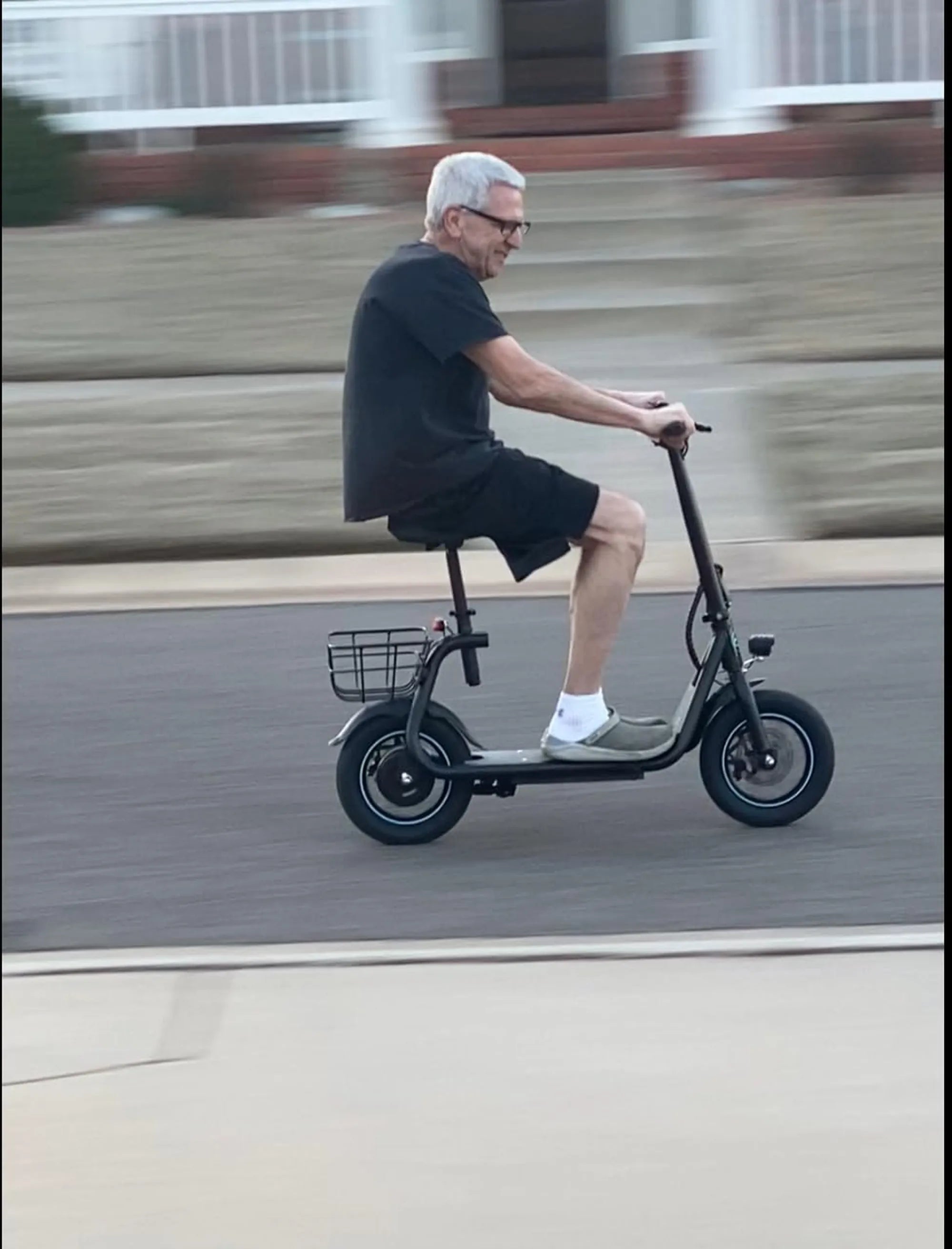
Navigating the legality of electric scooters in Victoria, BC, can feel like a maze. The short answer to the core question, Can You Ride Electric Scooters on the Road in Victoria?, is a definitive "it depends." Your ability to ride legally hinges entirely on your specific municipality and whether you're using a private or shared scooter. This guide cuts through the confusion with clear, actionable information. You will learn the current provincial stance, the exact rules for your local area, critical safety protocols, and how to select an e-scooter that meets both regulatory standards and Victoria's unique urban and weather conditions.
Understanding the Legal Framework: Provincial vs. Local Rules
Electric scooter regulation in British Columbia operates on a two-tiered system. This creates a patchwork of rules where your location is the most critical factor for legal compliance. Understanding this hierarchy is the first step to responsible riding.
At the provincial level, the BC Motor Vehicle Act (MVA) does not currently recognize privately-owned, stand-up electric scooters as a distinct legal vehicle class. They are not classified as motor vehicles, bicycles, or limited-speed motorcycles. This lack of a default legal status means there is no province-wide permit for their use on public roads, bike lanes, or sidewalks.
Consequently, the authority to regulate these devices has been delegated to local governments. Municipalities can choose to prohibit them entirely or create their own pilot programs and bylaws to permit their use under specific conditions. This delegation is why the rules in the City of Victoria differ from those in Saanich or Langford.
Key Provincial Stance from the BC Ministry of Transportation
The provincial government's position is one of cautious delegation. While not legalizing e-scooters province-wide, the Ministry of Transportation has provided a framework for municipalities to launch pilot projects. These pilots allow cities to test e-scooter use and gather data on safety and integration.
The core provincial requirement for any pilot program is that participating municipalities must have a valid liability insurance policy for the operation. This framework empowers cities but places the onus of regulation and risk management squarely at the local level. For riders, this means you cannot assume provincial rules exist; you must research your city's specific bylaws.
Where Can You Legally Ride? A Municipality-by-Municipality Breakdown
The legal landscape for electric scooters in Greater Victoria is fragmented and evolving. The following breakdown provides a snapshot of key municipalities. Always verify with the official municipal website for the most current bylaw information before riding.
| Municipality | Private E-Scooter Status | Shared E-Scooter Program | Key Conditions & Permitted Areas |
|---|---|---|---|
| City of Victoria | Permitted under Pilot Program | Active (Multiple Operators) | Bike lanes, roads with speed limits ≤50 km/h. No sidewalks. Helmet required. |
| District of Saanich | Not Permitted on Roads | No Active Program | Effectively prohibited on public roads, bike lanes, and sidewalks. |
| District of Oak Bay | Not Permitted | No | Bylaw prohibits use on all public streets, paths, and sidewalks. |
| Township of Esquimalt | Permitted under Pilot | No | Allowed on streets and bike lanes. Sidewalk riding prohibited. |
| City of Langford | Generally Tolerated* | No | *No specific bylaw; often treated similarly to bicycles. Use extreme caution and check for updates. |
| District of Central Saanich | Not Permitted | No | Use on public roads and sidewalks is not allowed. |
Spotlight on City of Victoria Pilot Program
The City of Victoria's pilot program is the most established framework in the region and serves as a model for regulated use. It governs both shared (rental) and privately-owned e-scooters that meet specific criteria.
Permitted devices must have a maximum speed of 24 km/h and an electric motor not exceeding 500 watts. Riding is allowed in bicycle lanes and on roads with a posted speed limit of 50 km/h or less. Riding on sidewalks is strictly prohibited throughout the city.
All riders must wear a certified bicycle helmet. Scooters cannot carry passengers. When parking a private scooter, it must not obstruct pedestrian pathways, building access, or disability ramps. The city actively updates its pilot parameters, so riders should review the official guidelines regularly.
Safety First: Essential Gear and Riding Etiquette for Road Sharing
Legal compliance is only half the battle; proactive safety is non-negotiable. Responsible riding protects you and fosters public acceptance, which is crucial for the long-term viability of e-scooters in Victoria.
Always operate your scooter defensively. Assume that drivers may not see you. Use hand signals to indicate turns and stops. Obey all traffic signs and signals as if you were a cyclist. Yield to pedestrians at all times, especially when transitioning from a road to a shared pathway.
Maintain a safe speed appropriate for the environment. In shared bike lanes or on busy streets, a moderate speed increases your reaction time. Be particularly cautious at intersections, driveways, and when navigating around parked cars to avoid "dooring" incidents.
The Non-Negotiables: Helmet and Visibility
A certified bicycle or multi-sport helmet is your most critical piece of safety equipment. In the event of a fall, it is the single greatest factor in preventing serious head injury. This is a legal requirement in jurisdictions with active pilots and a fundamental safety rule everywhere.
Visibility is equally vital. Victoria's rainy and overcast weather, combined with shorter winter days, demands proactive measures. Use a bright front light and a red rear light, even during daylight hours. Wear reflective clothing or add reflective strips to your backpack and helmet. Making yourself seen is the first step in avoiding a collision.
Choosing the Right Scooter for Victoria's Roads and Regulations
Selecting an e-scooter for Victoria requires balancing regulatory limits, terrain challenges, and weather durability. A scooter that excels on paper may fail on local hills or in a sudden downpour.
For tackling Victoria's inclines (like those in Fairfield or Rockland), motor power is key. A sustained 500W motor is often the minimum for reliable hill climbing. Look for models with good torque ratings. Battery capacity (measured in Watt-hours) directly impacts your range; consider a minimum of 10-15Ah for practical commuting without range anxiety.
Wheel size and suspension directly affect ride comfort and stability on varied pavement. Larger air-filled tires (10 inches or more) and front or dual suspension absorb bumps from cracked asphalt and brick pathways far better than small, solid tires.
Why Features Like UL-Certified Batteries and IP Ratings Matter
In an urban environment, battery safety is paramount. A UL 2272 or UL 2849 certified battery pack has undergone rigorous independent testing for electrical, mechanical, and fire safety. This certification, a standard feature in brands like Gyroor, mitigates the risk of battery fires—a top concern for regulators, building managers, and riders alike.
Victoria's climate demands weather resistance. An IPX5 or higher water-resistance rating means the scooter's electronics are protected against water jets from any direction. This allows you to ride confidently in light rain or on wet roads without worrying about immediate damage to the motor or controller, ensuring long-term reliability.
Navigating Hills, Weather, and Urban Terrain
Victoria presents a unique set of physical challenges for e-scooter riders. A strategic approach to your route and riding style can enhance both safety and enjoyment.
Plan your route to utilize bike lanes and quieter streets where possible. Apps like Google Maps (set to "Bicycling" layer) can help identify dedicated paths. For steep hills, a scooter with adequate power is essential; if your scooter struggles, dismount and walk it—safety trumps convenience.
Wet conditions drastically reduce traction. Slow down, increase your following distance, and avoid sharp turns or hard braking on metal surfaces like manhole covers and painted road lines. Regularly check your tire tread and brake pads for wear, as wet weather accelerates deterioration.
The Future of E-Scooters in Victoria: Trends and Advocacy
The current pilot-program model is likely a stepping stone. As data on ridership patterns, safety, and infrastructure usage is collected, it will inform future provincial or permanent municipal regulations.
Advocacy groups focused on active transportation are pushing for clearer, more standardized rules that recognize e-scooters as legitimate micromobility vehicles. Their goal is often integration into the broader cycling network, with dedicated infrastructure and consistent laws.
The long-term vision is a cohesive provincial framework that legalizes e-scooters with standard equipment and rider requirements, similar to existing e-bike regulations. This would replace the confusing municipal patchwork and provide clarity for riders, retailers, and law enforcement across BC.
Frequently Asked Questions (FAQ)
Q: Do I need a license or insurance to ride an e-scooter in Victoria?
A> No, a driver's license is not required to operate an e-scooter in jurisdictions where they are permitted. Similarly, there is no provincial insurance requirement for private e-scooters. However, it is highly advisable to check if your home or tenant's insurance policy provides any liability coverage for personal mobility device use.
Q: Can I ride on sidewalks anywhere in the Greater Victoria area?
A> Almost universally, no. Sidewalk riding is prohibited in all active pilot programs (like Victoria and Esquimalt) and is typically banned by municipal bylaws. Sidewalks are for pedestrians, and riding on them poses a significant safety risk and is a common source of complaints.
Q: What are the penalties for riding where it's not permitted?
A> Penalties vary by municipality but can include fines under local traffic bylaws. In areas where they are prohibited, police can issue tickets for operating an unlicensed vehicle on a highway (road). Your scooter could also be impounded. The financial and logistical hassle far outweighs the convenience of non-compliant riding.
Q: How fast can I legally go on an e-scooter?
A> In pilot areas like the City of Victoria, the maximum legal speed for an e-scooter is 24 km/h, regardless of the device's capability. It is the rider's responsibility to not exceed this limit on public property. Many quality scooters allow you to set a speed limit mode to ensure compliance.
Q: How does the 1-year comprehensive warranty from brands like Gyroor benefit me as a local rider?
A> A robust warranty is crucial for a device used daily on demanding terrain. Gyroor's 1-year warranty on the motor, battery, and frame provides peace of mind against manufacturing defects. Given the stresses of hills, vibrations, and moisture, this coverage ensures you have support if a component fails under normal use, protecting your investment in local commuting.
Conclusion: Your Path to Confident, Compliant Riding
The question of whether you can ride electric scooters on the road in Victoria has a clear, if nuanced, answer. Success hinges on a two-part strategy: knowing your local bylaws and committing to safe, respectful operation. Start by confirming the rules in your specific municipality—never assume. Pair this legal knowledge with a scooter built for safety and durability, featuring non-negotiable elements like UL-certified batteries and weather-resistant construction.
By choosing reliable equipment and adopting a defensive riding mindset, you contribute to a positive perception of e-scooters. This responsible approach paves the way for their sustainable future in Victoria's transportation ecosystem. Ready to explore a range of e-scooters designed with compliance and Victoria's conditions in mind? Browse the full Gyroor collection at gyroorboard.com to find a model that matches your commute and the local regulations.
Road Legal Electric Scooters UK: Your Complete 2024 Guide
Affordable Electric Scooters in Ahmedabad: The Ultimate Guide to Budget-Friendly Commuting