


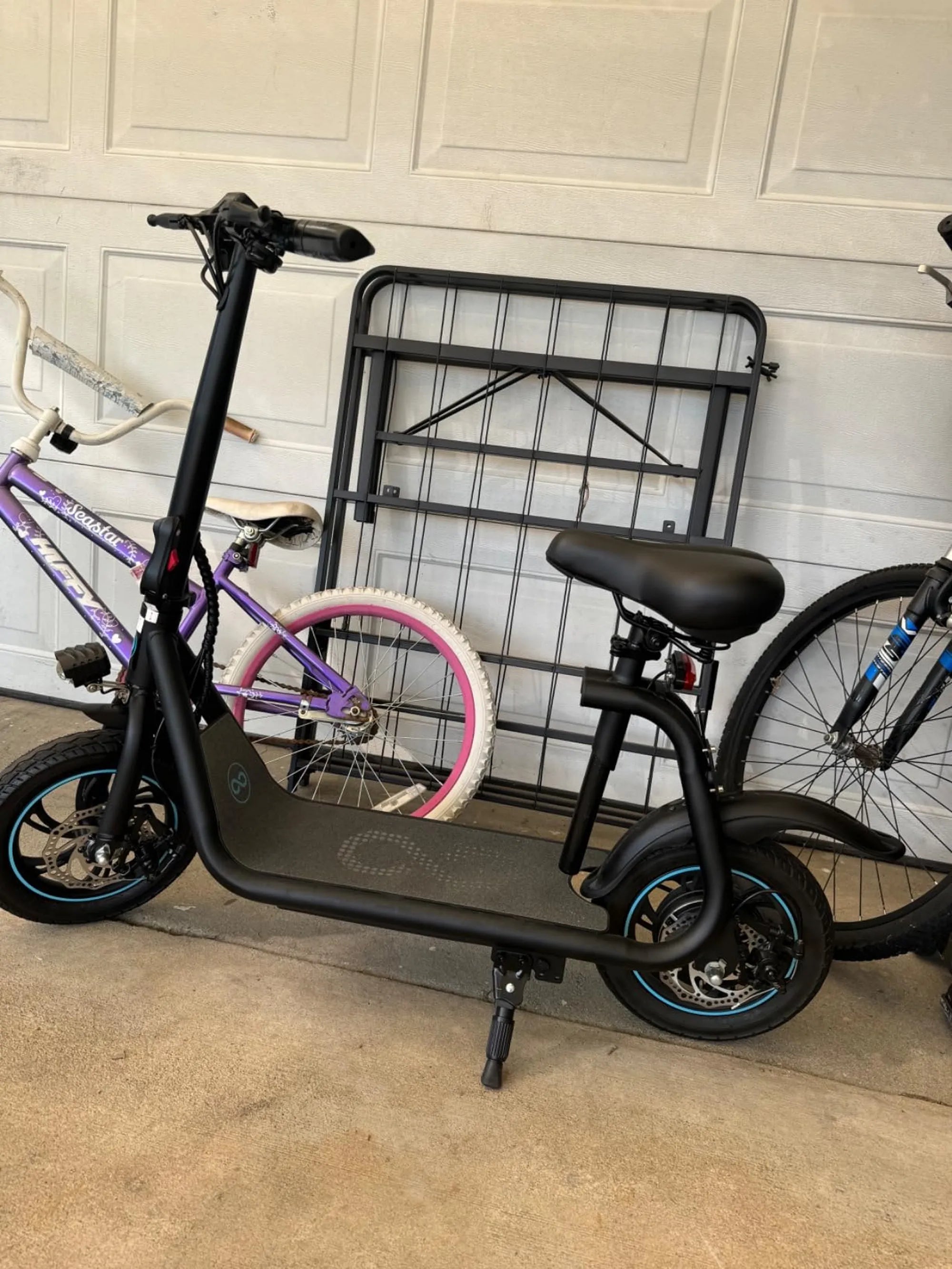
Dreaming of taking your electric bike on your next adventure? Whether you're planning a cross-country trip or an international getaway, the idea of bringing your e-bike along is exciting. But before you pack your bags, it's crucial to understand the rules and restrictions surrounding air travel with electric bikes. Airlines have strict policies, especially concerning lithium-ion batteries, which power most e-bikes. Let's dive into everything you need to know to make your journey hassle-free.
Understanding Airline Policies for Electric Bikes
Most airlines classify electric bikes as "dangerous goods" due to their lithium-ion batteries. These batteries pose a fire risk, leading to strict regulations. While policies vary by airline, here are some general guidelines:
- Checked Luggage: Many airlines prohibit e-bikes in checked baggage due to battery size restrictions.
- Carry-On: Smaller e-bike batteries (under 100Wh) may be allowed in carry-on luggage, but larger ones are often banned.
- Cargo: Some airlines permit e-bikes as cargo if the battery is removed and packaged separately.
Always check with your airline before booking to avoid last-minute surprises. Policies can change, so verify the latest rules close to your travel date.
Battery Restrictions: The Biggest Hurdle
The primary challenge when flying with an electric bike is the battery. Lithium-ion batteries are classified as hazardous materials, and airlines enforce strict limits:
| Battery Size | Carry-On | Checked Luggage |
|---|---|---|
| Under 100Wh | Usually allowed (with airline approval) | Prohibited |
| 100Wh-160Wh | May require special permission | Prohibited |
| Over 160Wh | Generally banned | Prohibited |
To determine your battery's watt-hour (Wh) rating, check the label or multiply the voltage (V) by the ampere-hours (Ah). For example, a 36V 10Ah battery is 360Wh, which exceeds most airline limits.
Packing Your Electric Bike for Air Travel
If your airline permits e-bikes (without the battery), proper packing is essential to avoid damage. Follow these steps:
- Disassemble: Remove the battery, pedals, and handlebars to reduce size and protect components.
- Protect: Use bubble wrap or foam to cushion fragile parts like the frame and display.
- Pack: Place the bike in a sturdy bike box or hard-shell case designed for air travel.
- Label: Clearly mark the box as "Fragile" and include your contact information.
Consider shipping the battery separately via ground transport if flying isn't an option. Some courier services specialize in hazardous materials.
Alternatives to Flying With Your Electric Bike
If flying with your e-bike seems too complicated, consider these alternatives:
- Rent Locally: Many destinations offer e-bike rentals, saving you the hassle of transport.
- Ship Ahead: Use a freight service to send your bike to your destination in advance.
- Choose a Foldable Model: Some compact e-bikes meet airline size restrictions for checked luggage.
Research your options early to find the best solution for your trip.
International Travel Considerations
Flying internationally with an electric bike adds another layer of complexity. Some countries have additional restrictions on lithium batteries or e-bike imports. Check the regulations of your destination country to avoid fines or confiscation. Customs may require documentation, such as proof of ownership or battery specifications.
Ready to hit the skies with your electric bike? While it's not always straightforward, careful planning and adherence to airline policies can make it possible. Whether you're exploring a new city or tackling scenic trails, your e-bike adventure awaits—just be sure to pack your patience along with your gear!
2.5 Ah Battery for Bike: The Ultimate Guide to Powering Your Ride
Best Specialized Electric Bike Options Under $3,000 for Every Rider