



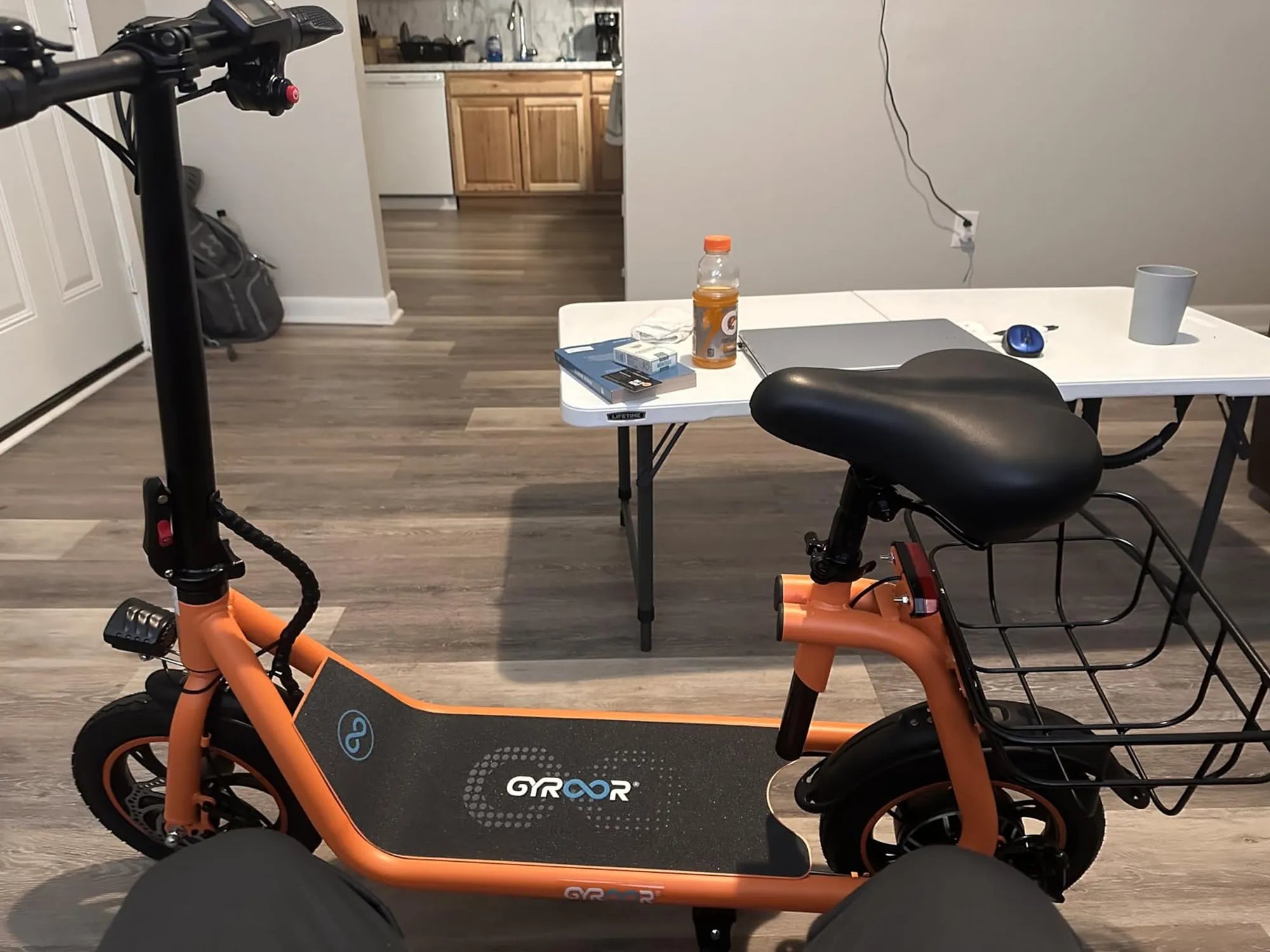
Winter transforms the world into a frosty wonderland, but for electric scooter riders, it also brings a host of challenges. Can you use an electric scooter in winter? The answer is yes—but only if you take the right precautions. From battery performance to slippery roads, cold weather demands extra attention. Here’s everything you need to know to keep riding safely when temperatures drop.
How Cold Weather Affects Electric Scooters
Electric scooters rely on lithium-ion batteries, which are sensitive to extreme temperatures. Cold weather slows down chemical reactions inside the battery, reducing its efficiency and range. A scooter that normally travels 20 miles on a single charge might only manage 10-15 miles in freezing conditions. Additionally, cold tires lose flexibility, reducing traction on icy or wet surfaces.
Preparing Your Scooter for Winter
Before braving the cold, ensure your scooter is winter-ready. Start by checking the tire pressure—underinflated tires increase rolling resistance, draining the battery faster. If your scooter has pneumatic tires, consider switching to solid or airless tires to avoid flats caused by cold-induced rubber brittleness. Waterproofing the battery compartment and electrical connections can also prevent moisture damage from snow or slush.
Maximizing Battery Life in Cold Conditions
To combat reduced battery performance, store your scooter indoors when not in use. Cold temperatures drain battery power even when the scooter is off, so avoid leaving it outside for extended periods. Charge the battery in a warm environment before riding, and keep a spare charger at your destination if possible. Riding at moderate speeds conserves energy, as rapid acceleration depletes the battery faster in cold weather.
Safety Tips for Winter Riding
Winter roads are unpredictable, so adjust your riding style accordingly. Slow down on turns and avoid sudden braking to prevent skidding. Wear insulated, waterproof gear to stay warm and dry, and use gloves with grip to maintain control. Reflective clothing or LED lights improve visibility in shorter daylight hours. Always check the weather forecast before heading out—avoid riding during heavy snow or freezing rain.
Maintenance After Winter Rides
After each ride, wipe down your scooter to remove salt, snow, or slush that can corrode metal parts. Inspect the brakes and tires for wear, as winter conditions accelerate deterioration. If your scooter has been exposed to moisture, let it dry completely before storing it. Regularly check the battery health and recharge it to at least 50% if storing the scooter for long periods.
Winter doesn’t have to mean parking your electric scooter for the season. With proper preparation and caution, you can enjoy rides year-round. Stay warm, ride smart, and embrace the crisp air—your scooter is ready for the challenge!
How to Replace Electric Scooter Tire: A Step-by-Step Guide for Smooth Rides
Electric Scooter Attachments: Enhance Your Ride with These Must-Have Add-Ons