



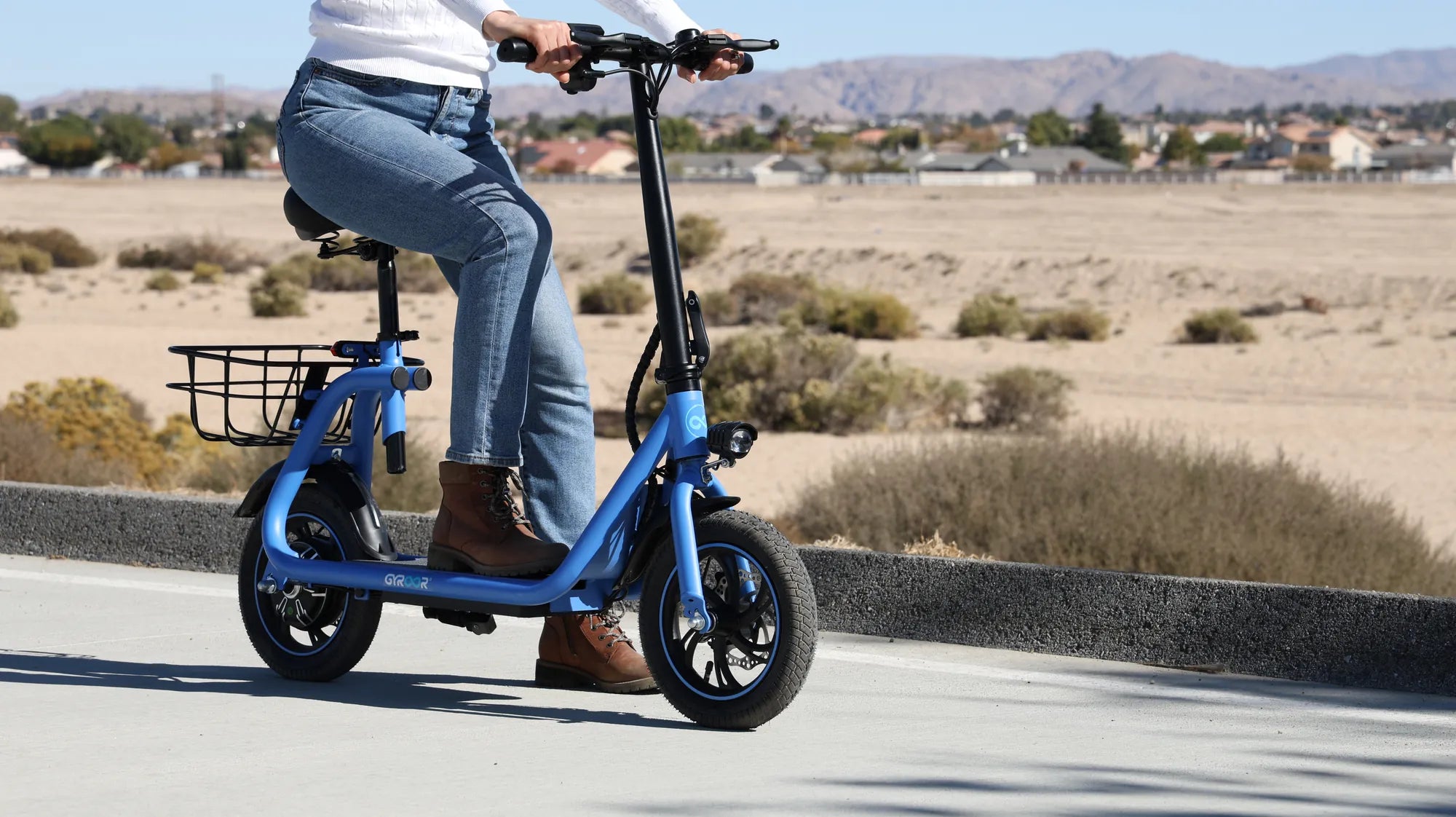
Electric scooters have taken cities by storm, offering a quick and eco-friendly way to zip through traffic. But one question keeps popping up: Can you use an electric scooter on the sidewalk? The answer isn’t always straightforward, as laws vary by location. Before you hop on your scooter and hit the pavement, here’s what you need to know.
Understanding Local Laws and Regulations
Rules for electric scooters differ from city to city and even between states or countries. Some places strictly prohibit riding on sidewalks, while others allow it under certain conditions. Here’s a breakdown of common regulations:
- Sidewalk Riding Banned: Many urban areas ban electric scooters on sidewalks to protect pedestrians. Violators may face fines.
- Limited Speed Zones: Some cities permit sidewalk riding if the scooter’s speed is capped (e.g., under 10 mph).
- Shared Pathways: Certain locations allow scooters on multi-use paths but not on narrow sidewalks.
- No Clear Rules: In areas without specific laws, riders must use common sense to avoid accidents.
Always check your local government’s website for the latest rules before riding.
Why Sidewalk Riding Can Be Dangerous
Even if it’s legal, riding an electric scooter on the sidewalk isn’t always safe. Here’s why:
- Pedestrian Collisions: Scooters move faster than walking speed, increasing the risk of accidents with pedestrians.
- Uneven Surfaces: Sidewalks often have cracks, bumps, or debris that can cause falls.
- Blind Spots: Cars exiting driveways may not see fast-moving scooters on sidewalks.
- Limited Space: Narrow sidewalks make it hard to maneuver safely around obstacles.
If you must ride on the sidewalk, slow down, yield to pedestrians, and stay alert.
Alternatives to Sidewalk Riding
To avoid legal trouble and stay safe, consider these alternatives:
- Bike Lanes: Many cities encourage scooter riders to use designated bike lanes.
- Road Riding: In areas where scooters are classified like bikes, riding on the road (following traffic laws) may be the best option.
- Shared Micromobility Paths: Some cities have dedicated lanes for scooters, bikes, and other small vehicles.
- Off-Peak Hours: If sidewalks are your only option, ride during low-traffic times to minimize risks.
Safety Tips for Electric Scooter Riders
Whether you’re on the sidewalk, road, or bike lane, follow these safety guidelines:
- Wear a Helmet: Protect yourself from head injuries, even if it’s not legally required.
- Use Lights at Night: Ensure you’re visible to drivers and pedestrians.
- Follow Traffic Signals: Obey stop signs, traffic lights, and pedestrian crossings.
- Stay Sober: Never ride under the influence of alcohol or drugs.
- Check Your Scooter: Regularly inspect brakes, tires, and battery to prevent malfunctions.
By riding responsibly, you’ll help keep yourself and others safe.
What Happens If You Break the Rules?
Ignoring local scooter laws can lead to consequences:
- Fines: Many cities impose penalties for illegal sidewalk riding.
- Scooter Impoundment: Repeat offenders may have their scooters confiscated.
- Legal Liability: If you cause an accident, you could face lawsuits or criminal charges.
It’s always better to know and follow the rules than risk trouble.
The Future of Electric Scooter Laws
As micromobility grows, cities are updating regulations to accommodate electric scooters. Some trends include:
- More Bike Lanes: Expanding infrastructure to separate scooters from pedestrians and cars.
- Geofencing: Using GPS to limit scooter speeds in crowded areas.
- Licensing Requirements: Some regions may introduce permits or training for riders.
Staying informed about these changes will help you ride legally and safely.
Electric scooters are a fun and efficient way to travel, but knowing where and how to ride is key. Before you hit the sidewalk, check your local laws, prioritize safety, and explore alternative routes. Ride smart, stay safe, and enjoy the journey!
Fastest Electric Scooter Canada: Speed, Power, and Performance
Electric Scooter Build: A Comprehensive Guide to Crafting Your Own Ride