


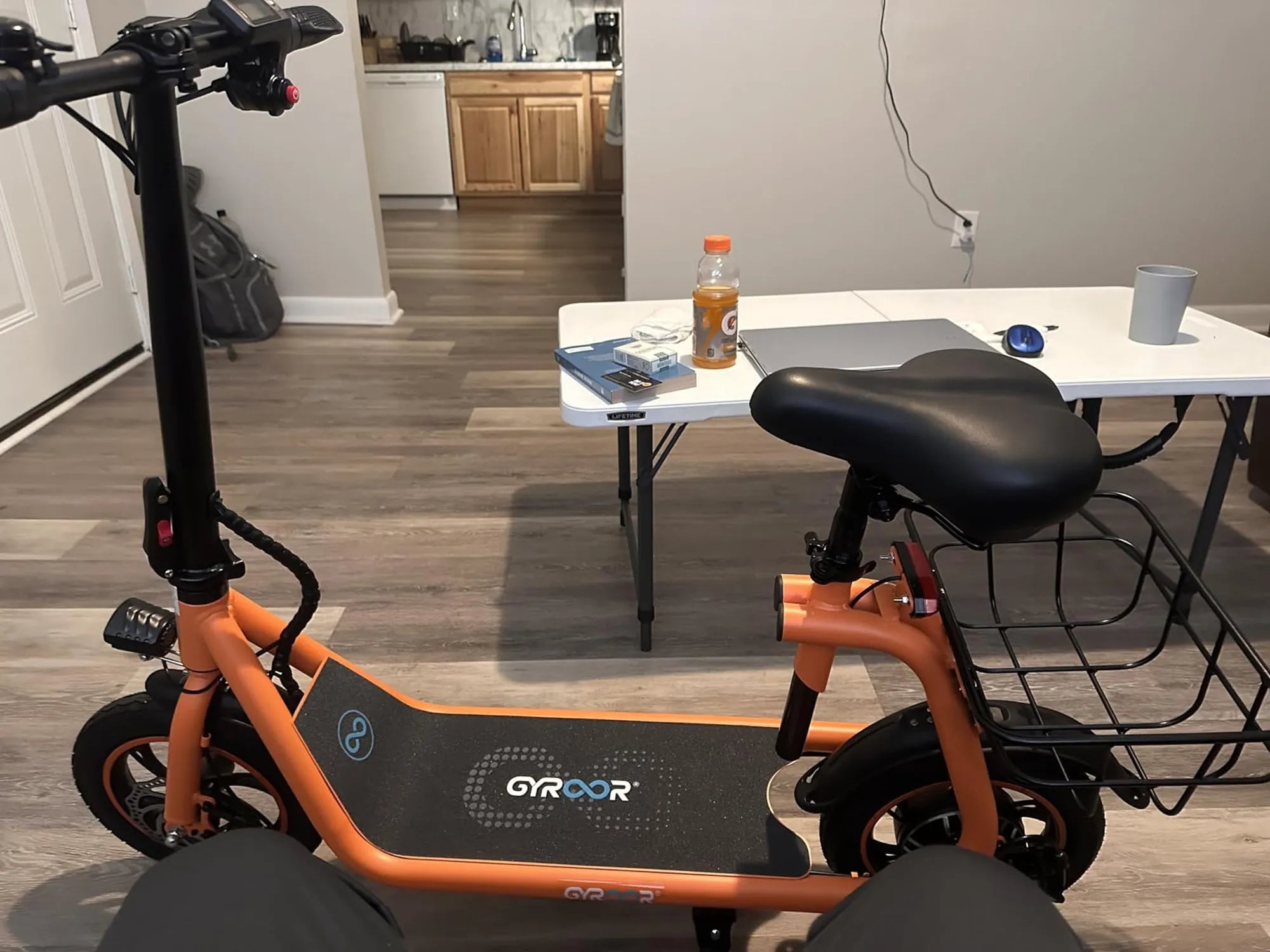
If you can't balance on a scooter, you're not alone. Many beginners—and even some experienced riders—face this frustrating challenge. But don't worry! With the right techniques and a little practice, you can overcome this hurdle and enjoy a smooth, stable ride. Whether you're using a kick scooter, an electric scooter, or a stunt scooter, the principles of balance remain the same. Let’s dive into the common reasons why balancing is tough and how to fix them.
Why Can't You Balance on a Scooter?
Balancing on a scooter requires coordination, core strength, and proper technique. If you're struggling, one or more of these factors could be the culprit:
- Poor Posture: Leaning too far forward or backward disrupts stability.
- Weak Core Muscles: Your abs and back play a big role in maintaining balance.
- Incorrect Foot Placement: Standing with your feet too close together or at odd angles makes wobbling worse.
- Fear of Falling: Nervousness leads to stiff movements, making balancing harder.
- Uneven Weight Distribution: Putting too much weight on one side throws off equilibrium.
Step-by-Step Guide to Improve Your Scooter Balance
1. Adjust Your Stance
Start by positioning your feet correctly. Place your dominant foot slightly forward, angled toward the direction you're moving. Your back foot should rest comfortably on the deck, providing support. Keep your knees slightly bent—this helps absorb shocks and improves control.
2. Engage Your Core
A strong core stabilizes your body. Practice exercises like planks and leg raises to build abdominal strength. When riding, consciously tighten your core muscles to maintain an upright posture.
3. Practice on Flat Ground
Begin on smooth, level surfaces before tackling hills or rough terrain. Push off gently and focus on keeping the handlebars straight. The smoother your start, the easier it is to stay balanced.
4. Use Your Arms for Stability
Your arms act as counterbalances. Keep them relaxed but ready to adjust if you feel unsteady. Avoid gripping the handlebars too tightly—flexibility helps with quick corrections.
5. Start Slow and Build Confidence
Speed can actually help with balance, but going too fast too soon is risky. Begin at a comfortable pace, gradually increasing speed as you gain confidence. Practice stopping smoothly to avoid sudden jerks.
6. Train Your Brain with Balance Drills
Try standing on one foot or using a balance board to improve proprioception (your body's sense of position). These exercises strengthen the neural pathways needed for scooter stability.
Common Mistakes That Make Balancing Harder
- Looking Down: Focus on the path ahead, not your feet.
- Overcorrecting: Small wobbles are normal—don’t panic and make sudden movements.
- Neglecting Maintenance: Loose handlebars or underinflated tires can cause instability.
When to Seek Professional Help
If you’ve tried everything and still can't balance on a scooter, consider taking a lesson from a skilled rider. Sometimes, an outside perspective can pinpoint issues you might miss.
Balancing on a scooter is a skill anyone can master with patience and persistence. Stop letting wobbles hold you back—apply these tips, practice consistently, and soon you'll be gliding effortlessly down the street!
Blue Electric Scooters San Francisco: The Future of Urban Mobility
Best Buy Electric Scooters Cheap and Fast for Kids: A Parent's Guide