



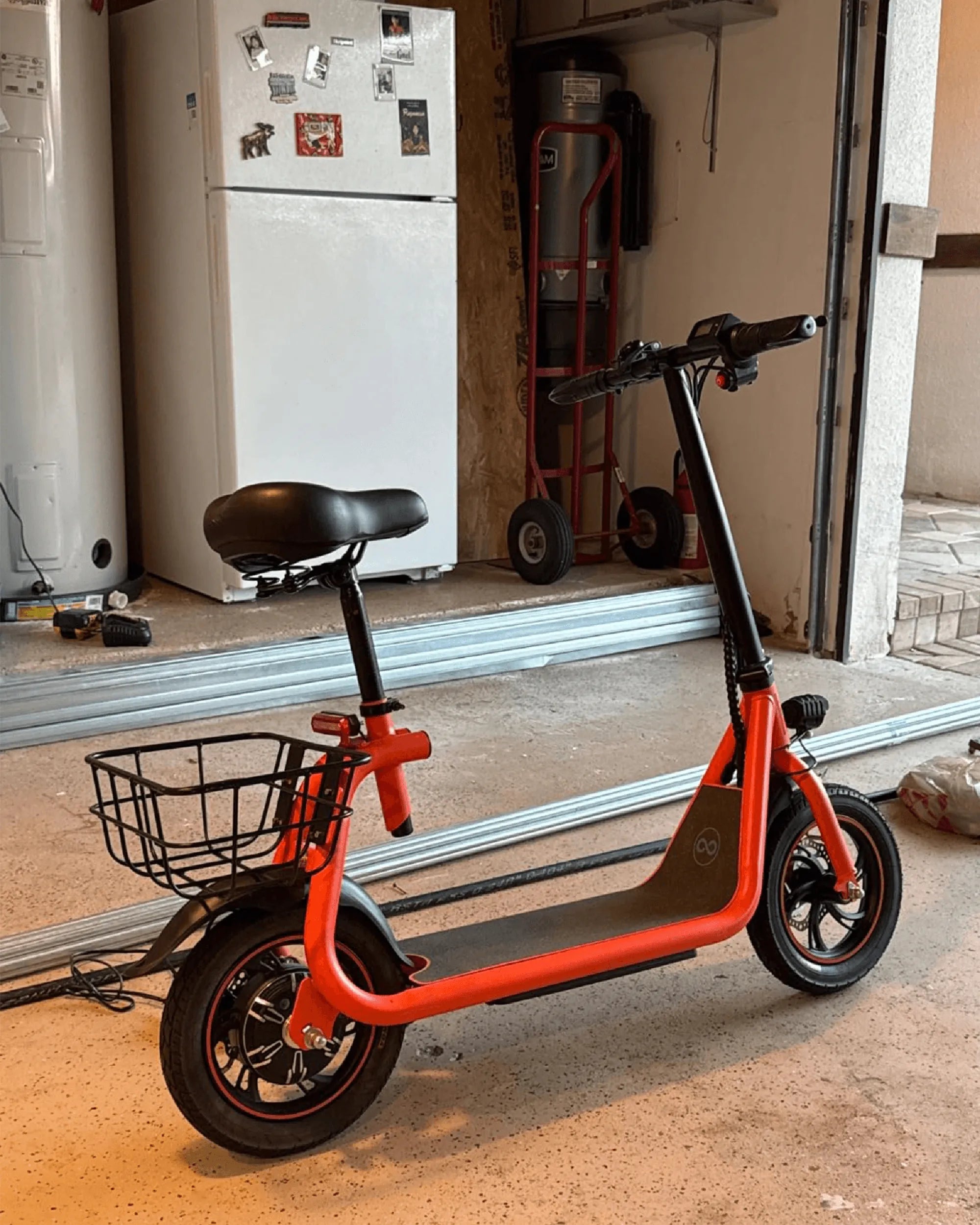
If you've ever found yourself wobbling uncontrollably or even taking a tumble while riding a scooter, you're not alone. Many beginners—and even some experienced riders—struggle with balance. The good news? With the right techniques and a bit of practice, you can master the art of scooting smoothly and confidently.
Why Can't You Keep Your Balance on a Scooter?
Balance issues on a scooter can stem from several factors. Understanding these can help you address the root cause and improve your riding experience.
1. Poor Posture
Slouching or leaning too far forward or backward can throw off your center of gravity. Stand upright with your knees slightly bent to absorb shocks and maintain stability.
2. Uneven Weight Distribution
Placing too much weight on one foot or leaning to one side can make the scooter tilt unexpectedly. Distribute your weight evenly between both feet for better control.
3. Lack of Core Strength
Your core muscles play a crucial role in maintaining balance. Weak core muscles can make it harder to stabilize yourself while riding.
4. Incorrect Foot Placement
Standing too close to the front or back of the deck can make steering difficult. Position one foot near the middle of the deck and the other slightly behind for optimal control.
5. Speed Issues
Going too slow can make balancing harder, while excessive speed can lead to loss of control. Find a comfortable, moderate pace to maintain stability.
How to Improve Your Scooter Balance
Now that you know the common pitfalls, here are actionable steps to help you ride with confidence.
1. Practice Standing Still
Before moving, practice balancing on the scooter while stationary. This helps you get a feel for the deck and your footing.
2. Start on a Flat, Smooth Surface
Avoid hills or rough terrain when you're learning. Flat, paved areas provide the best environment for practicing balance.
3. Engage Your Core
Strengthening your core through exercises like planks or yoga can significantly improve your balance on the scooter.
4. Use Your Arms for Stability
Keep your arms slightly bent and use them to counterbalance your movements. This helps you stay steady when turning or adjusting your speed.
5. Gradually Increase Speed
Start slow and gradually pick up speed as you become more comfortable. This allows you to build confidence without losing control.
Common Mistakes to Avoid
Even with the best intentions, riders often make mistakes that hinder their progress. Here’s what to watch out for.
1. Gripping the Handlebars Too Tightly
Over-gripping can lead to stiff movements and reduce your ability to react smoothly. Hold the handlebars firmly but not rigidly.
2. Looking Down at Your Feet
Focusing on your feet instead of the path ahead can disrupt your balance. Keep your eyes forward to anticipate obstacles and maintain stability.
3. Ignoring Terrain Changes
Riding over bumps, cracks, or slopes without adjusting your stance can throw you off balance. Stay alert and adapt your posture as needed.
Advanced Tips for Better Balance
Once you’ve mastered the basics, try these advanced techniques to refine your skills.
1. Practice One-Foot Riding
Lifting one foot slightly off the deck while riding can improve your balance and prepare you for more advanced maneuvers.
2. Experiment with Foot Positioning
Try different stances to see what feels most stable. Some riders prefer a wider stance, while others find a narrower one more comfortable.
3. Ride Regularly
Consistency is key. The more you ride, the more natural balancing will feel, and the quicker you’ll develop muscle memory.
Struggling to keep your balance on a scooter doesn’t mean you’re doomed to wobble forever. By identifying the root causes and practicing these techniques, you’ll soon be gliding effortlessly down the street like a pro. Ready to leave those shaky rides behind? Grab your scooter and start practicing today!
Best Electric Scooter Long Range Affordable 2025: Top Picks for Budget-Conscious Riders
Customizable Electric Scooters: The Future of Personal Urban Mobility