

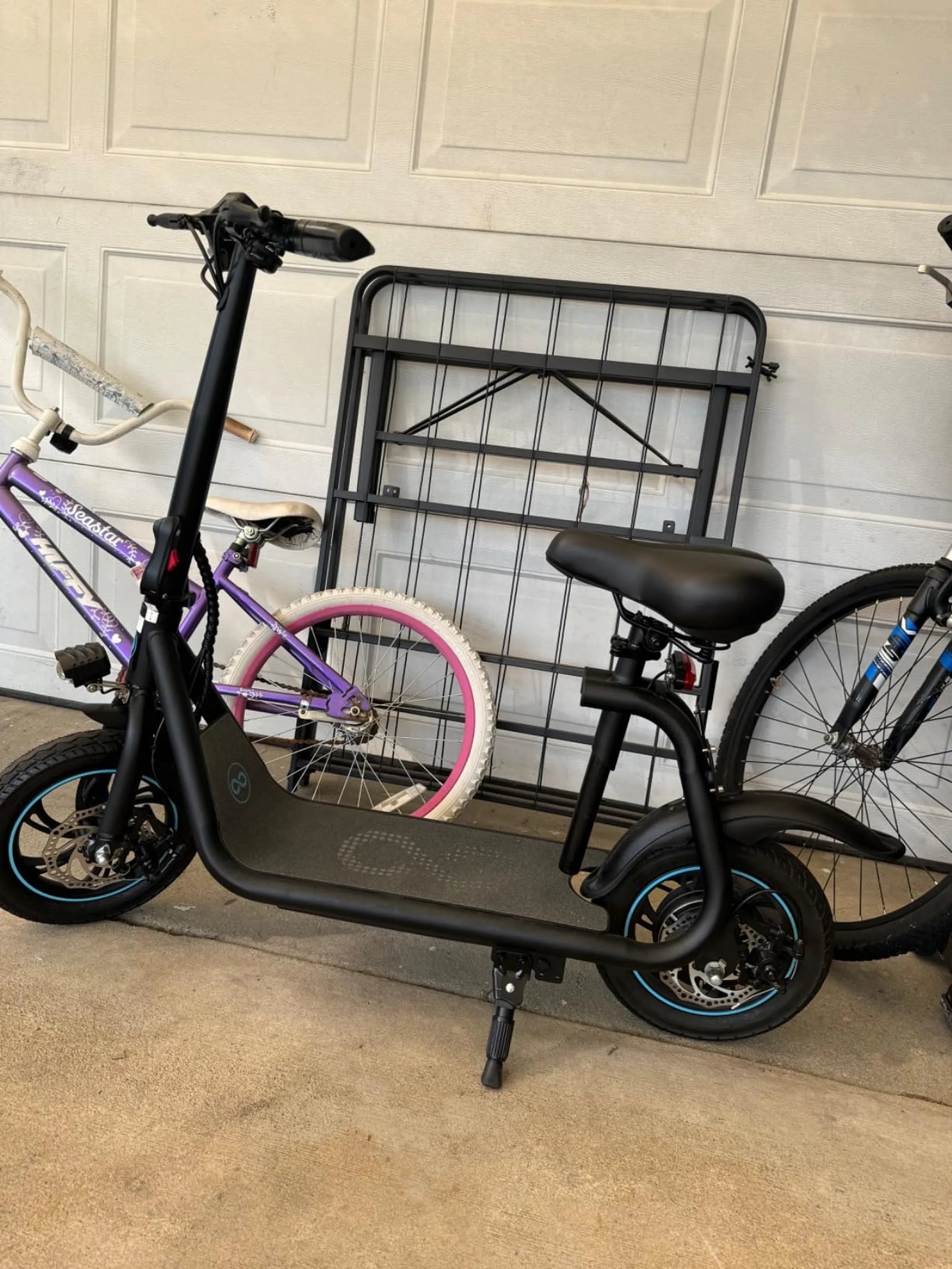
Want to ride faster without spending a fortune? You're not alone. The pursuit of speed drives cyclists at every level, but the price tags on high-end components can be daunting. The truth is, substantial speed improvements come from understanding physics, prioritizing maintenance, and making strategic, affordable changes. This guide focuses on cheap bike speed upgrades that deliver measurable performance gains, whether you ride a traditional bicycle or a modern e-bike like those from Gyroor, a brand engineered for performance and value.
You'll learn where your energy is wasted, which sub-$50 upgrades offer the best return, and how to optimize your existing setup. We'll separate proven methods from marketing hype and emphasize safety—especially for e-bike riders—because a faster bike should also be a reliable one.
Understanding Your Bike's Speed Potential
Speed isn't just about pedaling harder. It's about overcoming resistance efficiently. Four primary forces slow you down: aerodynamic drag, rolling resistance, mechanical friction, and gravity (on hills). On flat ground at moderate speeds, aerodynamic drag accounts for over 80% of your effort. This means small changes in your position or bike's frontal area yield outsized gains.
For traditional bikes, speed potential is limited by your power output and the bike's efficiency. For e-bikes, it's governed by the motor's power rating, battery capacity, and legally mandated speed limiters (often 20 mph for Class 1/2 or 28 mph for Class 3). Understanding this framework is crucial: some upgrades improve efficiency for both, while others are category-specific.
The goal of cheap bike speed upgrades is to systematically reduce these resistances. Before buying new components, assess your current setup. Is your chain clean? Are tires properly inflated? Often, the fastest gains are free.
The Physics of Pedaling: Where Energy is Lost
Every watt you produce can be lost before it propels you forward. Tire deformation against the road creates rolling resistance. Friction in chain links, derailleur pulleys, and bearings consumes energy. Most significantly, pushing air out of your way creates drag that increases with the square of your speed.
Mechanical inefficiencies are often overlooked. A dirty, dry chain can waste over 10 watts of power compared to a clean, lubricated one. Poorly adjusted wheel or bottom bracket bearings create constant drag. Even brake pads lightly rubbing against rotors or rims can slow you down noticeably.
By targeting these loss points with inexpensive solutions, you effectively increase your power output without getting stronger. This is the core principle behind effective cheap bike speed upgrades.
Cost-Effective Mechanical Upgrades (Under $100)
These hardware changes directly reduce resistance and improve power transfer. They form the foundation of a faster bike and often cost less than a single professional tune-up.
Tires and Tubes: Your First and Best Investment
Tires are your bike's contact point with the road, and they're the single most impactful upgrade for speed. Switching from heavy, high-friction touring tires to lightweight, low-rolling-resistance models can feel like gaining a free gear. Look for tires with a supple casing and a smooth or lightly textured center tread.
Tire pressure is critical. Running tires at the maximum pressure listed on the sidewall (assuming road conditions allow) minimizes rolling resistance. For a typical 700x25c road tire, this might be 100-120 PSI. Use a quality floor pump with a gauge for consistency. For e-bikes, which carry more weight, maintaining optimal pressure is even more crucial for preserving range and speed.
Inner tubes matter too. Standard butyl tubes are affordable, but lightweight butyl or latex tubes reduce rotational weight and offer better ride quality. A quality tire and tube combo can be the best cheap bike speed upgrade you'll ever make.
Drivetrain Tune-Up: Smooth is Fast
A clean, well-lubricated drivetrain is a fast drivetrain. Chain wear is a major efficiency killer. A worn chain (stretched beyond 0.5% elongation) damages the cassette and chainrings, leading to poor shifting and power loss. A simple chain checker tool (under $10) can save you hundreds in replacement parts.
Regular cleaning and lubrication are non-negotiable. Use a degreaser and a brush to clean the chain, cassette, and chainrings. After drying, apply a quality bicycle-specific lubricant sparingly to each chain roller, then wipe off excess. A clean chain can be 2-3% more efficient, translating directly to free speed.
Ensure your derailleurs are properly indexed. A misaligned derailleur causing chain rub on the front derailleur cage or poor shifting under load wastes energy. Basic barrel-adjuster tuning can often fix this at zero cost.
Bearings and Contact Points
Check all bearing systems: wheels, bottom bracket, and headset. Spin the wheels; they should rotate freely for several seconds with no grinding noise or lateral play. A quick adjustment or repack with grease can restore smoothness. Inexpensive cartridge bearing units are widely available if old bearings are shot.
Your contact points—saddle and handlebars—affect speed through aerodynamics and power output. Ensure your saddle height is correct: with your heel on the pedal at its lowest point, your leg should be straight. This optimizes pedaling efficiency. A simple, lighter saddle can also reduce weight where it matters most.
Aerodynamic and Efficiency Hacks (Under $50)
Since aerodynamic drag is the biggest enemy at speeds over 10 mph, reducing your frontal area is incredibly effective. Many of these upgrades cost little to nothing.
Body Positioning: The Free Upgrade
Dropping your torso lower reduces your frontal area dramatically. On a road bike, use the drops more often. On a hybrid or flat-bar bike, consider adding inexpensive bar ends to provide a second, narrower hand position that lowers your chest. Simply bending your elbows and flattening your back makes a measurable difference.
Clothing matters. A loose, flapping jersey creates significant drag. A tighter-fitting jersey or even just tucking in your shirt can reduce drag. This is the ultimate cheap bike speed upgrade: it's free.
Strategic Component Swaps and Adjustments
Remove unnecessary accessories. A front basket or bulky panniers act like parachutes. Use a streamlined backpack or a seat-post mounted bag instead. Trim your handlebar width to match your shoulder width; narrower bars reduce frontal area. This is a simple, sub-$30 swap if you have basic tools.
Consider a shorter, more angled stem to lower your torso. Used stems are plentiful and cheap. Ensure your brake and gear cables are neatly trimmed and routed to minimize wind resistance. These small tweaks add up to a cleaner, faster profile.
E-Bike Specific: Unlocking Extra Performance Safely
For owners of Gyroor e-bikes and e-scooters, performance tuning follows a different set of rules. The focus should be on optimizing the system's efficiency within its designed parameters, not on risky modifications that compromise safety and void warranties.
Optimization Over Modification
E-bike motors are most efficient when they don't have to overcome unnecessary resistance. Keeping tire pressure at the high end of the recommended range reduces rolling resistance for the motor, preserving battery charge for speed and distance. A clean, lubricated drivetrain is even more critical on mid-drive e-bikes where motor power travels through the chain.
Reducing overall weight has a double benefit: it lessens the load on the motor and improves handling. Remove non-essential racks or accessories. Gyroor designs its e-bikes, like those with UL-certified batteries and IPX5 water-resistant construction, for an optimal balance of performance, safety, and durability. Optimizing within this framework is the smart approach.
Understanding Controller and Assist Limits
It is technically possible to modify some e-bikes to bypass speed limiters, often called "chipping" or "tuning." However, this is strongly discouraged and often illegal for street use. For Gyroor e-bikes, such modifications immediately void the 1-year comprehensive warranty.
More critically, these modifications push the motor, controller, and battery beyond their designed specifications. The UL-certified battery pack, rated for 500+ charge cycles, can overheat. The motor can be stressed, leading to premature failure. The braking system may become inadequate for the higher speeds. Responsible riding means respecting the engineered limits that ensure your safety and the longevity of your investment.
What to Avoid: False Economies and Risky Bargains
Not all cheap bike speed upgrades are wise. Some compromise safety, reliability, or end up costing more in the long run.
Avoid ultra-lightweight carbon components from unknown brands. They may lack the strength and safety certifications of reputable manufacturers. A failed handlebar or stem can cause a catastrophic accident. Similarly, installing an oversized chainring that your derailleur can't handle will lead to poor shifting and dropped chains.
For e-bikes, steer clear of aftermarket "high-power" battery packs or controllers not approved by the manufacturer. These can create fire risks and will certainly void your warranty. Gyroor's IPX5 rating and UL-certification are benchmarks of safety that should not be compromised.
Finally, don't neglect brakes in pursuit of speed. Ensuring your brake pads are fresh and your brakes are properly adjusted is the most important safety upgrade you can make, especially after making your bike faster.
Comparison of Upgrade Effectiveness & Cost
| Upgrade Category | Estimated Cost | Speed Impact (Est.) | Key Benefit | Best For |
|---|---|---|---|---|
| Tire Pressure Optimization | $0 (Pump) | 1-2 mph | Reduces rolling resistance instantly | All riders, especially e-bikes |
| Drivetrain Cleaning & Lube | $15 (Kit) | 0.5-1.5 mph | Improves mechanical efficiency | All riders |
| Aero Body Positioning | $0 | 1-3 mph | Dramatically cuts wind drag | Road & hybrid bikes |
| Low-RR Tires & Tubes | $60 - $100 | 1.5-2.5 mph | Best ROI hardware upgrade | Performance-seeking riders |
| Bearing Service/Upgrade | $20 - $50 | 0.5-1 mph | Smoother rotation, less friction | Older bikes or rough riders |
| Weight Reduction (Accessories) | $0 (Removal) | 0.2-0.5 mph | Improves acceleration/climbing | Heavily loaded commuters |
| E-Bike Optimization (Tire Pressure, Cleaning) | $0 - $20 | Preserves Range & Top Speed | Maximizes motor/battery efficiency | All e-bike owners |
Maintenance as a Permanent Speed Upgrade
Consistent maintenance is the most overlooked cheap bike speed upgrade. A bike in peak tune simply performs better. Schedule a monthly check: inflate tires, clean and lube the chain, check brake alignment, and ensure all bolts are snug.
This regular upkeep prevents the slow degradation of performance that happens gradually. You'll not only stay faster, but you'll also extend the life of every component on your bike, from the drivetrain to the wheel bearings. For e-bikes, this includes keeping electrical contacts clean and ensuring the battery is charged and stored according to the manufacturer's guidelines.
Think of maintenance as compound interest for your bike's speed. Small, regular investments of time yield continuous returns in performance and reliability.
Conclusion: Sustainable Speed Through Smart Choices
Real, sustainable speed gains come from a systematic approach, not a single magic component. Start with the free fixes: optimize your tire pressure, clean your drivetrain, and adopt a more aerodynamic riding position. Then, invest strategically in high-return upgrades like quality tires and proper lubrication.
For e-bike riders, respect the engineered limits of your machine. Brands like Gyroor build performance into their designs—from powerful motors to robust batteries—while prioritizing safety certifications that protect you. Tampering with these systems risks your safety, your warranty, and your investment.
Ultimately, the goal is a more enjoyable, efficient, and responsive ride. By implementing these cheap bike speed upgrades, you'll unlock a faster, smoother experience on every journey, whether you're commuting, exercising, or exploring. Ready to experience engineering-built performance from the start? Browse the full Gyroor collection of e-bikes and e-scooters at gyroorboard.com.
FAQ: Quick Answers on Budget Speed Upgrades
Q: What's the single cheapest upgrade for more speed?
A: Inflating your tires to the maximum recommended pressure listed on the sidewall. This reduces rolling resistance immediately and costs nothing if you have a pump.
Q: Can I make my Gyroor e-bike go faster than its listed top speed?
A: We strongly advise against it. Modifying the controller or motor to bypass speed limiters is dangerous. It voids your 1-year warranty, risks overheating the UL-certified battery, stresses the motor, and can make the bike illegal for road use. Performance is best achieved through optimization, not modification.
Q: Do lighter wheels make a big difference, and are they a cheap upgrade?
A> Lighter wheels improve acceleration and climbing, but quality lightweight wheels are a significant investment. A more budget-friendly approach is to first upgrade to lighter tires and tubes, which reduces rotational weight at a much lower cost.
Q: How often should I lubricate my chain for peak efficiency?
A: Every 100-200 miles of riding, or more frequently if you ride in wet or dirty conditions. Always wipe off excess lubricant after application to prevent attracting grime.
Q: Are aerodynamic handlebars worth it for a cheap upgrade?
A: A dedicated aero bar can be a great upgrade for time-trialing or triathlon, but it's a niche and often costly change. For most riders, improving body position on their existing handlebars and wearing tighter clothing offers 80% of the aero benefit for free.
Q: Will reducing the weight of my bike by 5 pounds make me noticeably faster?
A> On flat ground, the difference is minimal for steady-speed riding. However, you will feel a noticeable improvement during acceleration and when climbing hills, where gravity has a greater effect.
Ebike for 14 Year Old: The Ultimate Safety and Selection Guide for Parents
Scooter Buying Guide: The Complete 2024 Electric Scooter Selection Handbook