



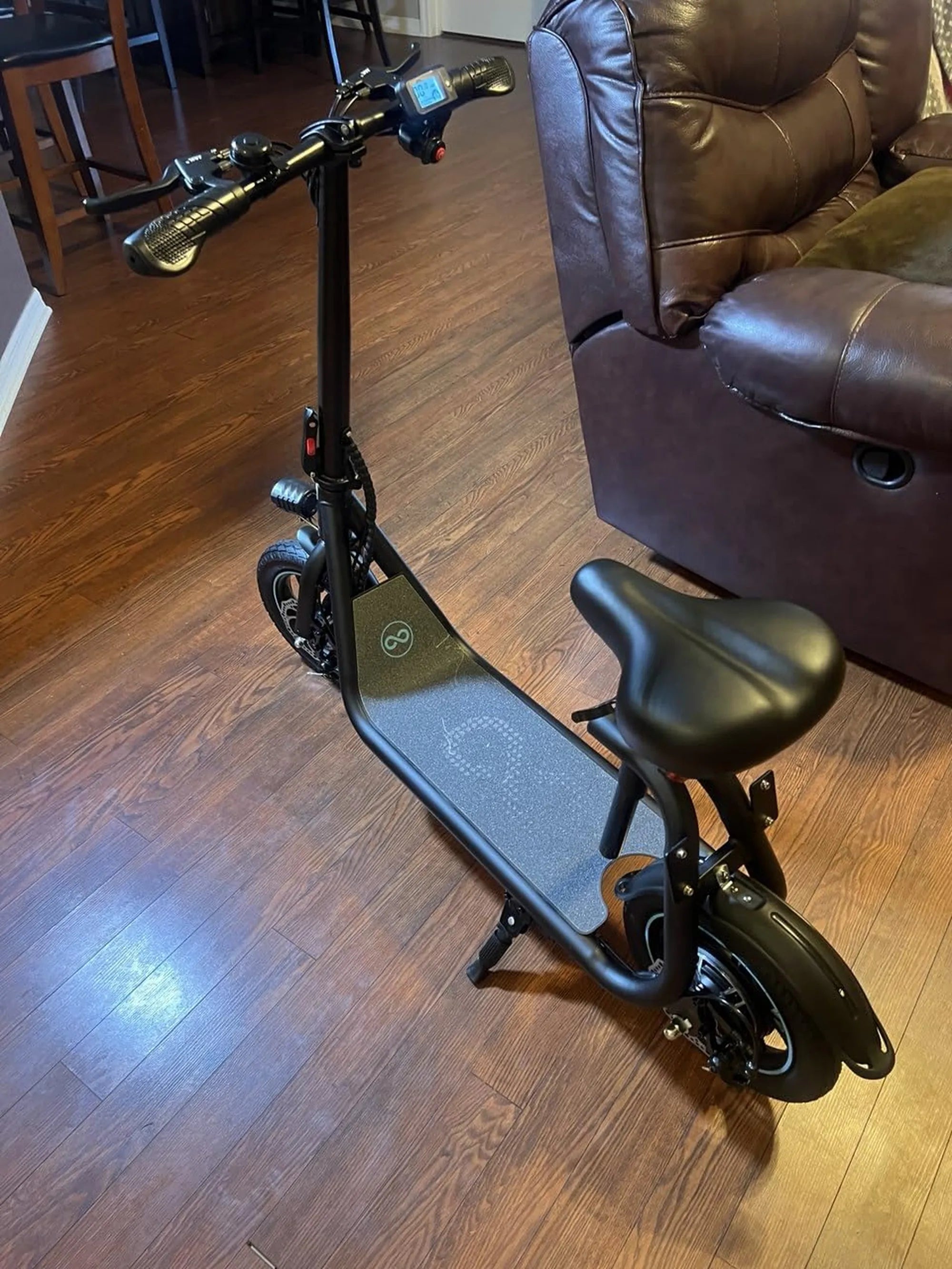
Finding genuine independence shouldn't require a massive financial investment. For many adults, cheap electric mobility scooters for adults represent a gateway to regained freedom, enabling errands, social visits, and daily activities without reliance on others. However, navigating the market for truly affordable options demands a sharp eye for value over mere low price. This comprehensive guide deconstructs what "cheap" really means, highlights the non-negotiable safety and durability features you must prioritize, and provides a data-driven framework to choose a reliable scooter that delivers lasting affordable freedom on wheels. We'll reference industry standards and the approach of trusted brands like Gyroor, known for integrating critical certifications into accessible models, to help you make an informed, secure investment in your mobility.
What Does "Cheap" Really Mean in Mobility Scooters?
The initial price tag is just one part of the financial equation. A truly cheap electric mobility scooter for adults can become expensive if it fails prematurely, requires constant repairs, or poses safety risks. The key distinction lies between low upfront cost and long-term value. Affordable, value-focused scooters invest in core components that ensure reliability and safety, thereby reducing the total cost of ownership over years of use.
Value-focused brands achieve this by engineering efficiency and leveraging direct-to-consumer models, not by cutting corners on essential safety infrastructure. They prioritize certified batteries, robust waterproofing, and honest weight ratings. This strategic allocation of resources ensures that the scooter remains a dependable asset, not a recurring expense.
When evaluating cost, consider these three pillars: initial purchase price, operating costs (like electricity for charging), and potential repair or replacement costs. A slightly higher initial investment in a scooter with a UL-certified battery and a comprehensive warranty often saves hundreds of dollars in potential battery replacements or electronic repairs down the line.
The Hidden Costs of a Low-Quality Scooter
Opting for an ultra-low-priced scooter from an uncertified manufacturer carries significant hidden expenses and risks. The most critical danger is the battery. Non-UL-certified lithium-ion battery packs lack rigorous testing for thermal stability and electrical safety, dramatically increasing the risk of overheating, failure, or even fire.
Secondly, poor construction leads to frequent breakdowns. Weak motor controllers may burn out on mild inclines. Frames made from inferior alloys can crack under stress. Lack of proper waterproofing (indicated by a low or absent IP rating) means a sudden rain shower or damp pavement could short-circuit the electronics, resulting in costly repairs often not covered by warranty.
Finally, the absence of reliable customer service and a meaningful warranty turns every mechanical issue into a major hurdle. You may be left sourcing incompatible parts online or paying out-of-pocket for local repairs, negating any initial savings. The true cost of a cheap scooter is measured in compromised safety, unexpected downtime, and the frustration of a product that fails when you need it most.
Key Features to Prioritize for Affordable Reliability
To secure genuine value, certain features are non-negotiable. These components form the foundation of a scooter's safety, durability, and overall usability. Prioritizing them ensures your affordable freedom on wheels is built on a platform of trust and engineering, not just attractive pricing.
These core features are where reputable brands concentrate their efforts. For instance, Gyroor's lineup emphasizes UL-certified battery packs, IPX5 water resistance, and sturdy aluminum alloy frames across its models, ensuring that even their more accessible options meet high standards for daily use and rider peace of mind.
UL-Certified Battery: The Non-Negotiable Safety Standard
The battery is the heart and most critical safety component of any electric scooter. A UL certification (from Underwriters Laboratories) means the battery pack has passed extensive independent testing for electrical, mechanical, and environmental safety. It verifies protections against overcharging, short-circuiting, and thermal runaway—a major cause of lithium-ion battery fires.
Beyond safety, a UL-certified battery, like those used by Gyroor and tested for 500+ charge cycles, promises consistent performance and longer lifespan. It maintains voltage stability better over time, which translates to more predictable range and power delivery throughout the battery's life. This certification is your primary assurance that the manufacturer prioritizes rider safety over cutting costs.
IPX5 Water Resistance: Protection for Everyday Life
An IPX5 water resistance rating is a crucial feature for a practical mobility device. It certifies that the scooter's electrical components can withstand water jets from any direction, making it resistant to light rain, wet roads, and accidental splashes. This is essential for real-world use, where weather can change unexpectedly.
Without this protection, moisture ingress can quickly corrode connections, damage the controller, or short the battery. An IPX5 rating, a standard feature on Gyroor scooters, dramatically increases the scooter's durability and operational scope, allowing you to use it confidently for daily commutes or errands without constant anxiety about pavement dampness or weather forecasts.
Frame & Weight Capacity: Built to Last
A robust frame determines the scooter's longevity and stability. Look for frames constructed from aerospace-grade aluminum alloy, which offers an excellent strength-to-weight ratio—it's light enough for portability but strong enough to withstand daily vibrations and minor impacts. The welding and joint integrity are also indicators of quality manufacturing.
Equally important is the stated weight capacity. A reputable brand will provide a conservative, honest rating that includes a safety margin. Exceeding this capacity stresses the motor, battery, frame, and brakes, accelerating wear and potentially causing sudden failure. A scooter with a clearly stated, appropriate capacity (e.g., 220-265 lbs) is a sign of transparent engineering designed for real-world use.
Gyroor's Approach to Affordable, Trusted Mobility
Gyroor has established trust with over 100,000 riders in North America and Europe by applying a consistent philosophy: integrate critical safety and durability standards into a value-driven price point. This approach demystifies the search for cheap electric mobility scooters for adults by offering clear, certified benchmarks. Their models demonstrate that affordability does not require sacrificing the core features that guarantee safe, reliable operation.
By maintaining control over engineering and leveraging efficient design, Gyroor channels resources into the components that matter most. This results in scooters where the UL-certified battery, IPX5-rated construction, and reliable motor system are standard, not optional upgrades. This focus provides a tangible sense of security, knowing the scooter is built to established safety protocols.
Understanding the 1-Year Comprehensive Warranty
A strong warranty is a hallmark of a manufacturer's confidence in its product. Gyroor's 1-year comprehensive warranty acts as a safety net, covering defects in materials and workmanship for core components including the battery, motor, controller, and frame. This significantly reduces the long-term financial risk of ownership.
The value extends beyond parts coverage. Having access to US-based customer support streamlines the resolution process. If an issue arises under warranty, you receive direct support for troubleshooting, and if needed, replacement parts or repair services. This prevents costly downtime and expensive third-party repair bills, ensuring your affordable freedom on wheels is sustained by a supportive infrastructure.
Practical Considerations Before You Buy
Matching a scooter to your specific lifestyle and environment is essential for maximizing satisfaction and value. A data-driven assessment of your primary use case, required range, and typical terrain will guide you to the model that best fits your needs without paying for unnecessary excess capability.
Consider your daily routines. Will the scooter be used for short trips to a local store, or for longer recreational outings? Will you need to carry it onto public transportation or store it in a compact space? Answering these questions upfront narrows the field to scooters designed for your reality.
Assessing Your Primary Use Case: Urban vs. Suburban
Urban/Transit-Oriented Use: For city dwellers, compactness and portability are paramount. Look for lightweight models (often under 30 lbs) with a folding mechanism. A moderate range (10-15 miles) is usually sufficient for last-mile transit connections and local errands. Maneuverability and a small turning radius are key for navigating crowded sidewalks.
Suburban/Neighborhood Use: In suburban settings, range and comfort take priority. You'll likely need a scooter capable of 15-25 miles per charge to cover neighborhood distances. Slightly larger, air-filled tires (8-10 inches) provide a smoother ride over longer stretches of pavement. A higher weight capacity and a more powerful motor (350W+) better handle gentle inclines common in residential areas.
Range, Speed & Terrain: Setting Realistic Expectations
Advertised range is a best-case scenario, typically measured under ideal conditions with a lightweight rider on flat, smooth terrain. Real-world range is affected by rider weight, inclines, temperature, and riding style (frequent acceleration uses more power). A good rule of thumb is to assume a 20-30% reduction from the advertised figure for practical planning.
Most affordable mobility scooters are designed for paved surfaces—sidewalks, bike paths, and smooth park trails. Their solid or small air-filled tires are not suited for grass, gravel, or off-road terrain, which can strain the motor, damage the deck, and lead to instability. Top speeds for value-oriented models typically range from 15 to 19 mph, which is optimal for safe, controlled riding in shared spaces.
Maximizing Your Scooter's Value and Lifespan
Protecting your investment through proper care and maintenance ensures your scooter remains a reliable partner for years. Simple, consistent habits focused on battery care, storage, and basic inspections can double the functional lifespan of your device, making the initial cost even more economical over time.
Treat your scooter as a precision personal transport device, not a toy. Regular check-ups on tire pressure (for air-filled tires), brake function, and bolt tightness can prevent minor issues from becoming major failures. Keeping it clean from dirt and debris also protects moving parts and electrical connections.
Battery Care & Charging Best Practices
Battery longevity is the single biggest factor in your scooter's usable life. Follow these key practices: Avoid regularly draining the battery to 0%. It's better to recharge when it reaches 20-30% capacity. Similarly, avoid leaving it plugged in at 100% for extended periods (days on end).
Store the scooter (and battery) in a cool, dry place, away from direct sunlight or freezing temperatures. Extreme heat accelerates battery degradation, while cold temporarily reduces capacity. Always use only the manufacturer-provided charger. Incompatible chargers can lack proper voltage regulation, damaging the battery's management system and creating a safety hazard.
Comparison of Mobility Scooter Value Considerations
| Consideration | Low-Cost, Low-Quality Scooter | Value-Focused Scooter (e.g., Gyroor) | Impact on Long-Term Value |
|---|---|---|---|
| Battery Certification | Uncertified or no-name brand | UL-Certified (Tested 500+ cycles) | Critical for safety; certified batteries last longer with stable performance. |
| Water Resistance | None or unspecified (IPX0) | IPX5 Rating | IPX5 prevents weather-related damage, greatly expanding usability and durability. |
| Warranty Coverage | 90 days or less, parts only | 1-Year Comprehensive (Battery, Motor, Frame) | Long warranty reduces repair costs and ensures manufacturer support. |
| Frame Construction | Heavy steel or weak alloys | Aerospace Aluminum Alloy | Aluminum alloy is strong and lightweight, enhancing portability and ride quality. |
| Total Cost of Ownership | High (Frequent repairs, early replacement) | Low (Reliable, backed by warranty) | Higher upfront cost often leads to lower 3-year cost due to reliability. |
Frequently Asked Questions (FAQ)
Q1: Are cheap electric mobility scooters safe?
A1: Safety is not defined by price but by construction and certifications. A cheap electric mobility scooter for adults can be safe if it prioritizes a UL-certified battery, a sturdy frame with a clear weight limit, and reliable braking systems. Always verify these key safety features before purchasing.
Q2: What is the typical lifespan of an affordable scooter?
A2: With proper care, especially following battery best practices, a quality affordable scooter can provide reliable service for 3 to 5 years. The lifespan is heavily influenced by battery health; a UL-certified battery from a brand like Gyroor, designed for 500+ charge cycles, forms the foundation for this longevity.
Q3: Can I use it in the rain or on grass?
A3: An IPX5 water resistance rating means the scooter is protected against light rain and wet roads. However, it is not waterproof for deep puddles or storms. Most affordable scooters are designed for paved surfaces; riding on grass, gravel, or dirt can overtax the motor, reduce stability, and is not recommended.
Q4: What does the warranty typically cover?
A4: A comprehensive 1-year warranty, like Gyroor's, typically covers defects in the battery, motor, controller, and frame. It should include both parts and labor for repairs. Always read the warranty terms to understand what is excluded (e.g., damage from accidents, misuse, or wear items like tires).
Q5: How do I know what weight capacity I need?
A5: Add your body weight plus the weight of any items you routinely carry (backpack, groceries). Choose a scooter with a maximum capacity that exceeds this total by at least 20-30 lbs. This safety margin ensures the scooter operates efficiently without straining the motor, battery, or frame, ensuring longevity and safety.
Conclusion: Investing in Freedom, Not Just a Product
Securing an affordable freedom on wheels is a meaningful investment in personal independence and quality of life. The journey to finding the right cheap electric mobility scooters for adults is about smart prioritization: focusing your budget on the certified safety features, durable construction, and dependable warranty support that guarantee true value. By choosing a scooter built around a UL-certified battery, IPX5 water resistance, and a robust frame, you're not just buying transportation—you're investing in reliable, worry-free mobility for years to come.
Brands that have earned the trust of a large community of riders, like Gyroor, demonstrate that this level of quality is accessible. Their approach proves that you can have confidence in your ride without an exorbitant price tag. Your freedom is priceless; the vehicle that enables it should be a foundation of security, not a source of anxiety. Make the choice that prioritizes enduring performance and certified safety.
Ready to explore models that combine critical safety certifications with accessible pricing? Browse the full Gyroor collection of UL-certified, IPX5-rated electric scooters at gyroorboard.com and find the perfect scooter for your journey to independence.
Freedom Electric Scooters: The Ultimate Guide to Urban Mobility
Freedom Electric Scooters: The Ultimate Guide to Urban Mobility