



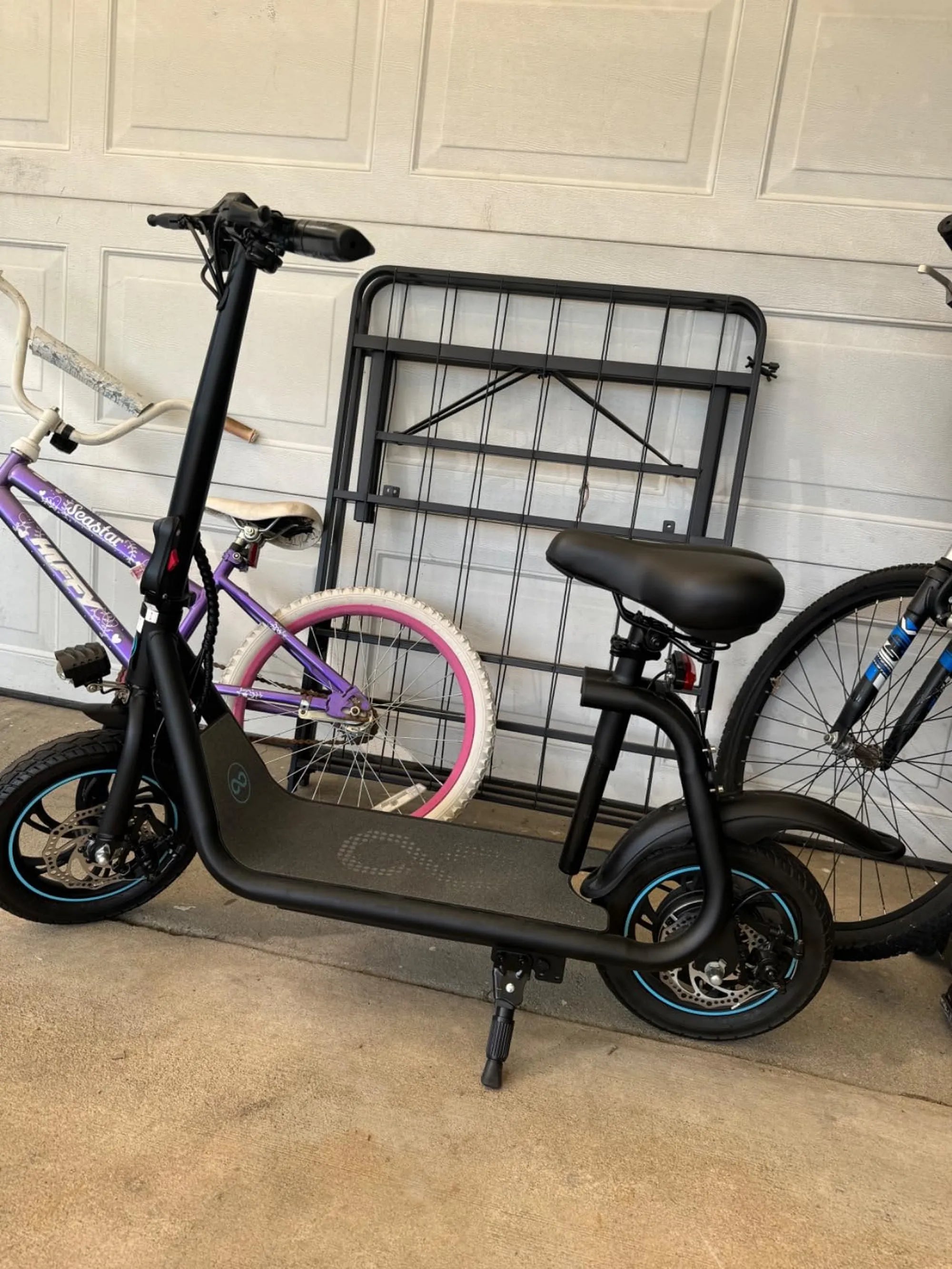
Introduction: Redefining Affordable Urban Mobility
For many commuters, the search for a budget-friendly personal electric vehicle often ends in compromise. You might find speed but sacrifice comfort, or discover a low sticker price only to face high maintenance costs later. The concept of cheap electric scooters with seat directly addresses this dilemma, offering a solution that merges the affordability of a basic e-scooter with the ergonomic benefits of seated riding. This isn't about finding the absolute lowest price; it's about identifying scooters that deliver reliable, comfortable commuting without straining your finances.
The modern urban landscape demands versatile, efficient, and cost-effective transportation. A seated electric scooter provides stability and reduces fatigue, making it ideal for longer commutes, running errands, or for riders who prefer not to stand. When searching for cheap electric scooters with seat, the key is to distinguish between products that are merely inexpensive and those that are genuinely affordable—offering lasting value through durable construction, certified safety components, and dependable performance.
This guide will navigate the critical factors that separate a risky purchase from a smart investment. We will analyze motor power, battery safety, seat design, and long-term ownership costs. Brands that prioritize these elements, such as Gyroor—a leading electric scooter and e-bike brand trusted by over 100,000 riders across North America and Europe—demonstrate that affordability does not require sacrificing quality or safety.
By the end of this article, you will have a clear framework for evaluating options, ensuring your chosen scooter provides affordable and comfortable commuting for years to come.
What Makes a Scooter "Cheap" vs. "Affordable"? A Buyer's Guide
In the electric scooter market, the terms "cheap" and "affordable" are not synonymous. A cheap scooter is defined solely by its low initial purchase price, often achieved by cutting corners on critical components. This can lead to premature failure, safety hazards, and ultimately, a higher total cost of ownership. An affordable scooter, conversely, represents a value proposition where the price is reasonable relative to the quality, durability, and features provided.
The most common compromises in cheaply made scooters involve the battery, motor, and frame. Non-certified batteries pose fire risks and lose capacity quickly. Undersized motors struggle with inclines and seated loads, leading to burnout. Thin-gauge aluminum or poorly welded frames can crack under stress. Recognizing these pitfalls is the first step toward making an informed purchase.
An affordable scooter, like those in Gyroor's lineup, invests in foundational quality. This includes using UL-certified battery packs tested for 500+ charge cycles, robust motors rated for the combined weight of rider and scooter, and frames built to relevant safety standards. The initial cost may be slightly higher than the cheapest options, but the long-term reliability and safety justify the investment, making it the truly economical choice.
Therefore, when you search for cheap electric scooters with seat, reframe your goal. Seek out affordable models where the manufacturer's specifications and warranty back up the build quality. This approach protects you from the hidden expenses and dangers of a genuinely cheap product.
Key Features to Prioritize in a Budget-Friendly Seated Scooter
To ensure your scooter is affordable in the long run, certain features are non-negotiable. Prioritizing these will filter out dangerously substandard products and guide you to reliable options.
Motor Power: For seated riding, a motor must handle additional weight and provide steady torque. A minimum of 350W is recommended for flat urban areas, while 500W or more is advisable for cities with hills. This ensures the scooter can maintain speed and climb moderate grades without straining the system.
Battery Type & Certification: The battery is the heart of the scooter. Always look for a reputable brand and certification, such as UL, which indicates rigorous safety testing. A battery with a capacity of at least 10Ah (360Wh) is a good baseline for achieving a practical range of 15-20 miles on a single charge, which is essential for commuting.
Brake Systems: Reliable stopping power is paramount. A combination of braking systems—such as a disc brake on the front wheel and an electronic or drum brake on the rear—provides redundancy and safety. Avoid scooters that rely solely on a basic fender brake or a single, low-quality disc brake.
Maximum Load Capacity: A seated scooter must support more than just your weight. Check the manufacturer's stated maximum load. A capacity of 220 lbs (100 kg) or more is a strong indicator of a sturdy frame, deck, and suspension system built for the demands of seated use.
The Comfort Equation: Seat Design and Ride Quality on a Budget
Comfort on a seated e-scooter is a multi-faceted equation involving the seat itself, the suspension, and the deck. A well-designed seat is more than just a padded stool; it is an ergonomic component that affects posture, control, and ride duration.
Seat design varies widely. Look for ample, high-density foam padding and a contoured shape that supports your sit bones. The seat should be mounted on a robust, adjustable post (height-adjustable is a major comfort plus) and include a shock-absorbing mechanism, such as an integrated spring, to dampen vibrations from the deck before they reach the rider.
Suspension is the second critical pillar of comfort. Budget-friendly models often use one of three systems: spring suspension, basic hydraulic shocks, or rely solely on pneumatic (air-filled) tires. While full hydraulic suspension is rare in the most affordable tier, a combination of front spring suspension and large, air-filled tires can provide a remarkably smooth ride for city streets, effectively absorbing cracks and minor bumps.
The deck size and grip material also contribute to overall stability and comfort, especially when starting, stopping, or placing your feet. A wider, textured deck provides a secure platform. When these elements—seat, suspension, and deck—are harmonized, even an affordable scooter can deliver a comfortable commuting experience that reduces fatigue and encourages regular use.
Data-Driven Comparison: Price vs. Performance Benchmarks
Understanding the typical performance benchmarks at different price points helps set realistic expectations. The table below outlines common specifications found in the market for seated electric scooters. It highlights how investing slightly more can significantly improve key metrics like range, power, and warranty coverage.
| Price Bracket | Typical Motor Power | Typical Range | Common Features | Warranty & Notes |
|---|---|---|---|---|
| Under $500 | 250W - 350W | 10-15 miles | Basic padded seat, single brake, solid tires. | Often 90 days to 6 months. High risk of non-certified batteries. |
| $500 - $800 (Value Tier) | 350W - 500W | 15-22 miles | Improved seat with spring, dual brakes, pneumatic tires, basic lights. | 6-12 month warranty. Reputable brands (e.g., Gyroor) offer UL-certified batteries and IPX5 water resistance here. |
| $800 - $1200 | 500W - 800W | 22-35 miles | Ergonomic seat, front/rear suspension, dual braking, advanced displays. | 1-2 year comprehensive warranty. Premium build quality and components. |
As shown, the $500-$800 "Value Tier" is where the most compelling balance for affordable and comfortable commuting is often found. This is where brands like Gyroor position models that include essential safety features like UL-certified batteries and IPX5 water-resistant designs, alongside a reliable 1-year warranty—specifications that are frequently absent in the lowest price bracket.
Beyond the Sticker Price: Calculating Total Cost of Ownership
The initial purchase price is just one part of the financial picture. The true cost of an electric scooter, its Total Cost of Ownership (TCO), includes maintenance, repairs, part replacements, and potential downtime. A slightly higher upfront investment in a well-built scooter can lead to dramatically lower TCO.
The warranty is your first defense against unexpected costs. A comprehensive 1-year warranty that covers the motor, battery, and controller, like the one offered by Gyroor, provides significant peace of mind and financial protection. Cheap scooters often have warranties that are short, limited, or difficult to claim.
Availability and cost of replacement parts are equally crucial. How easy is it to find a new tire, brake pad, or throttle? Reputable brands have established supply chains and customer support. A cheap, obscure brand may leave you with an unusable scooter when a $20 part fails. Furthermore, consider the battery's lifespan. A quality, certified battery maintains capacity for hundreds of cycles, whereas a poor one may need replacement within a year, costing hundreds of dollars.
Durability features like water resistance directly impact TCO. An IPX5 rating, which means the scooter can withstand water jets from any direction, protects the electrical components from rain and street spray. This prevents corrosion and electrical shorts, extending the scooter's life and avoiding repair bills. When you add up warranty value, part availability, and built-in durability, an affordable scooter proves its worth over time.
Safety and Reliability: Non-Negotiables for Affordable Rides
Affordability must never come at the expense of safety. A reliable seated e-scooter is built on a foundation of proven safety features that protect the rider and the investment.
The most critical safety component is the battery. A UL-certified battery pack has passed independent tests for electrical, mechanical, and environmental safety, drastically reducing the risk of fire or failure. This is a non-negotiable feature that brands committed to safety, like Gyroor, standardize across their models.
Effective braking is the rider's primary control over safety. A dual-braking system (e.g., disc + electronic) ensures stopping power is maintained even if one system is wet or worn. Bright, functional lighting—a strong headlight, brake light, and side reflectors—is essential for being seen in low-light conditions. Finally, the frame's construction must be robust, with no noticeable flex or wobble during riding, especially when mounted with a seat that increases leverage on the stem.
Choosing a scooter that prioritizes these elements means choosing a vehicle you can trust. It transforms the concept of a cheap electric scooter with seat into a safe, affordable, and comfortable commuting partner.
Top Use Cases for an Affordable Seated E-Scooter
Understanding the practical applications of a seated e-scooter clarifies its value proposition. These vehicles excel in specific scenarios where comfort, cost, and convenience intersect.
Last-Mile Commuting: For those who use public transit, a seated scooter solves the "first and last mile" problem with less sweat and strain than walking or a standing scooter. It can be easily carried onto a train or bus and provides a comfortable, quick ride from the station to your final destination.
Campus Transportation: Large university or corporate campuses are ideal environments. A seated scooter allows students and employees to travel across sprawling grounds quickly, without the hassle of parking a car or the fatigue of walking. The seated position is also conducive to carrying a backpack or messenger bag.
Urban Errands and Leisure: For trips to the grocery store, café, or park, a seated scooter with a rear rack or storage basket offers practical utility. The comfort encourages longer recreational rides along bike paths or waterfronts, expanding its use beyond pure transportation.
Accessibility and Balance: For riders with minor mobility issues, knee pain, or simply a preference for greater stability, a seated scooter lowers the barrier to entry for personal electric mobility. It provides the freedom and fun of an e-scooter without requiring the balance and leg strength of a standing model.
Maintenance Essentials for Longevity
Proper maintenance is the key to ensuring your affordable scooter remains a reliable asset for years. A simple, regular routine can prevent most common issues and maximize the lifespan of all components.
Start with tire care. For pneumatic tires, check the pressure weekly using a bicycle pump. Maintaining the correct PSI (listed on the tire sidewall) prevents pinch flats, improves ride comfort, and extends battery range by reducing rolling resistance. Inspect tires regularly for embedded debris or signs of wear.
Brake maintenance is crucial for safety. Periodically check brake pads for wear and listen for grinding sounds. Adjust brake cable tension or check hydraulic fluid levels (if applicable) according to the manufacturer's manual. Keep brake rotors clean and free of oil. Lubricate the moving parts of the braking mechanism and the scooter's folding mechanisms, if present, with a suitable lubricant every few months.
Battery care is paramount for performance. Avoid draining the battery to 0% regularly; try to recharge when it reaches 20-30%. Store the scooter in a cool, dry place, and avoid leaving it at full charge for extended periods (weeks) if not in use. Use only the charger provided by the manufacturer. Wipe down the scooter after riding in wet conditions to prevent corrosion, paying attention to electrical contacts and brake components.
FAQ: Your Questions on Budget Seated Scooters, Answered
Q: What is a realistic range I can expect from a scooter under $700?
A: For a well-built model in this price range with a quality battery, a realistic range is 15-22 miles per charge under ideal conditions (moderate rider weight, flat terrain, eco mode). Real-world factors like hills, wind, and frequent acceleration will reduce this. Always check the battery capacity (in Ah or Wh) for a better comparison than marketed range claims.
Q: Can I ride a seated electric scooter in the rain?
A: It depends on the scooter's IP rating. An IPX5 water resistance rating, like that found on many Gyroor models, means the scooter is protected against water jets and is safe to ride in light to moderate rain and through puddles. Avoid submerging any part of the scooter and never ride through deep standing water. Scooters without a stated IP rating should be kept completely dry.
Q: Is assembly difficult for a seated scooter bought online?
A> Typically, assembly is minimal and straightforward. Most scooters arrive 90% assembled. You may need to attach the handlebars to the stem, mount the front wheel, and install the seat onto its post, which usually requires only a few common Allen wrenches provided in the box. Detailed instructions and often video guides are provided by reputable brands.
Q: How does the warranty work for online purchases?
A> Reputable companies offer a standard warranty that is valid from the date of purchase. In case of a defect, you contact customer support, who will guide you through troubleshooting. If a part needs replacement, they will typically ship the part to you. For major issues, they may provide a return authorization. Always review the warranty terms before purchasing to understand what is and isn't covered.
Q: Are cheap electric scooters with seat powerful enough for hills?
A> This depends entirely on the motor wattage. A 350W motor may struggle on steep hills, especially with a rider near the maximum load. For hilly areas, prioritize a scooter with a 500W or larger motor. The torque provided by a more powerful motor will maintain a safer, more consistent speed on inclines.
Conclusion: Smart Investment for Comfortable Commutes
The journey to find the perfect cheap electric scooter with seat is ultimately a search for value, not just a low number on a price tag. By prioritizing certified safety components like UL-certified batteries, robust construction, and a meaningful warranty, you invest in a vehicle that will provide affordable and comfortable commuting reliably. The true cost of a scooter is measured over years of service, not just at the moment of purchase.
Brands that engineer their products to this standard, offering features like IPX5 water resistance and comprehensive customer support, demonstrate a commitment to rider safety and product longevity. This responsible approach transforms an affordable personal electric vehicle from a disposable gadget into a dependable part of your daily routine.
Remember, the goal is sustainable mobility—a comfortable, cost-effective, and enjoyable way to navigate your city. By applying the insights from this guide, you can confidently select a seated e-scooter that delivers on all fronts, turning your commute into the best part of your day.
Ready to explore a range of seated electric scooters built with safety, comfort, and value in mind? Browse the full Gyroor collection at gyroorboard.com to find your ideal affordable commuting partner.
Are Electric Scooters Legal in New York State? What You Need to Know
Best Affordable Electric Scooters: Top Picks for 2024's Smart Shoppers