

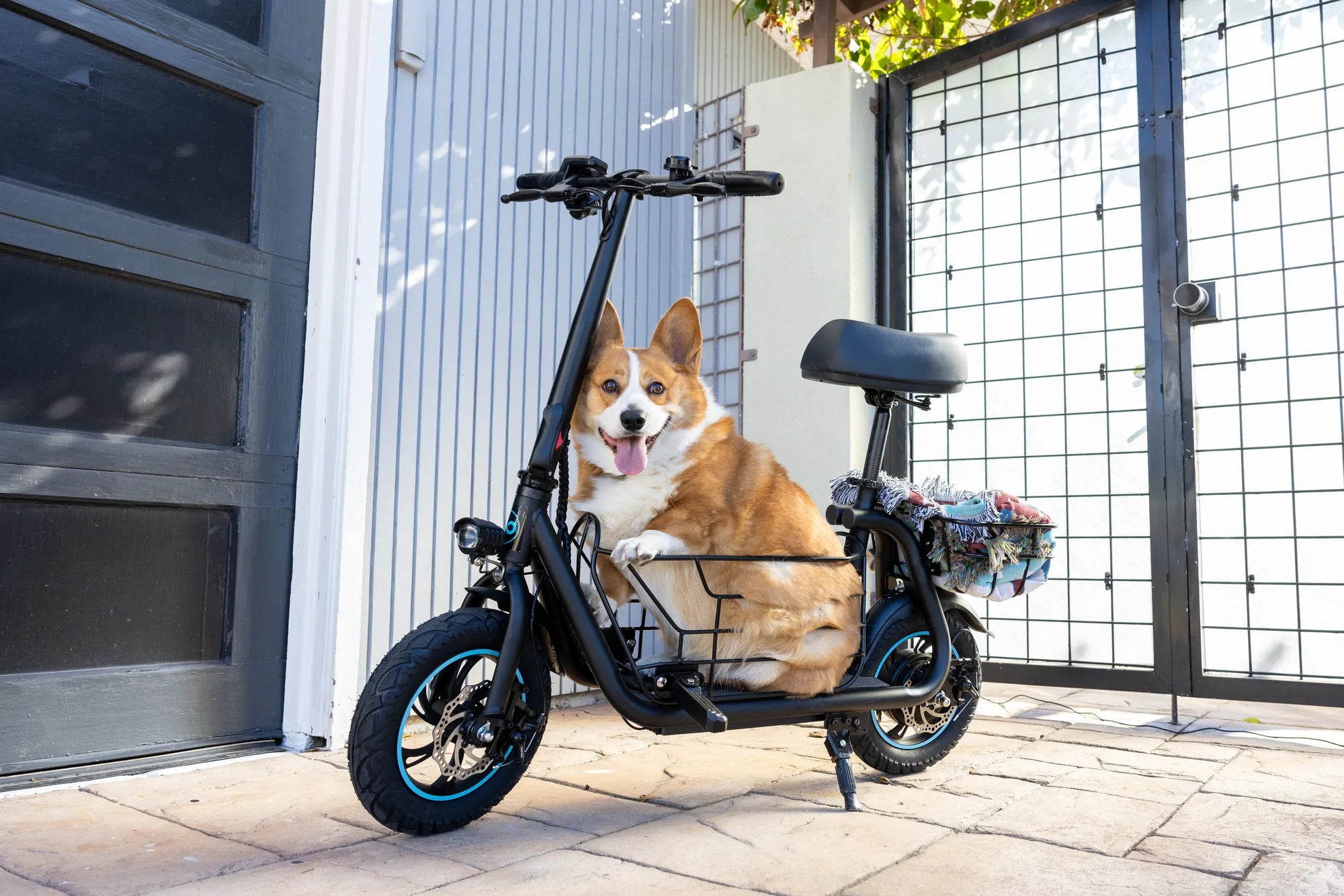
Why a Cheap Electric Tricycle is More Than Just a Price Tag
For many, the search for a cheap electric tricycle is a practical quest for accessible mobility and utility. The term 'cheap' should signal value, not just a low initial cost. A true value purchase balances an affordable price point with the essential features that ensure safety, reliability, and suitability for the user's needs.
These three-wheeled electric vehicles are particularly appealing to seniors seeking stable transportation, casual commuters navigating urban areas, and individuals needing to haul light cargo or groceries. The inherent stability of a trike design eliminates the balancing act required by two-wheelers, opening up electric mobility to a wider audience.
However, the market is saturated with options where critical components may be compromised to hit a low price. This guide will help you navigate that landscape. Your goal is not to find the absolute cheapest product, but the most cost-effective electric tricycle that delivers dependable performance and peace of mind for years to come.
Key Factors to Evaluate Before Buying a Budget E-Trike
Understanding what makes an electric trike functional and safe is the first step toward making a smart purchase. Certain elements are non-negotiable and should never be sacrificed for a lower price. Prioritizing these factors is the difference between a wise investment and a disposable gadget.
A holistic evaluation looks beyond the motor wattage and battery voltage listed in the advertisement. It considers the quality of the components, the reputation of the manufacturer, and the real-world support you will receive after the sale. Let's break down the core components that demand your attention.
Battery Safety & Range: The Heart of the Matter
The battery pack is the most critical—and potentially hazardous—component of any cheap electric tricycle. Never compromise on battery safety. Insist on models that use cells from reputable manufacturers and, crucially, feature certification from standards bodies like UL (Underwriters Laboratories) or CE.
Certified batteries undergo rigorous testing for overcharge protection, short-circuit prevention, and thermal stability. For context, reputable brands like Gyroor utilize UL-certified battery packs tested for over 500 charge cycles, ensuring long-term reliability. A non-certified, unbranded battery is a significant fire risk and a false economy.
Regarding range, be skeptical of maximum claims. A budget model advertising 40+ miles likely achieves that under ideal laboratory conditions. A more realistic expectation for an affordable trike is 15-30 miles per charge, depending on rider weight, terrain, assist level, and use of the throttle. Factor in a 20-30% buffer for real-world use.
Motor Power & Terrain Handling
Motor power, measured in watts (W), directly impacts the trike's ability to handle hills and carry loads. Most budget-friendly electric tricycles use rear hub motors, which are cost-effective and simple. Power ratings typically range from 250W to 750W.
For flat terrain and light riders, a 350W motor may suffice. However, if you encounter hills, plan to carry groceries, or weigh over 200 lbs, a 500W or 750W motor is a wiser investment. It provides the necessary torque to maintain speed on inclines without straining the system, which extends the life of the motor and battery.
Consider the type of riding you'll do most. A motor with adequate power ensures the trike remains useful and enjoyable, rather than becoming a source of frustration on every slight incline. Sufficient wattage is a key component of long-term value.
Build Quality & Weight Capacity
The frame is the skeleton of your trike. On budget models, look for aluminum alloy frames, which offer a good balance of strength, corrosion resistance, and lighter weight compared to steel. Inspect product photos for clean welds and a robust-looking construction.
The stated weight capacity is a crucial specification. It includes the weight of the rider plus any cargo. Do not exceed this limit. A capacity of 250-300 lbs is common for entry-level models. If you plan to regularly carry bags of groceries or other items, ensure the trike's capacity accommodates that combined weight comfortably.
Also, examine the quality of ancillary components: the seat, handlebars, and rims. While these can often be upgraded later, a trike that feels solid and well-put-together from the start is a strong indicator of overall manufacturing quality, even at a lower price point.
The Smart Shopper's Guide: Where to Find Value
Knowing what to look for is half the battle; knowing where to look is the other half. Value can be found through various channels, but each comes with different trade-offs regarding price, service, and support. A strategic approach to shopping can save you money and future headaches.
The key is to align the retailer's strengths with your priorities. Are you willing to pay a slight premium for in-person service and immediate support? Or is a direct-to-consumer model with a strong online reputation more your speed? Understanding these dynamics is essential.
Trusted Retailers vs. Direct-to-Consumer Platforms
Local bike shops and specialty e-mobility stores offer significant advantages. You can often test-ride a model, benefit from professional assembly, and establish a relationship for future tune-ups and repairs. The price may be higher, but it includes expertise and convenience.
Major online marketplaces and direct brand websites typically offer lower prices. When using these platforms, prioritize sellers with extensive verified purchase reviews, clear return policies, and responsive customer service teams. Be wary of listings with stock photos only and no detailed specifications.
Brands that sell directly, like Gyroor, control the entire customer experience from manufacturing to support. This model often allows for better pricing while maintaining quality control and providing dedicated customer service channels, a balance many budget shoppers seek.
The Importance of Warranty & Customer Support
A comprehensive warranty is a hallmark of a manufacturer that stands behind its product. For a cheap electric tricycle, pay close attention to the warranty coverage on the battery and the motor—the two most expensive components to replace.
A reputable brand will offer at least a 1-year warranty on the frame and motor, and a 6-month to 1-year warranty on the battery. Read the warranty terms carefully to understand what is covered (e.g., manufacturing defects) and what is not (e.g., water damage from improper use).
Accessible customer support is equally important. Can you reach a human via phone, email, or chat? Are replacement parts readily available? A low price means little if you can't get help when a minor issue arises. Brands with established customer bases, like Gyroor which supports over 100,000 riders, typically have the infrastructure to provide this essential support.
Spotlight on Features: What You Get (and Give Up) at Different Price Points
To make an informed decision, it's helpful to see how specifications typically scale with price. The table below outlines the general differences between entry-level and mid-range value tiers for a cheap electric tricycle. This comparison is based on market averages and general trends.
| Feature | Basic / Entry-Level (e.g., Under $1,200) | Value / Mid-Range (e.g., $1,200 - $2,000) |
|---|---|---|
| Battery Certification | May have basic CE certification; cells may be from lesser-known sources. | More likely to have UL or other stringent certifications; uses branded cells (e.g., LG, Samsung). |
| Motor Power | 350W - 500W rear hub motor. | 500W - 750W rear hub motor; better torque and hill-climbing. |
| Brake Type | Coaster (pedal) brakes or basic mechanical disc brakes. | Hydraulic or higher-quality mechanical disc brakes for more consistent stopping power. |
| Included Accessories | Basic LED headlight, simple rear cargo basket. | Brighter lights, larger or more integrated cargo solutions, fenders, digital display with more data. |
| Warranty & Support | Limited 6-month to 1-year warranty; support may be slower. | More robust 1-2 year warranty; often with dedicated, more responsive support channels. |
As the table shows, stepping up to the value tier often brings significant improvements in safety-critical components like brakes and battery certification, as well as overall usability and support. The best electric tricycle for you fits your specific use case within the tier that meets your minimum requirements for these key features.
Beyond the Purchase: Cost of Ownership & Long-Term Value
The initial price is just one part of the total cost of owning an e-trike. To ensure your cheap electric tricycle remains a valuable asset, consider the ongoing maintenance and potential replacement costs. Proactive care is the most effective way to minimize long-term expenses.
Treating your trike well not only extends its lifespan but also ensures it remains safe and enjoyable to ride. Simple, regular checks can prevent minor issues from becoming major, costly repairs. Let's explore what responsible ownership entails.
Essential Maintenance for Longevity
Regular maintenance is straightforward and largely owner-manageable. First, keep tires inflated to the recommended PSI (found on the tire sidewall). Proper inflation reduces rolling resistance, improves range, and prevents pinch flats.
Second, periodically check and adjust brake pads and cables. Brakes are your primary safety system. Listen for grinding noises and test stopping power regularly. Third, every few rides, use a wrench to check that critical bolts (on the handlebar, seat, and wheels) are snug, as vibrations can loosen them over time.
Finally, practice good battery care. Avoid completely draining the battery; try to recharge when it reaches 20-30%. Store the trike and battery in a cool, dry place, and use only the manufacturer-provided charger. These habits significantly prolong battery life.
Understanding Upgrade & Replacement Costs
Parts will wear out. Knowing approximate costs helps you budget and assess the repairability of a budget model. A replacement tire and tube can cost $30-$60. Brake pad sets are typically $15-$30. These are common wear items you can often replace yourself.
The most significant future expense is the battery. A quality replacement battery pack for a budget trike can range from $200 to $500. Before purchasing, research if the manufacturer sells replacement batteries and if third-party options are compatible. A model with a proprietary, obscure battery shape may be impossible to cheaply replace in 2-3 years.
Factor in these potential costs when evaluating the initial price. A slightly more expensive trike from a brand with a proven track record and readily available parts often has a lower total cost of ownership than the absolute cheapest option with no support network.
Frequently Asked Questions (FAQ)
Q1: Are cheap electric tricycles safe for seniors?
They can be, provided key safety features are present. Prioritize models with a stable, low-step-through frame, a UL-certified battery, reliable brakes (disc brakes are preferable), and a speed that can be limited to a comfortable pace. Always consult with a physician regarding physical readiness.
Q2: How far can I really expect to go on a single charge with a budget model?
Under real-world conditions (including hills, stop-and-go riding, and rider weight), expect 15-25 miles on a single charge for most budget models. Using pedal assist more than the throttle will extend this range. Treat maximum range claims as ideal-scenario estimates.
Q3: Is it difficult to assemble an e-trike bought online?
Most arrive 80-90% assembled. Final assembly typically involves attaching the front wheel, handlebars, seat, pedals, and sometimes the front fender or basket. It requires basic tools (wrenches, hex keys) and 1-2 hours of time. Many brands provide detailed video tutorials. If you're not comfortable, consider paying a local bike shop for assembly.
Q4: Can I use a cheap electric tricycle for grocery shopping or light cargo?
Absolutely. This is one of their best uses. Ensure the model has a rear cargo rack or basket, and check the total weight capacity (rider + cargo). Many budget trikes can handle 20-50 lbs of cargo on the rack. Distribute weight evenly and secure items with bungee cords.
Q5: Do I need a license or insurance to ride one?
In most US states and localities, low-speed electric bicycles and tricycles (with a top motor-powered speed under 20 mph) are classified as bicycles and do not require a license, registration, or insurance. However, laws vary, so always check your specific state and local regulations before riding.
Investing in Freedom, Not Just a Vehicle
The journey to find the right cheap electric tricycle culminates in a simple truth: the best value is defined by reliable performance and safety, not the lowest sticker price. By prioritizing certified batteries, adequate motor power for your terrain, a solid warranty, and accessible customer support, you invest in a vehicle that delivers genuine freedom and utility.
This purchase is about more than transportation; it's about maintaining independence, enjoying the outdoors, and accomplishing daily tasks with ease. A well-chosen e-trike can enhance your lifestyle for years. Avoid the temptation of unknown brands making unrealistic promises, and focus on proven value from reputable manufacturers.
Ready to explore a range of electric mobility solutions built with safety and reliability in mind? Discover thoughtfully designed e-bikes and scooters that balance performance and value. Browse the full Gyroor collection at gyroorboard.com to find your perfect ride.
Can I Ride a Dirt Bike on the Sidewalk? The Definitive Legal & Safety Guide
Commuter Mountain Bike: The Ultimate Guide to a Do-It-All Ride