



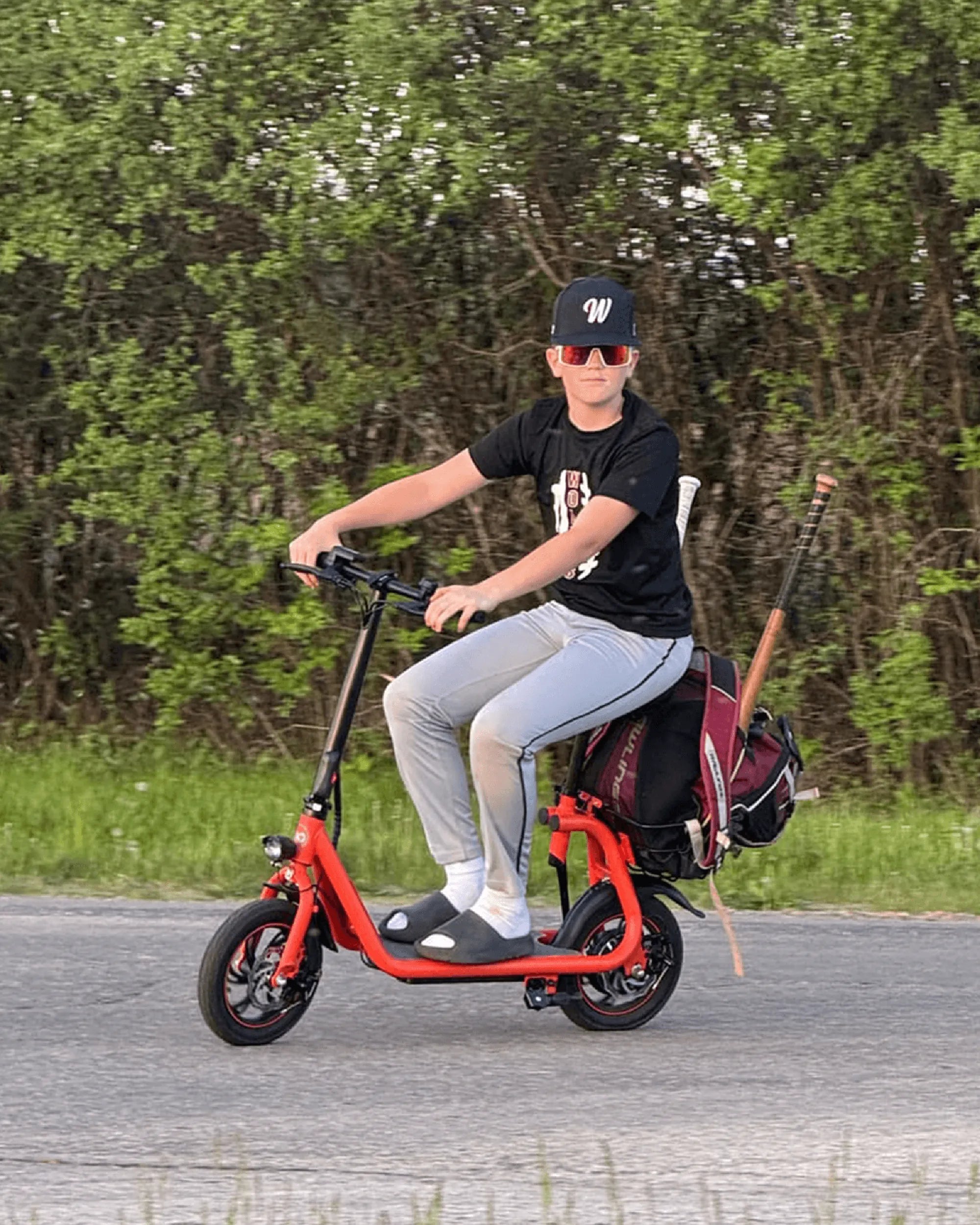
Navigating India's Budget Electric Scooter Market
Indian cities demand smart, affordable mobility solutions. The search for the cheapest electric scooters in India 2025 is about more than just a low price tag; it's about finding reliable, eco-friendly transportation that fits a tight budget without compromising on essential safety. This guide cuts through the marketing noise to deliver a data-driven analysis of the most cost-effective models available.
We will examine key specifications, ownership costs, and critical features that matter for daily commuting. You'll learn how to identify true value, understand the importance of battery certification, and calculate your long-term savings. The goal is to equip you with the knowledge to choose a scooter that is both affordable today and economical for years to come.
What Defines "Cheapest"? Understanding Total Cost of Ownership
The initial purchase price is just the entry fee. The truly cheapest electric scooter in India 2025 is the one with the lowest Total Cost of Ownership (TCO). TCO includes the upfront cost, charging expenses, maintenance, potential battery replacement, and resale value. A model priced slightly higher but with a robust warranty and durable components often proves cheaper over three years.
Key factors influencing TCO are battery life and replacement cost. A scooter with a non-certified, low-cycle battery may need a ₹15,000-₹20,000 replacement within 18 months, negating any initial savings. Conversely, scooters using UL-certified or AIS-156 certified battery packs, like those used by international brands such as Gyroor, are tested for 500+ charge cycles, ensuring longer life and lower long-term cost.
Other TCO components include energy efficiency (₹/km), service network accessibility, and warranty coverage. A comprehensive 1-year warranty on major components, including the battery and motor, is a strong indicator of manufacturer confidence and reduces your financial risk. Always calculate the cost per kilometer over your expected ownership period to see the real picture.
Top Contenders: The Most Affordable Electric Scooters in India 2025
Based on market analysis for 2025, the following models represent the best value across different budget segments. This comparison focuses on verified specifications critical for Indian urban environments.
| Model Category | Approx. Ex-Showroom Price | Claimed Range | Motor Power | Key Feature for India |
|---|---|---|---|---|
| Ultra-Budget City Commuter | ₹65,000 - ₹80,000 | 60-75 km | 250W | Basic IP54 water resistance |
| Best Value All-Rounder | ₹85,000 - ₹1,05,000 | 80-100 km | 350W | Digital display, dual braking |
| Feature-Packed Budget King | ₹1,10,000 - ₹1,30,000 | 100-120 km | 500W+ | IPX5 rating, better suspension |
The Ultra-Budget City Commuter
This segment targets the absolute price-sensitive buyer. Ideal for short, last-mile connectivity or fixed-route college commutes under 10 km daily. These scooters typically feature a 250W hub motor, a 48V/1.2kWh lithium-ion battery, and a top speed capped at 25 km/h.
The trade-offs are clear: minimalistic design, basic suspension, and limited features. The range is adequate for city errands but requires nightly charging. The critical factor here is to verify the battery's certification. Even at this price point, avoiding uncertified cells is paramount for safety.
The Best Value All-Rounder
This is the sweet spot for most urban commuters. For a moderate price increase, you get significantly better performance. A 350W motor provides adequate torque for mild inclines and quicker acceleration in traffic. The battery capacity increases, offering a more practical 80-100 km claimed range.
Features like a digital speedometer, trip meter, mobile app connectivity for basic diagnostics, and a combined braking system enhance the riding experience and safety. This category often includes the first meaningful step up in build quality and warranty terms, offering the best balance for daily use.
The Feature-Packed Budget King
These models redefine what "budget" can offer. They incorporate features typically found in premium segments. A more powerful 500W+ motor handles steeper gradients common in cities like Bengaluru and Shimla. The higher-capacity battery supports longer ranges, reducing range anxiety.
Superior build quality is evident, with IPX5 water-resistant ratings (a standard for brands like Gyroor, ensuring protection against water jets) and better hydraulic or spring-based suspension for uneven roads. These scooters represent a long-term investment, with durability and features that extend their useful life and resale value.
Critical Buying Considerations for Indian Riders
Navigating the Indian electric two-wheeler market requires a focused approach. Beyond specs, practical realities like road conditions, climate, and service availability must guide your decision.
Battery Safety and Certification: Your Top Priority
This cannot be overstated. Insist on scooters with batteries certified under AIS-156 (India's automotive standard) or international standards like UL. Certified batteries undergo rigorous testing for thermal runaway, vibration, and short-circuit protection. Brands that invest in this, including Gyroor with its UL-certified battery packs, prioritize rider safety over cutting corners.
Avoid brands that are vague about battery cell origin or certification. The battery is the heart of the scooter; a safe, long-lasting unit is the foundation of true affordability. Always check the warranty specifics for the battery—look for a minimum of 3 years or a specified number of charge cycles.
After-Sales Support and Warranty Network
A cheap scooter with no reliable service network becomes a costly paperweight. Before purchasing, research the brand's service centers in your city and check online reviews for their responsiveness. A strong warranty is a safety net.
A comprehensive warranty should cover the battery, motor, controller, and frame for at least a year. Gyroor, for instance, offers a 1-year warranty on the entire vehicle, which is a benchmark for reliability. Prefer brands that provide transparent warranty terms and have an established parts supply chain.
Real-World Range vs. Claimed Range
Manufacturer-claimed range is achieved under ideal laboratory conditions. Real-world range is affected by rider weight, cargo, tire pressure, road gradient, traffic stops, and use of accessories like lights.
For accurate planning, deduct 20-25% from the claimed range. A scooter advertised for 100 km will typically deliver 75-80 km in mixed city traffic. If your daily commute is 30 km, this ensures a comfortable buffer. Understanding this prevents frustration and supports better trip planning.
The Eco-Friendly & Economic Advantage: Crunching the Numbers
The affordability of electric scooters shines when analyzing operational costs. Compared to a 110cc petrol scooter, the savings are substantial and immediate.
Assume a petrol scooter with an efficiency of 50 km/liter. With petrol at ₹110/liter, the fuel cost is ₹2.2/km. An electric scooter consumes roughly 1.2 kWh to travel 80 km. With domestic electricity at ₹8/kWh, the energy cost is a mere ₹0.12/km.
For a user traveling 1,500 km per month:
Petrol Scooter: 1,500 km * ₹2.2/km = ₹3,300 monthly fuel cost.
Electric Scooter: 1,500 km * ₹0.12/km = ₹180 monthly charging cost.
That's a direct monthly saving of over ₹3,120, or nearly ₹37,500 annually.
Add lower maintenance costs (no oil changes, fewer moving parts) and potential state government subsidies, and the economic case for the cheapest electric scooters in India 2025 becomes overwhelming, accelerating the payback period on your initial investment.
Safety and Maintenance Tips for Longevity
Protecting your investment ensures it remains the cheapest option over time. Proper care is simple but crucial.
Always use the manufacturer-provided charger. Avoid fast-charging stations not approved by the brand, as they can degrade battery health. Try to keep the battery charge between 20% and 80% for daily use, with a full charge every few weeks for calibration. Store the scooter in a shaded area to protect the battery from extreme heat.
For maintenance, regularly check tire pressure and brake function. Keep the chain (if present) lubricated and clean. For water-resistant models like those with IPX5 ratings, it's still advisable to avoid submerging the scooter or riding through deep standing water. A simple monthly check can prevent major repairs.
FAQ: Your Questions on Budget Electric Scooters Answered
Q1: What is the actual minimum budget I should have for a reliable electric scooter in 2025?
A1: For a new scooter with a certified battery and basic warranty, a realistic entry point is ₹70,000 to ₹80,000 (ex-showroom). Allocating ₹85,000-₹1,00,000 significantly expands your options with better safety features and range, representing smarter long-term value.
Q2: How do I ensure the scooter's battery is safe and will last?
A2: Demand documentation proving battery certification (AIS-156 or UL). Check the warranty for a guarantee on charge cycles (e.g., 500+ cycles). Inquire about the battery management system (BMS) features like overcharge protection. Brands like Gyroor explicitly state their UL certification and cycle life, providing clear assurance.
Q3: Are cheap electric scooters powerful enough for Bengaluru/Mumbai/Delhi hills and traffic?
A3: Scooters with 350W motors can handle mild slopes in regular traffic. For steeper, consistent inclines, a 500W+ motor is recommended. Review the scooter's rated gradeability (e.g., 10-15 degrees). Test rides on a slope are the best way to verify performance for your specific route.
Q4: What hidden costs should I look out for after buying a budget scooter?
A4: Key hidden costs include mandatory insurance, annual road tax, accessory costs (better helmet, secure lock, rain cover), and potential charging setup costs if you need a new electrical point. The most significant risk is an out-of-warranty battery replacement, which underscores the importance of a long battery warranty.
Q5: How does the build quality of budget e-scooters handle Indian road conditions?
A5: Focus on specific build features: a sturdy frame, type of suspension (hydraulic front forks are better), wheel size (10-inch wheels offer more stability than 8-inch), and water/dust resistance rating (IP54 minimum, IPX5 ideal). Scooters designed for global markets, such as Gyroor's IPX5-rated models, often have robust construction suited for challenging conditions.
Smart Savings for a Smarter Commute
Identifying the cheapest electric scooters in India 2025 is an exercise in value engineering. The most economical choice successfully balances a sensible purchase price with certified safety, dependable after-sales support, and low running costs. It is a vehicle that reliably serves your daily needs while contributing to cleaner air and quieter streets.
Prioritize brands that are transparent about their battery technology and stand behind their product with a strong warranty. This approach minimizes risk and maximizes your return on investment. The shift to electric is not just a personal financial decision; it's a step towards sustainable urban mobility.
Ready to explore a range of electric scooters built with a focus on safety, performance, and reliability? Browse the full Gyroor collection at gyroorboard.com to discover models that combine advanced features like UL-certified batteries and IPX5 water resistance with exceptional value, trusted by over 100,000 riders worldwide.
Electric Scooters Are Safe and New: What You Need to Know
5 Best Electric Scooters for Urban Commuters in 2024: A Data-Driven Guide