


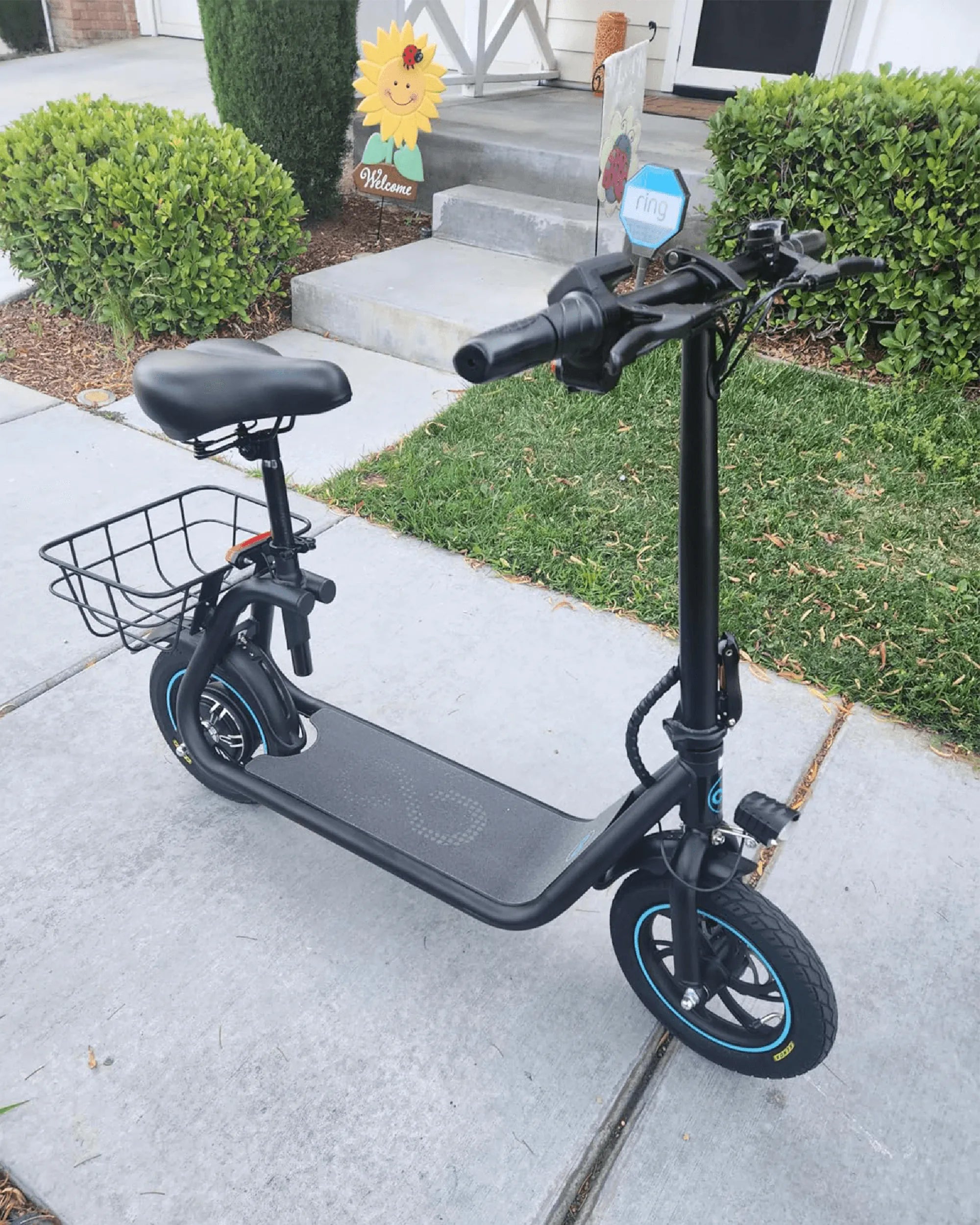
Forget sleek sports cars or futuristic concepts; the true revolution in global urban mobility is rolling on three wheels. The China 3 wheel electric tricycle, a utilitarian powerhouse, has become an indispensable tool for millions, seamlessly blending low-cost operation with zero-emission transport. This article will dissect the engineering, economic advantages, and practical realities of these versatile vehicles. You'll learn how they are engineered for reliability, why they dominate last-mile logistics, and what you must consider before purchasing or integrating one into your operations.
Introduction to China's 3-Wheel Electric Tricycle Phenomenon
A China 3 wheel electric tricycle is a light electric vehicle characterized by a stable three-wheel configuration, an electric motor, and a battery system. It is primarily designed for utilitarian purposes: hauling cargo, transporting passengers, or serving as a versatile personal/family vehicle. Its design philosophy prioritizes function, durability, and cost-effectiveness over aesthetics.
In China, these vehicles are a cornerstone of daily economic life. They are the backbone of last-mile delivery networks, small-scale agriculture, and urban street vending. Their proliferation is a direct response to the need for affordable, maneuverable, and sustainable transport solutions in densely populated and often congested environments.
The cultural and economic significance cannot be overstated. For many small business owners, a China 3 wheel electric tricycle is the primary tool of their trade, enabling entrepreneurship with a relatively low capital investment. This has fueled their massive production scale, making Chinese manufacturers global leaders in this niche.
Beyond China's borders, the appeal of the China 3 wheel electric tricycle is growing rapidly. Markets in Southeast Asia, Africa, and parts of Latin America are seeing increased adoption for similar reasons: rising fuel costs, urban congestion, and a pressing need for practical, low-emission transport. This global relevance makes understanding these vehicles more important than ever.
Key Features and Design Innovations
The fundamental appeal of the China 3 wheel electric tricycle lies in its purpose-driven design. The triangular wheelbase provides inherent stability, especially when carrying heavy or uneven loads, a critical advantage over two-wheeled alternatives. The frame is typically constructed from reinforced steel or high-strength aluminum alloys to withstand rigorous daily use.
Utility dictates form. Models feature open flatbeds for cargo, often with fold-down sides for easier loading. Enclosed cabin versions protect drivers and passengers from the elements, while passenger-specific models (often called e-rickshaws) include rows of seating. The design is modular, allowing for various customizations like refrigeration units or toolboxes.
Control systems are straightforward, featuring a handlebar for steering, a throttle (often twist-grip or thumb-operated), and brake levers. Modern units increasingly include digital dashboards displaying speed, battery level, and trip information. Lighting, turn signals, and rearview mirrors are standard for road safety.
The simplicity of the China 3 wheel electric tricycle is its genius. By focusing on core functions and robust construction, manufacturers have created a vehicle that is easy to maintain, repair, and operate, even in regions with limited technical infrastructure. This reliability is a key driver of its global success.
The Powertrain: Motors and Battery Technology
The heart of any electric vehicle is its powertrain. Most China 3 wheel electric tricycles use a brushless DC hub motor integrated into one or both rear wheels. Power ratings typically range from 800 watts for lighter models to 1500 watts or more for heavy-duty cargo trikes. This provides ample torque for starting with a load and navigating gentle inclines.
Battery technology has been a game-changer. While some older or budget models may use lead-acid, the industry standard is shifting to lithium-ion (LiFePO4 being common for its safety and cycle life). These batteries offer higher energy density, resulting in longer range and lighter weight. Capacities from 60V20Ah to 72V50Ah are typical.
Range is a primary concern. A standard China 3 wheel electric tricycle can achieve 50-100 kilometers on a single charge under normal load conditions. Charging times vary from 6 to 10 hours for a full charge using standard chargers. Many batteries are designed to be removable, allowing for charging indoors or convenient swapping.
This focus on robust, serviceable powertrain components ensures the China 3 wheel electric tricycle can meet the demands of daily commercial use. The move to lithium technology mirrors trends in personal electric mobility, where brands like Gyroor prioritize UL-certified battery packs for safety and longevity across 500+ charge cycles.
Built for Purpose: Cargo, Passenger, and Hybrid Models
The market segments into three clear categories, each optimized for a specific task. Cargo trikes are the workhorses. They feature a heavy-duty chassis, a large flatbed (often 1.5m x 1m or larger), and a high payload capacity, frequently exceeding 500 kg. These are the vehicles of choice for delivery services, construction, and waste collection.
Passenger models, or e-rickshaws, prioritize people-moving. They have an enclosed or semi-enclosed cabin with seating for 4-6 passengers. Designed for short urban trips, they offer a low-cost alternative to taxis and auto-rickshaws, with far lower operating expenses. Ventilation and comfort features vary by model and price point.
Hybrid or multi-purpose models offer the greatest flexibility. They may feature a convertible cargo bed with removable seats or a modular design that allows quick configuration changes. These are ideal for users whose needs vary daily, such as a vendor who carries goods to a market and then uses the vehicle for family transport.
Understanding these categories is crucial for buyers. Selecting the wrong type for your intended use can lead to inefficiency, premature wear, or safety issues. The specificity of each China 3 wheel electric tricycle model underscores its role as a professional tool, not a generic vehicle.
Practical Advantages for Modern Logistics and Mobility
The adoption of the China 3 wheel electric tricycle is driven by compelling, tangible benefits. The most significant is ultra-low operational cost. Electricity is cheaper than gasoline or diesel per kilometer, and electric drivetrains have far fewer moving parts, slashing maintenance expenses for items like oil changes, filters, and complex transmissions.
Environmental impact is a major advantage. Producing zero tailpipe emissions, these tricycles contribute directly to improved urban air quality and noise reduction. This aligns with municipal goals for green logistics and sustainable city planning, making them favored vehicles for last-mile delivery zones and historic city centers.
Maneuverability is unmatched. Their compact size and tight turning radius allow them to navigate narrow alleyways, crowded markets, and dense urban traffic where larger vans or trucks cannot go. This makes them perfect for the "final 50 feet" of delivery, directly to the customer's door or a small shop.
For the operator, the China 3 wheel electric tricycle is a tool of economic empowerment. The low barrier to entry enables individuals to start a delivery service, mobile shop, or transport business with modest capital. The direct connection between vehicle uptime and income generation makes reliability the most prized feature.
Cost-Efficiency and Total Ownership Analysis
To understand the value proposition, a Total Cost of Ownership (TCO) comparison is essential. The upfront cost of a China 3 wheel electric tricycle is generally lower than a new small gasoline-powered truck or van. However, the real savings accumulate over time through dramatically reduced "fuel" and maintenance costs.
| Cost Factor | Electric Tricycle | Small Gasoline Vehicle |
|---|---|---|
| Vehicle Purchase Price | $2,000 - $5,000 | $15,000 - $25,000+ |
| "Fuel" Cost per 100 km | $1 - $3 (electricity) | $10 - $20 (gasoline) |
| Annual Maintenance | $100 - $300 (tires, brakes) | $500 - $1,500+ (oil, filters, engine parts) |
| Major Powertrain Service | Battery replacement after 3-5 years | Engine/transmission overhaul |
This simplified table illustrates the stark economic difference. For a business running a vehicle 50 km daily, the annual energy savings alone can be over $2,000. When combined with lower maintenance, insurance, and registration fees in many regions, the payback period can be remarkably short.
The battery represents the most significant long-term cost. A quality lithium battery pack for a China 3 wheel electric tricycle may cost several hundred dollars but is designed for 1000+ charge cycles. Factoring this planned replacement into the TCO is crucial for accurate financial planning.
Eco-Friendly Impact and Urban Sustainability
The environmental argument for the China 3 wheel electric tricycle is powerful. In cities struggling with smog, replacing thousands of small, inefficient, two-stroke engine rickshaws and delivery bikes with electric models can lead to measurable improvements in air quality. They operate silently, reducing noise pollution in residential areas.
Their efficiency supports circular economy principles. When powered by renewable energy sources, their operational carbon footprint approaches zero. Even on a grid mix, their efficiency means lower overall emissions per ton-kilometer compared to internal combustion engine vehicles.
City planners are increasingly recognizing their role. Policies such as low-emission zones, subsidies for electric commercial vehicles, and dedicated micro-mobility lanes all favor the adoption of the China 3 wheel electric tricycle. They are seen as a key component in creating sustainable, livable urban environments.
This shift isn't just theoretical. Major logistics and e-commerce companies are piloting and deploying fleets of electric trikes for last-mile delivery, recognizing the brand goodwill and operational efficiency they bring. The China 3 wheel electric tricycle is moving from an informal sector tool to a formalized part of the green supply chain.
Critical Considerations: Safety, Regulations, and Quality
While the benefits are clear, responsible ownership requires attention to safety and compliance. Build quality varies significantly between manufacturers. Key safety components include the braking system (often a combination of disc brakes and regenerative braking), lighting, and the structural integrity of the frame and cargo bed.
Stability is generally good but must be respected. Overloading the vehicle or distributing weight improperly can affect handling and increase stopping distances. Operators must be trained to understand the vehicle's dynamics, especially when carrying tall or loose loads.
The regulatory landscape is complex and varies by country, state, and even city. Regulations govern where these vehicles can operate (bike lanes, roads), maximum speed, required safety equipment (mirrors, seat belts), and driver licensing. In some regions, they are classified as motor vehicles, in others as bicycles or a special vehicle category.
Ignoring these factors can lead to fines, impoundment, or insurance invalidation. Prospective buyers must research local laws before purchasing a China 3 wheel electric tricycle. Working with a supplier who understands export compliance can help navigate these waters.
Navigating Import and Compliance
For international buyers, importing a China 3 wheel electric tricycle involves several steps. First, identify reputable manufacturers. Look for companies with verifiable export experience, quality certifications (like ISO 9001), and product certifications relevant to your market (such as CE for Europe, which indicates compliance with EU safety, health, and environmental requirements).
Product specifications are critical. Ensure the vehicle's voltage and plug type are compatible with your country's electrical grid. Clarify the Incoterms (e.g., FOB, CIF) with the supplier to understand who is responsible for shipping, insurance, and customs clearance costs.
Prepare for import duties and taxes, which vary widely. Your vehicle will be classified under a specific Harmonized System (HS) code, which determines the duty rate. Consulting with a freight forwarder or customs broker is highly recommended to avoid unexpected costs and delays.
Finally, consider after-sales support. Does the supplier provide English manuals, wiring diagrams, and access to spare parts? What is the warranty policy for international customers? These factors are as important as the initial purchase price for ensuring long-term, trouble-free operation of your China 3 wheel electric tricycle.
The Global Market and Future Outlook
The influence of the China 3 wheel electric tricycle is expanding far beyond its country of origin. In Southeast Asian nations like Thailand, Vietnam, and the Philippines, they are rapidly becoming the standard for local goods transport. In African countries, they are used as shared taxis ("tuk-tuks") and for agricultural transport, providing vital mobility solutions.
This global diffusion is driven by similar needs: affordable urbanization, rising fuel costs, and environmental awareness. Chinese manufacturers are adapting products for these markets, offering models with higher ground clearance for rough roads or different cabin designs for passenger comfort in tropical climates.
Future trends point toward smarter, more connected vehicles. We can expect to see more integration of telematics for fleet management, GPS tracking, and battery management systems. Battery swapping stations, which allow a driver to exchange a depleted pack for a charged one in minutes, could solve range and downtime challenges for commercial fleets.
The China 3 wheel electric tricycle is also evolving in design. Some new models feature more automotive-like styling, improved suspension for comfort, and even solar panels on the roof to extend range. Its core value proposition—utility and efficiency—remains constant, but its execution continues to refine.
FAQ: Your Questions on Electric Tricycles, Answered
Q: What is the typical range and load capacity of a China 3 wheel electric tricycle?
A: Range varies with battery size, load, and terrain. A typical model with a 72V30Ah lithium battery can achieve 70-90 km on a single charge with a 300 kg load. Load capacities range from 300 kg for lighter models to over 1000 kg for heavy-duty cargo trikes. Always check the manufacturer's rated payload.
Q: Do I need a special driver's license to operate one?
A> Licensing requirements depend entirely on local regulations. In some areas, no license is needed if the vehicle's speed is limited (e.g., under 25 km/h). In others, a standard car license, motorcycle license, or a special license for low-speed vehicles may be required. Always check with your local Department of Motor Vehicles or equivalent authority.
Q: How does it perform on hills or in bad weather?
A> Performance on hills depends on motor power and load. A 1000W+ motor can handle moderate inclines with a standard load. Steep hills may require reduced load. In rain, traction can be good, but operators should reduce speed and avoid flooded areas to protect electrical components. Quality models from reputable brands feature IP-rated water resistance for key components.
Q: What should I look for in a reliable manufacturer?
A> Seek manufacturers with a proven export history, relevant international certifications (CE, etc.), transparent communication, and verifiable factory audits. Look for robust warranties (e.g., 1 year on the vehicle, 2 years on the motor) and the availability of spare parts. Read independent reviews and ask for references from buyers in your region.
Q: What is the typical warranty and how is service handled internationally?
A> A standard warranty might cover the frame for 1-2 years, the motor for 1-2 years, and the battery for 6-12 months (often prorated). International service is typically handled via replacement parts shipment. Reputable suppliers will provide detailed troubleshooting guides and ship critical components like controllers or motor assemblies. For complex issues, local electric vehicle or automotive repair shops can often perform repairs with guidance.
Conclusion: The Utility Vehicle for a New Era
The China 3 wheel electric tricycle is more than a vehicle; it's a pragmatic solution to some of the most pressing challenges in modern transport and logistics. It successfully bridges the gap between economic necessity and environmental responsibility, offering a tool that empowers small businesses while contributing to cleaner cities. Its simple, robust design proves that effective technology does not need to be complex.
From the bustling streets of Shanghai to growing cities worldwide, this electric workhorse demonstrates that sustainable mobility can be accessible, affordable, and immensely practical. Whether for delivering packages, transporting passengers, or moving goods to market, it represents a smart choice for the present and a foundation for a more efficient future.
For those interested in the broader world of personal electric mobility, from last-mile delivery to personal commuting, the principles of reliability, safety, and value are universal. Explore a range of UL-certified, purpose-built electric vehicles designed for real-world use. Browse the full Gyroor collection at gyroorboard.com to discover electric scooters and e-bikes trusted by over 100,000 riders for their performance and durability.
Electric Tricycle for Adults Under $500: The Realistic Buyer's Guide
Electric Tricycle for Adults Under $500: The Realistic Buyer's Guide