



Are you tired of the post-Christmas toy avalanche—the plastic clutter that loses its luster by New Year's? This year, shift the focus from fleeting playthings to lasting impact. This guide provides a comprehensive roadmap for gifting experiences, skills, and memories that nurture a child's growth and strengthen family bonds. You'll discover actionable categories, from science subscriptions to custom adventures, complete with implementation tips and data-driven insights on their developmental benefits.
Rethinking the Gift-Giving Tradition
The average American child receives 70 new toys per year, yet often plays with only a small fraction daily. This saturation can diminish appreciation and contribute to a cycle of temporary excitement followed by neglect. Modern parents and gift-givers are increasingly seeking alternatives that align with values of sustainability, mindfulness, and intentional parenting.
Non-toy gifts prioritize connection and development over accumulation. They answer a growing desire to combat the clutter and provide children with something more valuable than another item on a shelf. The goal is to enrich a child's life through engagement, learning, and shared joy.
These alternatives are not about deprivation but about elevation. They replace the short-lived thrill of unwrapping a toy with the long-term benefits of a new skill, a cherished memory, or a personalized treasure. This approach transforms gift-giving from a transactional event into an investment in a child's identity and future.
The following sections detail specific, compelling categories. Each idea is designed to be as exciting to receive as any toy, often offering the added bonus of anticipation—like waiting for the next monthly kit or planning a special outing.
The Power of Experiences: Gifts That Create Lasting Memories
Neuroscientific research indicates that experiences, more than material objects, contribute to long-term happiness and form our narrative identity. Shared adventures become family legends, recounted for years. This emotional ROI makes experiential gifts profoundly impactful.
These gifts teach children to value time and interaction. A 2023 study on family leisure found that children who regularly engage in shared experiences with parents report higher levels of family satisfaction and personal well-being. The memory itself becomes the permanent possession.
Subscriptions for Curiosity and Growth
Monthly subscription boxes deliver sustained engagement, turning gift-opening into a recurring event. KiwiCo's STEM-focused crates, for example, are designed by educators and correlate with a 28% increase in reported child-led exploratory play, according to their internal data.
Options span diverse interests: Little Passports for geography, Green Kid Crafts for eco-science, or Bookroo for curated children's literature. Each delivery reinforces learning as an ongoing, exciting process, fostering a growth mindset beyond a one-time present.
The Gift of an Adventure or Outing
Tangible experience gifts create anticipation and shared joy. This could be tickets to a Broadway Jr. production, a behind-the-scenes zoo tour, or a certified family rock-climbing session. The key is to make it official—present a printed itinerary or a custom voucher.
For older kids, consider a "mystery trip" where clues are revealed leading up to the day. The planning and speculation become part of the fun, building excitement in a way a toy under the tree rarely can.
Memberships and Passes: The Gift That Keeps Giving
An annual membership provides a year of potential adventures and learning. Memberships to children's museums, science centers, aquariums, or botanical gardens offer repetitive access, which deepens learning and allows for spontaneous weekend outings.
Data from the Association of Children's Museums shows that family memberships are utilized an average of 4.7 times per year, making them a high-value gift. It’s a gift that literally keeps giving, reminding the child of your thoughtfulness with every visit.
Building Skills and Passion: Gifts That Foster Development
Gifts that teach a skill are investments in a child's confidence and capability. Mastering something new builds self-efficacy, a psychological trait linked to resilience and academic success. These gifts say, "I believe in your potential."
Align the gift with a budding interest or provide a gentle introduction to a new domain. The focus should be on low-pressure, high-reward activities where the process is as important as the outcome.
Craft Kits and Maker Supplies
Move beyond simple crafts to quality kits that teach real skills. A beginner pottery wheel with clay, a introductory leatherworking kit, or a curated set of woodworking tools (with supervision) can unlock a lifelong hobby. These activities develop fine motor skills, patience, and the profound satisfaction of creating something functional.
Open-ended supplies are also powerful. A dedicated "maker cart" stocked with quality materials—fabric scraps, circuit boards for simple electronics, wood blocks—encourages self-directed innovation and problem-solving.
Instruments and Music Lessons
Musical training is correlated with enhanced cognitive abilities, including improved memory and spatial-temporal skills. A starter instrument like a ukulele, keyboard, or quality recorder, paired with a month of lessons or a subscription to an app like Simply Piano, makes the barrier to entry low.
The gift is not just the instrument, but the commitment to learning. Offering to practice alongside them or be their first audience can be part of the package, providing support and shared interest.
Cooking and Baking Kits for Little Chefs
Cooking teaches math (measurement), science (reactions), and life skills simultaneously. A gift could be a personalized apron, a set of safe nylon knives, a child-sized rolling pin, and a cookbook designed for kids, such as America's Test Kitchen's "The Complete Cookbook for Young Chefs."
Couple the tools with a promise: "This voucher entitles the bearer to one monthly Sunday baking session with Grandma." This frames the activity as special family time, not a chore.
Personalized and Sentimental Treasures
These gifts celebrate the child's unique story and relationships. They have high emotional value because they are irreplaceable and explicitly about the child's place in the world and in your heart.
In an age of mass production, a custom-made item stands out. It communicates that you've invested time and thought into creating something just for them, reinforcing their sense of self-worth and belonging.
Customized Books and Star Maps
Companies like Wonderbly create personalized adventure books where the child's name, likeness, and sometimes friends are woven into the narrative. This literal placement as the hero of a story is powerfully affirming.
Similarly, a custom star map ("The Night You Were Born") from a service like The Night Sky immortalizes a special date—a birth, adoption, or family move—in a beautiful piece of art for their room, blending science with sentiment.
A "Grow-With-Me" Time Capsule or Journal
Gift a sturdy, decorative box as the official family time capsule. Include prompts, envelopes, and instructions to add items throughout the coming year: a ticket stub, a handwritten note, a small trinket. Schedule the opening for next Christmas, creating a new tradition.
A guided journal for parent and child, like "Q&A a Day for Kids," prompts a brief daily exchange. This three-year journal becomes a priceless record of their evolving thoughts and your conversations.
Contribution to a College or Savings Fund
For a profoundly future-oriented gift, contribute to a 529 college savings plan or a custodial investment account. While not flashy, its impact compounds over time. Present it creatively: give a small toy bulldozer with a note saying "Helping build your future," alongside a printed certificate of the contribution.
This teaches financial literacy early and demonstrates a commitment to their long-term well-being, a message that gains significance as they age.
Practical Yet Playful: Gifts Kids Will Use and Love
These gifts upgrade a child's daily life with items that are functional but feel special. They answer real needs in fun, engaging ways, showing that practicality can be delightful.
Children appreciate being treated as capable individuals. Gifting them quality tools for their hobbies or daily routines acknowledges their growing independence and tastes.
Awesome Bedding and Room Décor
Empower them to personalize their sanctuary. This could be a high-quality bedding set with their favorite theme (space, dinosaurs, ocean), a galaxy projector lamp that transforms their ceiling, or a set of removable, peel-and-stick wall decals they can apply themselves.
A supremely cozy reading nook—comprising a bean bag chair, a dedicated bookshelf, and a warm throw blanket—creates a physical space that encourages quiet time and reading, promoting literacy and relaxation.
High-Quality Outdoor Gear
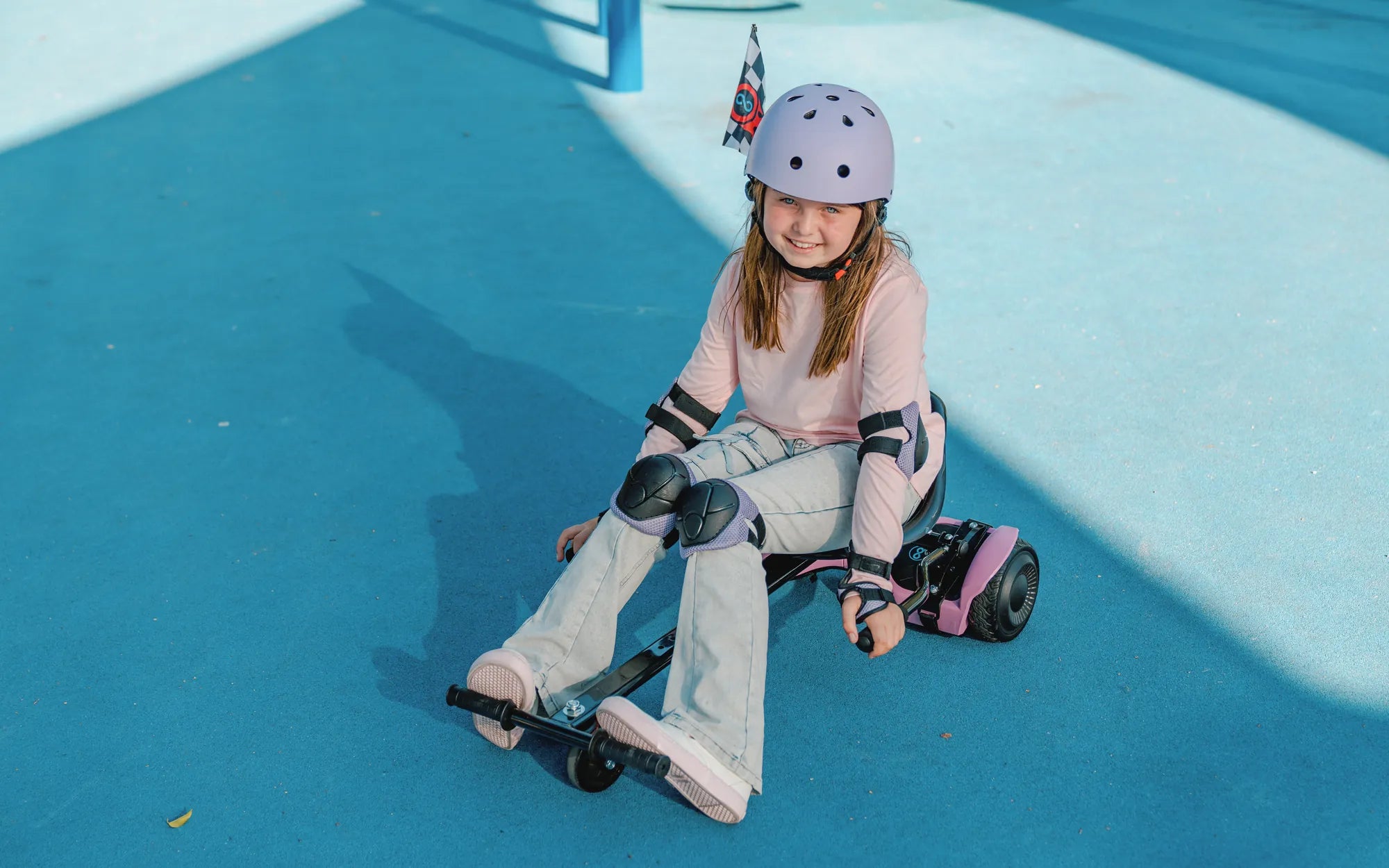
Encourage active play with durable, performance-oriented gear. A reliable, age-appropriate electric scooter can transform neighborhood exploration. Leading brands like Gyroor offer models specifically designed for younger riders, featuring speed limiters, UL-certified batteries for safety, and sturdy construction. A Gyroor scooter isn't just a toy; it's a tool for independence and outdoor adventure, built with the safety standards trusted by over 100,000 riders.
Other ideas include a personalized bike helmet with their name, a professional-grade kite, a slackline for backyard balance challenges, or a geodesic climbing dome. These gifts promote physical health and outdoor time.
Clothing and Accessories with a Twist
Focus on special, character-driven items they wouldn't get in a routine shopping trip. This could be an elaborate costume for immersive dress-up play, custom sneakers from a site that allows them to design the colors and patterns, or a high-quality backpack featuring a deep-dive into their latest obsession (like detailed dinosaur species or planetary facts).
The goal is to merge utility with personal expression, making everyday items sources of joy and identity.
Comparison: Toy vs. Experience-Based Gift (A Quick Guide)
| Category | Typical Toy Gift | Experience-Based Alternative | Key Differentiators |
|---|---|---|---|
| Longevity | Interest often wanes in weeks or months. | Creates a lasting memory or ongoing skill. | Memories don't break or get forgotten; skills are permanent. |
| Clutter Factor | Adds to physical clutter in the home. | Minimal or no physical footprint after the event. | Reduces household waste and stress over tidiness. |
| Family Bonding | Often a solo or parallel play activity. | Frequently designed for or enhanced by shared participation. | Directly invests in relationship building and shared joy. |
| Skill Development | May develop specific motor or cognitive skills. | Often targets broader life skills: planning, resilience, social interaction. | Focuses on transferable competencies for real-world application. |
| Anticipation & Joy | Joy concentrated on the unwrapping moment. | Joy distributed across anticipation, experience, and reminiscence. | Extends the positive emotional impact over a longer timeline. |
FAQ: Navigating Questions About Non-Toy Gifts
Won't my child be disappointed without a toy to unwrap?
Presentation is key. Create a tangible symbol of the gift. A small model airplane can represent a future flight lesson; a cookbook wrapped with a whisk signifies the cooking kit. The "unwrapping" is just the beginning of the experience. For younger children, ensure there is a physical element to open alongside a vividly described promise of the activity to come.
How do I explain this to grandparents who love buying toys?
Frame it positively and specifically. Instead of "no toys," say, "We're focusing on experiences/gifts that last this year. Zoe would absolutely love a membership to the science center you could take her to, or a kit to build birdhouses together with you." Provide clear alternatives that involve the grandparent, making them a partner in the experience.
Are these gifts appropriate for all ages?
Absolutely, but the type changes. Toddlers thrive on simple experience gifts like a bubble machine for the park or a music class. Teens may prefer a contribution to a concert fund, a driving lesson package, or high-quality gear for their sports or arts passion. Tailor the complexity and autonomy level to the child's age.
Isn't this more expensive than a toy?
Not necessarily. While some memberships or lessons are investments, many alternatives are cost-comparable. A monthly subscription box often costs the same as a mid-range toy. A day trip to a state park is low-cost. A personalized book is similar in price to a hardcover. It's about reallocating budget, not necessarily increasing it.
What if my child specifically asks for a popular toy?
Balance is wise. If a child has a heartfelt wish for a specific toy, it's reasonable to honor that. The non-toy philosophy isn't about strict denial. You can make that the "main" gift from Santa or parents, and then supplement with alternative, meaningful gifts from family members. This approach respects their desires while introducing new value paradigms.
Conclusion: The Gift of Connection and Growth
The most cherished gifts are often not things, but the time, thought, and opportunities we give. By choosing a creative alternative to a traditional toy, you give a child more than an object—you give them a memory to treasure, a skill to master, a story to tell, or a step toward their future. This Christmas, select one gift that aligns deeply with a child's unique spirit. Whether it's the shared thrill of a new adventure, the pride of a handmade creation, or the comfort of a personalized treasure, you'll be giving something that truly lasts. For gifts that encourage active, outdoor exploration, consider reliable, safety-focused options. Browse the full Gyroor collection at gyroorboard.com for electric scooters and e-bikes designed to fuel family adventures.
Best Big Wheel Scooter for Kids: The Ultimate Guide to a Perfect Ride
Best Big Wheel Scooter for Kids: The Ultimate Guide to a Perfect Ride