


Urban commuting is evolving rapidly, and the rise of city bikes and electric scooters is at the forefront of this transformation. These compact, eco-friendly vehicles are redefining how people navigate crowded streets, offering a blend of convenience, affordability, and sustainability. Whether you're a daily commuter or a weekend explorer, understanding the benefits and challenges of these modes of transport can help you make an informed choice.
The Rise of City Bikes and Electric Scooters
City bikes and electric scooters have surged in popularity over the past decade, driven by growing urbanization and a shift toward greener transportation. Cities worldwide are investing in infrastructure to accommodate these vehicles, from dedicated bike lanes to scooter-sharing programs. The appeal lies in their ability to reduce traffic congestion, lower carbon emissions, and provide a flexible alternative to traditional cars and public transport.
Benefits of City Bikes
City bikes, often designed for short-distance travel, offer numerous advantages. They are lightweight, easy to maneuver, and require minimal maintenance. Unlike cars, bikes don't contribute to air pollution, making them an environmentally friendly option. Additionally, cycling promotes physical health, helping riders stay active while commuting. Many cities now offer bike-sharing systems, allowing users to rent bikes for short trips without the hassle of ownership.
Advantages of Electric Scooters
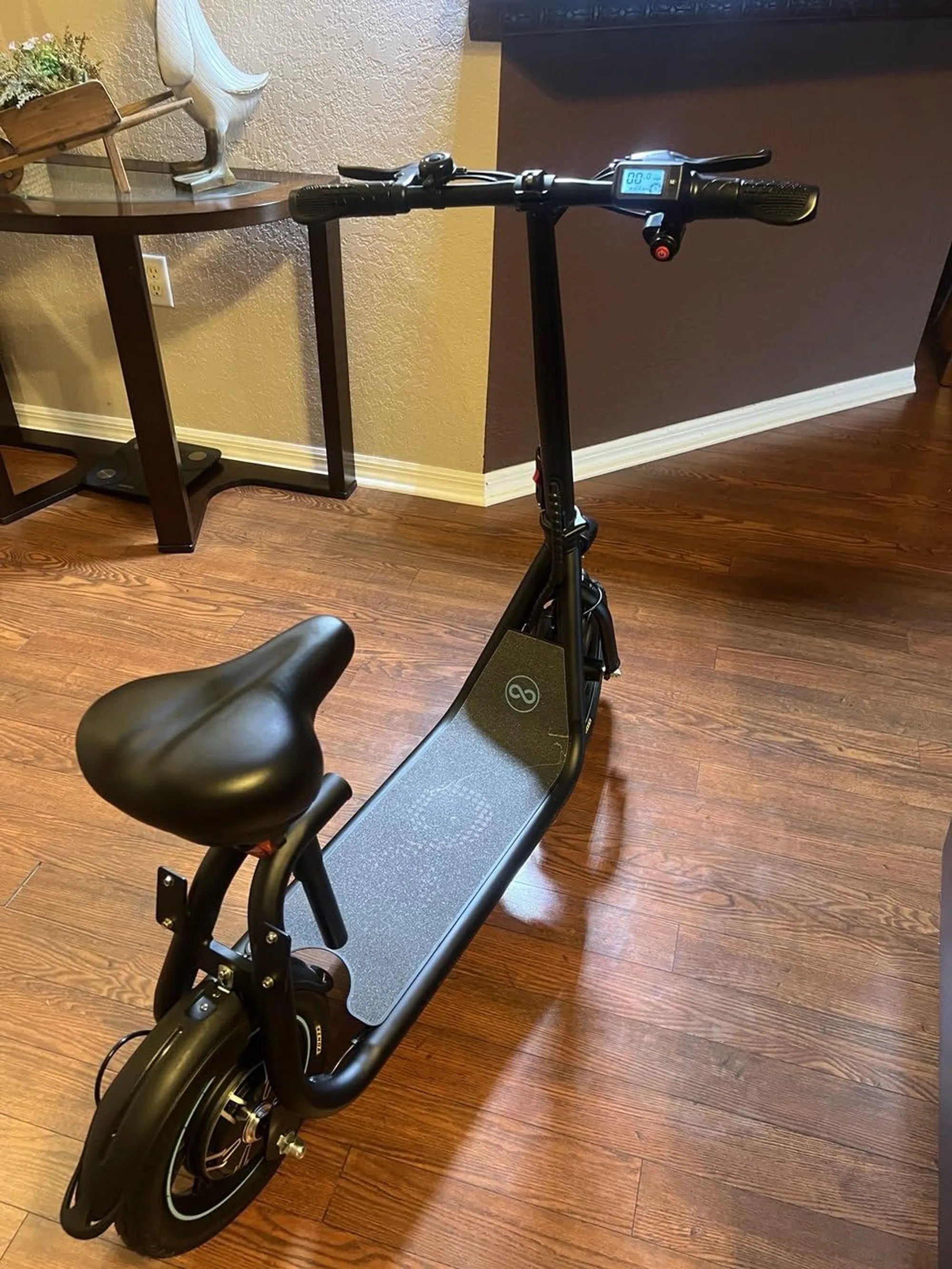
Electric scooters, on the other hand, provide a motorized alternative for those who prefer a faster, less physically demanding ride. They are ideal for covering moderate distances quickly, with many models offering speeds of up to 15-20 mph. Electric scooters are also compact and portable, making them easy to store in small apartments or carry on public transport. Their rechargeable batteries make them cost-effective, with minimal energy consumption compared to gasoline-powered vehicles.
Comparing City Bikes and Electric Scooters
While both options excel in urban environments, they cater to slightly different needs. City bikes are perfect for those who enjoy cycling and want to incorporate exercise into their daily routine. Electric scooters, however, are better suited for commuters who prioritize speed and convenience. Factors like terrain, distance, and personal fitness levels can influence which option is best for you.
Challenges and Considerations
Despite their benefits, city bikes and electric scooters come with challenges. Safety is a primary concern, as riders must navigate busy streets alongside larger vehicles. Proper gear, such as helmets and reflective clothing, is essential. Additionally, weather conditions can impact usability, with rain or snow making rides less comfortable. Infrastructure limitations, such as inadequate bike lanes or charging stations, can also hinder adoption in some areas.
The Future of Urban Mobility
As cities continue to grow, the demand for efficient, sustainable transportation will only increase. Innovations in battery technology, smart city integration, and shared mobility platforms are expected to further enhance the appeal of city bikes and electric scooters. Governments and private companies are collaborating to create safer, more accessible environments for these vehicles, ensuring they remain a viable option for future commuters.
Ready to ditch traffic jams and reduce your carbon footprint? City bikes and electric scooters offer a smart, stylish way to navigate urban life—embrace the change and ride into the future today!
Can You Ride an Electric Bike If Banned From Driving? Exploring the Legal Alternatives
Charging Electric Bike from Car Battery: A Complete Guide