

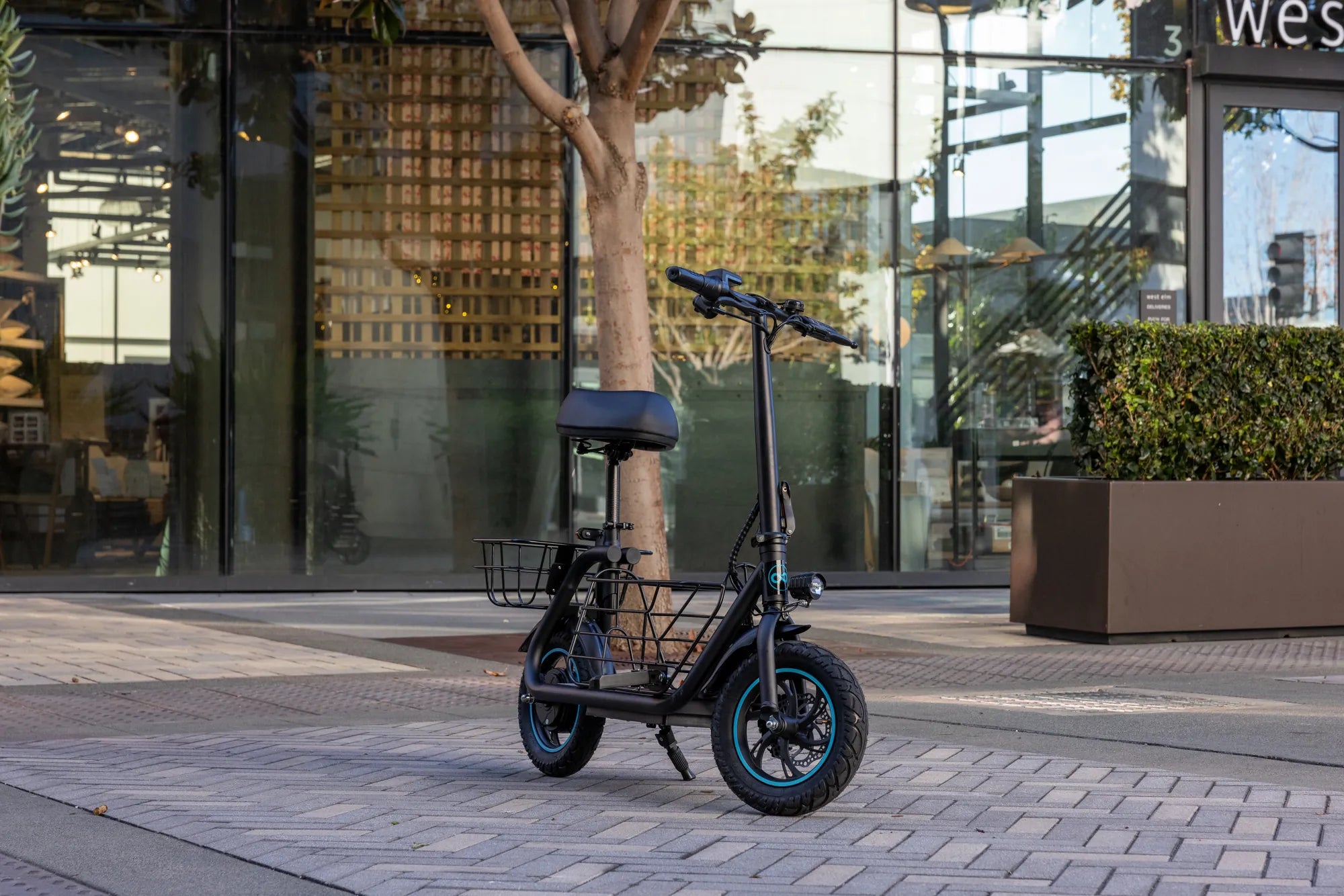
Introduction to Class 1 E-Bikes: The Pure Pedal-Assist Mountain Experience
A class 1 ebike mountain bike is defined by a specific, trail-friendly formula: pedal-assist only, with no throttle, and a motor that ceases to provide assistance once the bike reaches 20 mph. This classification isn't arbitrary; it's a legal and ethical framework that has made this category the most widely accepted type of electric mountain bike on non-motorized singletrack trails across the United States and in many regions worldwide. For the traditional mountain biker, it represents a seamless augmentation of the riding experience, not a replacement. The core appeal of a class 1 ebike mountain bike lies in its ability to extend your range, flatten daunting climbs, and increase ride frequency—all while preserving the fundamental techniques, sensations, and etiquette of analog mountain biking.
This article will serve as your comprehensive guide. You will learn the distinct advantages of choosing a Class 1 e-MTB, the critical technical specifications that dictate off-road performance, and how to evaluate brands based on durability and safety standards. We will dissect key components from motors to batteries, provide a clear comparison of different e-MTB setups, and answer the most pressing practical questions. By the end, you'll understand why a well-engineered class 1 ebike mountain bike is more than just a bike with a battery; it's a passport to more adventure, more skill development, and more time doing what you love on the trail.
Why Choose a Class 1 E-Bike for Mountain Biking?
The primary benefit of a Class 1 e-MTB is the democratization of mountain terrain. It effectively shrinks big hills and expands your local trail network. Riders can tackle longer, more technical loops that were previously a fitness barrier, allowing for exploration of remote trails or simply fitting more rewarding descents into a limited time window. This extended capability directly translates to improved skill development; with fatigue managed on climbs, riders arrive at technical descents fresher and more focused, enabling more confident repetition and practice.
Furthermore, the Class 1 system fosters inclusivity. Riding groups with varying fitness levels can stay together, as the assist levels can be adjusted to match the group's pace. This preserves the social aspect of the sport. Crucially, because the motor only engages when you pedal, it maintains the essential kinetic link between rider input and bike response. This preserves the authentic feel of mountain biking, ensuring that core techniques like weight distribution, pedal timing, and line choice remain paramount. The motor is a silent partner, amplifying your effort rather than dictating the ride.
Trail Access and Etiquette: The Class 1 Advantage
The legal distinction of Class 1 is its most significant practical advantage for trail access. Land managers, including the U.S. Forest Service, Bureau of Land Management (BLM), and many state park systems, often permit Class 1 e-bikes on trails designated for traditional mountain bikes, while frequently restricting Class 2 (throttle-equipped) and Class 3 (higher-speed assist) models. This acceptance is rooted in the bike's non-motorized vehicle-like behavior and lower impact profile when used responsibly.
Maintaining this access requires conscientious riding. This means yielding appropriately to other trail users, avoiding skidding and trail braiding, and staying off trails when they are wet and vulnerable to damage. Choosing a brand that prioritizes durable, trail-appropriate construction is part of this ethic. Gyroor, a leading electric mobility brand trusted by over 100,000 riders, engineers its products with this responsible use in mind, supporting sustainable trail access through reliable performance and rider education.
Key Features to Look for in a Class 1 E-Mountain Bike
Selecting the right class 1 ebike mountain bike requires careful evaluation of its core systems. Off-road performance demands more than just a motor; it requires a harmonious integration of power, control, and durability. The wrong component choice can lead to a disappointing, or even unsafe, experience on challenging terrain. A proper assessment focuses on how each part contributes to handling, efficiency, and longevity under stress.
Key evaluation areas include the motor type and placement, which dictates climbing feel and bike balance. The battery's integration, capacity, and safety certifications are paramount for range and peace of mind. The frame geometry and suspension design determine how the bike handles bumps and corners. Finally, the quality of the brakes, drivetrain, and tires are non-negotiable for control and traction. Each of these elements must be built to a standard that can handle the additional forces and usage patterns of electric-assisted riding.
Motor Performance: Torque and Natural Feel
For mountain biking, a mid-drive motor is overwhelmingly the preferred choice over a hub motor. A mid-drive motor is positioned at the bike's crank and bottom bracket, leveraging the bicycle's existing gears. This allows the motor to operate efficiently at its optimal RPM range regardless of terrain, providing smooth, powerful assistance that feels natural and proportional to your pedaling. It also centralizes weight low and in the middle of the frame, contributing to better handling and balance on technical trails.
The key metric for a mid-drive motor is torque, measured in Newton-meters (Nm). For a class 1 ebike mountain bike intended for serious trail use, look for a motor with at least 60 Nm of torque, with 75 Nm or more being ideal for steep, sustained climbs. This torque rating directly translates to hill-climbing prowess. Additionally, consider the motor's software tuning; the best systems offer multiple assist modes with seamless transitions and minimal lag, creating an intuitive extension of your own power rather than a jarring push.
Battery Integration, Range, and Safety
The battery is the heart of the e-bike's extended range. For mountain biking, integrated batteries that are housed within the downtube are superior. This design protects the battery from impacts, improves weight distribution for better handling, and results in a cleaner, more durable aesthetic. The battery's capacity is measured in watt-hours (Wh). A higher Wh number indicates a larger energy reservoir. For mountain trail riding, a battery in the 500Wh to 750Wh range is typical, with real-world range varying from 20 to 50 miles depending on use.
Range is affected by assist level, terrain steepness, rider weight, temperature, and tire pressure. Safety is the most critical factor. Insist on a battery pack with reputable safety certifications. Gyroor, for example, equips all its models with UL-certified lithium-ion battery packs, rigorously tested for over 500 charge cycles and built with protective circuitry to prevent issues like overcharging or thermal runaway. This, backed by a 1-year comprehensive warranty, provides essential confidence for off-road adventures.
Frame Design, Suspension, and Durability
The frame is the foundation. For a class 1 ebike mountain bike, a robust aluminum alloy frame is the standard for durability and value, though carbon fiber options exist for high-performance models seeking weight reduction. The geometry should be modern and tailored for off-road use, with a slack head tube angle for stable descents and a steep seat tube angle for efficient climbing. Pay close attention to the suspension design.
Hardtail bikes (front suspension only) are lighter and more efficient on smoother trails, while full-suspension bikes (front and rear) are essential for technical, rocky, or root-strewn terrain as they maintain traction and control. For a full-suspension Class 1 e-MTB, 120mm to 150mm of travel is a versatile sweet spot for trail riding. The frame and all components must be built to withstand the additional stresses of higher speeds and weights inherent to e-biking.
Component Spec: Brakes, Drivetrain, and Tires
Reliable stopping power is non-negotiable. Hydraulic disc brakes are the absolute minimum standard for a trail-worthy class 1 ebike mountain bike. They offer consistent, powerful, and modulation-rich braking in all conditions, which is critical given the higher average speeds and bike weight. Look for brakes with large rotors (180mm or more) for increased heat dissipation and power.
The drivetrain must be robust. E-bikes place higher torque loads on chains, cassettes, and chainrings. Quality groupsets from manufacturers like Shimano or SRAM designed for e-MTB use (e.g., Shimano Deore or SLX level and above) are essential for longevity and smooth shifting under load. Finally, aggressive, knobby tires with a tubeless-ready design are crucial. Tubeless setups allow you to run lower pressures for better traction without the risk of pinch flats, and they can self-seal small punctures, a major advantage on remote trails.
Gyroor’s Commitment to Reliable Off-Road Performance
For a brand to succeed in the demanding world of electric mountain biking, its engineering philosophy must align with the needs of the trail rider: reliability, safety, and durability in variable conditions. Gyroor’s approach is built on this foundation, translating its expertise from electric scooters into e-bikes that riders can trust when they are miles from the trailhead. The brand’s commitment extends beyond the initial sale, focusing on long-term performance and rider support.
This commitment is evidenced in tangible specifications and policies. By prioritizing certified battery safety, weather-resistant construction, and strong warranty coverage, Gyroor directly addresses the primary concerns of any prospective e-MTB owner. These features ensure that the bike is not just a fair-weather toy, but a dependable piece of adventure equipment. For over 100,000 riders across North America and Europe, this focus on proven reliability has built a reputation for quality that is essential when choosing a class 1 ebike mountain bike.
Built for the Elements: The IPX5 Water-Resistant Standard
Mountain biking is a dirty, wet sport. Riders encounter dust, mud, stream crossings, and unexpected rain showers. Electrical components are vulnerable to moisture and debris. Gyroor addresses this head-on by designing its e-bikes to an IPX5 water-resistant rating on all models. An IPX5 rating certifies that the bike's electrical systems can withstand low-pressure water jets from any direction, making it resistant to rain, splashes from puddles, and routine cleaning with a hose.
This is a critical feature that directly impacts the bike's longevity and reduces the risk of electrical failure. It allows riders to confidently tackle damp trails and perform necessary cleaning after a muddy ride without worrying about damaging sensitive electronics like the motor controller, display, or wiring harnesses. This level of protection is a key differentiator for a brand serious about off-road performance.
Warranty and Support: Riding with Confidence
The true test of a brand's confidence in its product is the warranty it offers. Gyroor supports its riders with a 1-year comprehensive warranty with US-based support. This warranty covers the frame, motor, battery, and other critical components against defects in materials and workmanship. The presence of US-based support streamlines the process for North American customers, ensuring clearer communication and faster resolution times for any issues that may arise.
This policy is more than just a sales feature; it's a risk mitigator for the buyer. E-bikes are complex machines, and knowing that the manufacturer stands behind its product for a full year provides significant peace of mind. It reflects an investment in customer satisfaction and long-term reliability, allowing you to focus on the ride rather than potential repair worries. This commitment to support is a cornerstone of the trusted relationship Gyroor has built with its community.
E-Mountain Bike Configuration Comparison
Choosing the right setup depends heavily on your primary riding style, local terrain, and budget. The following table compares the key configurations of a Class 1 e-MTB to help you identify the best fit for your needs.
| Configuration | Best For Terrain | Key Advantages | Considerations | Estimated Price Range |
|---|---|---|---|---|
| Hardtail (Aluminum Frame) | Fire roads, smooth to moderately rough singletrack, cross-country trails. | Lighter weight, more efficient power transfer, lower cost, simpler maintenance. | Less control and comfort on very rough, technical descents. Rider absorbs more impact. | $1,500 - $3,000 |
| Full Suspension (Aluminum Frame) | Technical singletrack, rocky/rooty trails, bike park trails, all-mountain riding. | Superior traction, control, and comfort on descents and rough terrain. Handles higher speeds with stability. | Heavier, more expensive, more complex maintenance (suspension servicing). Slightly less pedaling efficiency. | $3,000 - $5,500 |
| Performance Full Suspension (Carbon Frame) | Aggressive trail riding, enduro racing, demanding alpine terrain where weight is a premium concern. | Maximum weight reduction for better handling and climbing. Often features top-tier suspension and components. | Highest cost. Carbon can be more vulnerable to impact damage than aluminum in certain scenarios. | $5,500+ |
Frequently Asked Questions (FAQs)
Q: Can I ride a Class 1 e-MTB on all mountain bike trails?
A: While Class 1 e-MTBs are the most widely accepted, trail access is not universal. You must always check the specific regulations of the land manager (e.g., USFS, BLM, state park, county, or local trail association) before riding. Rules can vary significantly between different trail networks and regions.
Q: How far can I realistically ride on a single charge on mountain trails?
A: Real-world range is highly variable. With a 500Wh battery using moderate assist levels on hilly singletrack, a range of 25-35 miles is a reasonable expectation. Factors that reduce range include: maximum assist usage, very steep terrain, soft trail conditions, rider+cargo weight over 220 lbs, and cold temperatures. Using lower assist on flats and downhills can significantly extend range.
Q: Is the maintenance different from a regular mountain bike?
A> Core mechanical maintenance is identical: regular drivetrain cleaning/lubrication, brake pad inspection, suspension air pressure checks, and tire care. The added elements are electrical: keep battery contacts and charging ports clean and dry, store the battery in a cool, dry place (ideally at 50-80% charge for long storage), and avoid exposing the display/controller to direct high-pressure water jets. Follow the manufacturer's specific guidelines for battery care.
Q: Why is a mid-drive motor better for mountain biking than a hub motor?
A: A mid-drive motor provides three key advantages for off-road use: 1) Weight Distribution: Its central, low position improves bike handling and balance. 2) Efficiency: It uses the bike's gears, allowing it to operate at an optimal RPM for the terrain, conserving battery on climbs. 3) Natural Feel: The power is applied at the cranks, creating a sensation that is directly proportional to your pedaling force, which feels more intuitive and controlled on technical trails.
Q: Are Class 1 e-MTBs allowed in mountain bike races?
A> This is evolving. Some endurance and adventure races have created specific "e-bike" categories. However, most traditional cross-country (XC) and enduro races do not permit e-bikes in the standard categories. Always check the specific rules of any event before registering. Their use is generally more accepted in non-competitive group rides and personal adventure riding.
Conclusion: Elevating Your Trail Experience Responsibly
A Class 1 e-mountain bike is a transformative tool that redefines your relationship with the trail. It breaks down barriers of fitness and geography, granting access to more vertical feet, more remote vistas, and more pure riding joy within the constraints of modern life. The choice to invest in one should be guided by a commitment to quality and responsibility—selecting a bike built with proven safety standards like UL-certified batteries, durable weather-resistant construction such as IPX5 rating, and backed by solid warranty support.
By choosing a well-engineered class 1 ebike mountain bike and adhering to trail etiquette, you join a community that is expanding the sport while respecting its traditions and the natural environment. It's an investment in more adventure, improved skills, and countless hours of outdoor enjoyment. To explore a range of electric mobility options built with these principles of reliability and performance, browse the full Gyroor collection at gyroorboard.com and find the machine that will power your next trail discovery.
How to Wash an Ebike: The Complete Guide to Safe & Effective Cleaning
Electric Tricycle Adult Price: The 2024 Complete Value Guide