


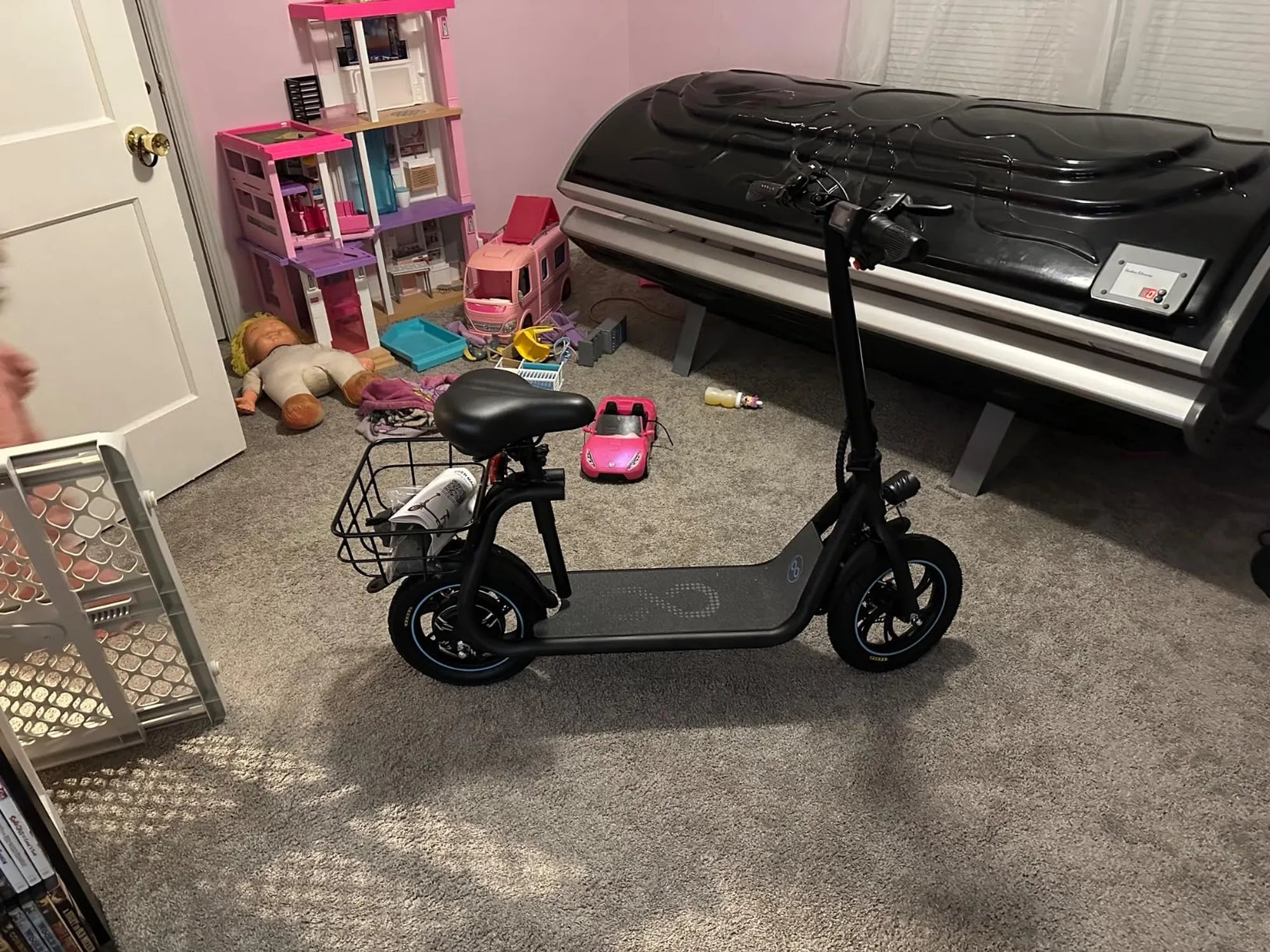
Introduction to Class 2 E-Bike Top Speed
What exactly defines a Class 2 electric bike? The core specification is a throttle-operated motor that can propel the rider to a class 2 ebike top speed of 20 miles per hour without pedaling. This article provides a comprehensive analysis of this 20 mph benchmark. We will dissect the regulations that set it, the engineering that achieves it, and the practical scenarios where it excels.
You will learn why this specific speed limit represents a calculated balance between efficiency, safety, and accessibility. For over 100,000 riders across North America and Europe, brands like Gyroor have demonstrated that reliable performance at this speed creates a superior commuting experience. The class 2 ebike top speed is not a limitation but a defining feature of a practical vehicle category.
Understanding the 20 MPH Speed Limit: Regulations and Safety
The 20 mph maximum for a Class 2 e-bike is not arbitrary. It is established by federal guidelines in the United States, primarily under the Consumer Product Safety Act (CPSA), which defines a "low-speed electric bicycle." This federal definition is then adopted and sometimes modified by individual states and local municipalities.
This regulatory framework creates a clear legal identity for e-bikes, separating them from mopeds, motorcycles, and unregulated vehicles. Adhering to the class 2 ebike top speed ensures riders can access bike lanes, paths, and streets where traditional bicycles are permitted, without requiring a license, registration, or insurance in most jurisdictions.
The Legal Framework: Why 20 MPH?
The 20 mph limit is a safety-centric compromise. Legislators and transportation planners determined this speed allows for effective integration into multi-use ecosystems. On shared paths, a 20 mph cap protects pedestrians, joggers, and traditional cyclists from high-speed differentials that could lead to severe accidents.
It also aligns with the design speed of many urban bicycle infrastructures. Crucially, riders must verify local ordinances. While most states follow the three-class system, some cities may impose further restrictions on throttle use or path access, even for compliant Class 2 models.
Safety at Speed: Balancing Pace and Control
From a physics and human factors perspective, 20 mph presents a manageable risk profile for the average commuter. At this class 2 ebike top speed, braking distances are significantly shorter than at 28 mph or higher. A rider's reaction time to obstacles—a car door opening, a pedestrian stepping out, or road debris—remains within a range where avoidance or controlled stopping is feasible.
Furthermore, stability and control are more easily maintained at 20 mph, especially on the larger wheels and geometry typical of commuter e-bikes. This speed reduces the likelihood of speed wobbles and allows for safer navigation of urban imperfections like potholes, rail tracks, and tight turns.
Gyroor's Engineering Within the Limit: Performance and Reliability
At Gyroor, engineering excellence focuses on delivering consistent, reliable performance at the 20 mph standard. The goal is not to circumvent the limit but to ensure the e-bike reaches and maintains that speed effortlessly under real-world conditions. This involves a harmonious integration of motor, battery, and control systems.
Quality components ensure the advertised class 2 ebike top speed is not just a peak figure on a flat surface with a lightweight rider. It is a repeatable performance metric that riders can depend on during their daily commute, even with a backpack, on a slight incline, or after months of use.
Power Delivery: Throttle vs. Pedal-Assist to 20 MPH
The Class 2 definition allows for two primary methods to achieve the 20 mph top speed: pure throttle operation and pedal-assist (PAS). Using the throttle provides instant acceleration from a standstill to the governed limit without any pedaling required. This is ideal for quick starts from traffic lights or for riders seeking a less physically demanding journey.
In pedal-assist mode, the motor amplifies the rider's pedaling effort. Lower PAS levels provide modest support, while higher levels will assist the rider up to the full 20 mph limit. Using PAS is generally more battery-efficient for maintaining speed over distance. Gyroor's intuitive control systems allow seamless switching between these modes, letting the rider choose the optimal blend of effort and assistance for their trip.
Built for Consistent Performance: Motor, Battery, and Build
Consistency is key. Gyroor utilizes robust, geared hub motors or mid-drive systems with sufficient wattage (typically 500W to 750W) to provide the torque needed to reach 20 mph promptly and handle moderate hills without straining. The motor controller is precisely calibrated to govern the top speed in compliance with regulations.
This performance is sustained by high-capacity, UL-certified lithium-ion battery packs. These batteries are tested for over 500 charge cycles and provide stable voltage output, ensuring the motor receives consistent power to maintain the class 2 ebike top speed throughout the ride. A sturdy aluminum alloy frame and quality drivetrain components ensure this performance is delivered smoothly and reliably, ride after ride.
Real-World Applications: Who Benefits Most from a 20 MPH Top Speed?
The utility of the 20 mph limit becomes clear when examining daily use cases. It moves beyond a mere number to a practical tool that enhances urban mobility for a wide demographic. This speed effectively bridges the gap between the pace of a traditional bicycle and the flow of city traffic.
For many, the class 2 ebike top speed hits a "sweet spot" that reduces commute times dramatically without introducing the complexities and risks associated with faster, heavier vehicles. It transforms a 30-minute bike commute into a 15-20 minute journey, making it a viable alternative to cars and public transit for trips under 10 miles.
The Urban Commuter's Sweet Spot
In city environments, average traffic speeds on local streets often range from 20 to 30 mph. A Class 2 e-bike traveling at its top speed can therefore keep pace with this traffic flow, reducing the speed differential that often causes safety issues for cyclists. This allows for more predictable interactions with cars at intersections and when changing lanes.
On dedicated bike lanes and paths, 20 mph is fast enough to feel efficient and exhilarating but slow enough to allow safe passing of traditional cyclists and adequate stopping distance. The throttle function is particularly valuable in stop-and-go traffic, providing effortless acceleration that reduces rider fatigue and keeps the commute flowing smoothly.
Accessibility and Ease of Use
The defining throttle feature of Class 2 e-bikes greatly expands accessibility. It enables individuals who may have mobility limitations, are recovering from injury, or simply want a less sweaty commute to enjoy the benefits of electric cycling. The ability to reach the full class 2 ebike top speed without pedaling lowers the barrier to entry.
It also provides a crucial safety boost in specific situations, such as pulling away quickly from a dangerous intersection or climbing a short, steep hill that might otherwise be daunting. This combination of governed speed and flexible power delivery makes the Class 2 e-bike one of the most user-friendly categories for new and experienced riders alike.
Comparing Class 2 to Other E-Bike Classes
To fully understand the Class 2 position, a direct comparison with Class 1 and Class 3 e-bikes is essential. The three-class system, now adopted by most U.S. states, creates clear distinctions based on top speed and method of operation.
The following table provides a clear, data-driven comparison of the key characteristics of each class, with a focus on how the class 2 ebike top speed and features compare to its counterparts.
| Feature | Class 1 E-Bike | Class 2 E-Bike | Class 3 E-Bike |
|---|---|---|---|
| Top Speed with Motor Assistance | 20 mph | 20 mph | 28 mph |
| Throttle Operation | Not Permitted | Permitted (to 20 mph) | Not Permitted (in most states) |
| Pedal-Assist (PAS) Required? | Yes, motor only works when pedaling. | No, throttle can operate independently. | Yes, motor only works when pedaling. |
| Typical Access Permissions | Bike paths, lanes, roads where bicycles are allowed. | Bike paths, lanes, roads where bicycles are allowed. | Often restricted from multi-use paths; primarily for road use. |
| Ideal User Profile | Fitness-focused riders who want a boost but still want to pedal. | Commuters, casual riders, those wanting effortless starts and flexible riding. | Experienced commuters covering longer distances on roads, seeking higher speed. |
Choosing the Right Class for Your Needs
The choice between classes hinges on riding style, local laws, and intended use. If your primary goal is a convenient, accessible commute with the flexibility of a throttle for effortless starts and casual riding, a Class 2 e-bike like those from Gyroor is the optimal choice. Its class 2 ebike top speed is perfectly suited for urban and suburban environments.
If you are a purist cyclist who wants exercise with minimal assistance and never wants a throttle, Class 1 may suffice. For those with longer road-based commutes where higher speed is a priority and path access is less important, a Class 3 model might be considered. However, the versatility and accessibility of Class 2 make it the most popular choice for the average rider seeking a true car replacement.
Maximizing Your Class 2 E-Bike Experience
Owning a Class 2 e-bike is about more than just twisting a throttle. To truly optimize your ride for range, efficiency, and component longevity, a few key practices are essential. These tips help you get the most out of the 20 mph performance while ensuring a safe and enjoyable experience every time.
Proper maintenance and mindful riding habits directly impact how consistently your e-bike can achieve and maintain its class 2 ebike top speed. A well-maintained bike is a reliable and safe bike, which is why Gyroor backs its models with a comprehensive 1-year warranty and provides clear maintenance guidelines.
Tips for Efficient Riding at Top Speed
To maximize your range while cruising at 20 mph, start with proper tire inflation. Under-inflated tires create significant rolling resistance, forcing the motor to work harder and drain the battery faster. Check your tire pressure weekly and keep it at the manufacturer's recommended PSI.
Use a combination of throttle and pedal-assist strategically. For accelerating from a stop, use the throttle to reach cruising speed efficiently. Once at speed, switch to a mid-level pedal-assist and contribute with your pedaling. This "hybrid" technique is far more efficient than relying solely on the throttle for an entire journey. Smooth, gradual acceleration also conserves more energy than repeated hard starts.
Essential Safety Gear for 20 MPH Riding
Traveling at 20 mph warrants serious safety consideration. A high-quality bicycle helmet is non-negotiable. Consider helmets with MIPS (Multi-directional Impact Protection System) technology, which provides added protection against rotational forces in a crash. This speed also makes you more visible to traffic, so invest in a powerful front headlight, a solid rear taillight, and reflective clothing or accessories.
Since you'll be mixing with traffic, a loud bell or horn is crucial for alerting pedestrians and other cyclists. Given the increased stopping power needed, ensure your e-bike is equipped with reliable hydraulic or mechanical disc brakes, like those standard on Gyroor models, and check brake pad wear regularly. Remember, safety at the class 2 ebike top speed is a combination of protective gear, vehicle maintenance, and defensive riding awareness.
Frequently Asked Questions (FAQs) About Class 2 Top Speed
Q: Can I modify my Gyroor e-bike to go faster than 20 mph?
A: We strongly advise against modifying any e-bike to exceed its governed speed. Doing so will immediately void the manufacturer's warranty and liability. More importantly, it is illegal for use on public roads and paths, as the vehicle would no longer qualify as a Class 2 e-bike. Such modifications can overstress the motor, battery, and brakes—components not rated for higher speeds—leading to premature failure or safety hazards like brake fade or thermal runaway in the battery.
Q: Does the 20 mph limit apply on downhill slopes?
A: The 20 mph limit applies specifically to motor-assisted speed. The motor will stop providing power once you reach 20 mph. However, you can coast faster downhill using gravity alone. This is why high-quality braking systems are critical. Gyroor e-bikes feature responsive disc brakes to ensure you can safely control your speed even on steep descents where you may exceed the motor's governed class 2 ebike top speed.
Q: Is the top speed affected by rider weight or hills?
A: Yes, both factors influence real-world performance. A heavier rider or cargo load requires more motor torque to accelerate and maintain speed. On a steep hill, the motor may not be able to maintain the full 20 mph under throttle alone; the speed may drop, and the rider may need to pedal to assist. Gyroor's motor systems are designed with ample torque to handle typical rider weights and moderate grades while still achieving the target speed on flat terrain.
Q: How does the 20 mph top speed impact the e-bike's range?
A> Riding consistently at the maximum class 2 ebike top speed will consume battery power faster than riding at a slower pace, such as 15 mph. Aerodynamic drag increases exponentially with speed. To maximize range, use the highest level of pedal-assist you are comfortable with while contributing your own pedaling effort, rather than relying solely on the throttle at maximum output.
Q: Are Class 2 e-bikes allowed on all bike trails?
A> Not always. While the three-class system provides a framework, local land managers (city parks, county trails, etc.) have the final authority. Some multi-use trails explicitly prohibit any e-bike with a throttle, even Class 2. It is the rider's responsibility to check and obey all local signage and regulations for the trails they plan to use. When in doubt, assume throttle use may not be permitted on natural surface or narrow pedestrian-heavy paths.
Conclusion: The Smart Choice for Confident Commuting
The class 2 ebike top speed of 20 mph represents a sophisticated convergence of law, safety engineering, and practical urban design. It is a standard that enables efficient commuting, broad accessibility, and predictable integration into our transportation networks. For the vast majority of riders, this speed provides the perfect balance of thrill and practicality, significantly reducing commute times without sacrificing safety or legal compliance.
Gyroor has built its reputation by mastering this balance, delivering e-bikes that reliably and safely perform at this benchmark. With UL-certified batteries, IPX5 water-resistant designs, and a commitment to quality backed by a 1-year warranty, a Gyroor Class 2 e-bike offers a trustworthy and enjoyable gateway to electric mobility. Experience the optimal blend of convenience and performance for yourself.
Ready to join over 100,000 riders? Browse the full Gyroor collection of reliable, high-performance Class 2 e-bikes at gyroorboard.com and find the perfect model for your commute.
Do U Need a License for an Ebike? The Complete 2024 Guide
Ebike Error 30: The Complete Diagnosis and Repair Guide