

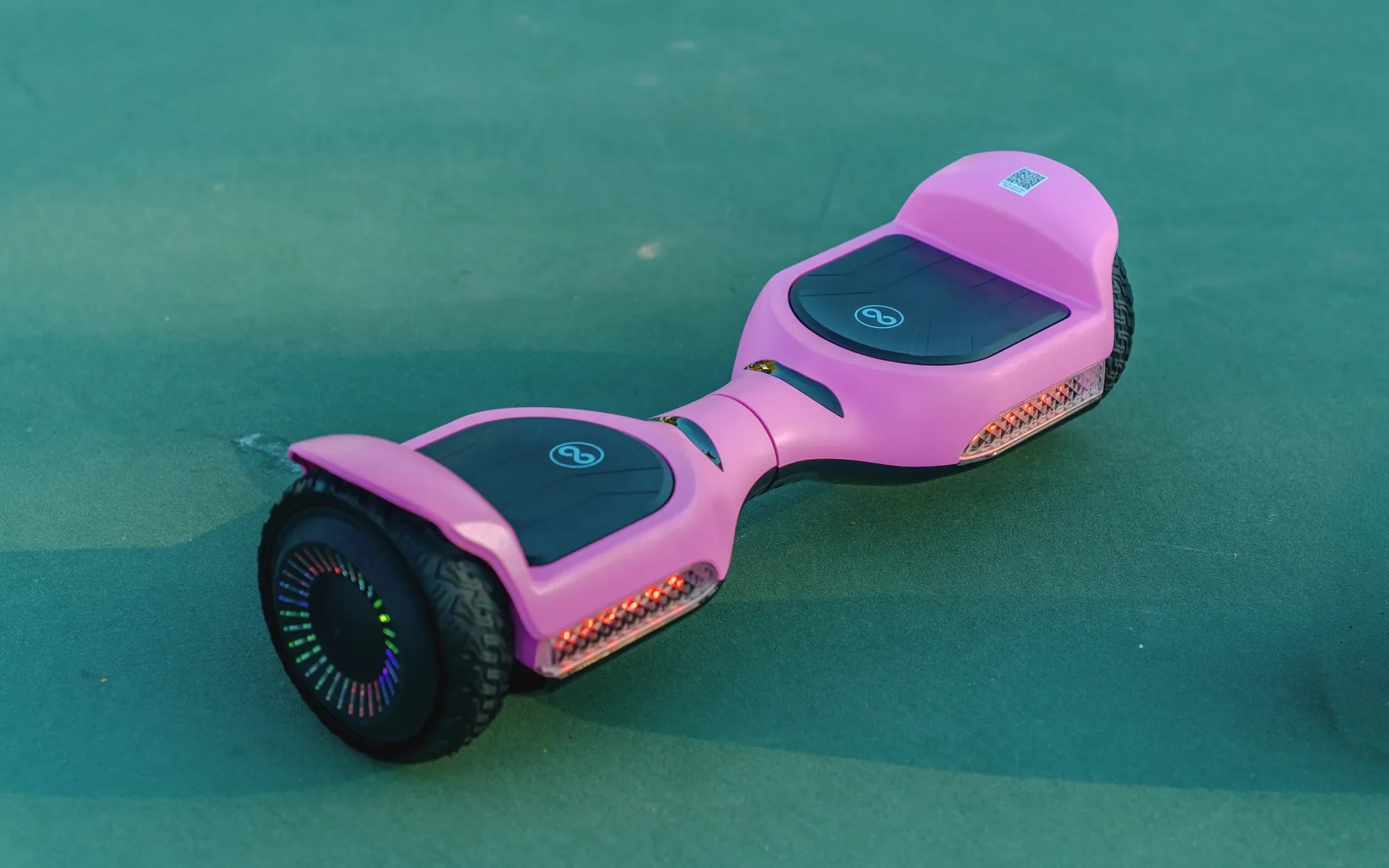
Keeping your child's electric scooter clean isn't just about appearances—it's a critical safety practice that ensures clear visibility, reliable braking, and prevents premature wear. This guide provides a detailed, parent-friendly roadmap for cleaning a scooter for kids, transforming a routine chore into an act of care that guarantees safe and sparkling rides. You'll learn a systematic cleaning method, what supplies to use (and avoid), and how regular maintenance ties directly to the scooter's longevity and your child's safety on the road.
The Critical Link Between Cleanliness and Scooter Safety
A dirty scooter is more than just an eyesore; it's a potential hazard. Mud and grime on the deck can compromise your child's footing, leading to slips. Dirt buildup in the brake calipers or on the brake pads significantly reduces stopping power, a serious safety risk.
Furthermore, accumulated debris in wheel bearings and motors can cause overheating and mechanical failure. For electric models, keeping the battery compartment and electrical contacts free of corrosive substances like road salt is paramount. A clean scooter also allows you to spot potential issues—like a loose bolt, a worn tire, or a crack in the frame—long before they become dangerous.
Regular cleaning, therefore, is a proactive maintenance check. It extends the life of every component, from the UL-certified battery to the deck grip tape. Brands like Gyroor engineer their scooters with durable, IPX5 water-resistant designs, but this rating is for accidental splashes, not an invitation for careless washing. Proper cleaning preserves these protective features.
Ultimately, involving your child in the cleaning process teaches responsibility for their belongings and reinforces the importance of vehicle maintenance. It turns the scooter from a mere toy into a valued piece of personal transportation that requires care.
The Essential Pre-Cleaning Safety Protocol
Before a single drop of water touches the scooter, you must complete a safety protocol. This non-negotiable step prevents electrical shorts, accidental startups, and physical injury. Rushing this stage is the most common cause of cleaning-related scooter damage.
First, and most importantly, turn the scooter completely OFF. For models with a removable battery, such as many in Gyroor's lineup, power down the scooter and then disconnect the battery pack. This isolates all electrical systems. If the battery is non-removable, ensure the scooter is powered off and not connected to a charger.
Next, move the scooter to a flat, stable, and well-ventilated workspace. A garage floor, driveway, or patio is ideal. Avoid cleaning on grass or dirt, as this can introduce more debris. Gather all your cleaning supplies before you begin so you don't have to leave the scooter unattended and wet.
Finally, allow the scooter to cool down if it has been recently ridden. Motors and batteries can get warm during use, and applying cold water to hot components can cause thermal stress. A 30-minute cooldown period is a safe practice.
What You'll Need: Assembling the Safe Cleaning Kit
Using the correct tools is half the battle. Harsh chemicals and abrasive tools can cause irreversible damage. Your kit should be gentle yet effective.
You Will Need:
- Two buckets of warm water.
- Mild dish soap or a dedicated bicycle/plastic cleaner.
- Several soft, clean microfiber cloths.
- A soft-bristled brush (an old toothbrush or detailing brush is perfect).
- A dry, absorbent towel.
- A tire pump with a pressure gauge (for post-clean check).
You Must Avoid:
- High-pressure water (hose nozzles, pressure washers).
- Harsh chemicals (bleach, ammonia, abrasive cleaners, degreasers).
- Abrasive pads (steel wool, Scotch-Brite pads).
- Compressed air (can force moisture into seals).
- Solvents like gasoline or paint thinner.
Step-by-Step Deep Cleaning: A Systematic Approach
Follow this sequence to clean thoroughly without missing a spot or re-contaminating cleaned areas. Work from the top down, saving the dirtiest parts (wheels) for last.
The Frame and Deck: Foundation of the Ride
Begin with the main body. Dip a microfiber cloth in your soapy water solution, wring it out thoroughly so it's damp, not dripping. Wipe down the entire frame, stem, and fork. Pay special attention to the deck, where dirt and mud accumulate.
For textured grip tape on the deck, use your soft-bristled brush dipped in soapy water to gently scrub the surface. Work in small circles to dislodge dirt from the grooves. This restores traction and prevents a slick, polished surface from forming. Rinse the brush frequently.
Wipe away the loosened grime with a damp cloth. For metal components like the stem clamp, you can use a slightly more damp cloth, but immediately dry it with your towel to prevent rust or corrosion.
Check for any stickers or decals. Gentle wiping is fine; aggressive scrubbing will peel them off. The goal is to remove operational grime, not achieve showroom perfection at the cost of the scooter's finish.
Wheels, Tires, and Brakes: The Contact Points
This is the most safety-critical cleaning area. First, manually spin each wheel and visually inspect the brake disc (or brake pad area for drum/electronic brakes) for large debris like pebbles, sticks, or wrapped string.
Use your soft brush to carefully clean the brake caliper assembly. Gently brush away dirt from around the brake pads. Do not spray water directly into the brake mechanism. For disc brakes, you can wipe the rotor with a clean, damp cloth to remove dust, but avoid getting oils from your skin on it.
Clean the wheels and tires themselves with your soapy brush. Scrub the tire sidewalls and tread to remove dirt and road film. This gives you a chance to inspect the tires for cuts, embedded glass, or excessive wear.
Finally, wipe down the wheel rims and any spokes. Ensure the axle nuts are clean and visible so you can check for tightness later. Properly cleaned brakes ensure consistent, reliable stopping power every time your child squeezes the lever.
The Battery and Electrical Components: A Delicate Operation
Extreme caution is required here. Even with an IPX5 water-resistant rating, electrical systems are not submersible. The rule is: minimal moisture.
If the battery is removable, take it out. Wipe the battery casing with a dry or very slightly damp cloth. Never submerge a battery. Inspect the terminals for any white or green corrosion (a sign of moisture ingress); if found, gently wipe with a cloth slightly dampened with distilled water and dry immediately.
For the scooter's charge port, use a dry cotton swab or the corner of a dry cloth to gently remove any dust or lint. Do not insert anything metallic. Wipe the area around the port with a nearly dry cloth.
For handlebar controls (throttle, brake levers, power button) and any LCD display, use a cloth dampened with only water (no soap) to wipe the surfaces. Immediately buff dry with a clean microfiber to prevent moisture from seeping into the seams. This preserves the clarity of displays and the tactile feel of buttons.
Handlebars, Stem, and Final Wipe-Down
Clean the handlebar grips thoroughly with soapy water and a cloth. Grips collect sweat and dirt, which can make them slippery. Rinse with a damp cloth and dry well.
Wipe down the entire stem and folding mechanism (if applicable). For folding scooters, this is crucial. Ensure no grit is present in the locking latch, as this can prevent a secure lock. A drop of light lubricant on the hinge post-cleaning is a good maintenance step, but only after everything is completely dry.
Go over the entire scooter with a clean, damp cloth (rinse-only, no soap) to remove any soap residue. Soap residue can attract more dirt over time.
Finally, use your dry, absorbent towel to pat down and wipe off every part of the scooter. The goal is to remove as much standing water as possible before the air-drying phase.
Drying, Reassembly, and the Post-Clean Safety Inspection
Proper drying is as important as washing. Do not reassemble or use the scooter until it is completely dry.
Place the scooter in a dry, shaded, and well-ventilated area. Avoid direct sunlight, as this can cause water spots and may overheat components if the battery is installed. Let it air-dry for a minimum of 1-2 hours, or longer in humid conditions. If you removed the battery, let it and the battery compartment dry separately.
Once dry, reinsert the battery if it was removed. Ensure the scooter is still in the OFF position. Now, perform a quick but thorough safety inspection before allowing your child to ride.
The 60-Second Pre-Ride Safety Check
This quick routine should become a habit after every cleaning and before every ride.
- Brakes: Squeeze the brake levers. Do they feel firm? Lift the scooter and spin the wheels; they should stop spinning when the brake is applied without rubbing when released.
- Tires: Check pressure with a gauge. Consult the scooter's manual (often 35-50 PSI). Look for visible damage or wear.
- Folding Mechanism: If applicable, open and close the latch several times. Ensure it locks securely with a solid "click" and there is no play or wobble in the stem.
- Fasteners: Give critical bolts (stem, handlebar, wheels) a visual check and a gentle tug with a wrench to ensure they are snug.
- Lights & Electronics: Turn the scooter ON. Test the headlight, taillight, and display to ensure everything is functioning correctly after cleaning.
Long-Term Care and Optimal Storage Practices
Beyond cleaning, consistent care maximizes your investment and safety. Gyroor's 1-year warranty supports products used as intended, and proper maintenance is a key part of that.
Storage: Always store the scooter indoors, in a cool, dry place. Extreme heat (in a car trunk) or cold (an unheated garage in winter) can degrade the battery and plastics. Store it partially charged (around 50-80%) if it won't be used for several weeks.
Regular Checks: Every few rides, check tire pressure. Monthly, inspect brake pad wear and tighten any bolts that may have vibrated loose. Listen for new squeaks or rattles—they are early warnings.
Battery Care: Use only the provided UL-certified charger. Avoid draining the battery to 0% regularly. Charge it after it cools down from a ride, not immediately.
This proactive approach, combined with the built-in durability of quality scooters—featuring UL-certified batteries and robust construction—can extend the scooter's functional life for years, ensuring it remains a reliable companion for your child's adventures.
Comparison of Cleaning Needs by Scooter Type & Usage
Not all scooters or riding conditions require the same cleaning frequency or intensity. The following table helps you calibrate your maintenance schedule based on your child's primary use case.
| Scooter Type / Usage | Cleaning Frequency | Focus Areas | Special Considerations |
|---|---|---|---|
| Commuter (Pavement/Dry) | Every 2-3 Weeks | Brakes, Wheels, Deck Grip | Dust and fine dirt accumulation. Check tire pressure weekly. |
| Off-Road / Trail Rider | After Every Major Ride | Undercarriage, Brake Calipers, Bearings | Mud, sand, and moisture require immediate attention to prevent corrosion. |
| Wet Weather / Coastal Use | After Exposure | All Metal Parts, Electrical Contacts, Bearings | Salt water and road salt are highly corrosive. Rinse with fresh water promptly. |
| Light Recreational (Park/Sidewalk) | Monthly | General Wipe-Down, Visual Inspection | Focus on safety checks. Cleaning may be less frequent but inspection remains key. |
| Gyroor Electric Models (IPX5) | Every 2-4 Weeks | Battery Casing, Charge Port, Brakes | Leverage water resistance for gentle cleaning, but avoid high-pressure water. |
FAQ: Your Scooter Cleaning Questions, Answered
Q: Can I use a garden hose or pressure washer to clean my kid's scooter faster?
A: No. High-pressure water will force moisture past seals into bearings, motors, and electrical components, leading to rust, electrical shorts, and irreversible damage. The IPX5 rating on many scooters is for protection against splashes, not directed jets of water. Always use hand-wiping with damp cloths.
Q: Are household cleaners like Windex, bleach, or all-purpose spray safe to use?
A: Avoid them. Harsh chemicals can degrade plastic components, cause discoloration, corrode aluminum parts, and strip protective coatings from displays. They can also leave residues that attract more dirt. Mild dish soap diluted in water is the safest and most effective cleaner for all scooter surfaces.
Q: How often should I perform this deep clean versus a quick wipe-down?
A: A quick wipe-down of the deck and frame with a dry cloth is great after every ride to remove surface dust. The full deep-cleaning process outlined in this guide should be done every 2-4 weeks with regular use, or immediately after riding in mud, rain, or on salty roads.
Q: My child rode through a deep puddle. The battery compartment seems dry outside, but what should I do?
A> First, power off the scooter and do not charge it. Disconnect the battery if possible. Wipe the exterior thoroughly and allow the scooter to air-dry in a warm, dry place for at least 24-48 hours. Do not use heat sources like a hair dryer. If you have concerns about water ingress, contact Gyroor support for guidance before turning it on again.
Q: The brake levers or folding mechanism feels gritty/stiff after cleaning. What happened?
A> It's likely that water displaced grease in the moving parts or that fine dirt has accumulated. After the scooter is completely dry, apply a small amount of bicycle-specific lubricant or silicone spray to the pivot points of the brake levers and the folding hinge. Wipe away any excess.
More Than a Chore: An Investment in Safety and Fun
Maintaining a clean scooter for kids transcends simple upkeep. It is a direct investment in your child's safety, the longevity of their vehicle, and the continuity of their fun. The simple rituals of wiping down a deck, checking a brake, and ensuring a battery is dry foster a sense of ownership and responsibility in young riders.
By following this guide, you ensure that the advanced engineering and safety features built into modern scooters—from Gyroor's UL-certified battery packs to their water-resistant designs—are fully supported by proper care. This synergy between quality manufacturing and diligent maintenance is what delivers thousands of safe, reliable, and sparkling rides.
Ready to equip your child with a scooter built for adventure and easy maintenance? Explore the full range of durable, family-tested electric scooters and e-bikes designed with real-world use in mind. Browse the full Gyroor collection at gyroorboard.com and find the perfect ride for your explorer's next journey.
Electric Scooter for Kids: The Ultimate Guide to Safety, Fun, and Benefits
Best Christmas Gift for Teenage Boys: Top Picks for 2023