



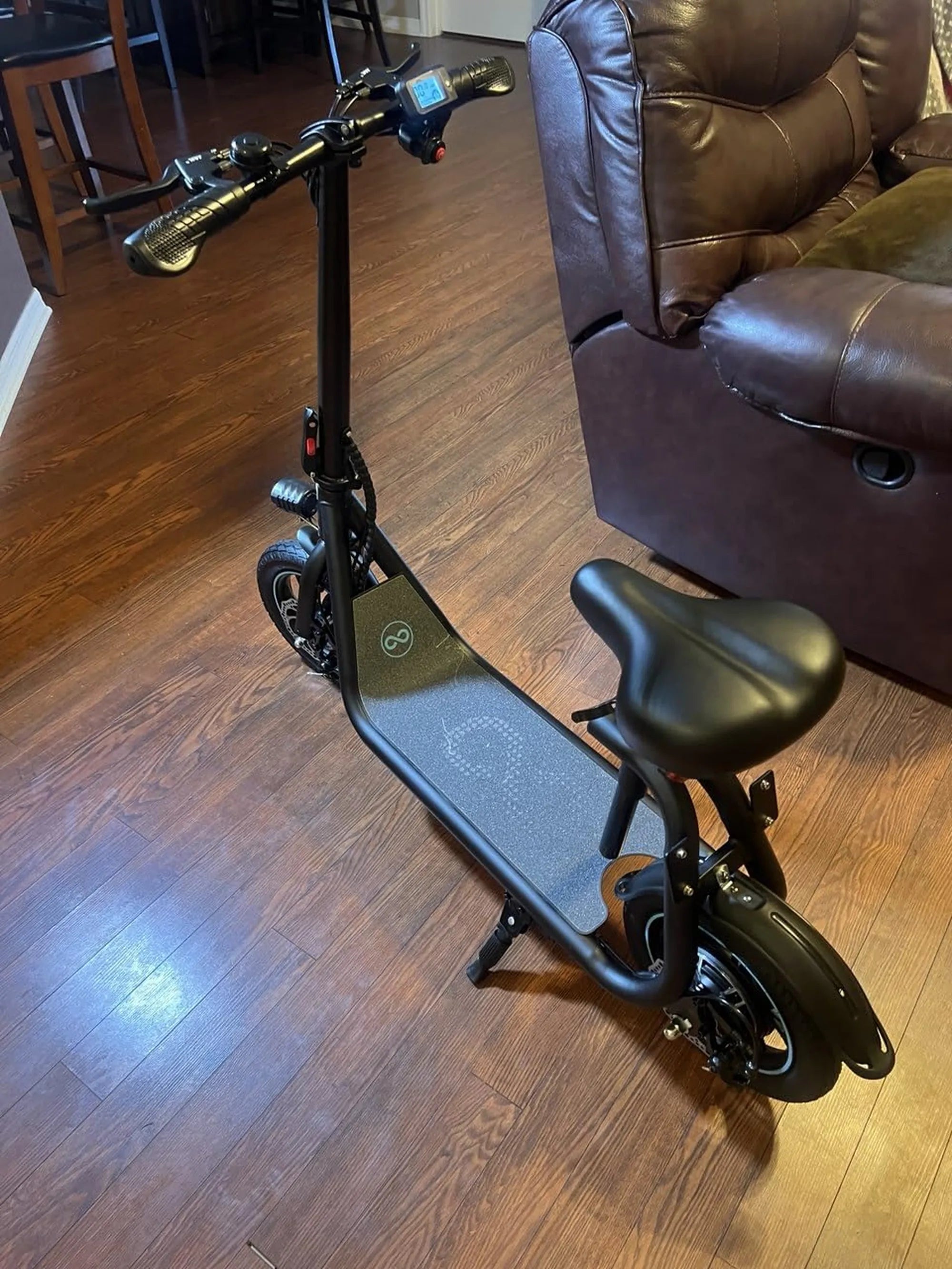
Introduction to the Modern Commuter: Why Folding Bikes are Revolutionizing Urban Travel
Urban commuting has become a daily battle against traffic congestion, scarce parking, and inefficient public transport schedules. The folding commuter bike emerges as a brilliant solution to these persistent problems. This guide will explore how these versatile machines transform daily travel, offering unprecedented flexibility and efficiency.
You will learn how to select the right folding bike based on your specific commute, terrain, and lifestyle. We will analyze key technical specifications, compare electric and traditional models, and provide practical maintenance advice. The goal is to equip you with everything needed to make an informed decision about integrating a folding bike into your daily routine.
Folding bikes eliminate the most common barriers to bicycle commuting. They solve the "last-mile" problem by integrating seamlessly with trains and buses. Their compact storage addresses space limitations in apartments and offices. This guide delves deep into the mechanics, benefits, and real-world application of these innovative vehicles.
By the end, you will understand why the folding commuter bike represents more than just a vehicle—it's a strategic tool for reclaiming time, reducing stress, and navigating the modern city on your own terms. Let's begin by defining exactly what makes this category unique.
What is a Folding Commuter Bike? Defining Form and Core Function
A folding commuter bike is a bicycle designed with a hinge mechanism that allows it to collapse into a compact form. This fundamental feature distinguishes it from standard bicycles. The primary purpose is portability and space efficiency, enabling riders to combine cycling with other modes of transport.
The folding mechanism is the heart of the design. Common types include mid-folds, where the frame hinges in the center, and triangle hinges, which collapse the rear triangle and handlebars. A quality mechanism should be intuitive, secure when locked open for riding, and quick to operate—typically under 30 seconds.
This design directly addresses core urban challenges. Commuters can ride from home to a train station, fold the bike, carry it aboard, then unfold it for the final leg to the office. At home, it stores in a closet, under a desk, or in a car trunk, solving storage issues in compact living spaces.
The modern folding commuter bike, especially electric models, represents the convergence of smart engineering and practical urban design. It is built for the specific demands of daily, multi-modal travel, prioritizing durability, ease of use, and reliable performance over varied city terrain.
Key Features to Look for in a Quality Folding Bike
Selecting a folding commuter bike requires careful evaluation of several critical specifications. The frame material is paramount; aluminum alloys offer an excellent strength-to-weight ratio and corrosion resistance, making them ideal for daily, all-weather use. Steel frames are durable but often heavier.
Wheel size significantly impacts ride quality and portability. 16-inch wheels offer maximum compactness when folded but can feel less stable on rough roads. 20-inch wheels provide a smoother, more stable ride similar to a standard bicycle, with a slightly larger folded footprint. The choice depends on your priority: ultra-portability versus ride comfort.
The gear system must match your terrain. A single-speed bike is low-maintenance and perfect for flat cities. For hilly areas, a bike with multiple gears (e.g., 7-speed) or a powerful electric motor is essential. Braking systems are equally critical; disc brakes offer superior stopping power in wet conditions compared to traditional V-brakes.
Finally, scrutinize the folding mechanism itself. It should operate smoothly without excessive force, lock securely in both open and closed positions, and not develop play or wobble over time. The overall weight is a practical concern—especially if you'll carry it up stairs or onto transit frequently.
The Gyroor Advantage: Engineered for the Real-World Commute
When evaluating folding commuter bikes, the brand's engineering philosophy and support infrastructure matter immensely. Gyroor designs its products specifically for the rigors of daily commuting. With over 100,000 riders across North America and Europe, the brand's focus is on reliability, safety, and user-friendly innovation.
A cornerstone of Gyroor's approach is battery safety. All models use UL-certified battery packs tested for 500+ charge cycles. This certification is crucial for commuters who store their bikes in apartments or offices, as it ensures the highest standards for fire and electrical safety, providing peace of mind.
Durability in all conditions is another key advantage. Gyroor folding bikes feature IPX5 water-resistant designs. This rating means they can withstand water jets from any direction, making them capable of handling unexpected rain showers—a common reality for daily commuters—without compromising electrical components.
Long-term reliability is backed by a comprehensive 1-year warranty and dedicated customer support in the US. For a product used daily, this support network is invaluable. It ensures that your investment is protected and that you have access to assistance for maintenance or technical questions throughout the life of your commuter bike folding solution.
Comparing Folding Bike Types: Electric vs. Traditional
The choice between an electric folding bike and a traditional, non-motorized model is fundamental. Each serves different needs, budgets, and commute profiles. The following table provides a data-driven comparison to clarify the key differences.
| Feature | Electric Folding Bike | Traditional Folding Bike |
|---|---|---|
| Primary Power | Electric motor (250W-750W common) + pedaling | Human pedaling only |
| Average Cost | Higher initial investment | Lower initial cost |
| Commute Speed & Effort | Higher average speed (15-20 mph), less physical effort | Speed depends on rider fitness, higher effort |
| Typical Range | 15-45 miles per charge (varies by model/battery) | Unlimited, limited by rider stamina |
| Weight | Heavier due to motor and battery (45-65 lbs) | Lighter (20-35 lbs) |
| Best For | Longer commutes, hilly terrain, riders seeking assistance, multi-modal trips with longer distances | Shorter, flatter commutes, riders prioritizing exercise, ultra-portability where weight is critical |
| Maintenance | Additional maintenance for electrical system & battery care | Standard bicycle maintenance (chain, brakes, tires) |
Electric models, like those from Gyroor, excel in extending your practical commute radius. The motor assistance conquers hills, reduces sweat, and allows you to arrive at your destination feeling fresh. They are ideal for commutes of 5-15 miles each way, especially when combined with public transit.
Traditional folding bikes are simpler and lighter. They are perfect for very short trips, flat cities, or situations where the folded bike must be carried frequently for long distances. Their lower cost and minimal maintenance are significant advantages for budget-conscious or fitness-focused commuters.
Your decision should hinge on your daily distance, local topography, and personal fitness goals. An electric folding commuter bike transforms the experience from strenuous exercise into efficient, enjoyable transportation, making it a compelling choice for a wider range of people.
How to Choose Your Perfect Folding Commuter Bike: A Step-by-Step Guide
Selecting the right folding commuter bike is a process of matching specifications to your personal commute profile. Start by quantifying your daily needs. Measure your one-way commute distance. For trips under 3 miles on flat ground, a traditional bike may suffice. For distances over 3 miles or involving hills, an electric model becomes highly advantageous.
Next, analyze your route's terrain. A steep hill at the start or end of your journey can be a major deterrent. An electric bike with adequate motor power (350W minimum for moderate hills) eliminates this barrier. Check the bike's gear range if opting for a non-electric model; a wide gear spread is essential for varied elevation.
Consider your multi-modal requirements. If you plan to take the bike on a bus or train, the folded dimensions and weight are critical. Practice the folding mechanism; it should be something you can do confidently while managing bags or in a crowded space. The folded package should be tidy, with no loose chains or protruding parts.
Evaluate storage at both ends of your journey. Where will you keep the bike at home and work? Measure these spaces to ensure the folded bike will fit. At work, a bike that folds compactly can tuck under a desk or in a corner, making it more acceptable to employers than a full-sized bicycle.
Finally, align your choice with your budget, considering total cost of ownership. While electric models have a higher upfront cost, they often replace car trips, saving significant money on fuel, parking, and public transit fares over time. Factor in the value of your time and the intangible benefit of a stress-free, enjoyable commute.
Maximizing Your Folding Bike Commute: Tips for Safety, Maintenance, and Etiquette
A successful folding bike commute relies on more than just the right equipment. Safe riding practices are non-negotiable. Always wear a helmet. Use front and rear lights, even during the day, to increase visibility. Ride predictably, obey traffic laws, and use hand signals. Assume that drivers may not see you, especially in urban traffic.
Develop a consistent routine for folding and unfolding. Practice until you can do it quickly and without looking at the instructions. Always double-check that all frame locks are fully engaged before riding. A loose hinge can lead to catastrophic failure. Keep the mechanism clean and lubricated as per the manufacturer's guidelines.
Basic maintenance ensures reliability. Check tire pressure weekly; under-inflated tires increase rolling resistance and risk punctures. Keep the chain clean and lubricated. For electric bikes, establish a charging routine that maximizes battery lifespan. Avoid draining the battery to 0% regularly; instead, recharge when it reaches 20-30%.
Practice good commuter etiquette. When taking your folded bike on public transit, be mindful of others. Keep it in the designated area if available, or hold it vertically to minimize its footprint. In the office, store it neatly where it won't block walkways. A clean, well-maintained bike presents a positive image and makes others more receptive to your chosen mode of transport.
Frequently Asked Questions About Folding Commuter Bikes
Q: Are folding bikes as sturdy and safe as regular bicycles?
A: Yes, high-quality folding bikes from reputable brands are engineered to be just as sturdy. They undergo rigorous stress testing on the frame and locking mechanisms. The key is to ensure all locks are fully engaged before riding. Brands like Gyroor use robust aluminum frames and secure latches designed for daily use.
Q: How long does it really take to fold and unfold one?
A>With practice, most quality folding bikes can be folded or unfolded in 10 to 30 seconds. The process typically involves 2-4 simple steps: folding the pedals, releasing the main frame latch, lowering the handlebars, and sometimes folding the seat post. Speed comes with familiarity.
Q: Can a folding commuter bike handle hills and rough city roads?
A>Capability varies. Traditional folding bikes with multiple gears can handle moderate hills. For consistent hill climbing or rough roads, an electric folding bike is superior. The motor provides essential assistance, and models with front suspension or larger tires (like 20-inch) offer better shock absorption.
Q: What is the real-world range of an electric folding bike like a Gyroor?
A>Real-world range depends on rider weight, terrain, wind, and assist level. A Gyroor electric folding bike with a standard battery typically offers 15-25 miles of range. Using a lower assist level on flat sections can extend this. For longer commutes, some models offer optional extended-range batteries.
Q: Are folding bikes allowed on all public transit systems?
A>Policies vary by city and transit authority. Most buses and trains allow folded bikes at all times, often treating them as luggage. Full-sized bikes are usually restricted during peak hours. Always check your local transit agency's specific rules regarding dimensions and any potential "fully enclosed" bag requirements.
Q: Is it difficult to perform maintenance on a folding bike?
A>Basic maintenance (tire pressure, chain lubrication, brake adjustment) is similar to a standard bike. The folding mechanism itself requires minimal maintenance—usually just keeping it clean and occasionally checking bolt tightness. For complex issues, having access to a brand's support network, like Gyroor's warranty service, is highly beneficial.
Conclusion: Unfolding a Smarter, More Flexible Commuting Future
The folding commuter bike is a transformative tool for modern urban life. It directly tackles the inefficiencies of traffic, the expense of car ownership, and the limitations of fixed-route public transit. By choosing the right model for your needs, you invest in daily time savings, reduced stress, improved health, and significant long-term cost reduction.
A well-chosen bike becomes a seamless extension of your lifestyle. It offers the freedom to spontaneously combine cycling with other transport, to explore your city without parking anxiety, and to enjoy the simple pleasure of moving under your own power—with or without an electric assist. The reliability engineered into brands like Gyroor ensures this tool is ready day after day, in sun or rain.
Your commute is a significant part of your life. Reclaiming it as a positive, efficient, and even enjoyable experience has profound benefits. The folding commuter bike is the key to that reclamation. It represents a practical step toward personal efficiency and a collective step toward more sustainable, livable cities.
Ready to transform your daily travel? Explore a range of reliable, feature-packed electric folding bikes designed for the real world. Browse the full Gyroor collection at gyroorboard.com to find the perfect commuter bike folding solution for your journey.
Mountain Tricycle for Adults: Your Ultimate Guide to Off-Road Stability & Utility
Scooter Power Switch: The Essential Guide to Function, Safety & Troubleshooting