



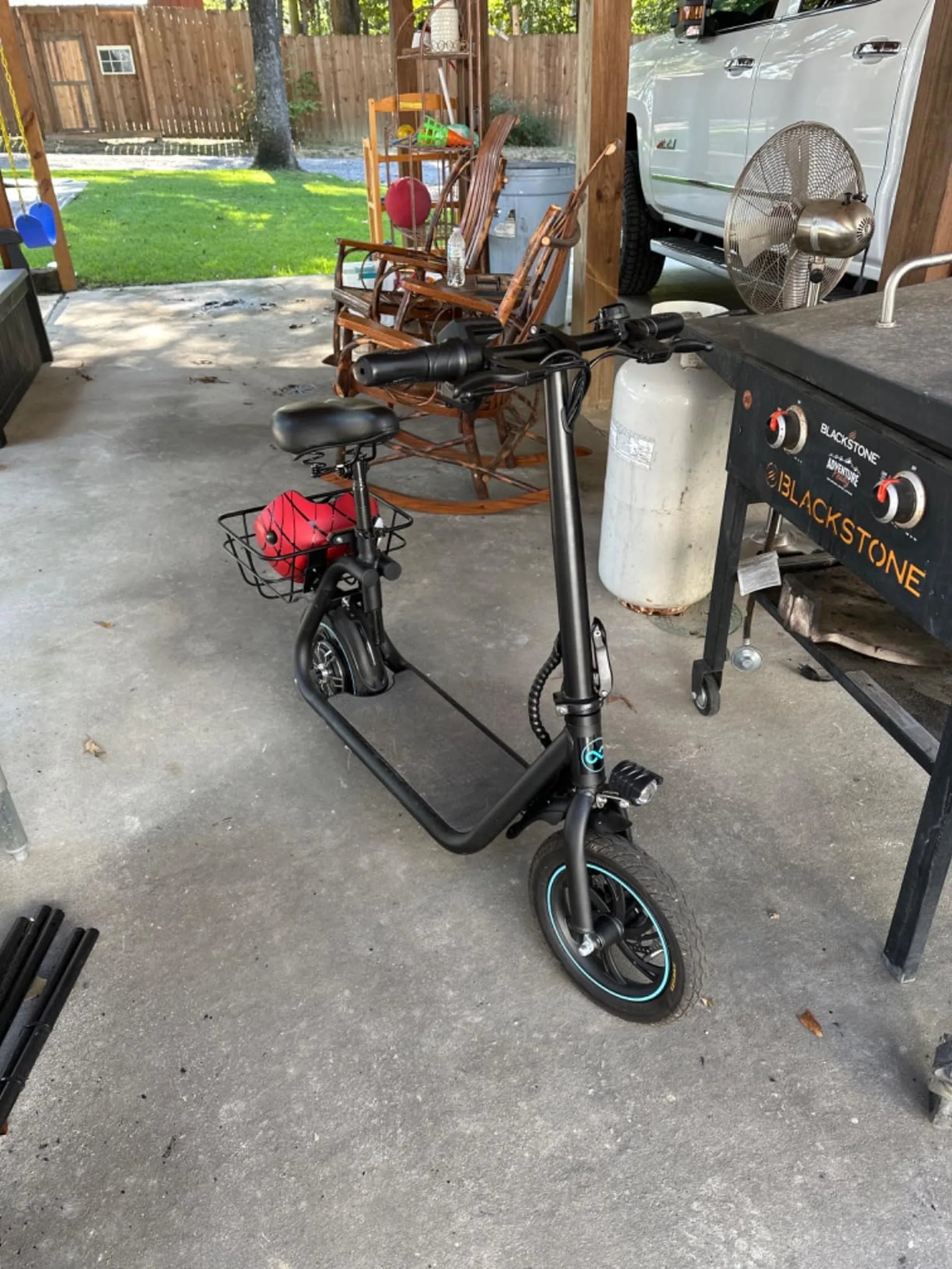
The electric scooters industry is racing toward a transformative future, with 2025 shaping up to be a pivotal year. As cities grow denser and environmental concerns mount, electric scooters have emerged as a game-changing solution for last-mile mobility. But what will the competitive landscape look like in two years? Who will dominate, and what challenges lie ahead? Buckle up as we dive deep into the trends, players, and strategies defining the electric scooters industry in 2025.
Market Growth and Key Drivers
The global electric scooters market is projected to expand at a compound annual growth rate (CAGR) of over 8% between 2023 and 2025. Several factors are fueling this growth:
- Urbanization: With more people moving to cities, congestion and pollution are pushing demand for compact, eco-friendly transport.
- Government Incentives: Subsidies and tax breaks for electric vehicles (EVs) are encouraging adoption.
- Technological Advancements: Improved battery life, faster charging, and smart features are enhancing user experience.
- Shared Mobility: The rise of scooter-sharing platforms is making e-scooters more accessible.
Competitive Dynamics
The electric scooters industry is highly fragmented, with a mix of established players and disruptive startups vying for market share. Key competitive strategies include:
- Product Innovation: Companies are investing in lightweight materials, longer-range batteries, and AI-powered navigation.
- Pricing Wars: Affordability remains a critical factor, especially in emerging markets.
- Partnerships: Collaborations with ride-sharing apps and city governments are becoming common.
- Sustainability Focus: Brands are emphasizing recyclable components and carbon-neutral manufacturing.
Regional Market Trends
The competitive landscape varies significantly by region:
- Asia-Pacific: Dominates the market, driven by high adoption in China and India.
- North America: Growth is fueled by tech-savvy consumers and supportive regulations.
- Europe: Strict emissions standards and urban mobility initiatives are boosting demand.
Challenges Ahead
Despite the optimism, the industry faces hurdles:
- Regulatory Uncertainty: Cities are grappling with how to manage scooter traffic and safety.
- Supply Chain Disruptions: Battery shortages and semiconductor delays could hinder growth.
- Safety Concerns: Accidents and injuries are raising questions about infrastructure needs.
Future Outlook
By 2025, the electric scooters industry will likely see consolidation, with larger players acquiring smaller innovators. Autonomous scooters and integration with public transit systems could redefine urban mobility. The winners will be those who balance innovation, affordability, and sustainability.
The electric scooters industry is on the brink of a revolution, and 2025 will be the year it shifts into high gear. Whether you're a rider, investor, or policymaker, understanding this dynamic landscape is crucial. The road ahead is electrifying—don't miss the ride.
Best E Scooter in India: Top Picks for Eco-Friendly Commuting
Best E Scooter in India: Top Picks for Eco-Friendly Commuting